Cost of Living in El Chaltén
Where this figure comes from. No cost survey covers El Chaltén, so the $1,000 a month above is our own estimate rather than a measurement. On 416 of our 999 city guides the figure is built from a published Numbeo basket, a one-bedroom rent in the centre plus one person's monthly costs without rent, converted to USD; this city is not one of them. How we source everything.
El Chaltén sits at the moderate end for remote Patagonia, and a solo traveller can expect roughly $900 to $1,600 per month depending on the season and how you eat and sleep. Because it is a tiny trekking village at the end of a long road, most goods arrive by truck, so groceries and restaurant meals cost more than in Buenos Aires. Argentina's inflation and swinging exchange rates make prices a moving target, though since currency controls were lifted in April 2025 a foreign card no longer loses much against cash changed on the informal market. Prices spike in the December to February high season and soften shoulder months. Cash is a practical problem as well as a price one. The village has very few cash machines, and in the January rush they can empty before a weekend, so arriving from El Calafate with enough pesos or dollars for the first days saves a wasted morning. Most lodging closes between May and September, which removes the off-season bargain other mountain towns offer: there is little to rent cheaply in winter because there is little open at all.
- Hostel dorm or simple guesthouse: roughly $18 to $40 per night in season
- Private cabana or apartment (monthly, if available): often $600 to $1,100
- Restaurant main plus a local craft beer: around $12 to $22
- Basic groceries cost noticeably more than in larger Argentine cities
Where to Work in El Chaltén
If a work stay is what you are booking, know first that El Chaltén offers no coworking space at all and that its connection is patchy and slow from one end of the village to the other. Bandwidth is shared, satellite-dependent in places, and drops during busy evenings, so video calls can be a gamble. A few cafes and your accommodation lobby offer usable wifi for email, writing, and light tasks, but treat anything time-critical as a risk. The most reliable move is a local SIM from Claro or Personal, topped up with data, though even mobile coverage is inconsistent once you leave the main streets. Set expectations low, batch heavy uploads for stronger moments, and plan deadlines around the reality that this is a trekking village first.
- Buy a Claro or Personal SIM with a data pack as your primary backup
- Download maps, docs, and media offline before you arrive
- A handful of cafes tolerate laptops over a coffee, best in mornings
Getting Around El Chaltén
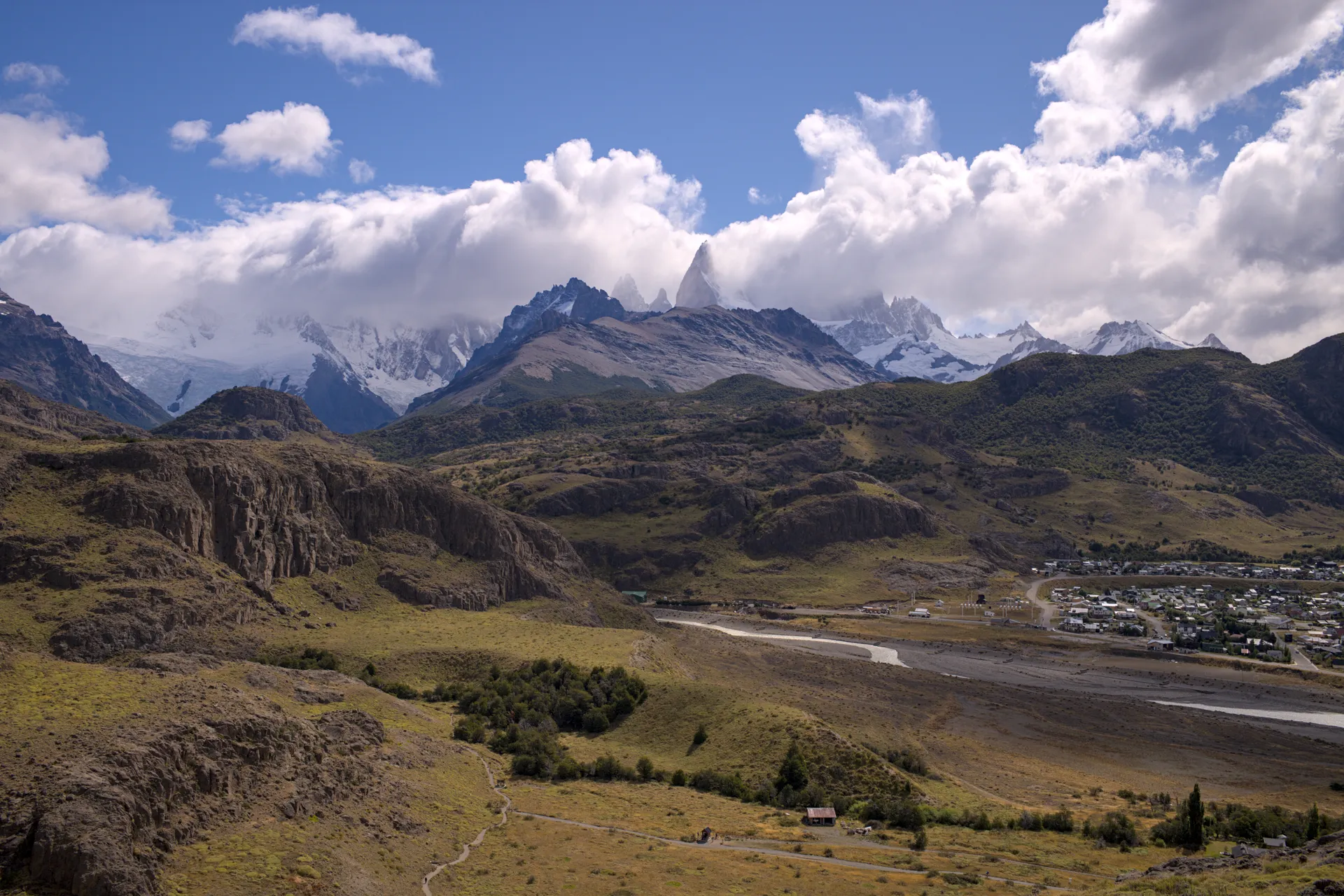
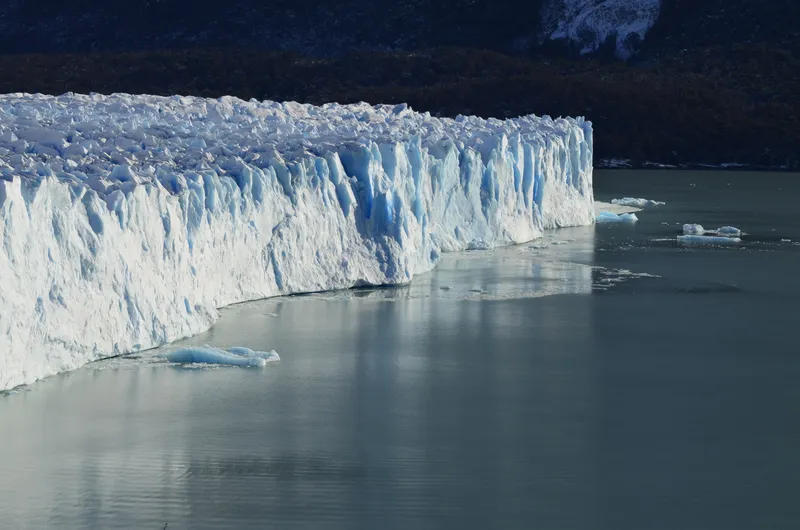
El Chaltén is wonderfully compact and entirely walkable, which is the whole point: the major trailheads begin right from the edge of town on foot, so you need no car to reach Laguna de los Tres, Laguna Torre, or the Fitz Roy viewpoints. Within the village everything sits within a short stroll along Avenida San Martin. For arrivals and departures, regular buses connect to El Calafate around three hours away, which is the gateway to the Perito Moreno glacier and the region's main airport (FTE). Onward, summer buses run north along Ruta 40 toward Los Antiguos and Bariloche, and south toward the Chilean border and Puerto Natales. A rental car is not needed for hiking but genuinely helps if you want to explore the wider region at your own pace. Arriving buses stop first at the national park visitor centre at the edge of town, where rangers give a short briefing on trail conditions and the rules on camping and fires, and it is worth listening, because the weather on the ridges changes faster than any forecast.
- All main trekking routes start on foot from town, no car required
- Buses run to El Calafate (~3 hours) and its FTE airport
- A rental car helps for wider Patagonia exploring, not for local hikes
Sorting transport? Book an airport transfer, or compare car rental on Auto Europe and QEEQ.
Visas for El Chaltén
El Chaltén is in Argentina, and most Western passport holders receive a tourist entry on arrival, commonly for 90 days, which can usually be extended once for another 90 through immigration (Migraciones) for a fee. Argentina has also moved toward a digital-nomad visa framework aimed at remote workers, offering a longer authorized stay, though the practical process and requirements shift over time. For a remote trekking village stay, most visitors simply arrive on the standard tourist entry. The Chilean border here is unlike any other on the continent. A gravel road runs north to Lago del Desierto, Argentine exit formalities are done at the gendarmerie post at the lake's far end, and from there a footpath crosses the frontier to Lago O'Higgins, where a boat reaches Villa O'Higgins at the end of the Carretera Austral. The route opens only from about November to March and is walked or cycled rather than driven, so treat it as an expedition with a passport stamp rather than a quick exit.
- Tourist entry is commonly 90 days for many nationalities
- Extensions are typically possible via Migraciones for a fee
- A digital-nomad visa route exists at a national level
Best Time to Visit El Chaltén
The hiking season runs roughly October or November through March or April, the austral spring and summer, when days stretch long and the trails to Fitz Roy and Cerro Torre are open and busy. Even in peak summer, expect the notorious Patagonian wind and weather that flips from sun to sleet within an hour, so pack real layers regardless of the calendar. December to February is warmest and most crowded; the shoulder months are quieter with fresher snow on the peaks. Winter (June to August) is cold, snowy, and very still, with most restaurants, tours, and services closed and the village nearly hibernating. The summit of Fitz Roy hides in cloud more often than the postcards suggest, so anyone who has come for sunrise on its granite should keep several spare days rather than one.
- Peak trekking: December to February, warmest but busiest and windy
- Shoulder months (Oct/Nov, Mar/Apr): quieter, more changeable, fewer crowds
- Winter: cold, snowy, and largely shut down for services
Pros and Cons of El Chaltén
El Chaltén rewards travellers who come for the mountains and accept the trade-offs. The upside is extraordinary: world-class trekking straight from town, jaw-dropping views of Fitz Roy and Cerro Torre, clean air, dark skies, and a friendly seasonal buzz of hikers and climbers. The downside is equally real: this is a tiny, remote village with patchy wifi, limited and pricey services, harsh and unpredictable weather, and almost nothing happening in the off-season. There is no genuine nomad scene, so it suits an outdoors-focused slow-travel stint far better than a productive work base. Come for the nature, not the infrastructure. The town is also younger than most of the people visiting it: it was founded in 1985, largely to plant an Argentine presence in country that Chile also claimed, and the dispute over nearby Lago del Desierto was only settled in Argentina's favour in 1994.
- Pros: unbeatable hiking, stunning scenery, superb air, safe and friendly
- Pros: walkable, trailheads from town, a fun seasonal traveller vibe
- Cons: patchy slow wifi, few services, high prices for a small place
- Cons: harsh windy weather and a near-dead off-season with closures
Who El Chaltén Is For
El Chaltén is for hikers, climbers, photographers, and slow travellers who want to wake up under Patagonian peaks and spend their days on the trail rather than on calls. It fits people with flexible, light-touch remote work, or better yet a genuine break, who can tolerate unreliable wifi and treat connectivity as a bonus rather than a given. It is not the place for a deadline-driven digital nomad needing dependable video calls, a coworking community, or year-round buzz. If your priority is nature, quiet, and adventure, and you can plan around the weather and the seasonal rhythm, few places on earth deliver more.
- Ideal for hikers, climbers, and nature-first slow travellers
- Workable for flexible remote work with low connectivity expectations
- Not suited to call-heavy work or those wanting a nomad community