Cost of Living in Rosario
Real market data
Source: Numbeo · August 2026
$640/moSolo nomad1-bed centre + living costs
$960/moCoupleshared 1-bed + costs
$600/moLean / localcheaper area + costs
- 1-bed rent, city centre$250
- 1-bed rent, outside centre$200
- Monthly costs excl. rent (1 person)$390
- Meal, inexpensive restaurant$10
- Buy price, per m² (centre)$2,070
Prices are from Numbeo (August 2026), already in US dollars. The monthly living-costs figure is our transparent one-person basket, groceries, a few meals out, utilities, phone, internet, transport and essentials, priced from those figures. Solo adds central rent; couple and lean are estimates from the same numbers. The guide below quotes its own monthly range, which is a different measurement rather than a competing one: this table prices a defined basket at the figures above, while that range is a judgement about how somebody actually lives here.
Rosario is one of Argentina's most affordable cities for remote workers, with day-to-day spending well below Buenos Aires. The informal (blue) dollar rate, once far better than the official one, has offered little extra since currency controls ended in April 2025. Use a service like Wise to send dollars and withdraw pesos, or bring cash USD to exchange.
- Rent, central neighborhoods (Centro, Pichincha, Oroño): USD 350-600/month for a furnished one-bedroom
- Rent, cheaper areas (Abasto, Echesortu): USD 200-350/month
- Groceries (cooking most meals): USD 80-150/month
- Eating out (mid-range restaurant): USD 5-10 per meal; a coffee runs around USD 1
- Coworking hot-desk: $3-9.50/month (roughly $30-80 at informal rate)
- Local transport (bus colectivo): Under USD 1 per trip with a SUBE card; a monthly bus pass is negligible
- Monthly total range: USD 800-1,400 for a comfortable independent lifestyle; USD 1,600-2,200 with a nicer apartment, gym, and regular dining out
Argentina's persistent inflation means peso prices shift frequently. Check the current exchange rate before budgeting, and expect local peso prices to keep rising. Dollar-denominated rents hold value better.
Where to Work
Rosario has a real and growing remote-work culture. Several dedicated coworking spaces operate in the city center and surrounding barrios, and cafe-working is fully normalized.
Coworking Spaces
REQ CoWorking (Balcarce, near the riverfront) is one of the most established, with multiple rooms, fast WiFi, a kitchen, and a location two blocks from the Paraná. Brujula Coworking (Santa Fe 1357) features a glass-walled dining area and garden, and is popular for its ambiance. Plataforma Oroño (Bulevar Oroño 1398) offers biometric access and a cafeteria on one of the city's main boulevards. WIT Coworking (Urquiza 1285) is housed in a historic building with a solarium and event space. Hot-desk memberships start around USD 30-40/month at most spaces.
Cafe Work Culture
Groovin Cafeteria de Especialidad (Italia 886) is the city's standout specialty coffee cafe, with outlets at every table, ambient jazz, and a working-friendly atmosphere from early morning. Sable Paris Coworking (Paraguay 1437) positions itself explicitly as a cafe-coworking hybrid. Work Cafe Santander (Bulevar Oroño 759) is a bank-sponsored space open to non-customers, with WiFi and outlets.
WiFi Reality
Connections across the city handle video calls but can feel sluggish for large uploads. Coworking spaces generally offer faster dedicated lines. Cellular data (Claro or Personal prepaid SIM) serves as a reliable backup when cafe WiFi disappoints.
Getting Around
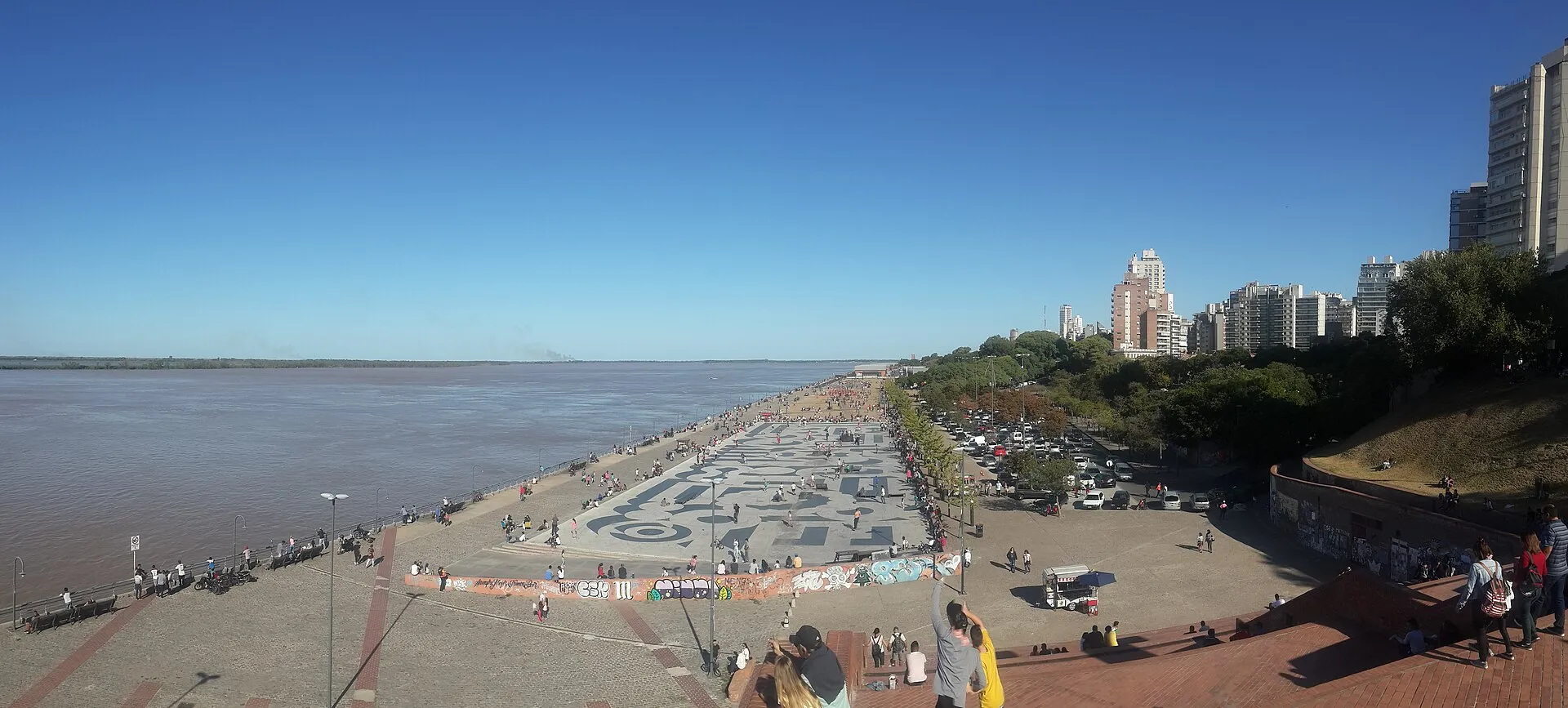
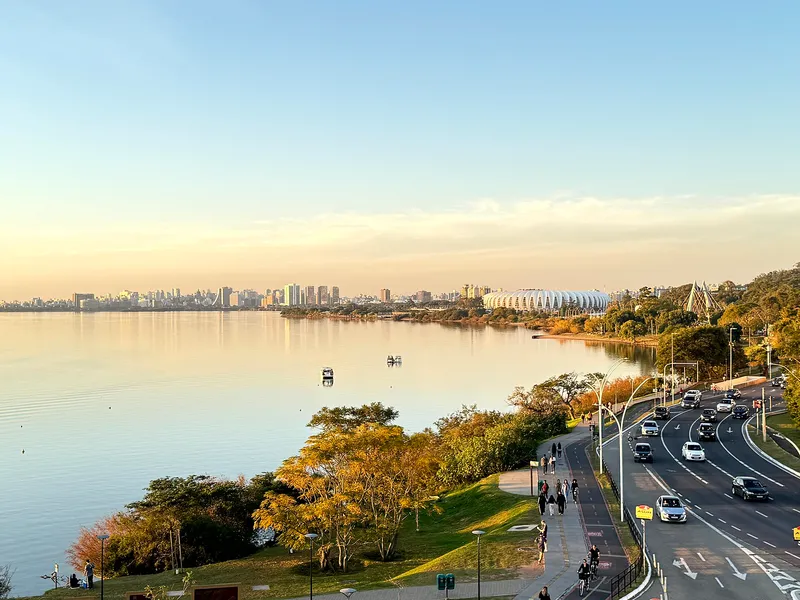
Rosario is a flat, medium-sized city that rewards walking in the central barrios. The riverfront promenade along the Paraná is a genuine pleasure on foot or by bike.
Day-to-Day
The colectivo bus network covers the whole city and costs under USD 1 per trip with a SUBE card (the reloadable transit card used across Argentina). Taxis and remises (private car services with fixed fares) are plentiful and cheap by international standards. Ride-hail apps including Cabify operate here. The city also has a public bike-share system (Mi Bici Tu Bici) with docking stations across central neighborhoods.
Airport
Rosario Islas Malvinas International Airport (ROS) sits about 13 km northwest of the city center in the Fisherton area. Bus route 115 (Bandera Aeropuerto) connects the airport to downtown via Santa Fe and Córdoba streets, running every 18-25 minutes and requiring a SUBE card. The journey takes about 35 minutes. A taxi or remis to the city center costs roughly USD 10-20 and takes around 20 minutes.
To/From Buenos Aires
Long-distance buses from the Terminal de Ómnibus (the main bus terminal) run frequently to Buenos Aires Retiro in about 4-5 hours. This is often cheaper and more convenient than flying for the BA connection.
Sorting transport? Book an airport transfer, or compare car rental on Auto Europe and QEEQ.
Visas and Staying Long-Term
Argentina is unusually welcoming to visitors from Western countries. US, Canadian, UK, Australian, and EU passport holders enter visa-free and receive a 90-day tourist stamp on arrival. You can extend this once at the Dirección Nacional de Migraciones office for an additional 90 days (fee about $13), giving you up to 180 days legally. Alternatively, a quick border run to Uruguay or Paraguay resets the clock, though immigration officers can exercise discretion on back-to-back reentries.
Argentina does offer a Digital Nomad Visa (Residencia Digital) for stays up to 180 days, renewable once for a further 180 days. It sets no minimum income: you prove the remote work itself with a contract, a company letter or fee receipts, and freelancers qualify. It costs around USD 200 to apply. It does not lead directly to permanent residency.
Best Time to Visit
Rosario has a humid subtropical climate with hot, muggy summers and mild, dry winters.
Spring (September to November) is the most popular window for remote workers: daytime temperatures range from 20-28°C (68-82°F), rainfall is moderate, and the city's parks and riverfront are at their best. October and November are particularly pleasant.
Autumn (March to May) offers similar comfort levels. March brings the highest rainfall of the year, but April and May are mild, with temperatures in the low-to-mid 20s Celsius and far fewer tourists than the summer peak.
Summer (December to February) is hot and humid, regularly hitting 31-35°C (88-95°F) with intense afternoon thunderstorms. You can work through it, but the heat is draining if you rely on outdoor spaces.
Winter (June to August) is the driest season, which helps productivity, but temperatures drop to 14-17°C (57-63°F) and occasional cold snaps dip lower at night. Heating in apartments varies in quality.
For the best balance of weather, crowd levels, and price, aim for October-November or April-May.
Pros and Cons
- Very affordable day-to-day costs compared to Europe, the US, or even Buenos Aires
- Beautiful riverfront with parks, promenades, and weekend markets
- Genuine cafe and coworking culture oriented toward remote work
- Manageable city scale with walkable central neighborhoods
- Excellent food scene spanning traditional parrillas, Italian trattorias, and craft beer bars
- LGBTQ+ friendly with a progressive local culture
- Safety concerns in peripheral neighborhoods; motorcycle thefts and street crime occur in tourist areas too
- Economic volatility means budgets need constant adjustment as inflation shifts peso prices
- WiFi speeds are slow citywide; coworking is a must for bandwidth-heavy work
- Limited English outside hospitality settings; Spanish is essential for daily life
- Banking and bureaucracy can be frustrating; opening a local bank account as a foreigner is difficult
- Late-night dinner culture means restaurants fill up after 9-10 PM, which suits some but not all lifestyles
Who Rosario Is Best For
Rosario works well for remote workers who speak at least basic Spanish, want to stretch a modest income significantly further, and enjoy immersing themselves in an authentic mid-sized Latin American city rather than a nomad bubble. If you appreciate good food, riverfront life, and a real local community, Rosario delivers more than its tourist profile suggests.
It also suits people already comfortable with Argentine culture and the logistics of the informal economy, including managing peso exchange, navigating SUBE cards, and adapting to inflation.
You may want to look elsewhere if you need reliable fast internet in every setting, feel uneasy about urban security beyond the tourist center, require English-speaking services for daily tasks, or want an established international nomad community with regular meetups and events. Its remote-worker community is small next to Buenos Aires or Medellín.