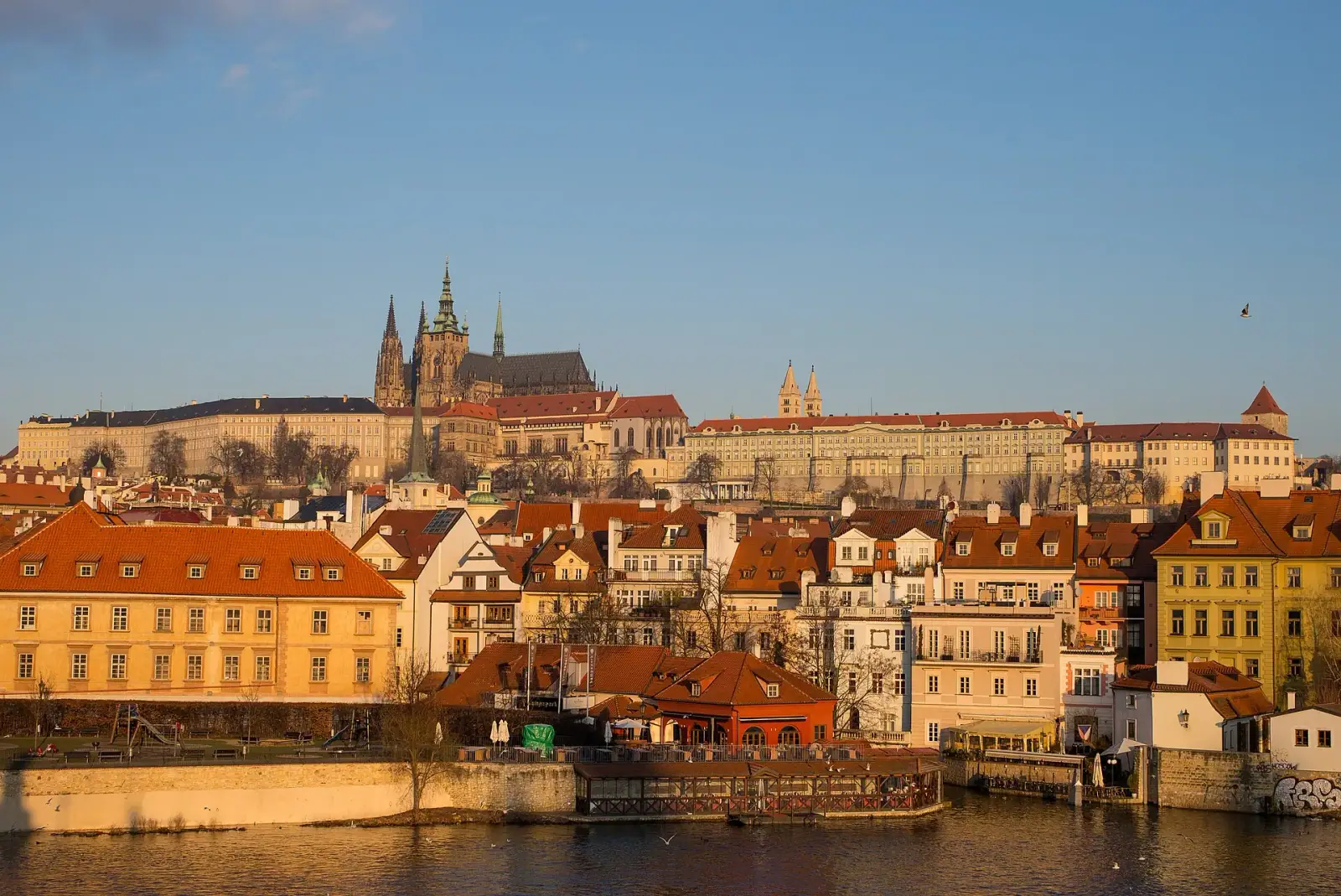
Prague Castle and St. Vitus Cathedral above the Vltava River at dawn
Photo: R Boed / Wikimedia Commons (CC BY 2.0)
Czech Republic flag

Prague

Czech Republic

Fairytale spires, cheap beer, and a growing tech scene.

$2.600
Monthly Budget
--
Current Weather
Continental
Climate Type
80 Mbps
Avg. WiFi Speed
8/10
Safety Score
5,000+
Active Nomads
--
Time Difference
Scroll
0
Nomad Score

Why Prague Works for Remote Work

Fairytale spires, cheap beer, and a growing tech scene. A continental climate and strong culture make Prague an easy base, and at about $2,600 a month it fits a range of budgets. Keep nature access in mind.

Compare Prague vs Dresden →

Category Breakdown

How Prague scores across all 13 factors

Weather in Prague

Monthly averages from 2019-2023 (Open-Meteo), and the best time to visit

-1°
Jan
-1°
Feb
10°
Mar
14°
Apr
19°
May
25°
15°
Jun
26°
15°
Jul
25°
15°
Aug
21°
11°
Sep
16°
Oct
Nov
Dec
Daily high & low (°C)Rainfall (mm/month)Best months to visit

The best time to visit Prague for comfortable weather is Jun, Jul, Aug. The warmest month is Jul (around 26°C by day), and the wettest is Aug (about 103mm of rain).

Chasing good weather? See other cities that are warm in Jun, or plan a multi-city route around the seasons. Staying a while in Prague? Check visa options, your time-zone overlap and how far your budget stretches, or find it on the world map.

Historical monthly averages, not a forecast. Source: Open-Meteo.

Best Neighborhoods in Prague

Where to base yourself for the perfect nomad experience

Vinohrady

$$$
Sophisticated & Residential

Prague's most livable neighborhood for good reason

Vinohrady consistently ranks as Prague's most popular district among expats and digital nomads. Tree-lined streets, quality restaurants, and excellent transit connections create the perfect base. The buzzing community hub around Jiřího z Poděbrad square is where nomads gather.

Best for: Long-term nomads, young professionals, and anyone seeking Prague's best quality of life
✓ Pros
  • Beautiful streets
  • Great restaurants
  • Strong expat community
  • Safe and clean
✗ Cons
  • Higher rents
  • Can feel quiet
  • Limited nightlife

Žižkov

$
Bohemian & Alternative

Bohemian spirit and the most pubs per capita in Prague

Žižkov's bohemian atmosphere and student population make it Prague's most budget-friendly option. Raw, creative, and authentic - it attracts artists, web developers, and international freelancers who love its alternative feel. You either love Žižkov or you don't, there's no in-between.

Best for: Budget nomads, creatives, students, and those who value character over polish
✓ Pros
  • Most affordable
  • Authentic local vibe
  • Great pubs
  • Creative community
✗ Cons
  • Rough around edges
  • Less renovated
  • Can feel isolated

Karlín

$$
Modern & Professional

Prague's startup HQ where tech meets craft beer

Karlín has become the unofficial headquarters of Prague's creative and tech communities. This rapidly gentrifying district offers modern apartments, innovative coworking spaces, and a growing selection of international restaurants and craft breweries. Elegant yet relaxed.

Best for: Tech workers, startup founders, and professionals wanting modern amenities with character
✓ Pros
  • Modern apartments
  • Tech community
  • Great restaurants
  • Riverside location
✗ Cons
  • Gentrifying fast
  • Rising prices
  • Can feel corporate

Smíchov

$$
Convenient & Mixed-Use

Prague's best transport hub with everything nearby

Not far from the center, Smíchov blends business and nightlife where office buildings share streets with creative spaces in converted factories. Impact Hub Praha calls this area home. The Anděl metro station makes it Prague's best-connected neighborhood.

Best for: Nomads who prioritize transport and convenience over neighborhood charm
✓ Pros
  • Best transport connections
  • Shopping nearby
  • Coworking options
  • Affordable
✗ Cons
  • Less charming
  • Commercial feel
  • Busy streets

Holešovice

$$
Artsy & Industrial

Industrial cool with galleries and weekend markets

Holešovice represents Prague's creative future. Former industrial spaces now house galleries, design studios, and the DOX contemporary art center. The riverside location and weekend farmers' markets at Pražská tržnice add to its appeal for creative nomads.

Best for: Creatives, art lovers, and nomads seeking Prague's emerging scene
✓ Pros
  • Art galleries
  • River access
  • Great markets
  • Up-and-coming
✗ Cons
  • Still developing
  • Fewer amenities
  • Can feel empty

Cost of Living in Prague

Prague sits in a comfortable middle ground: noticeably cheaper than Western European hubs like Amsterdam or Munich, but no longer the bargain it was a decade ago. Rents have climbed roughly 4 to 7 percent over the past year, and the rental market is tight, so well-priced flats get taken fast. Here is a realistic monthly breakdown for one person. Prices are in Czech koruna (CZK) with rough US dollar figures at recent rates.

  • Rent, central one-bedroom: CZK 21,500 to 26,000 (about $915 to $1,105) in areas like Vinohrady or Letná. A studio can run less.
  • Rent, cheaper districts: CZK 19,000 or so (about $810) in outer areas such as Prague 9 or Prague 10.
  • Groceries: CZK 5,000 to 8,000 (about $215 to $340) shopping at Albert, Lidl, Billa, or ordering from Rohlik.cz.
  • Eating out: a pub lunch of goulash and a beer runs CZK 200 to 280 ($8 to $12). A half-litre of Czech beer is famously cheap, often CZK 40 to 60 ($1.70 to $2.50).
  • Coworking hot desk: a day pass is roughly CZK 250 to 500 ($10 to $20); a monthly flex membership runs CZK 3,000 to 6,000 ($130 to $255).
  • Local transport: a monthly transit pass is CZK 550 (about $23), which covers all metro, trams, and buses.

All in, a single nomad renting a modest flat and working from cafes and the occasional coworking day should budget around CZK 42,000 to 60,000 per month, roughly $1,800 to $2,500. Live further from the centre, cook at home, and lean on the pub-lunch culture, and you can hold the lower end comfortably.

Where to Work

Prague has a mature coworking scene and a genuinely strong cafe-work culture, so you have real choice. Locus Workspace in Karlín is the space most often recommended in the expat and nomad community, with day passes and monthly memberships. Impact Hub has multiple locations and a busy events calendar, HubHub sits right on Wenceslas Square in the Palác Ara building, and Node5 in Smíchov is one of the largest and offers 24/7 access to members. International chains like WeWork and Regus also operate in the city if you want a predictable setup.

Cafe working is widely accepted here. Neighbourhoods like Vinohrady, Karlín, and Žižkov are full of laptop-friendly coffee shops where nursing an espresso for a couple of hours is normal. WiFi is reliable and fast across the city, both in cafes and in flats, and Czech mobile data is solid, so a prepaid SIM makes a good backup for calls. The main caveat is the same as anywhere: outlets and quiet corners fill up during busy hours, so arrive early or have a coworking day pass in your back pocket for calls and deep-focus work.

Getting Around

Prague has one of the better public transport systems in Europe, and you can live here easily without a car. The network combines three metro lines (A, B, and C) with an extensive tram system and buses, all on a single integrated ticket. A 90-minute ticket costs around CZK 50, and a 24-hour ticket is about CZK 150. For any stay of more than a couple of weeks, buy the CZK 550 monthly pass. The easiest way to buy and validate tickets is the PID Lítačka app, which is slightly cheaper than paper and lets you check schedules.

The historic centre is very walkable, and the tram network is scenic enough that getting around is often a pleasure rather than a chore. Trams run frequently, and night trams and night buses cover the small hours. For the airport, Václav Havel Airport Prague (PRG) has no metro link yet, so you take the Airport Express bus or a regular city bus (line 119 to metro line A, or 100 to line B) into the centre. At night, the 910 night bus runs to the airport roughly every 30 minutes. A taxi or ride-hailing app also works and is reasonably priced by European standards.

Visas and Staying Long-Term

If you hold a passport from the US, UK, Canada, Australia, or many other visa-exempt countries, you can enter the Schengen Area, which includes Czechia, and stay 90 days within any 180-day period without a visa. That is enough for a medium stay, but not for basing yourself here.

For a longer base, the classic route is the živno visa, a long-stay business visa built around a Czech trade licence (živnostenský list). You register as self-employed (OSVČ), which suits most freelancers and remote contractors. The first živno visa is typically valid for up to 12 months and can then be extended for a further 24 months. You will need to show income above a threshold tied to the Czech average salary (recently around CZK 69,836 per month, which adjusts annually), plus accommodation and health insurance, and register with the Foreign Police within 30 days of arrival.

Separately, Czechia runs a digital nomad visa route under an ICT-style scheme, currently open to remote workers in IT and marketing from a specific list of eligible nationalities that expanded in 2025. If your profession or passport does not fit that scheme, the živno route is usually the practical alternative. Visa rules, income thresholds, and eligible nationalities change, so confirm the current requirements with the Czech Ministry of the Interior or your nearest Czech embassy before you commit.

Best Time to Visit

Prague has four real seasons. Winters (December to February) are cold, often between minus 5 and 2 degrees Celsius, grey, and short on daylight, though the Christmas markets in December are genuinely charming. Summers (June to August) are warm and lively, frequently 22 to 30 degrees, but this is peak tourist season and the historic centre gets packed.

For remote work, the sweet spots are the shoulder seasons: late April to June and September to early October. You get mild weather, long-enough days, fewer crowds, and lower accommodation rates. If you dislike cold and dark, avoid committing to a long winter stay, and if you dislike crowds, steer clear of the July-August peak in the centre.

Pros and Cons

  • Affordable for Europe: living costs and coworking are well below Western European hubs.
  • Excellent transport: integrated metro, trams, and buses make a car unnecessary.
  • Strong work infrastructure: fast WiFi, plenty of coworking, and an accepted cafe-work culture.
  • Central location: easy trains and flights to the rest of Europe.
  • Beautiful and safe: a walkable historic core with a rich cultural scene.
  • Overtourism in the centre: the old town is crowded and priced for visitors.
  • Rising, tight rents: good flats go quickly and prices keep climbing.
  • Bureaucracy: the živno process and Foreign Police registration take patience and paperwork.
  • Cold, dark winters: not for everyone if you crave sun.
  • Language barrier: Czech is hard, though English is common in nomad-friendly areas.

Who Prague Is Best For

Prague suits nomads who want a beautiful, well-connected European base at a lower cost than the Western capitals, with reliable infrastructure and an easy day-to-day life. It is a strong fit if you value walkability, culture, good beer, and quick weekend trips across Central Europe, and if you plan to stay long enough to make the živno visa worthwhile. It works well for freelancers in IT or marketing who may qualify for the nomad route.

You should probably skip Prague if you need warmth and sun year-round, want to be right in a tourist-free local scene without any effort, or expect very cheap rent in the centre. Those chasing rock-bottom costs will do better in parts of Southeast Asia or the southern Balkans, and true winter-avoiders should look south. For most others, Prague remains one of the best-value nomad hubs in Europe.
Where to Stay in Prague

Top neighborhoods and accommodations for digital nomads

Eight Secrets Boutique Residence by Dwellfort

Serviced apartments
Vinohrady

Quiet Vinohrady side street near Namesti Miru metro with fully equipped kitchens, premium beds, and a walkable residential neighborhood.

Check availability →

Browse apartments, aparthotels and hotels across Prague. Compare prices and book a base that suits a remote-work stay.

See available stays in Prague →

Affiliate link. See our disclosure.

Best Coworking Spaces

Where nomads get work done in Prague

Locus Workspace

Coworking space
Vinohrady

English-friendly coworking in the heart of Vinohrady, popular with expat freelancers and remote workers.

Visit website →

Impact Hub Prague

Community coworking
Smichov

Community-focused coworking with a strong startup and social-impact network, regular events, and global connections.

Visit website →

Node5

Tech coworking
Smichov

Prague's original tech-focused coworking in a converted industrial building, open 24/7 near Andel metro.

Visit website →

Opero

Premium coworking
Old Town

Elegant premium coworking in a historic palazzo near the National Theatre, attracting creatives and corporate clients.

Visit website →

EMA Espresso Bar

Specialty coffee cafe
New Town

Beloved specialty coffee shop with reliable WiFi and a welcoming attitude toward laptop workers on weekday afternoons.

Visit website →

Kavarna co hleda jmeno

Independent cafe
Vinohrady

Quirky independent cafe in Vinohrady with fast WiFi, power outlets, and a laid-back creative crowd of regulars.

View on Maps →

Where to Eat & Drink

Best food and drink spots in Prague

Lokál Dlouhááá

Czech gastropub
Old Town

Iconic Old Town gastropub with communist-era decor, tank-fresh Pilsner Urquell, and classic Czech dishes done right.

Visit website →
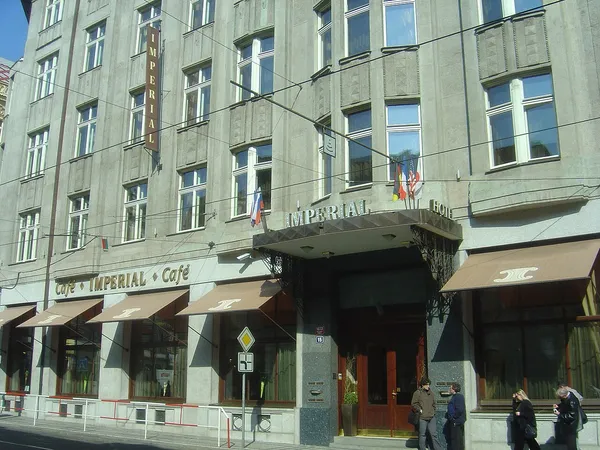
Exterior of Café Imperial Prague showing the Art Deco building facade with Café Imperial signage

Photo: DIMSFIKAS (CC BY-SA 3.0)

Café Imperial

Historic Czech brasserie
New Town

A 1914 art-deco landmark with original mosaic ceilings, classic Czech cuisine, and a Michelin Guide listing.

Visit website →

Kantyna

Meat restaurant
New Town

Meat-forward canteen in a converted bank palace, famed for its dry-aged steaks and what many call the best burger in Prague.

Visit website →

Sugo

Italian pasta bar
Karlin

Minimalist Karlín pasta bar serving bold, inventive Italian dishes with excellent natural wine pairings.

Visit website →

Pho Vietnam Anglická

Vietnamese restaurant
Vinohrady

Subterranean Vinohrady spot serving Hanoi-style pho with star anise broth, beloved by locals and nomads alike.

View on Maps →
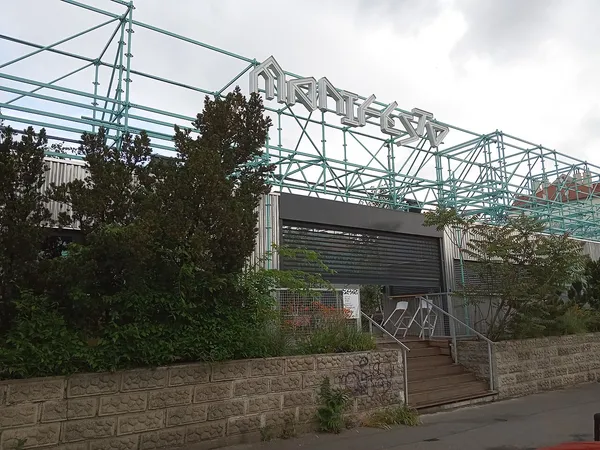
Manifesto Market entrance with large MANIFESTO sign on teal steel scaffold structure in Prague Smíchov

Photo: JiriMatejicek (CC BY-SA 4.0)

Manifesto Market Andel

Outdoor food and bar market
Smichov

Lively container-market venue with craft beer, cocktails, street food from 14 vendors, and a live music stage.

Visit website →

What Do Nomads Say?

Vote on how accurate these scores are based on your experience

Cities with a Similar Vibe to Prague

Different places that score alike across our 13 categories, if you like Prague, these tend to feel similar.

Frequently Asked Questions About Prague

How much does it cost to live in Prague as a digital nomad?

A comfortable nomad budget in Prague is around $2,600 a month: a furnished rental, food, coworking, and getting around. Live a little outside the center or eat local to spend less.

Is the internet fast enough for remote work in Prague?

With a WiFi score of 8/10, connectivity in Prague is excellent for calls and focused work. A prepaid local SIM keeps you online when you are away from the apartment.

Is Prague safe for digital nomads?

Prague scores 8 out of 10 for safety in our ratings, which is excellent for solo travel and long stays. Use normal precautions at night and with valuables, and choose well-reviewed areas.

Is Prague a good city for digital nomads overall?

For nomads, Prague is worth a look if you value culture and fast WiFi. Costs sit near $2,600 a month and the community keeps growing, though, like anywhere, it will not match every checklist.