Cost of Living in New Orleans
Where this figure comes from. No cost survey covers New Orleans, so the $2,600 a month above is our own estimate rather than a measurement. On 416 of our 999 city guides the figure is built from a published Numbeo basket, a one-bedroom rent in the centre plus one person's monthly costs without rent, converted to USD; this city is not one of them. How we source everything.
Plan for roughly $2,600/month as a solo remote worker in New Orleans, which makes it one of the more affordable major US cities. A one-bedroom apartment near the center, in neighborhoods like the Marigny, Bywater, or Mid-City, runs about $1,300 to $1,700, while heading further out toward Gentilly or across the parish line drops that to $1,000 to $1,300. Groceries land around $350 to $450. Eating out is a genuine pleasure and reasonable by US standards: a po-boy or casual lunch runs $12 to $16, and a nice dinner sits around $35 to $50. Local buses and streetcars cost $1.25 per ride or $45 for a monthly pass. Coworking hot desks run about $150 to $250. Add utilities, which spike in summer from heavy air conditioning use, plus phone and entertainment. These are editorial estimates in USD and vary with season, but New Orleans stretches a modest budget well. Sales tax in the city now totals 10 per cent, one of the highest combined rates in the country since the state raised its share in 2025, so the till always charges more than the shelf price suggests.
Where to Work in New Orleans
New Orleans has a small but real coworking scene, and Regus operates in the central business district alongside several independent local spaces catering to freelancers and creatives. Home and cafe internet is generally solid, with cable broadband widely available, though it is not a fiber-saturated tech city. Cafe-work culture is relaxed and welcoming: the city's coffee shops in the Marigny, Bywater, and Uptown are laptop-friendly and rarely rush you out. That easygoing pace is part of the appeal, though it also means fewer polished, phone-booth-equipped coworking options than in bigger tech hubs. For heavy call schedules, a dedicated desk or a quiet home setup is smart, and afternoon thunderstorms can occasionally interrupt power. Public libraries offer free workspace. Overall, connectivity is dependable for typical remote work, and the culture rewards those who like working amid a bit of atmosphere. A state tax credit built a film production industry here from nothing, and the crews, studios and post houses that came with it are now the largest creative employer in the city. The port is the other one, and between them they explain why the working population is bigger than the tourist economy suggests.
Getting Around New Orleans
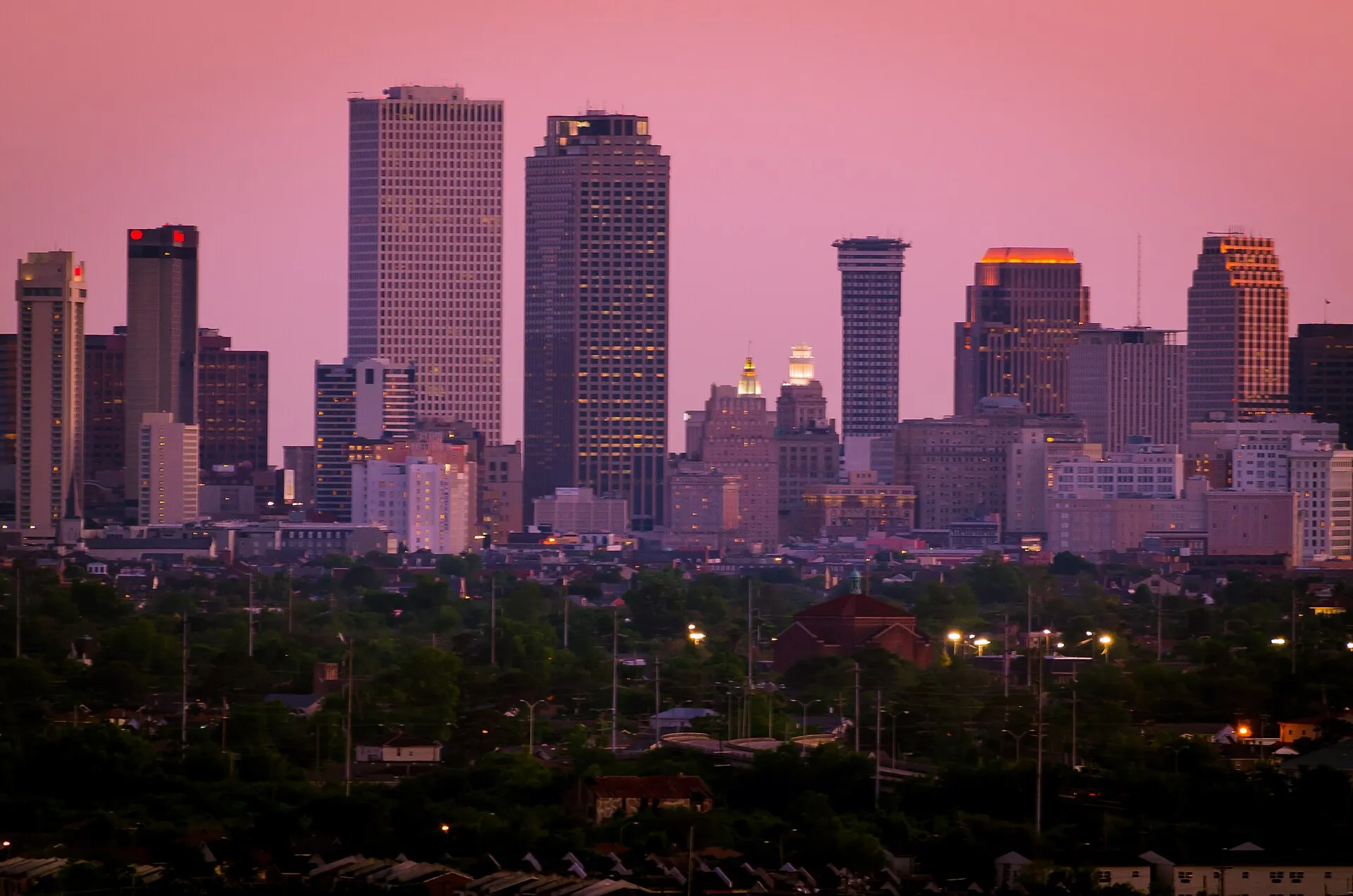
New Orleans is walkable in its historic core, and neighborhoods like the French Quarter, Marigny, and much of Uptown reward exploring on foot. The famous streetcars are charming and useful along St. Charles Avenue and Canal Street, though they run slowly and function as much for sightseeing as commuting. The RTA bus network covers the city but can be infrequent, so patience helps. Cycling is popular thanks to flat terrain, and the Blue Bikes bike share is handy. Ride-hailing with Uber and Lyft is reliable and affordable across town. The main airport is Louis Armstrong New Orleans International (MSY), about 30 to 45 minutes from downtown depending on traffic. You can live car-free if you stay central and lean on bikes and ride-hailing, but a car makes trips beyond the core and grocery runs much easier, and many longer-term residents keep one. The ferry over to the old town on the far bank takes about ten minutes and costs almost nothing, which is the cheapest view of the skyline going. Much of this city sits below the level of the water beside it and drains by pump, so a heavy afternoon storm can flood a street that was dry an hour earlier.
Sorting transport? Book an airport transfer, or compare car rental on Auto Europe and QEEQ.
Visas for New Orleans
The United States offers no digital nomad visa, so entry runs through standard tourist channels. Passport holders from Visa Waiver Program countries register online through ESTA and may stay up to 90 days without a formal visa. Travelers from other countries generally need a B-2 tourist visa obtained through a consular interview, and B-2 visitors are normally admitted for six months at a time. A visitor admission does not permit employment in the United States, and no US visa exists for remote workers. Be truthful with border officers about your plans and trip length, and never overstay your admitted period. The Visa Waiver's 90 days cannot be extended; a B-2 visitor may ask USCIS for an extension of up to six months.
Best Time to Visit New Orleans
New Orleans has a humid subtropical climate, and timing your visit matters. The best months are spring, roughly February through May, and autumn, October through November, when temperatures are pleasant and humidity eases. Spring also brings the city's signature energy with Mardi Gras and Jazz Fest, though prices and crowds surge around them. Summer, June through September, is the season to avoid if you dislike heat: expect intense humidity, temperatures in the 90s Fahrenheit, near-daily afternoon thunderstorms, and the Atlantic hurricane season, which peaks in August and September and can occasionally force evacuations. Winter is mild and short, with cool but rarely freezing days, making it a comfortable and quieter time to work. If you can, aim for the shoulder seasons to enjoy the outdoor culture without the oppressive summer swelter or the peak-festival price spikes. Second line parades roll through the neighbourhoods most Sundays from the end of summer until early the following one, organised by the social aid clubs rather than by the city, and following one is the best way anybody has found of seeing the place properly. They are announced locally and almost nowhere else.
Pros and Cons of New Orleans
Pros: New Orleans is affordable by US standards, deeply cultural, and unlike anywhere else in the country, with world-famous food, live music every night, and a genuinely warm, social atmosphere. Rent and dining are reasonable, the pace is relaxed, and the walkable historic neighborhoods have real character. Cons: summer heat, humidity, and hurricane risk are serious drawbacks, and infrastructure including roads and occasionally power can feel dated. Crime rates are higher than the national average in parts of the city, so neighborhood choice matters. The internet is dependable but not a fiber wonderland, and the tech and coworking scene is small. The party-heavy tourist areas can wear thin if you are trying to focus. It is a fantastic base for culture and value, but you trade away some infrastructure polish and must plan carefully around the brutal summer and storm season. Power is the vulnerability to plan around: when Hurricane Ida hit in 2021 a transmission tower fell into the river and took the whole city's supply down, and most homes waited around ten days for it to return.
Who New Orleans Is For
The culturally curious nomad who values music, food, history and community over corporate polish or a big tech scene is the one this city rewards. If you want an affordable, atmospheric US base with strong local identity and an easygoing social rhythm, few American cities deliver more character per dollar. It fits creatives, writers, musicians, and anyone who thrives amid festivals and nightlife, as long as they can carve out focused work time. It also works for nomads who want to experience a distinctly American place that feels unlike the rest of the country. It is a weaker fit for those who need pristine infrastructure, a large professional network, or a car-free lifestyle in a big-transit city, and it is genuinely tough for anyone sensitive to heat and humidity. Come for the culture and value, plan around summer, and pick your neighborhood thoughtfully.