Cost of Living in Mexico City
Real market data
Source: Numbeo · August 2026
$1,680/moSolo nomad1-bed centre + living costs
$2,130/moCoupleshared 1-bed + costs
$1,270/moLean / localcheaper area + costs
- 1-bed rent, city centre$1,110MX$19,232
- 1-bed rent, outside centre$700MX$12,180
- Monthly costs excl. rent (1 person)$570MX$9,847
- Meal, inexpensive restaurant$12MX$204
- Monthly transit pass$21MX$360
- Buy price, per m² (centre)$3,880MX$67,333
Prices are from Numbeo (August 2026), converted to USD at $1 = MX$17.34 (01 Aug 2026). The monthly living-costs figure is our transparent one-person basket, groceries, a few meals out, utilities, phone, internet, transport and essentials, priced from those figures. Solo adds central rent; couple and lean are estimates from the same numbers.
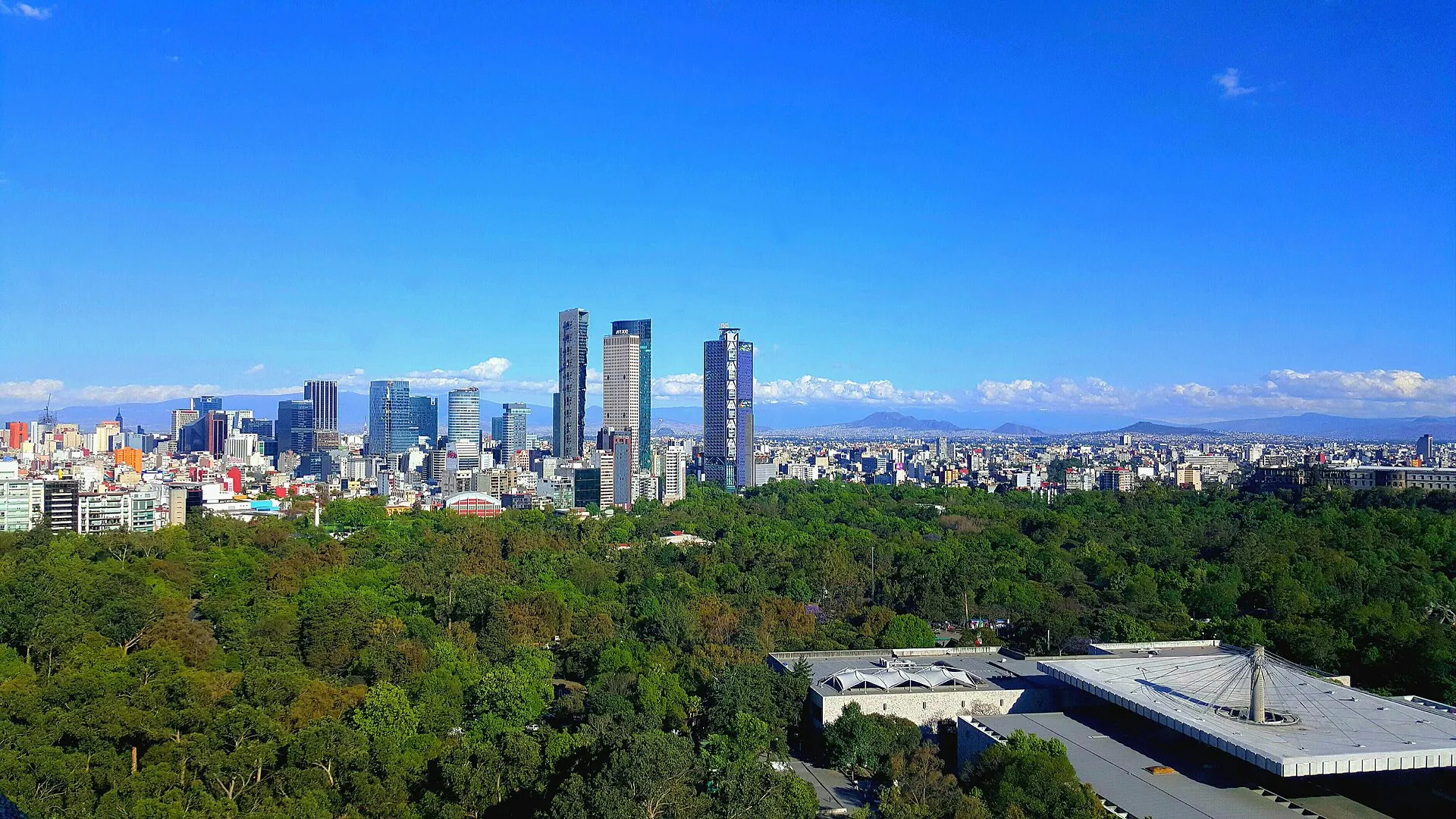
Mexico City (CDMX) is no longer the $800 a month secret it was five years ago, but it still offers strong value if you avoid short-term rentals. A comfortable solo budget in the central nomad belt runs roughly $1,600 to $2,800 per month, with rent driving most of the difference. Crowd-sourced nomad data now puts the typical remote-worker spend near $2,200.
Here is a realistic monthly breakdown:
- Rent, furnished 1BR in Roma Norte or Condesa: $1,040 to $2,020. These are the priciest areas because they are the nomad core.
- Rent, furnished 1BR in a cheaper central area like Narvarte, Escandon, or Del Valle: $690 to $1,150.
- Groceries: $200 to $345, less if you buy produce at local markets.
- Eating out: street tacos run $0.50 to $1.50 each, a sit-down neighborhood lunch is $5 to $10.
- Coworking hot desk: $145 to $290 per month, or day passes around $20 to $29.
- Local transport: $35 to $69 if you mix Metro, Metrobus, and the occasional ride-hail.
Utilities for a one-bedroom (electric, gas, water) land around $29 to $87, and home internet is $26 to $46. Skip Airbnb for stays over a few weeks: you often pay a 30 to 100 percent premium versus a long-term lease found through local Facebook groups.
Where to Work
CDMX has a deep, mature coworking scene concentrated in Roma, Condesa, Juarez, and Polanco. WeWork runs many locations citywide and is the easiest drop-in option, with day passes bookable through its On Demand app. Publico is a polished homegrown Mexican brand with well-designed spaces across Roma, Condesa, Juarez, Polanco, and Reforma. Homework is a nomad favorite in Roma and Condesa, known for real community programming (mixers, workshops) and quiet, library-like focus rooms.
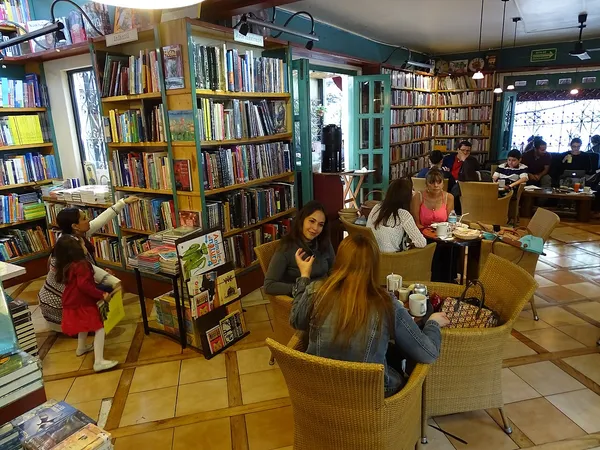
Cafe-work culture is strong, and you can happily nurse a coffee for hours in Roma and Condesa specialty spots. Just know that the most popular cafes get crowded and outlets fill up fast, so arrive early or have a backup. On WiFi: coworking and mid-range cafes are reliable, but apartment and cafe connections vary, so test any long-term rental's speed before committing and keep a phone hotspot (local eSIMs and plans are cheap and fast) as a fallback for calls.
Getting Around
Mexico City is huge but the central nomad neighborhoods are genuinely walkable and flat enough to cover on foot. The Metro is one of the cheapest in the world at about $0.29 a trip, fast, and extensive, though it gets extremely packed at rush hour and pickpocketing happens, so keep bags in front. The Metrobus (dedicated-lane rapid bus) costs about $0.35 a standard trip and uses a rechargeable Movilidad Integrada card that you can buy and top up at station machines. Uber, DiDi, and inDrive are widely used, affordable, and generally the safest choice at night or with luggage.
For the main airport, Mexico City International (MEX), the cheapest public option is Metrobus Line 4, which runs from both terminals for about $1.73 and connects to the Metro at San Lazaro (allow about an hour). Most nomads just take an authorized taxi or a ride-hail to and from MEX. The second airport, Felipe Angeles International (NLU), sits well to the north and is far from the center, so budget extra time and cost (a dedicated bus or a long ride-hail) if your flight uses it.
Sorting transport? Book an airport transfer, or compare car rental on Auto Europe and QEEQ.
Visas and Staying Long-Term
Most Western passport holders enter visa-free as tourists. The old norm of an automatic 180-day permit is fading: officers now grant a number of days that matches your stated plans, so you may receive 30, 60, or 90 days instead. The tourist permit cannot be extended, so if you want a longer stay, explain your intentions clearly at the border, and carry proof of onward travel and accommodation.
For staying beyond tourist limits, the practical path is temporary residency, which you apply for at a Mexican consulate in your home country before arriving. It requires monthly income of about $4,600 over the last six months, or an average savings balance of about $77,500 over the last twelve. Both are set from the daily UMA, Mexico’s index unit: 680 times it in income, or 11,460 times it as a balance, so they move each February when the UMA is reset, and consulates apply them with some variation. Temporary residency can be held for up to four years.
Best Time to Visit
CDMX has a mild highland climate with almost no real winter or summer, just a dry season and a wet season. The dry season runs roughly November to April, with cool, sunny days and chilly evenings; November to February is the crispest and clearest window. The rainy season runs May to October, when most days start bright and see a heavy afternoon or evening downpour, which actually clears the air.
For remote work, the sweet spot is October to April: reliable dry days, comfortable temperatures, and better skies. One caveat: the city sits at about 2,240 meters (7,350 feet). At that altitude you may feel short of breath, dehydrate faster, and notice alcohol hits harder for the first few days, so ease in and drink plenty of water.
Pros and Cons
Pros:
- Excellent value for a world-class city, with great food, culture, and nightlife.
- Convenient North American time zones for working with US clients and teams.
- Large, established nomad community and a deep coworking and cafe scene.
- Cheap, extensive public transit plus affordable ride-hailing.
- Mild year-round climate with no harsh winter or summer.
Cons:
- Air quality can be poor, with ozone and particulate spikes, especially in the dry warm months.
- High altitude affects some people for the first several days.
- Traffic is heavy and the city is sprawling, so cross-town trips eat time.
- Safety varies sharply by area: central neighborhoods are generally fine with normal caution, but petty theft is common and some outer zones warrant care.
- Tap water is not drinkable, so you rely on filtered or bottled water.
- The city is seismically active, and earthquakes are a genuine (well-drilled) risk.
- Gentrification tension is real: 2025 saw protests in Roma and Condesa aimed partly at foreign remote workers, so rent responsibly, learn Spanish, and support local businesses.
Who Mexico City Is Best For
CDMX suits nomads who want a big, dense, culturally rich capital with strong infrastructure, a huge food scene, and easy time-zone overlap with the Americas. It rewards people who are social, curious, and willing to learn some Spanish, and it works especially well if you value coworking and community over beach-town quiet. It is also a strong base for exploring the rest of Mexico.
You should probably skip it if you are sensitive to air pollution or altitude, need constant sunshine and warmth, or want a small, walkable town where you know everyone. And if the ethics of the gentrification debate weigh on you, either commit to renting long-term and spending locally, or choose a less pressured city. Come for the depth and energy, not for a quiet retreat.