Cost of Living in Athens
Real market data
Source: Numbeo · August 2026
$1,520/moSolo nomad1-bed centre + living costs
$2,160/moCoupleshared 1-bed + costs
$1,420/moLean / localcheaper area + costs
- 1-bed rent, city centre$730€634
- 1-bed rent, outside centre$630€548
- Monthly costs excl. rent (1 person)$790€688
- Meal, inexpensive restaurant$17€15
- Monthly transit pass$31€27
- Buy price, per m² (centre)$4,030€3,504
Prices are from Numbeo (August 2026), converted to USD at $1 = €0.87 (01 Aug 2026). The monthly living-costs figure is our transparent one-person basket, groceries, a few meals out, utilities, phone, internet, transport and essentials, priced from those figures. Solo adds central rent; couple and lean are estimates from the same numbers. The guide below quotes its own monthly range, which is a different measurement rather than a competing one: this table prices a defined basket at the figures above, while that range is a judgement about how somebody actually lives here.
Athens is one of the most affordable capitals in the European Union, and that makes a real difference when you are running your life on a remote income. Expect to spend between $1,500 and $2,530 per month (roughly 1,400-2,400 USD) for a comfortable nomad lifestyle.
- Rent, central neighborhoods (Kolonaki, Syntagma, Exarchia): $920-1,500/month for a furnished one-bedroom
- Rent, cheaper areas (Pangrati, Neos Kosmos, Kypseli): $635-980/month for a furnished studio or one-bedroom
- Groceries: $230-345/month cooking at home
- Eating out: A sit-down meal at a local taverna runs $12-23 per person; street souvlaki is under $3.50. Budget $290-460/month mixing both.
- Coworking hot-desk: $140-230/month at a dedicated space; many cafes let you work all day for the price of two coffees (around $9-12)
- Local transport: A monthly transit pass costs around $35 and covers metro, bus, and tram
- Total range: $1,500-2,300/month living comfortably; $2,070-2,880/month with a central apartment and frequent dining out
Alcohol and dining out are markedly cheaper than in Western Europe, and everyday Greek food at neighborhood spots is excellent value.
Where to Work
Athens has a growing but still compact coworking scene. The best dedicated spaces are reliable and priced reasonably by European standards.
- Vios Coworking (near Omonia) is the most wellness-focused option, with gym, nap room, showers, and fiber. Hot desks start around $175/month.
- Impact Hub Athens (Psirri) is built around an entrepreneurship community with fiber internet and regular events. Around $195/month for hot-desk access.
- Stone Soup (central, near Omonia) was one of the city's first coworking spaces and retains a community-driven feel with views of the Acropolis from its rooftop terrace.
- Selina Theatrou (Omonia) offers flexible passes (day, week, month) and is popular with short-stay nomads.
Cafe-working culture is strong. Athens has a well-developed specialty coffee scene and most independent cafes are accustomed to people working for hours. Dope Roasting Co in Psirri, Third Place near Syntagma, and Papia in Pangrati are consistently recommended for reliable WiFi and a welcoming attitude toward laptops.
The honest WiFi reality: coworking spaces deliver fast connections consistently. Cafes are hit or miss, even on a good day. Many short-term apartments have mediocre broadband, so if stable connection is critical for your work, factor a coworking membership into your budget from day one.
Getting Around
Athens is a walkable city in its historic core. Monastiraki, Plaka, Syntagma, Psirri, and Thissio are all connected on foot, and the terrain is mostly flat except around the Acropolis hill. For anything further, the metro is clean, punctual, and covers the main areas you will use. The M1, M2, and M3 lines intersect at Syntagma and Monastiraki, making them the natural transit hubs.
Buses fill the gaps but can be slow in traffic. Taxis and Bolt (rideshare) are plentiful and cheap by Western European standards. A monthly transit pass costs around $35.
Getting to and from the airport: the Airport Express metro (M3 Blue Line) runs directly from the airport to central Athens in about 40 minutes and costs $12. Taxis to the city center cost around $46-58 during the day.
Sorting transport? Book an airport transfer, or compare car rental on Auto Europe and QEEQ.
Visas and Staying Long-Term
Citizens of EU and Schengen countries can stay indefinitely. Most other nationalities, including US, UK, Canadian, and Australian passport holders, get 90 days within any 180-day window under Schengen rules, which is enough for a medium-length stay but not a full year.
Greece does offer a dedicated Digital Nomad Visa for non-EU nationals who work remotely for employers or clients based outside Greece. As of early 2026, the requirements include proof of a minimum monthly net income of $4,030 and valid health insurance. The visa covers the first 12 months, after which you can switch to a Digital Nomad Residence Permit that runs for two years and renews in further two-year blocks. A significant rule change in February 2026 means you can no longer apply for this permit from within Greece: you must apply at a Greek embassy or consulate in your home country before arriving.
Best Time to Visit
For remote work, the sweet spot is March through May and September through November. Temperatures sit in the mid-teens to low twenties Celsius (60s-70s Fahrenheit), crowds are manageable, and accommodation prices are reasonable. Spring in Athens is genuinely pleasant, with long days and the city at its most photogenic.
Summer (June through August) is harsh. Temperatures regularly hit 35-40 C (95-105 F) in July and August, air conditioning bills spike, and tourist pricing inflates accommodation. If you must visit in summer, plan to work morning and evening and rest midday, and look for apartments with reliable AC.
Winter (December through February) is mild by Northern European standards, with temperatures around 10-15 C (50-60 F) and occasional rain. The city empties of tourists and prices drop significantly. It works well for focused work, though some attractions run reduced hours.
Pros and Cons
- Very affordable cost of living compared to most EU capitals
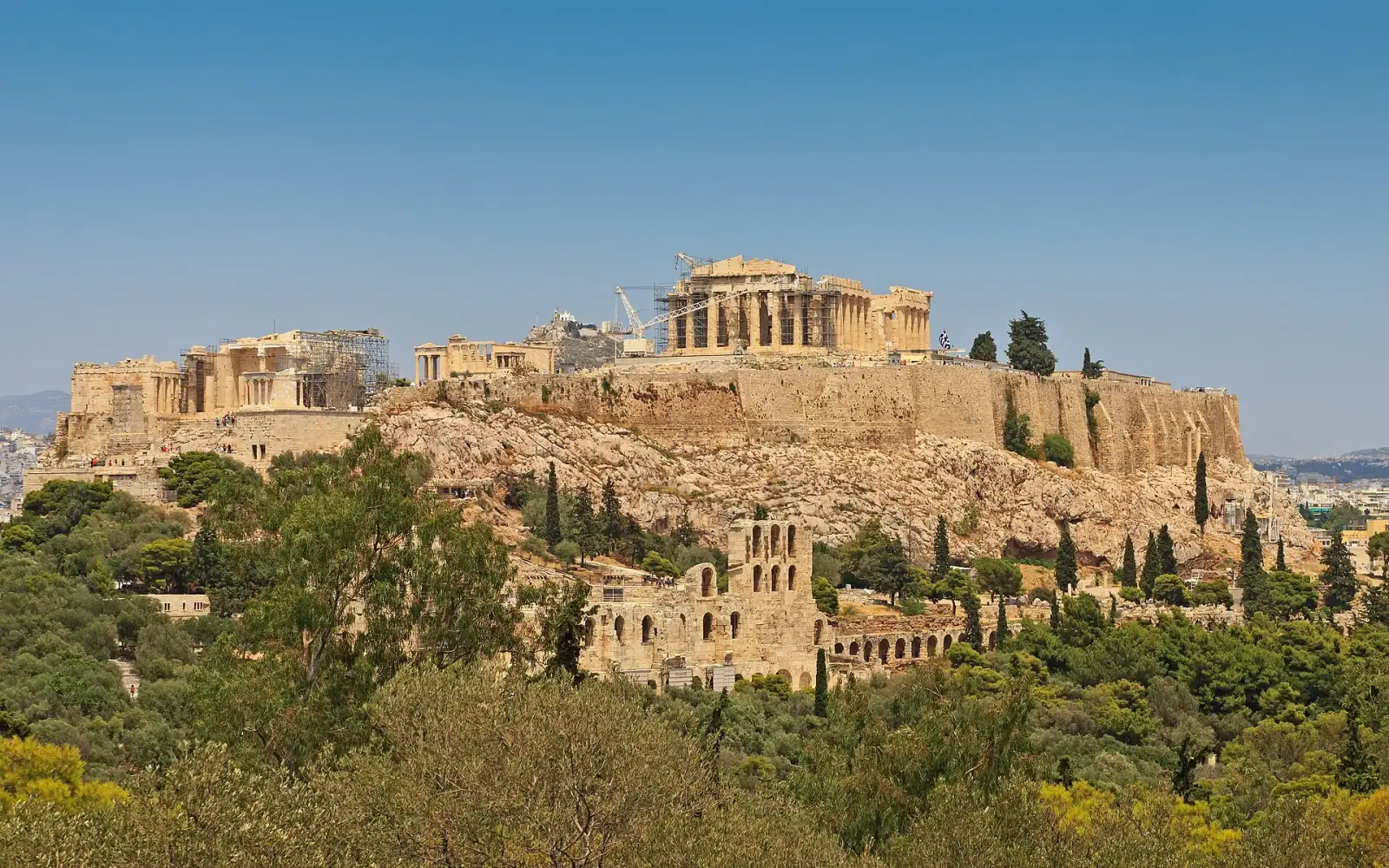
- Rich culture and history on your doorstep: the Acropolis, ancient markets, world-class museums
- Excellent food at every price point, from street souvlaki to Michelin-recommended tavernas
- Good metro and walkable core make day-to-day navigation easy
- Warm, sunny climate for most of the year outside peak summer
- Friendly, English-proficient population, especially among younger Athenians
- Digital nomad visa available for non-EU nationals who meet income requirements
- Summer heat is punishing and makes outdoor life unpleasant from mid-July through August
- WiFi in apartments can be inconsistent: short-term rentals often have weak broadband
- Coworking scene is growing but still limited compared to Lisbon or Barcelona
- Air pollution and noise are real in the city center, particularly during summer
- Bureaucracy can be slow if you need any official paperwork or banking as a foreigner
- Nomad community is smaller than in Lisbon, Tbilisi, or Chiang Mai
Who Athens Is Best For
Athens works especially well for remote workers who care about history, culture, and food, and who want a major European capital without major European prices. You get genuine urban life with excellent food and nightlife, walkable neighborhoods, and a sense that you are living somewhere with real depth. It suits people who are happy to invest in a decent coworking membership and treat their accommodation WiFi as backup only.
It is also a solid base for those who want to use it as a launchpad: flights to the islands, Turkey, the Balkans, and across Europe are cheap from Athens International Airport.
Athens is less suited to people who need a large, organized nomad community to feel at home, who struggle in extreme heat (if visiting in summer), or who want a settled long-term base without meeting the income threshold for the Digital Nomad Permit. It can also feel gritty and visually chaotic in parts of the center, which does not suit everyone.