Cost of Living in Oxford
Real market data
Source: Numbeo · August 2026
$3,420/moSolo nomad1-bed centre + living costs
$4,310/moCoupleshared 1-bed + costs
$2,830/moLean / localcheaper area + costs
- 1-bed rent, city centre$2,300£1,710
- 1-bed rent, outside centre$1,710£1,273
- Monthly costs excl. rent (1 person)$1,120£829
- Meal, inexpensive restaurant$25£19
- Monthly transit pass$110£82
- Buy price, per m² (centre)$8,110£6,027
Prices are from Numbeo (August 2026), converted to USD at $1 = £0.74 (01 Aug 2026). The monthly living-costs figure is our transparent one-person basket, groceries, a few meals out, utilities, phone, internet, transport and essentials, priced from those figures. Solo adds central rent; couple and lean are estimates from the same numbers.
Oxford is one of the most expensive places to live in the UK outside London, and housing is the reason. Rents are high and supply is very tight, squeezed by a large student and academic population and strict limits on new building. Expect to compete hard for anything decent. Figures below are rough monthly amounts in pounds with approximate US dollars (around 1.30 USD to the pound in mid-2026, so check the live rate).
- Rent, one-bed near the centre: roughly $1,950-2,250. A room in a shared house runs less, often $930-1,250.
- Rent, one-bed in a cheaper area: roughly $1,550-1,800 in areas like Cowley, Headington, or further out.
- Groceries: about $270-370 for one person, shopping at Tesco, Sainsbury's, Aldi, or Lidl.
- Eating out: a casual meal or pub lunch is around $19-25; a mid-range dinner for two with drinks is $73-110.
- Coworking hot desk: a monthly hot-desk membership is typically $200-330; day passes are usually $20-40.
- Local transport: a monthly bus pass is around $110-110, single rides about $4. Many residents simply cycle.
Realistically, a single nomad renting their own place should budget roughly $3,350-4,250 a month all in. Sharing a house and cycling everywhere brings that down toward $2,150-2,800. Short lets cost more, so a longer lease pays off.
Where to Work
For a small city, Oxford has a decent spread of flexible workspaces. The Quad in Summertown offers hot desks, meeting rooms, and day passes north of the centre. The Cluster provides monitored day desks with docking, monitors, and cables ready to go. Citibase Oxford sits just outside the centre with parking, and international operators like Regus and Spaces run serviced coworking floors too. Hot-desk memberships mostly land in the $200-330 range.
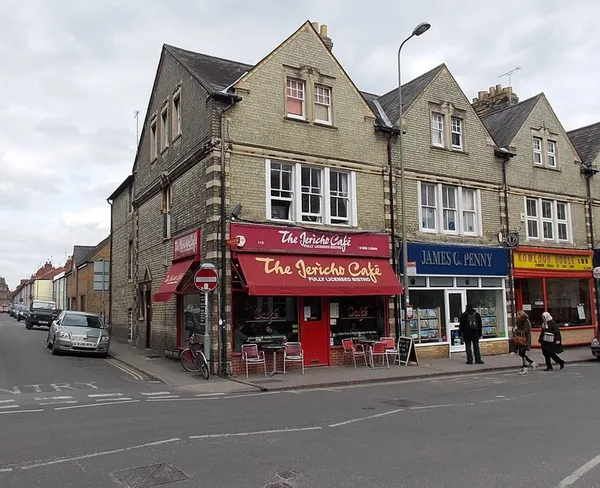
Cafe-work culture exists but is uneven. Independent cafes around Jericho, Cowley Road, and the covered market are pleasant for a couple of hours, though many stay busy and few suit laptop marathons, and during university terms seats fill fast. WiFi in cafes and coworking spaces is generally reliable and fast, and UK home broadband is solid. If your work needs guaranteed uptime and video calls, a coworking desk or a good home setup is the safer bet.
Getting Around
Oxford is compact, flat, and very walkable, and you can cross the historic centre on foot in about fifteen minutes. The centre is heavily restricted to cars, so driving is a hassle and parking is scarce and pricey. Cycling is the local default, with one of the highest cycle-commuting rates in Britain. Buses, run mainly by the Oxford Bus Company and Stagecoach, are frequent and cover the outer neighbourhoods and park-and-ride sites well.
Links to London are excellent, a big part of Oxford's appeal. Great Western Railway runs to London Paddington in about 55 to 75 minutes, and Chiltern Railways to London Marylebone roughly every half hour. The Oxford Tube and other coaches run to central London very frequently, day and night, and are cheap booked ahead. For flights, the National Express coach to Heathrow (LHR) takes around 60 to 90 minutes from about $35 one way (sometimes cheaper early), and Gatwick coaches run direct too.
Sorting transport? Book an airport transfer, or compare car rental on Auto Europe and QEEQ.
Visas and Staying Long-Term
The UK is not in the Schengen Area and has no dedicated digital nomad visa, so there is no purpose-built route for remote workers. Most visitors from countries like the US, Canada, Australia, and the EU enter as Standard Visitors, which allows stays of up to six months for tourism, visiting, or certain business activities. You cannot take UK employment on this basis, and staying continuously or repeatedly to effectively live here can draw scrutiny at the border.
Since 2025 the UK also requires an Electronic Travel Authorisation (ETA) for most visa-exempt visitors, including Americans, Canadians, Australians, and EU citizens. The ETA is a quick online application costing $27 as of April 2026, valid for two years and multiple trips of up to six months each. It is a travel authorisation, not a visa, and does not extend how long you can stay.
Best Time to Visit
Oxford has a mild, grey, changeable climate. Winters are cool, wet, and short on daylight rather than harshly cold, and rain can arrive in any season. The most pleasant stretch for remote work is late spring through early autumn, roughly May to September, when days are long, parks and riverside walks come alive, and cycling is a genuine pleasure. Summer is the driest and brightest window, though it also brings the most tourists.
For a balance of decent conditions and fewer crowds, late spring and early autumn are the sweet spots, sitting largely outside peak summer and the busiest term weeks. Whatever you choose, pack a waterproof and expect to work indoors on plenty of days.
Pros and Cons
Pros:
- Beautiful, historic, and genuinely walkable, with an outsized cultural and academic scene for its size.
- Excellent, frequent transport links to London and Heathrow, so a global hub is within easy reach.
- Strong cycling culture, flat terrain, and reliable fast internet.
- English-speaking, safe, and well served by cafes, libraries, and coworking for its size.
Cons:
- Very high cost of living, with rents among the steepest in the UK.
- Extremely tight housing market: finding a place is hard and competitive, and short lets are pricey.
- Small city that can feel limited if you stay a while; nightlife and scale are modest next to London.
- Crowded and busier during university terms and the tourist-heavy summer.
- No nomad visa, and the Standard Visitor route caps you at six months.
Who Oxford Is Best For
Oxford suits remote workers who value history, walkability, and a calm, intellectual atmosphere over big-city buzz, and who want easy access to London without living in it. It works well if you have a comfortable budget, plan to stay a few weeks or months, and can lock down housing early or arrange a room in a shared house. Academics, writers, and anyone drawn to libraries, museums, and green riverside surroundings will feel at home.
Skip Oxford if you are cost-sensitive, need cheap or flexible short-term housing, or want a large nomad community and lively nightlife: London or a cheaper European base will serve you better. It is also a poor fit if you need to stay beyond six months, since the UK offers no long-stay route for remote workers. For a scenic, well-connected base for a season, though, few small cities compete.