Cost of Living in Ipoh
Real market data
Source: Numbeo · August 2026
$700/moSolo nomad1-bed centre + living costs
$960/moCoupleshared 1-bed + costs
$570/moLean / localcheaper area + costs
- 1-bed rent, city centre$370RM1,500
- 1-bed rent, outside centre$240RM1,000
- Monthly costs excl. rent (1 person)$330RM1,343
- Meal, inexpensive restaurant$3RM14
Prices are from Numbeo (August 2026), converted to USD at $1 = RM4.09 (01 Aug 2026). The monthly living-costs figure is our transparent one-person basket, groceries, a few meals out, utilities, phone, internet, transport and essentials, priced from those figures. Solo adds central rent; couple and lean are estimates from the same numbers.
Ipoh is one of the most affordable cities in Southeast Asia for remote workers. A comfortable nomad budget runs roughly $700 per month, with a lean setup possible closer to $570.
- Rent, central (Old Town / New Town): about $370/month for a 1-bedroom apartment
- Rent, cheaper areas (Meru, Falim): about $240/month
- Groceries: $98-150/month shopping at wet markets and supermarkets
- Eating out: $2-3.50 per meal at kopitiams and hawker stalls; mid-range restaurants $10-15 for two
- Coworking hot desk: $9.50-61/month depending on space; day passes from $3.50-7.50
- Local transport (Grab + occasional taxi): $37-73/month
- Utilities + fast broadband: $86-98/month combined
Total realistic range: $570-700/month. You can eat exceptionally well for almost nothing here. White coffee and hor fun at iconic kopitiams cost under $2.50 a visit.
Where to Work
Ipoh has a small but functional set of coworking options. Dedicated spaces are limited compared to Kuala Lumpur or Penang, but what exists is reasonably priced and well-equipped.
Coworking Spaces
- Incubator4u (Jalan Sultan Iskandar, city center): The best-known option. Hot desks, dedicated desks, and private offices with fast WiFi, free drinks, and parking. No minimum contract.
- Coworking by WEIL (WEIL Hotel, Jalan Sultan Idris Shah): Hotel-based open co-work area with free WiFi, free coffee and snacks, and $0.73/day parking. $9.50/day or $93/month.
- WorkPoint Office Rentals (Jalan Tasek Timur): Flexible private offices and workstations, air-conditioned with high-speed WiFi, daily to 6-month terms.
- Hub Inovasi dan Multimedia (HiM) (Mydin Mall Meru Raya): Government-linked hub with desks from $1/hour; less central but extremely cheap.
Cafe Work Culture
Cafe culture is strong and laptop-friendly. Cold Blue Specialty Coffee (Old Town, Jalan Tun Sambanthan) has fast WiFi and a calm upper floor good for focused work. Shake and Bake on Jalan Raja Dr. Nazrin Shah is spacious with solid WiFi and free parking. Most cafes are tolerant of laptops during off-peak hours, though you should buy something every hour or two.
The Real WiFi Situation
At coworking spaces you will find fast fiber connections. Free public WiFi in parks or on the street is unreliable. Get a local SIM on the Maxis or Celcom network; a 10GB+ data plan runs around $9.50/month and 4G coverage is solid across the city.
Getting Around
Ipoh is not a walkable city in the traditional sense, but the Old Town and New Town districts are compact enough to explore on foot. Most practical daily movement requires a vehicle or Grab.
- Grab: The dominant and most reliable option. Rides within the city cost $1.50-5, and the app works well across all neighborhoods.
- Public buses (BAS.My / Perak Transit): Inexpensive at $0.24-0.73 per trip, but routes are limited, schedules are inconsistent, and the last buses run around 8pm. Usable for a few key corridors but not for daily work commutes.
- Renting a car or scooter: Highly recommended if you plan to stay a month or more. Having your own transport opens up the surrounding area (limestone caves, hot springs, hill retreats) and makes coworking spot changes easier.
- Airport (Sultan Azlan Shah Airport): Located about 5km from the city center. Grab from the airport to Old Town costs roughly $3.50-4.50. There is a public bus (T37, $0.73) but it takes around an hour. There are no direct international flights; you will connect through Kuala Lumpur or Penang.
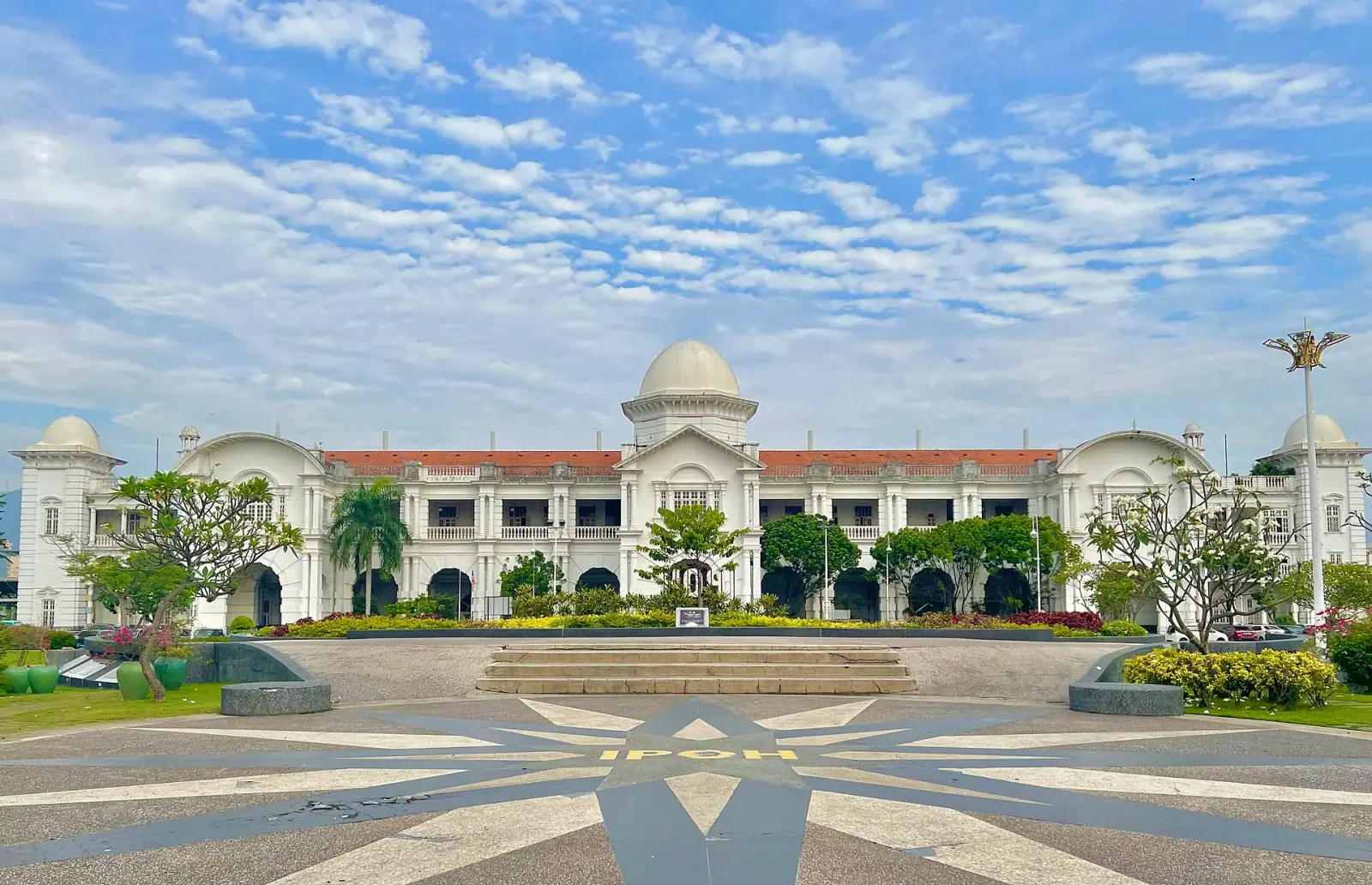
- ETS Train to/from KL and Penang: Fast and comfortable. The Ipoh train station is central. KL Sentral to Ipoh takes about 2 hours (from $8.50 one-way); Penang to Ipoh is around 1 hour 30 minutes.
Sorting transport? Book an airport transfer, or compare car rental on Auto Europe and QEEQ.
Visas and Staying Long-Term
Malaysia is straightforward for most Western passport holders on short visits.
- Visa-free entry: Citizens of the US, UK, EU, Australia, Canada, and New Zealand get 90 days visa-free on arrival (some nationalities get 30 days).
- Extensions: The Immigration Department extends a social visit pass only on special grounds such as illness, an accident or war at home, and wants evidence plus a confirmed onward ticket. Border runs to Thailand (a few hours north by bus) are used by some nomads, but this is a grey area.
- DE Rantau Nomad Pass: Malaysia's official digital nomad visa allows stays of up to 12 months with multiple re-entries. Requirements: minimum annual income of $24,000 (tech roles) or $60,000 (non-tech roles). Application fee is $240. Processing takes 6-16 weeks. This is the legitimate path for a longer stay.
Best Time to Visit
Ipoh has a tropical rainforest climate: hot and humid year-round, with temperatures between 25-33°C (77-91°F). There is no cold season.
The driest and most comfortable window for remote work is January and February, with a shorter lull in June and July. Rainfall is lower, temperatures are slightly less intense, and the air tends to be clearer. January and February are the sweet spot: still warm enough for outdoor exploration, fewer heavy downpours interrupting your commute to a cafe, and generally lower humidity.
The wettest months are October and November, with November the peak. Heavy afternoon rain is common from April through December but is usually short-lived. More importantly, between June and October Ipoh can be affected by transboundary haze from forest fires in Sumatra, which pushes air quality into unhealthy ranges on some days. If clean air matters to you, plan around this window or pack an N95 for bad days.
March and April see a modest uptick in visitors (school holidays, Chinese New Year crowds in February) but Ipoh remains far less crowded than Penang or KL throughout the year.
Pros and Cons
Pros
- Extremely affordable: one of the cheapest places to live comfortably in Southeast Asia
- Outstanding food scene, particularly Chinese Malaysian cuisine, white coffee, and street hawker stalls
- Low crime rate relative to other Malaysian cities; generally feels safe walking around
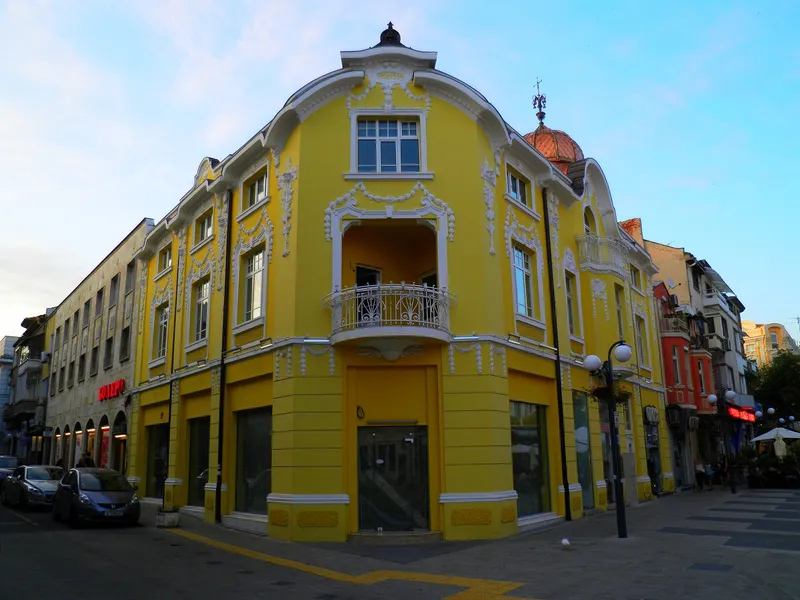
- Compact Old Town and New Town areas are pleasant on foot, with genuine heritage architecture and street art
- Stunning natural surroundings: limestone karst hills, caves, hot springs, and jungle within 30 minutes
- English widely understood in shops, cafes, and service contexts
- Less crowded and less noisy than Penang or KL; slower, calmer pace of life
- ETS train gives quick access to both KL (2 hours) and Penang (1.5 hours)
Cons
- Coworking infrastructure is thin; serious nomads will exhaust options quickly
- Cafe WiFi is variable and public hotspots are unreliable
- Nightlife is minimal: a handful of bars, no club scene to speak of
- Nomad community is small and not well-organized; meetups and networking are rare
- LGBTQ+ travelers face a less welcoming environment than in Western cities; same-sex relationships are not legally recognized
- Haze season (June to October) can push air quality into unhealthy ranges for days at a time
- Public transport is limited; you need Grab or your own vehicle for practical daily movement
- No international flights from the local airport; you transit through KL or Penang
Who Ipoh Is Best For
Ipoh suits nomads who prioritize low cost, genuine cultural immersion, and a slower pace over connectivity and community size. If your work is async, your internet needs are modest (or you will base yourself at a coworking space), and you appreciate good food, colonial architecture, and easy access to nature, Ipoh rewards you generously. It works particularly well as a 1-3 month base for solo workers or couples who find KL and Penang too hectic or too expensive.
Retirees and long-stay expats already make up a meaningful part of the foreign population here, which means basic services and English-language support are accessible even if the tech nomad infrastructure is thin.
Skip Ipoh if you need a large co-working ecosystem, regular English-language networking events, a vibrant bar scene, or a large international nomad community to plug into immediately. It is also a harder choice if haze or heat are significant concerns for your health or productivity. Penang, with more coworking options and a slightly larger nomad scene, is a natural alternative within easy train reach.