Cost of Living in Kuching
Real market data
Source: Numbeo · August 2026
$690/moSolo nomad1-bed centre + living costs
$960/moCoupleshared 1-bed + costs
$570/moLean / localcheaper area + costs
- 1-bed rent, city centre$360RM1,488
- 1-bed rent, outside centre$240RM984
- Monthly costs excl. rent (1 person)$330RM1,349
- Meal, inexpensive restaurant$3RM14
- Monthly transit pass$12RM50
- Buy price, per m² (centre)$2,050RM8,395
Prices are from Numbeo (August 2026), converted to USD at $1 = RM4.09 (01 Aug 2026). The monthly living-costs figure is our transparent one-person basket, groceries, a few meals out, utilities, phone, internet, transport and essentials, priced from those figures. Solo adds central rent; couple and lean are estimates from the same numbers.
Kuching is one of the most affordable city bases in Southeast Asia, cheaper than Kuala Lumpur and noticeably cheaper than Kota Kinabalu across the water. A single remote worker who cooks sometimes and eats local can live comfortably here. Local costs are set in Malaysian ringgit; the figures below are in US dollars.
Here is a realistic monthly breakdown for one person:
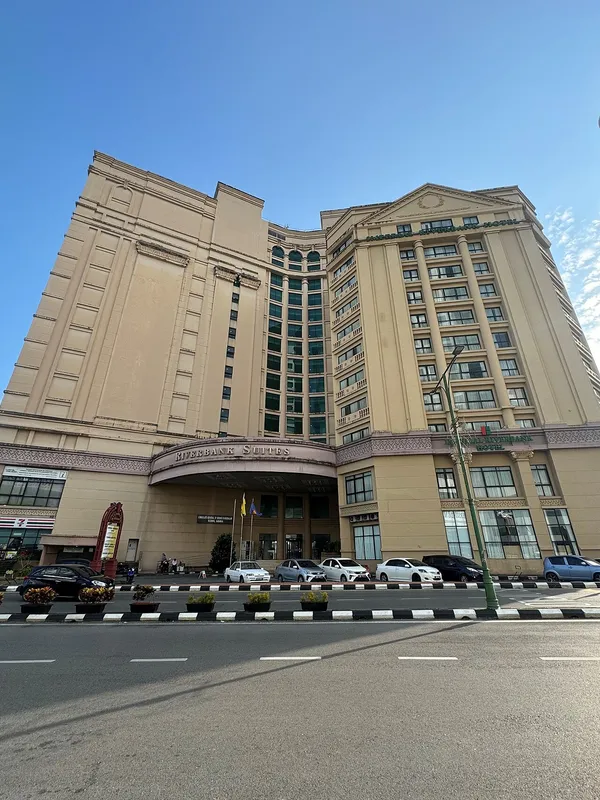
- Rent, central furnished apartment: $490 to $730. Serviced apartments in central blocks like Kozi Square land around $550.
- Rent, cheaper or suburban area: $290 to $440 for a plain one-bedroom a little further out.
- Groceries: $170 to $240 if you cook regularly.
- Eating out: Very cheap. A bowl of Sarawak laksa runs $1.50-2, kolo mee $0.73-1.50, and a full hawker meal often stays under $3. Budget $150-220 a month if you eat out most days.
- Coworking hot desk: Day passes start near $2.50, and monthly memberships typically run $49-98.
- Local transport: $73-120 on Grab, or $150-200 for a monthly motorbike rental if you prefer to ride.
All in, most nomads spend roughly $860 to $1,450 a month, with the low end very achievable. The main variable is rent, since long stays are cheaper than short-term Airbnb bookings.
Where to Work
The coworking scene is small but functional. iCube Innovation is one of the longest-running spaces and welcomes nomads at day rates around $2.50, cheaper for longer commitments. Saradise Innovation Space, in the newer Saradise development, offers weekday desks (roughly 9am to 5pm) surrounded by cafes and business units. The Hashtags Coworking at TT3 is another option on the newer side of town.
Expect calm here rather than a scene to plug into: these spaces are often quiet and are not the buzzing nomad hubs you find in Chiang Mai or Bali. You come here to focus, not to network. Cafe-work culture exists, with plenty of kopitiams and modern coffee shops happy to let you sit for a few hours, though not all have strong WiFi or many power outlets.
On connectivity, home fiber from Unifi is the reliable choice in Kuching (TIME does not cover the city), and it generally delivers close to advertised speeds. Mobile data can feel sluggish depending on provider and location, so if you take video calls, prioritize an apartment or coworking space with solid fiber rather than relying on your SIM.
Getting Around
Grab is the default way to move around Kuching, and it is cheap: most trips across town cost under a dollar. Public buses exist but are limited and infrequent, so locals and nomads lean on ride-hailing or their own scooter. If you want freedom to reach nature spots on your own schedule, a monthly motorbike rental ($150-200) is worth it.
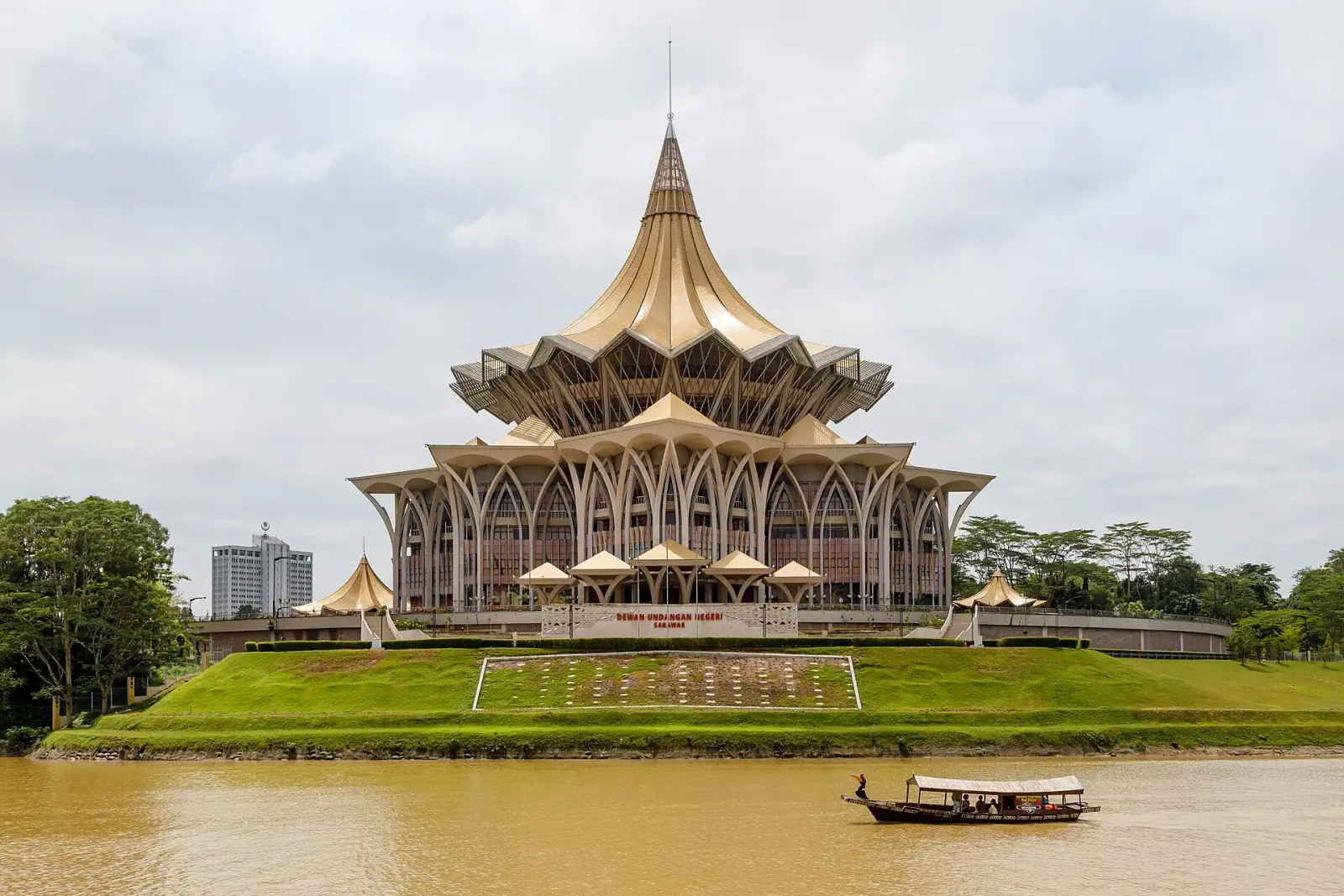
The city center is compact and the Sarawak River waterfront is genuinely walkable, with an esplanade that is pleasant in the cooler morning and evening hours. Kuching International Airport (KCH) sits about 11km from the center, roughly a 20-minute drive. A Grab runs around $6.50-7.50, and the airport also has a fixed-fare coupon taxi counter for a similar price. Kuching is also your gateway to Borneo: Bako National Park and the Semenggoh orangutan reserve are easy day trips.
Sorting transport? Book an airport transfer, or compare car rental on Auto Europe and QEEQ.
Visas and Staying Long-Term
Many passport holders, including citizens of the US, UK, EU, Australia, and Canada, can enter Malaysia visa-free for up to 90 days for tourism. That alone covers a long stay without paperwork.
Malaysia also runs the DE Rantau Nomad Pass, its digital nomad visa, which grants an initial stay of up to 12 months with renewal options. Note one important catch for Kuching: the DE Rantau pass covers Peninsular Malaysia and Labuan only and does not apply to Sarawak or Sabah. In practice, most nomads in Kuching simply use the 90-day visa-free entry.
Sarawak matters for another reason. It runs its own immigration and issues a separate entry stamp, even when you arrive from elsewhere in Malaysia. If Kuching is your first port of entry into the country, you get the full visa-free period. If you fly in from Peninsular Malaysia, the Sarawak stamp only covers the remaining days of your original entry. Keep that stamp or slip safe, since you need it to leave.
Best Time to Visit
Kuching is hot and humid all year, with temperatures usually between 24C and 32C and high humidity you will feel on every walk. There are no cold months, only wetter and drier ones.
The northeast monsoon runs roughly November to February and brings the heaviest rain, with January the wettest month by a wide margin. Downpours are often short but intense, and jungle trails turn muddy. The drier and more comfortable window is around June to September, which is also the best stretch for working days that flow into weekend trips into Borneo's national parks. This period lines up with the city's festival season, including the Rainforest World Music Festival. If you plan to combine remote work with wildlife and hiking, aim for these months.
Pros and Cons
- Pro: Very low cost of living, with cheap rent and some of the best-value food in Malaysia.
- Pro: Relaxed, safe, easygoing pace with a walkable riverfront.
- Pro: Unbeatable gateway to Borneo nature, from orangutans to national parks, on easy day trips.
- Pro: Reliable home fiber internet and cheap Grab rides.
- Con: Small nomad scene, so coworking spaces are quiet and it can feel isolating if you travel solo.
- Con: Limited public transit means you depend on Grab or your own scooter.
- Con: Constant heat and humidity, plus a genuinely wet monsoon from November to February.
- Con: Quieter nightlife and less variety than a big Asian hub.
Who Kuching Is Best For
Kuching suits focused remote workers who want a cheap, calm, low-stimulation base and easy access to nature. If you are a nature lover, a solo traveler comfortable with your own company, or anyone happy to trade a big social scene for lower costs and a slower rhythm, you will likely enjoy it. It also works well as a shorter stop built around exploring Sarawak.
Skip it if you need a large, active nomad community, nightlife and constant variety, or reliable public transport. Nomads who thrive on the density of Bangkok or Bali may find Kuching too quiet for a long stay.