Cost of Living in Langkawi
Where this figure comes from. No cost survey covers Langkawi, so the $780 a month above is our own estimate rather than a measurement. On 416 of our 999 city guides the figure is built from a published Numbeo basket, a one-bedroom rent in the centre plus one person's monthly costs without rent, converted to USD; this city is not one of them. How we source everything.
Langkawi is one of Southeast Asia's more affordable island destinations, though costs vary significantly depending on your lifestyle. As a duty-free zone, alcohol and imported goods are cheaper here than on the Malaysian mainland.
Monthly rent for a one-bedroom apartment in Pantai Cenang or the tourist strip runs roughly $270-440. In quieter residential areas like Padang Mat Sirat or further inland, you can find similar units for $145-245. Furnished short-term rentals on Airbnb run higher, typically $500-900 per month for a studio.
Groceries from local markets and the Giant hypermarket in Kuah cost around $98-145 per month if you cook regularly. Eating out at local Malay or Chinese hawker stalls runs $1.50-3.50 per meal. A sit-down restaurant meal costs $6-15. A coworking hot desk runs approximately $10-12 per day, or $120-195 per month on a membership. Scooter rental costs $7.50-12 per day, or roughly $145-220 monthly if you rent long-term.
- Rent (central/Pantai Cenang area): $270-440
- Rent (inland/quieter areas): $145-245
- Groceries: $98-145
- Eating out (mix of local and mid-range): $120-220
- Coworking hot desk (monthly): $120-195
- Transport (scooter rental): $145-220
- Total realistic range: $785-1,220 per month
Budget nomads working from cafes and eating local food can stretch closer to USD 650-750 per month. A comfortable lifestyle with coworking and occasional restaurant meals lands around USD 900-1,100.
Where to Work
Langkawi has a small but functional remote work scene. Dedicated coworking options are limited compared to nomad hubs like Chiang Mai or Bali, but what exists is solid.
Jetpack Langkawi in Pantai Cenang is the island's original coworking space, open since 2017. It offers fast cable and WiFi connections, proper office chairs, complimentary drinks, and 24/7 access for monthly members. It seats around six people, so it can fill up. Day passes start at $10. Kuah CoWorking Office in Kuah town is a practical alternative in the main commercial area, open seven days a week 9am-8pm, with private offices and meeting rooms available.
Cafe work culture is growing but still thin. Most tourist-facing cafes have WiFi that works for browsing but struggles with video calls. A handful of specialty cafes, including Pause Cafe in Kuah and Howdy Cafe, have faster and more stable connections. Many cafes do not have enough power outlets for sustained laptop work, and outdoor seating, while attractive, often has dead zones. For reliable uptime on important calls or deliverables, use a coworking space rather than a cafe.
Home fiber internet from TIME or Unifi is fast and affordable ($22-32 per month) but requires a 12-month contract, so most short-stay nomads depend on coworking or mobile data. Celcom and Digi offer solid 4G coverage across the main tourist areas; coverage thins out in the interior and northern coast.
Getting Around
Langkawi is not walkable beyond the Pantai Cenang strip and Kuah town center. The island is about 47 km across and attractions are spread out, so you need your own transport for anything beyond your immediate neighborhood.
A scooter is the most practical and popular choice for nomads. Rental shops are concentrated around Pantai Cenang and charge $7.50-12 per day. Legally you need a motorcycle endorsement on your license plus an International Driving Permit, though enforcement is inconsistent. A rental car gives more comfort and range ($20-37 per day) and is the better option during monsoon season.
Grab (the regional rideshare app) exists on Langkawi but driver availability is limited and inconsistent. Taxis use zone-based flat fares rather than meters; a ride from the Kuah ferry terminal to Pantai Cenang costs around $6. Taxis are most reliably found near Kuah Jetty and Langkawi International Airport.
The airport is located between Kuah and Pantai Cenang, roughly 15-20 minutes from the beach strip by taxi ($5-6). Ferries from Kuala Perlis and Penang dock at Kuah Jetty. There is no public bus system worth relying on.
Sorting transport? Book an airport transfer, or compare car rental on Auto Europe and QEEQ.
Visas and Staying Long-Term
Most Western passport holders (UK, EU, US, Canada, Australia) enter Malaysia visa-free for 90 days on arrival. Some nationalities receive 30 days. Indian nationals currently receive 30 days visa-free under an extended waiver running through December 2026. Chinese nationals receive 30 days under a mutual agreement in place since July 2025.
Malaysia generally does not allow in-country tourist visa extensions. To reset your stay you need to exit the country and re-enter, though immigration officers have discretion on repeat short entries and may question your intentions if you do this frequently.
Malaysia's DE Rantau Nomad Pass is the official digital nomad visa. It allows stays of 3-12 months (renewable for another 12 months). Tech professionals need a minimum annual income of $24,000; non-tech roles require $60,000. You must earn from a foreign employer or clients, not a Malaysian company. The application fee is $245 and processing takes four to eight weeks. This is the cleanest long-term legal option if you plan to base yourself in Malaysia for six months or more.
Best Time to Visit
Langkawi's dry season runs roughly November through March, and this is the best window for remote work. Skies are mostly clear, temperatures sit around 28-32 degrees Celsius, and humidity is lower. December through February is peak season with the most sunshine and the most tourists, which pushes accommodation prices up.
The shoulder months of November and March offer a good balance: reasonable weather, fewer crowds, and cheaper rates. April marks the transition into the wet season.
The monsoon runs from late April through October, with September and October being the wettest months. Rains typically arrive as heavy afternoon downpours lasting two to three hours rather than all-day grey. You can still work productively during the wet season, and rates drop considerably. However, some beach bars and tour operators reduce hours or close, seas can be rough, and power outages are more frequent. August through October carries the most risk for disruption and is the period to avoid if uninterrupted work is a priority.
For the best combination of weather, rates, and a functioning local scene, November and December to February are your optimal months.
Pros and Cons
- Duty-free island: alcohol, electronics, and imported goods are significantly cheaper than the mainland
- Excellent value: one of the most affordable island bases in Southeast Asia
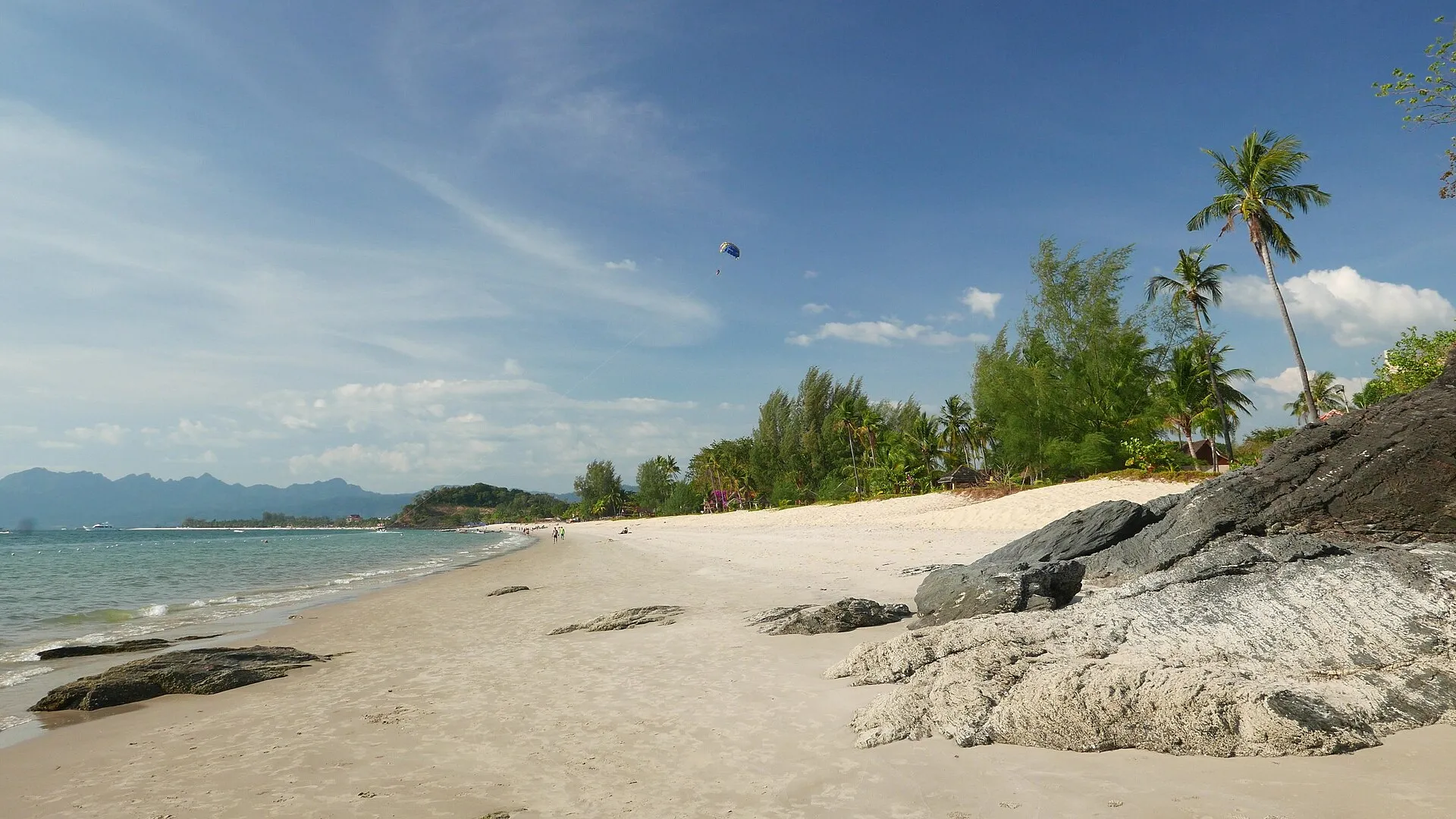
- Beautiful natural environment: mangroves, rainforest, beaches, and UNESCO Geopark status
- Very safe: low crime, tourist police presence, and relaxed atmosphere
- English widely spoken: minimal language barrier in restaurants, shops, and coworking spaces
- Good flight connections: AirAsia hub with direct routes to KL, Penang, Singapore, and Bangkok
- Tiny nomad community: very few established coworking spaces and almost no nomad meetup scene
- Transport dependency: you need a scooter or car for almost everything; no reliable public transit
- Limited coworking capacity: Jetpack seats only a handful of people and can fill up
- Monsoon season is real: August through October brings power cuts and rough seas
- Can feel isolated: it is a small island with limited social variety outside the tourist strip
- Visa run required for extended stays: no in-country extension; need to leave to reset a tourist stamp
Who Langkawi Is Best For
Langkawi suits nomads who want a genuinely peaceful island base without paying Bali or Phuket prices. If your work is largely asynchronous, you have a reliable internet setup sorted (either coworking or home fiber), and you value nature, low crime, and duty-free affordability, Langkawi delivers well. Couples and solo travelers who want a quiet month or two in a tropical setting with easy access to the rest of Southeast Asia will find it comfortable.
It is also a strong pick for anyone already in Malaysia on a DE Rantau pass or planning to apply for one, since the island functions as a legal, affordable long-stay base within the country.
Skip Langkawi if you depend on a dense nomad community and regular in-person networking, need multiple reliable coworking options or consistent cafe work culture, or want a buzzy urban environment with nightlife beyond a handful of beach bars. It is also a poor fit if you are doing high-bandwidth work and cannot commit to a coworking membership, or if you are traveling during the September to October wet season without flexibility to work through outages.