Cost of Living in Penang
Real market data
Source: Numbeo · August 2026
$740/moSolo nomad1-bed centre + living costs
$1,010/moCoupleshared 1-bed + costs
$570/moLean / localcheaper area + costs
- 1-bed rent, city centre$400RM1,648
- 1-bed rent, outside centre$230RM939
- Monthly costs excl. rent (1 person)$340RM1,386
- Meal, inexpensive restaurant$4RM15
- Monthly transit pass$12RM50
- Buy price, per m² (centre)$2,240RM9,133
Prices are from Numbeo (August 2026), converted to USD at $1 = RM4.09 (01 Aug 2026). The monthly living-costs figure is our transparent one-person basket, groceries, a few meals out, utilities, phone, internet, transport and essentials, priced from those figures. Solo adds central rent; couple and lean are estimates from the same numbers.
Penang is one of Southeast Asia's most affordable cities for remote workers, and the cost advantage is real. A comfortable nomad setup runs roughly $855-1,350/month, depending on where you live and how often you eat out.
- Rent, central George Town: $365-685 for a furnished one-bedroom condo
- Rent, outer areas (Tanjung Tokong, Batu Ferringhi): $220-365 for something comparable
- Groceries: $98-170 per month if you cook regularly
- Eating out: $1-3 for hawker stalls; $6-15 at sit-down restaurants
- Coworking hot-desk: $86-120/month, or $6-12/day
- Local transport (Grab, bus): $37-73 per month depending on how often you leave George Town
- Mobile data (10GB+): $8.50-12
Your total comfortable range lands at $855-1,350/month. Budget travelers eating hawker food daily and renting outside the heritage core can get by on less than USD 700. Lifestyle creep from restaurants and weekend trips can push past USD 1,500 easily.
Where to Work
George Town has a handful of legitimate coworking spaces and a growing cafe-work culture, though WiFi reliability is the city's weakest point for nomads.
Common Ground in Pulau Tikus is the most polished option: 18,000 sq ft across the second floor of Moulmein Rise Shoppes, with stable fiber, private offices, and an in-house cafe. Hot desks run $120/month. Hundred Years on Muntri Street occupies a restored pre-war shophouse in the UNESCO heritage zone and suits people who want atmosphere with their broadband. Masco near Prangin Mall is the largest operator in Penang by floor space and the most reliably corporate in feel.
For cafe work, Secawan 'n' Such has a dedicated coworking room with faster WiFi than the main floor. Twelve Cups is bright, has adequate power sockets, and is popular enough to fill up by midmorning. Macallum Connoisseurs, a converted warehouse near the waterfront, has space and atmosphere but inconsistent connection speed.
The honest WiFi situation: public WiFi in cafes is often slow. Coworking spaces are generally reliable. The practical solution most nomads land on is a local SIM (Hotlink or Digi, around $8.50-12/month) used as a hotspot, which gives a consistent 4G connection. Video calls over cafe WiFi are a gamble; over a local SIM they work fine.
Getting Around
George Town's historic core is walkable. The UNESCO heritage streets are compact enough that most restaurants, cafes, and coworking spaces within the inner city are on foot or a short bicycle ride from each other. The city runs a free CAT (Central Area Transit) shuttle bus that loops the heritage zone and is genuinely useful for getting across town without a vehicle.
Beyond George Town, Grab is the standard mode of transport. A typical trip within the city runs $2-5. Public buses (Rapid Penang) cover the island and connect the main districts, but routes are infrequent and the network takes some learning. Most nomads staying longer than a month rent a motorbike (around $73-98/month) to escape traffic and reach beaches or hill towns easily.
Penang International Airport (PEN) sits about 17 km south of George Town in Bayan Lepas. A Grab to the city center takes 25-40 minutes and costs $7.50-12. Public buses (routes 401 and 401E) serve the route for about $0.50 but take around an hour with traffic. There is no rail connection between the airport and city.
Sorting transport? Book an airport transfer, or compare car rental on Auto Europe and QEEQ.
Visas and Staying Long-Term
Malaysia is generous with visa-free entry. US, UK, EU, Canadian, and Australian passport holders all receive 90 days on arrival with no prior application needed. You must complete the Malaysian Digital Arrival Card (MDAC) online before you fly.
For longer stays, Malaysia's DE Rantau Nomad Pass is a dedicated digital nomad visa valid for 12 months, renewable for a further 12. It requires proof of remote employment or freelance income of at least $24,000/year, health insurance, and an online application fee of approximately $245. The eligibility was broadened in 2024 to include founders, managers, writers, and legal professionals, not just tech workers.
Malaysia extends a tourist entry only on special grounds such as illness or an accident, so a longer stay means leaving the country or holding a different pass.
Best Time to Visit
Penang is a tropical island and stays warm and humid year-round, between 24-33°C (75-91°F). The meaningful variable is rain.
December through March is the driest stretch and the most comfortable for outdoor life and sightseeing. Skies are clearer, afternoon downpours are less frequent, and humidity is slightly lower. This is peak season and prices for accommodation reflect it.
April through September brings more rain but also fewer tourists. Showers are typically short and afternoon-only, so mornings stay productive. For remote work purposes, any month works adequately; the rain does not seriously affect coworking or daily routine.
October and November see the heaviest rainfall and occasional flooding in low-lying parts of George Town. It is manageable but not the best introduction to the city.
For a nomad specifically, the January-March window hits the sweet spot of pleasant weather, active social scene, and Penang's major festivals (Chinese New Year typically falls here).
Pros and Cons
- Exceptional food culture at low prices, from Michelin-recognized hawker stalls to Peranakan restaurants
- 90 days visa-free for most Western passports, with a proper nomad visa available
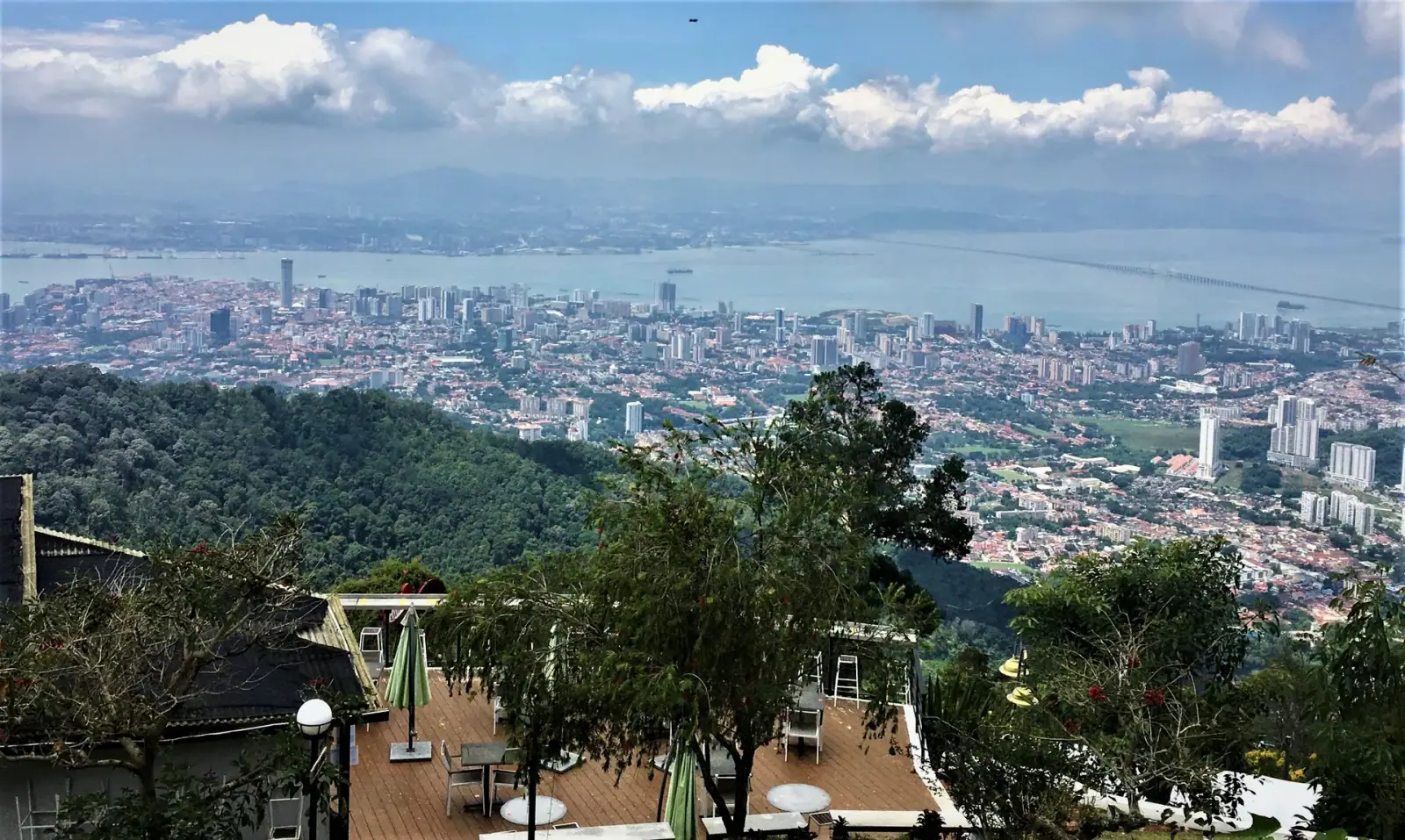
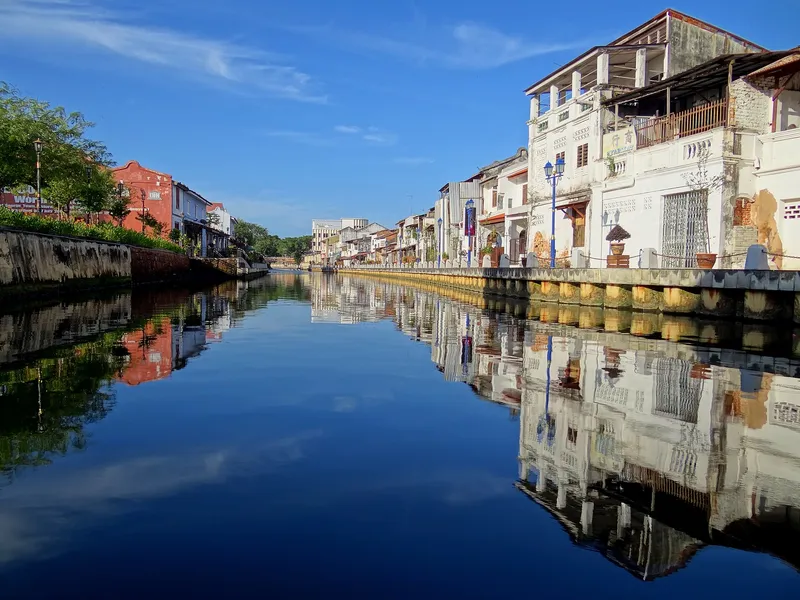
- UNESCO heritage streetscape makes George Town one of the most atmospheric cities in Southeast Asia
- Very affordable compared to Thailand's nomad hubs, with a stronger sense of local identity
- English is widely spoken in most business and service contexts
- Safe, with low violent crime and well-established expat infrastructure
- Cafe WiFi is unreliable and often too slow for video calls without a SIM backup plan
- Coworking scene is small relative to comparable nomad hubs; options thin out fast
- High humidity year-round is relentless and not for everyone
- Limited public transport outside George Town means you need Grab or a motorbike for anything beyond walking distance
- Nightlife is limited compared to Bangkok or Kuala Lumpur; the city quiets down early by regional standards
- Airport connection has no rail link; getting in and out requires a taxi or slow bus
Who Penang Is Best For
Penang rewards nomads who want to stay somewhere, not just pass through. The city has a real rhythm: morning coffee at a kopitiam, focused coworking hours, street food evenings, weekend trips to hill stations or north coast beaches. If that appeals to you and you are willing to sort out a SIM card for reliable connectivity, Penang is excellent value with a quality of life that few cities at this price point match.
It suits people who care about food culture, architecture, and a slower pace. Long-term expats, solo nomads looking for a laid-back base in Southeast Asia, and anyone already on the Malaysia visa pathway will find it easy to settle into.
Skip Penang if you need a large, active coworking community with daily events and structured networking. Skip it if unreliable cafe WiFi will frustrate you. Skip it if you want a beach-focused lifestyle, since George Town is a city, not a beach town, and the nearby beaches are modest by regional standards. Kuala Lumpur is four hours away by bus or one hour by air and suits nomads who want a bigger, faster-paced city with more coworking infrastructure.