Cost of Living in Miri
Where this figure comes from. No cost survey covers Miri, so the $800 a month above is our own estimate rather than a measurement. On 416 of our 999 city guides the figure is built from a published Numbeo basket, a one-bedroom rent in the centre plus one person's monthly costs without rent, converted to USD; this city is not one of them. How we source everything.
Budget around $800 a month, which is moderate for Malaysia and low by any international measure. A one-bedroom runs roughly $250 to $450, with the newer condominiums near the marina at the top. Hawker food is exceptional value and Miri's mix of Malay, Chinese, Iban and Indian cooking means the range at a few dollars a meal is genuinely wide. Groceries are reasonable and the supermarkets carry a good deal of imported stock because of the oil industry. Utilities are cheap and subsidised fuel makes driving inexpensive. The ringgit's weakness in recent years has made Malaysia noticeably cheaper for foreign earners. Condominium rents usually include a pool and a gym, which is standard rather than premium in Malaysia and changes what the figure buys compared with Europe. Expect two months' deposit plus a utilities deposit and a stamped tenancy agreement. Private healthcare is inexpensive and good, and the hospitals here serve a catchment reaching into Brunei, where costs are higher. A car is the main discretionary purchase, and second-hand prices in Malaysia are high because of the duty structure, so many longer-stay foreigners rent rather than buy one.
Where to Work in Miri
Connectivity is good. Fibre from TM Unifi and Maxis reaches most of Miri at decent speeds and prices, and mobile coverage is comprehensive across the city, which is a real difference from most of Sarawak. Power is reliable. There is a small coworking presence and a number of cafes set up for it. The time zone is eight hours ahead of GMT, which is Malaysia's single national zone and gives a workable overlap with Australia and an early morning with Europe. Miri's oil and gas sector means the city has better business infrastructure than its size would otherwise support. The oil economy also explains the English. The city grew around Shell's first Malaysian well and the sector has run in English ever since, which makes professional dealings noticeably easier than the size of the place suggests. Regional haze from agricultural burning can affect air quality for stretches of the drier months, and an air purifier is a reasonable precaution. And the working day starts early while the heat peaks in the afternoon, so most people front-load anything demanding.
Getting Around Miri
A car or a motorbike is the practical answer: Miri is spread out along the coast and the public bus service is limited, though Grab works and is cheap. The city centre and the waterfront are walkable. Miri Airport is the busiest in northern Sarawak, with flights to Kuala Lumpur, Kota Kinabalu, Kuching and, crucially, the small aircraft to Mulu, which is how almost everyone reaches the caves. Buses run north to Brunei in about four hours and south down the coast. The road to Bario in the Kelabit Highlands exists and is a serious undertaking. The Mulu flight deserves planning rather than assumption. The aircraft is small, the baggage allowance is strict and enforced, and seats sell out well ahead in the dry months, so it is the first thing to book rather than the last. Going north, the road to Brunei involves two border crossings in quick succession because of the way the sultanate is divided, which surprises people expecting one. An international driving permit covers a visitor for a rental car.
Sorting transport? Book an airport transfer, or compare car rental on Auto Europe and QEEQ.
Visas for Miri
Malaysia grants ninety days visa-free on arrival to most Western nationalities, and Sarawak operates its own immigration control, which means a separate entry stamp when you fly in from peninsular Malaysia and a limit that Sarawak sets rather than the federal government. Malaysia's DE Rantau Nomad Pass is no help here: MDEC limits it to Peninsular Malaysia and Labuan, and holders enter Sarawak on an ordinary visitor pass like everyone else. Extensions in Sarawak are handled by the state immigration department. Overland entry from Brunei is straightforward. The Brunei border is close enough that a short crossing and return is a common way to reset the clock, though anybody doing it repeatedly should expect questions at the counter rather than a formality. Sarawak commonly grants thirty days to visitors rather than the ninety the federal rules imply, and the length is at the officer's discretion, so look at the stamp before leaving the desk rather than discovering the difference a month later. Anyone set on a year in Malaysia under that pass has to base themselves on the peninsula or in Labuan, which makes Miri a place for a planned month or two rather than a long legal stay.
Best Time to Visit Miri
March to September is the drier half and the practical window, with temperatures around thirty two degrees and high humidity throughout the year. The northeast monsoon from November to February brings heavier rain and rough seas, which affects diving on the Miri-Sibuti reefs and can close the small aircraft to Mulu. Mulu itself is wet in every month, since it sits in rainforest, and the caves are visitable year round. The bat exodus from Deer Cave happens most evenings when it is not raining, which is the qualification everyone forgets to mention. Gawai Dayak at the start of June is Sarawak's harvest festival and effectively closes the state for several days, with longhouse celebrations that a visitor invited to one should accept. Borneo Jazz, held in the city since the mid-2000s, is its own event and its main claim on the wider region. For anyone planning around the caves, the drier months are also when haze is most likely, which is the trade the calendar offers.
Pros and Cons of Miri
Miri is a comfortable, well-serviced small city with genuinely good food, low costs and reliable internet, sitting an hour's flight from Gunung Mulu National Park, a UNESCO site with the largest cave chamber in the world and a nightly exodus of millions of bats at dusk. The Niah Caves with their forty thousand year old human remains are two hours south. Miri itself is a functional oil town rather than an attractive one, its beaches are genuinely unremarkable, and there is very little left to do in the city once the food has been worked through, which takes about a week of steady eating. The city is very safe and unusually relaxed, including at night, which is not universally true of oil towns. And the position is genuinely useful, with Brunei an hour and a half north and Kota Kinabalu a short flight away, so it works as a hinge rather than a dead end. The countervailing fact is the logging and palm oil that have reshaped much of Sarawak's interior, which is plainly visible from the air on the way to Mulu.
Who Miri Is For
Cavers, divers and anyone using the town as the base for Mulu, Niah and the Kelabit Highlands, which is the honest reason to be here. It suits remote workers who want Malaysian costs and infrastructure away from the crowds of Penang and Kuala Lumpur, for as long as the visitor stamp Sarawak hands out allows, since the DE Rantau pass does not reach Borneo's Malaysian states. It suits English speakers, since Sarawak is comfortably anglophone. Beauty, a beach and a nightlife scene are three things an oil town on the Sarawak coast has never had any reason to develop, and none of them has arrived since. Bario in the Kelabit Highlands can be reached only by small aircraft or by a very long logging road, which leaves it among the last truly remote inhabited places anywhere in Borneo, and this city is where that trip begins. Anyone choosing a Sarawak base rather than a jumping-off point should look at Kuching first, a genuinely handsome city with more to do and better food again, and treat this one as the place to fly into for the caves and the highlands. A month or two attached to a specific plan is what this town is for, and families posted here through the oil sector generally report liking it a good deal more than they expected to.
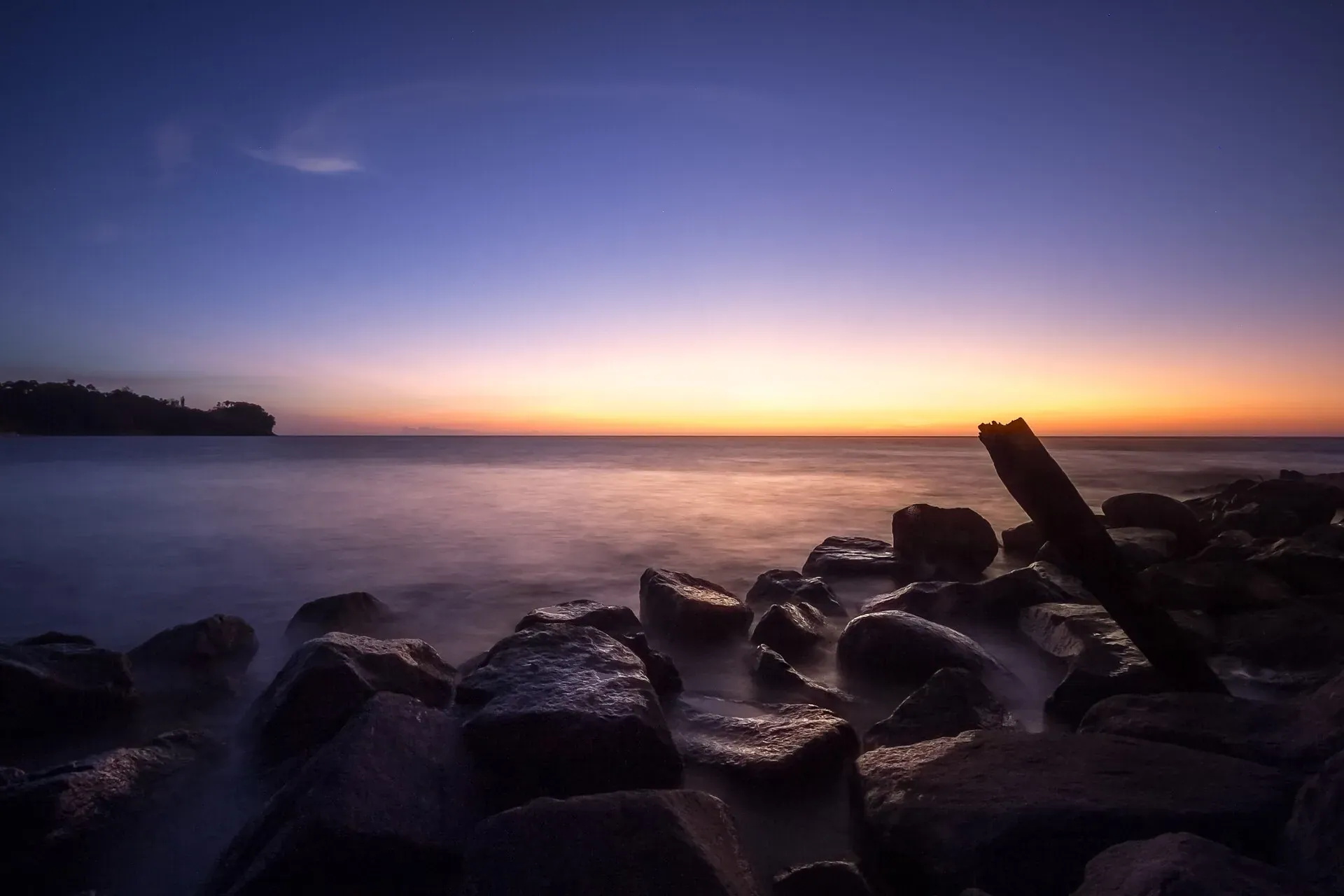 Photo: Clayborneoguy / Wikimedia Commons (CC BY-SA 4.0)