Cost of Living in Tropea
Where this figure comes from. No cost survey covers Tropea, so the $950 a month above is our own estimate rather than a measurement. On 416 of our 999 city guides the figure is built from a published Numbeo basket, a one-bedroom rent in the centre plus one person's monthly costs without rent, converted to USD; this city is not one of them. How we source everything.
Tropea is a small clifftop town, not a budget hub, and prices swing hard with the season. In peak summer (July and August), a one-bedroom apartment in or near the historic center can run $1,040 to $1,840 a month if you can even find one, since much of the short-term housing is soaked up by beach tourists paying nightly rates. Outside of summer, the same apartment often drops to $520 to $805, and landlords are far more willing to negotiate longer stays. Groceries and produce are genuinely cheap by Italian standards, especially local vegetables and the famous sweet Tropea red onions, and a sit-down meal of fresh seafood or pasta at a family-run trattoria typically costs $17 to $29. A cappuccino and pastry at the bar in the piazza runs $2.50 to $4.50. Overall, a single remote worker living modestly off-season can get by on roughly $1,270 to $1,730 a month; in summer, expect that to climb toward $2,070 to $2,880 once housing premiums and tourist pricing kick in.
Where to Work in Tropea
There is no dedicated coworking space in Tropea, so working here means working from cafe tables, rented apartment balconies, or the odd hotel lobby. A handful of bars around Piazza Ercole and Corso Vittorio Emanuele offer wifi and will tolerate a laptop for an hour or two over a coffee, but few are set up for a full day of calls, and outdoor tables in summer are loud with tourist foot traffic. Wifi quality is inconsistent: fine for email, browsing, and most video calls, but it can stutter during peak summer weeks when the town's infrastructure is stretched by visitors, and older apartments in the historic center sometimes have weak signal through thick stone walls. If your work depends on rock-solid, uninterrupted connectivity, treat Tropea as a place to slow down and work part-time rather than a place to run back-to-back client calls. Many remote workers who base here for a stretch end up doing focused work in the early morning or evening and keeping midday hours looser, in step with the town's own rhythm.
Getting Around Tropea
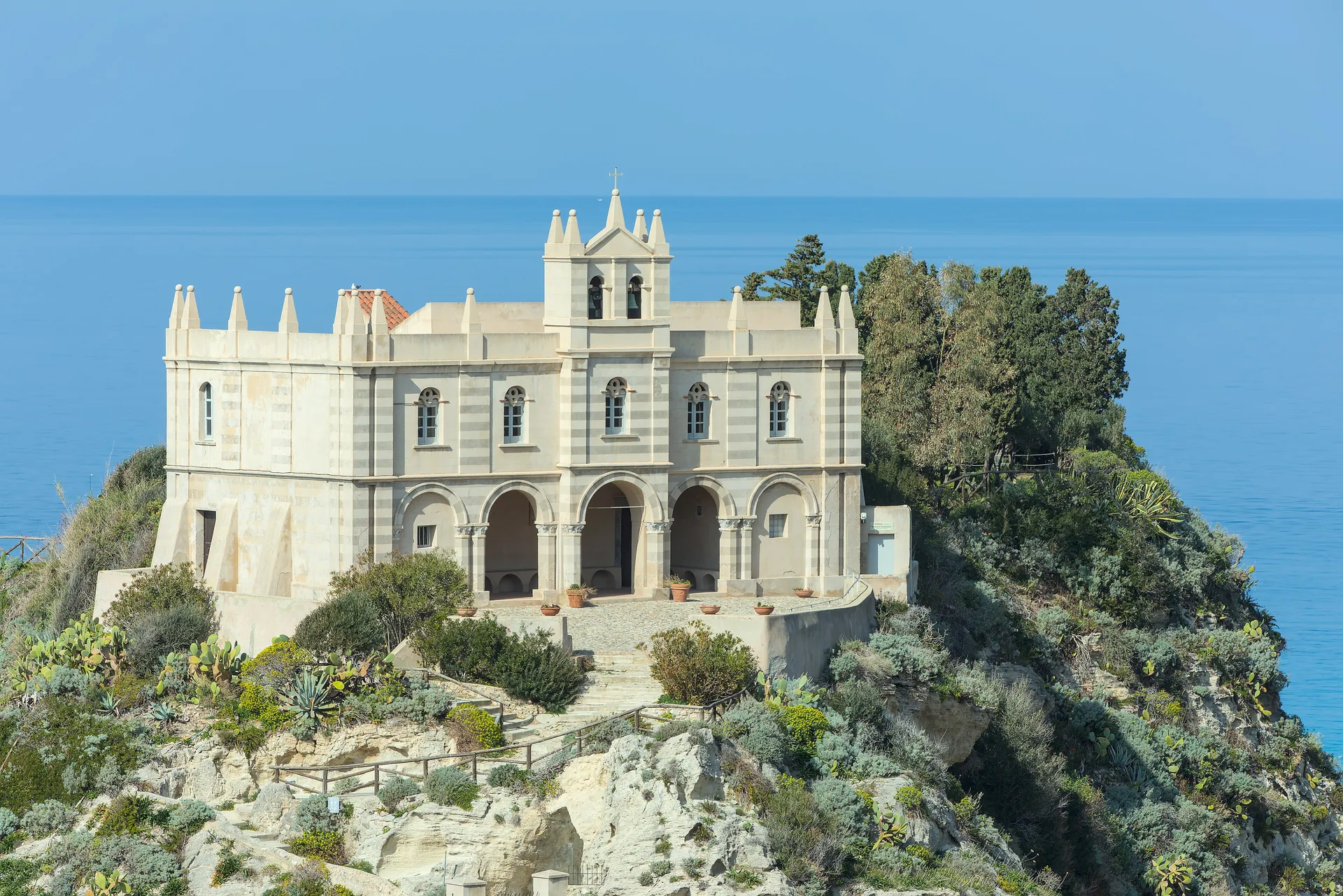
The historic center is entirely walkable, a compact grid of narrow lanes on the sandstone bluff, with the beach and the Santa Maria dell'Isola islet reachable on foot via a steep staircase down the cliff. For anything beyond town, Tropea has its own train station on the Trenitalia line that runs along the Tyrrhenian coast between Reggio Calabria and Naples, with regional trains connecting to Pizzo, Vibo Valentia, and other Coast of the Gods towns. The nearest airport is Lamezia Terme (SUF), about 60 to 70 minutes away by car or a combination of train and bus; it has direct flights to major Italian cities and some seasonal European routes. A car is genuinely useful here, since Calabria's public transport thins out fast once you leave the coastal rail line, and exploring nearby villages like Capo Vaticano or Parghelia is much easier with your own wheels. Renting a scooter is a popular local option in summer for short hops along the coast.
Sorting transport? Book an airport transfer, or compare car rental on Auto Europe and QEEQ.
Visas for Tropea
Tropea follows standard Italian and Schengen rules. Citizens of the US, UK, Canada, Australia, and many other countries can stay visa-free for up to 90 days within any 180-day period under the Schengen agreement, which covers most short remote-work stints here. For longer stays, Italy introduced a self-employed digital nomad visa aimed at non-EU remote workers and freelancers with a minimum income threshold, though it involves a fairly involved application through an Italian consulate and proof of remote employment or a stable client base; processing and local bureaucracy can be slow, and Calabria is not where you want to be chasing paperwork at the local questura, so plan well ahead. EU citizens face no such restrictions and can simply move here and register residency. One practical wrinkle sits behind all of that: the questura serving this stretch of coast is not in the town itself, so every appointment means a journey up the line, and these offices keep short morning hours that do not survive a missed train. Calabria's emigrant ties show in the timetable: Air Transat flies weekly from Toronto to Lamezia between June and mid-October, and for Canadians on it the Lamezia passport desk is the outer Schengen border, where the Entry/Exit System registers them before the drive to Tropea.
Best Time to Visit Tropea
Late spring (May to mid-June) and early autumn (September to early October) are the sweet spot: warm enough to swim, the beaches and restaurants are open, and the town isn't overwhelmed. July and August are peak Italian and European holiday season, when Tropea's population multiplies, prices spike, the beach below the cliff gets genuinely crowded, and parking or finding a table at dinner can take real effort. Summers are hot and dry, typical Mediterranean weather, with long sunny days that make the turquoise water especially striking. Winter is the other extreme: mild by northern European standards but grey, windy, and quiet, with many restaurants, shops, and even some accommodations closing entirely from November through Easter. If you want the postcard version of Tropea with some breathing room, aim for the shoulder months; if you want maximum energy and don't mind crowds, come in summer; avoid deep winter unless you specifically want solitude.
Pros and Cons of Tropea
The pros are substantial for the right person: genuinely stunning scenery, with the clifftop old town, the island monastery, and some of the best beaches in southern Italy right below your feet; excellent, affordable food built around fresh seafood and local produce, especially the sweet red onions; a real, unpolished Italian character that hasn't been fully sanitized for tourism; and a relaxed, low-stress pace of life. The cons are equally real: it is deeply seasonal, thriving and crowded in summer, half-shuttered and sleepy the rest of the year; wifi and remote-work infrastructure are basic at best, with no proper coworking scene; English is limited outside of tourist-facing businesses, so some Italian goes a long way; and southern Calabria overall is more remote and less economically developed than northern or central Italy, meaning fewer services, slower logistics, and a longer trip to reach larger cities or international flights.
Who Tropea Is For
Tropea suits remote workers who want a scenic, food-focused Italian base for a few weeks rather than a serious long-term nomad hub, and who can structure their work around a flexible schedule and imperfect wifi. It's a strong fit for people craving beach time, slower mornings, and real Italian small-town life, especially those who already speak some Italian or are happy to get by with gestures and patience. It's a poor fit for anyone who needs dependable high-speed internet for demanding calls, wants an active coworking or expat community, or is visiting in the dead of winter when much of the town closes down. Think of Tropea as a beautiful summer-leaning retreat to combine with time in a more infrastructure-rich Italian city, not a year-round remote-work base. It also draws descendants of Calabrian emigrants looking for family roots, and they should know the ancestry route narrowed in 2025: Italian citizenship by descent is now recognised automatically only through a parent or grandparent, so a line traced back to a great-grandparent no longer qualifies on that basis. Without it, a longer stay depends on a visa like anyone else's.