Cost of Living in Turin
Real market data
Source: Numbeo · August 2026
$1,710/moSolo nomad1-bed centre + living costs
$2,380/moCoupleshared 1-bed + costs
$1,440/moLean / localcheaper area + costs
- 1-bed rent, city centre$870€758
- 1-bed rent, outside centre$600€518
- Monthly costs excl. rent (1 person)$840€730
- Meal, inexpensive restaurant$21€18
- Monthly transit pass$44€38
- Buy price, per m² (centre)$4,750€4,125
Prices are from Numbeo (August 2026), converted to USD at $1 = €0.87 (01 Aug 2026). The monthly living-costs figure is our transparent one-person basket, groceries, a few meals out, utilities, phone, internet, transport and essentials, priced from those figures. Solo adds central rent; couple and lean are estimates from the same numbers.
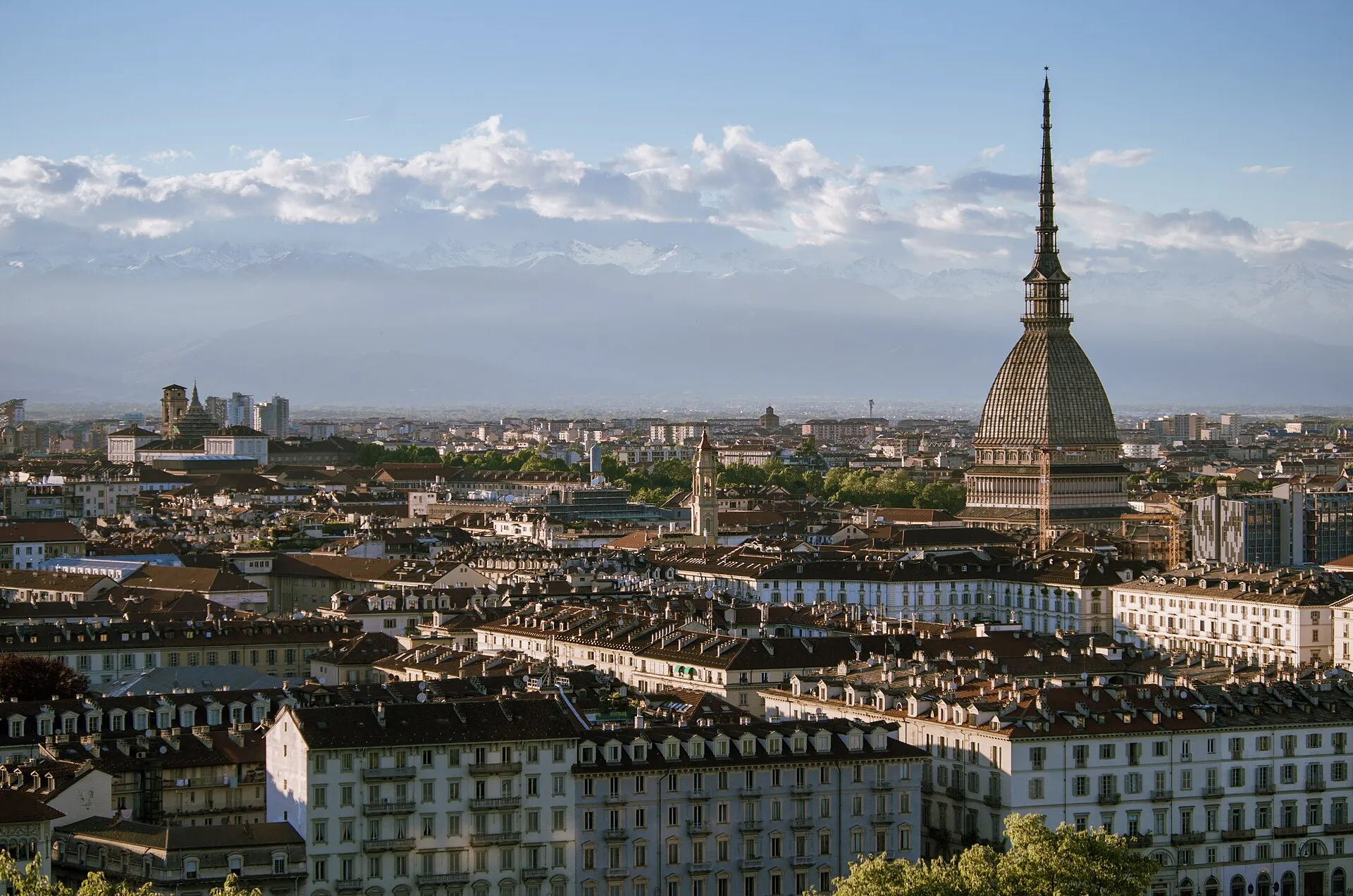
Turin is one of the most affordable major cities in northern Italy, undercutting Milan and Rome while still offering a genuinely urban, culturally rich lifestyle. As of 2025-2026, a solo remote worker can live comfortably for less than you might expect.
- Rent, central (Centro, Crocetta, Vanchiglia): $910-1,250/month for a one-bedroom apartment
- Rent, cheaper areas (San Salvario, Barriera di Milano, Mirafiori): $680-850/month
- Groceries: $230-320/month shopping at Esselunga or local markets
- Eating out: A sit-down lunch at a trattoria runs $14-20; dinner $23-40 with wine
- Coworking hot-desk: $110-230/month depending on the space
- Local transport (monthly pass): $43/month covering buses, trams, and metro
- Total realistic range: $1,600-1,710/month for a comfortable solo lifestyle
Food is a genuine strong point here. A glass of local Barolo at a bar costs $4.50-7. Aperitivo culture means many bars serve free snacks with your drink from around 6 pm, which effectively replaces dinner for a couple of dollars.
Where to Work
Turin has a solid and growing coworking scene, anchored by a handful of well-established spaces. Toolbox Coworking (Via Agostino da Montefeltro) is the flagship, with over 600 members, fast symmetric WiFi, large desks, private phone booths, and a strong community of tech freelancers and makers. It covers 10,000 square metres across multiple floors. OGR Tech powered by Talent Garden (Corso Castelfidardo 22) sits inside a converted 19th-century railway workshop and is the most architecturally striking option, aimed at startups and innovators. Copernico Torino Garibaldi (Corso Valdocco 2) is the most corporate-feeling of the three, good if you need meeting rooms and a polished address.
Cafe work culture in Turin is more relaxed than in Milan but less nomad-oriented than Lisbon or Barcelona. Traditional cafes generally do not encourage laptop use, especially during peak hours. However, a wave of newer, younger spots in San Salvario and Vanchiglia are explicitly welcoming. Caffè Platti and MagazziniOz both have a reputation for tolerating long stays. WiFi quality in cafes is inconsistent, so treat coworking spaces as your primary option if you have calls or deadlines.
Getting Around
Turin's public transport network is run by GTT and covers buses, trams, and a single metro line (Line 1) running east to west through the city centre. The metro is modern, clean, and driverless. A monthly pass at $43 covers all modes and is your best investment if you stay longer than a week.
The city is highly walkable in the centre. The historic grid layout with long arcaded streets (portici) makes walking comfortable even in rain or heat. Cycling infrastructure is expanding, and bike-share schemes operate across the city.
Turin Airport (TRN, also called Caselle) is 16 km north. The easiest option is the regional train via the Turin Metropolitan Railway Service from Torino Porta Susa, taking 34 minutes and costing $4. Alternatively, the Arriva Italia bus connects Porta Nuova and Porta Susa stations to the airport in 45-50 minutes for $8.50. Taxis from the airport to the centre cost around $46.
Sorting transport? Book an airport transfer, or compare car rental on Auto Europe and QEEQ.
Visas and Staying Long-Term
Italy is a Schengen member. Citizens of the US, UK, Canada, Australia, and most other western countries can enter visa-free and stay up to 90 days within any 180-day period. There is no visa-free option beyond that for pure stays.
Italy launched a Digital Nomad Visa (Type D) in April 2024, now fully operational. It is valid for 12 months and renewable indefinitely. Requirements include proof of highly skilled remote work or freelance income, a minimum annual income of $28,540, health insurance, and a clean criminal record. That floor is three times Italy's income threshold for exemption from health charges, so it moves when that threshold does. The application fee is $130 and processing typically takes 1-3 months. You apply through the Italian consulate in your home country before arriving. Once in Italy with the visa, you register for a residence permit (permesso di soggiorno).
Best Time to Visit
The sweet spot for remote work in Turin is April through June and September through October. Temperatures are mild (14-22°C), the city is active without being overwhelmed by tourists, and the Alps backdrop on clear days is genuinely beautiful.
July and August are hot and humid, with temperatures occasionally reaching 35°C. The city empties as locals leave for the coast or mountains, which means quieter streets and cheaper accommodation but also some businesses and cafes closing for weeks at a time. Winter (December through February) is cold and foggy, with temperatures often below 5°C and occasional snow. It is not unpleasant if you like that atmosphere, but the fog can be relentless in January. Spring thunderstorms in May are common but typically brief.
Pros and Cons
- Pro: Genuinely affordable for a northern Italian city with high quality of life
- Pro: Outstanding food and wine culture rooted in Piedmontese tradition
- Pro: Walkable, well-connected by public transport, easy airport access
- Pro: Less tourist-saturated than Rome, Florence, or Venice
- Pro: Strong coworking infrastructure anchored by Toolbox and OGR Tech
- Pro: Close to the Alps and skiing in winter, lakes and hiking in summer
- Con: Air quality is poor in winter due to the Po Valley inversion layer
- Con: English is limited outside the city centre and universities
- Con: Cafe laptop culture is not as developed as in other nomad hubs
- Con: The international nomad community is small compared to Lisbon or Berlin
- Con: Hot and muggy in peak summer with some seasonal business closures
Who Turin Is Best For
Turin rewards remote workers who want a genuine Italian city experience without the tourist noise of Rome or Florence. If you are drawn to serious food and wine culture, Baroque architecture, access to mountains, and a lower cost of living than Milan, Turin delivers on all fronts. It is well-suited to people who can manage some Italian or are willing to learn, and who prefer depth over a packed social nomad scene.
You may want to look elsewhere if you need a large English-speaking community, constant networking events with other nomads, or warm weather year-round. It is also not the best fit if air quality is a serious health concern for you, particularly in winter months when the Po Valley smog can be persistent.