Cost of Living in Milan
Real market data
Source: Numbeo · August 2026
$2,730/moSolo nomad1-bed centre + living costs
$3,510/moCoupleshared 1-bed + costs
$2,170/moLean / localcheaper area + costs
- 1-bed rent, city centre$1,760€1,527
- 1-bed rent, outside centre$1,200€1,038
- Monthly costs excl. rent (1 person)$970€844
- Meal, inexpensive restaurant$24€21
- Monthly transit pass$45€39
- Buy price, per m² (centre)$10,930€9,495
Prices are from Numbeo (August 2026), converted to USD at $1 = €0.87 (01 Aug 2026). The monthly living-costs figure is our transparent one-person basket, groceries, a few meals out, utilities, phone, internet, transport and essentials, priced from those figures. Solo adds central rent; couple and lean are estimates from the same numbers.
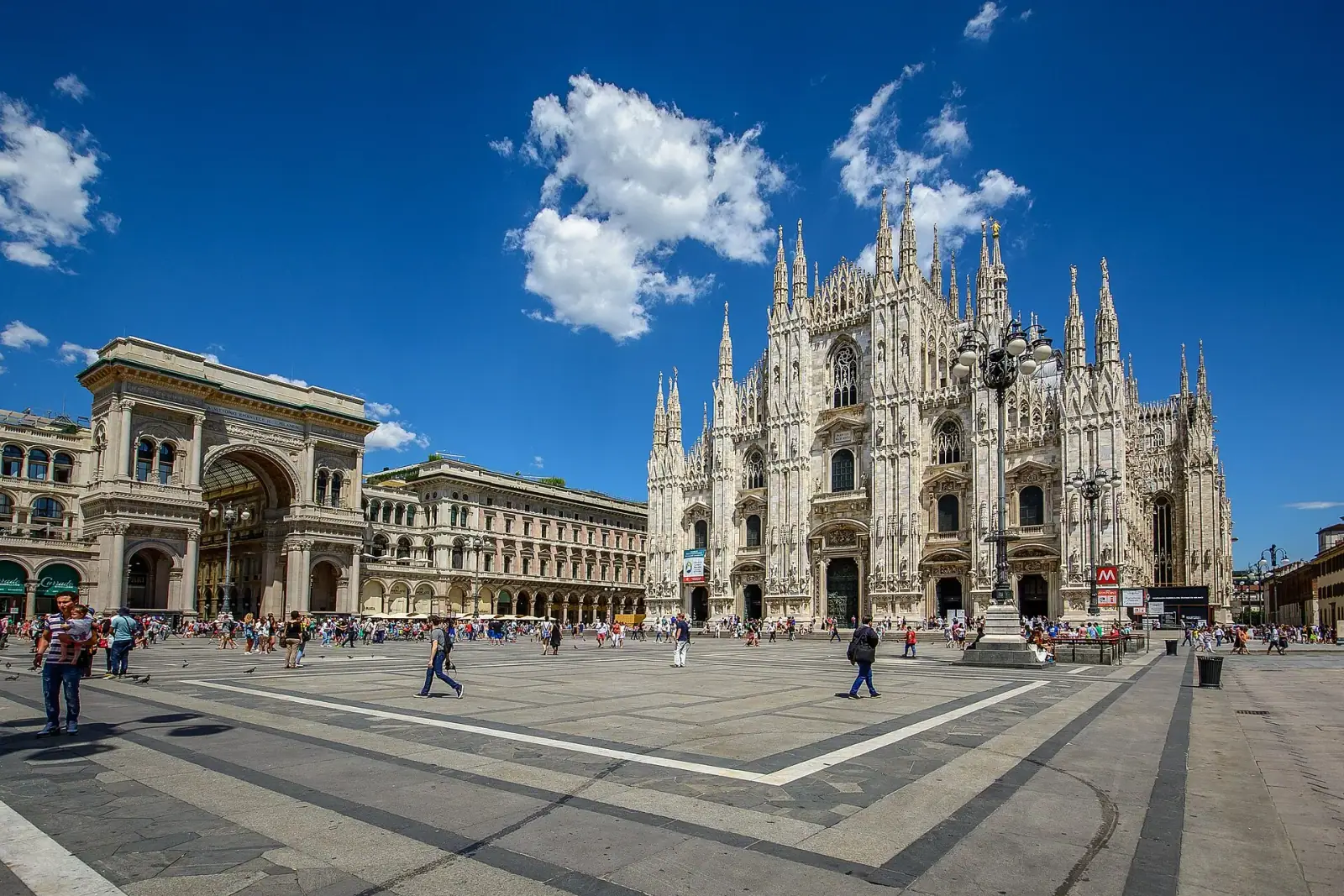
Milan is Italy's most expensive city and one of the pricier stops in Western Europe. Budget carefully and you can make it work; come expecting Rome prices and you will be caught off guard.
A typical monthly breakdown for one person:
- Rent, central neighborhoods (Brera, Porta Romana, Isola): $1,500-2,070 for a studio or small one-bedroom
- Rent, outer zones (Loreto, Bovisa, Nolo): $1,040-1,380 for a studio; still well connected by metro
- Groceries: $290-405 cooking mostly at home
- Eating out: $460-690 for a mix of lunch spots, trattorias, and the odd aperitivo with snacks
- Coworking hot desk: $230-370 per month; day passes run $17-35 at most spaces
- Local transport (ATM monthly pass): $45; covers metro, trams, and buses citywide
- Utilities and home internet: $69-115 if included in rent or bundled separately
Realistic total range: $2,530-3,680 per month depending on your neighborhood and social life. Milan rewards people who cook at home, embrace aperitivo as a cheap social ritual, and pick a slightly outer-ring neighborhood.
Where to Work
Milan has a mature and varied coworking scene, with options ranging from large, well-resourced campuses to smaller independent spots. You are unlikely to struggle for a decent desk.
Coworking Spaces
Talent Garden Calabiana near Porta Romana is one of the largest campuses in the network, spanning around 8,500 square meters with garden and terrace, strong fiber, and a café. It draws a mix of startups, freelancers, and creative agencies. Hot desks run roughly $230-290 per month.
Copernico Centrale, near Stazione Centrale, is a 15,000-square-meter flagship with a library, gym, terrace, and consistent fast WiFi. It rates 4.3 on Google across over 1,000 reviews and suits professionals who want a polished corporate feel at a mid-range price.
Spaces Isola at Via Pola 11 is in a beautifully refurbished building with rooftop views, natural light, and a 4.6 Google rating. The Isola location puts you in Milan's most energetic creative neighborhood, a short walk from Porta Garibaldi station.
Cafe Work Culture
Milan's cafe culture is intense but not always laptop-friendly. Many espresso bars are standing-only or have tiny tables with no power outlets. For proper work sessions, seek out the hybrid literary cafes. Gogol and Company on Via Savona has wooden tables, free WiFi, power sockets, and stays open until 9 pm (closed 2-4 pm daily). Colibri near Universita Statale is another bookshop-cafe with reliable WiFi and comfortable armchairs.
Home and coworking fiber is fast. In cafes, WiFi is variable.
Getting Around
Milan's public transport network is efficient and cheap. The ATM monthly pass at $45 covers unlimited travel on four metro lines, a dense tram network, and buses across the city. Most neighborhoods you would want to live in are within a short metro ride of coworking hubs, restaurants, and grocery stores.
Cycling is increasingly practical thanks to a growing bikeshare network (BikeMi) and new cycle lanes, though traffic on major roads can be heavy. Walking is enjoyable in compact inner neighborhoods like Brera and Porta Ticinese, but Milan's scale means you will rely on transport for cross-city trips.
Airport Connections
- Linate (LIN): The city airport, served directly by metro line M4 with a standard $2.50 ATM ticket. About 30 minutes from the center.
- Malpensa (MXP): The main international hub. The Malpensa Express train runs every 30 minutes and costs around $15 one way. Budget buses (Terravision, FlixBus) cost $9-12 booked in advance. Allow 50-75 minutes.
- Bergamo Orio al Serio (BGY): Popular with Ryanair. Bus shuttles from Piazza Luigi di Savoia cost around $7-12 and take 60-70 minutes.
Sorting transport? Book an airport transfer, or compare car rental on Auto Europe and QEEQ.
Visas and Staying Long-Term
Italy is part of the Schengen Area, so most Western passport holders (US, UK, Canada, Australia) can enter visa-free for up to 90 days within any 180-day period. This is enough for a medium-term stay but rules out spending six months straight in Milan.
Italy officially launched a Digital Nomad and Remote Worker Visa in early 2026. It allows non-EU remote workers to live in Italy for 12 months, renewable. Key requirements: minimum annual income of $28,540, proof of remote work for a non-Italian employer, a university degree or professional qualification, at least six months of remote work experience, health insurance covering at least $34,530, and proof of accommodation. That floor is three times Italy's income threshold for exemption from health charges, so it moves when that threshold does. Processing at major Italian consulates is running 35-45 days in 2026.
If you qualify, this visa is one of the more straightforward European options and comes with freedom to travel across all 29 Schengen countries.
Best Time to Visit
Milan sits in the Po Valley, which gives it a continental climate: cold, damp, and occasionally foggy winters, and hot, humid summers that can feel oppressive. Neither extreme is ideal for productivity.
Best windows: April to early June and September to October. Temperatures in these months sit between 15-22C (59-72F), outdoor seating is pleasant, and the city is fully alive. Spring also coincides with Design Week (Salone del Mobile, usually April) which transforms the city but also raises accommodation prices sharply for one week.
Avoid August if possible. Most locals leave, cafes and restaurants operate reduced hours or close entirely, and the humidity can be punishing. December and January are cold, grey, and occasionally foggy, which suits some remote workers fine since the city is quieter and accommodation is cheaper.
Pros and Cons
Pros
- Excellent public transport with a comprehensive metro network and a cheap monthly pass
- Strong coworking scene with options for every budget and work style
- Italy's most international city, with English widely spoken in professional and hospitality contexts
- Outstanding food scene from Michelin-recognized trattorias to outstanding aperitivo culture
- High-speed train links to Venice (2h 30m), Florence (1h 45m), and Rome (3h), and two airports with good European and intercontinental connections
- Rich cultural calendar year-round, including world-class design, fashion, and art events
Cons
- Among the most expensive cities in Italy; rent in particular has climbed steeply
- Air quality is consistently poor due to geography, traffic, and industrial output; the Po Valley traps pollution, especially in winter
- Grey and foggy winters that stretch from November through February can wear on mood
- City-center cafes are not reliably laptop-friendly; standing bars outnumber sit-down work spots
- August is a dead month: locals flee, services shrink, and you will be surrounded by tourists and heat
- The fashion-and-finance social scene can feel competitive and image-conscious compared to other Italian cities
Who Milan Is Best For
Milan rewards remote workers who want a genuinely cosmopolitan European city, not a postcard version of Italy. If your work connects to design, fashion, finance, tech startups, or creative industries, Milan's professional network is unmatched in Italy. It also suits people who prioritize reliable infrastructure: fast internet, on-time transport, and a dense enough coworking scene that you can always find a desk.
You will get the most out of Milan if you embrace aperitivo as a social ritual, learn to cook from the excellent markets, and base yourself in a neighborhood with real local character (Isola, Nolo, Porta Ticinese) rather than the tourist center.
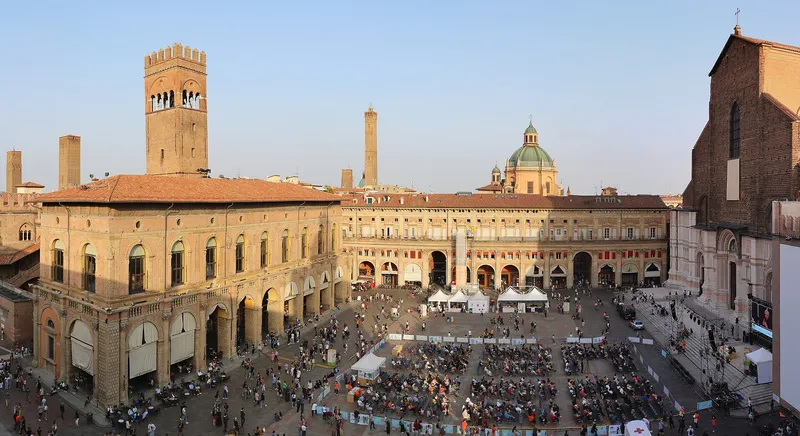
Milan is a harder sell if you are on a tight budget, want warm weather most of the year, or came to Italy for relaxed piazzas and slow mornings. For that, look at Bologna, Palermo, or smaller southern cities instead. And if you need clean air and mountains nearby, consider Turin or Trento.