Cost of Living in Genoa
Real market data
Source: Numbeo · August 2026
$1,720/moSolo nomad1-bed centre + living costs
$2,380/moCoupleshared 1-bed + costs
$1,440/moLean / localcheaper area + costs
- 1-bed rent, city centre$890€771
- 1-bed rent, outside centre$610€532
- Monthly costs excl. rent (1 person)$830€720
- Meal, inexpensive restaurant$17€15
- Monthly transit pass$55€48
- Buy price, per m² (centre)$3,700€3,215
Prices are from Numbeo (August 2026), converted to USD at $1 = €0.87 (01 Aug 2026). The monthly living-costs figure is our transparent one-person basket, groceries, a few meals out, utilities, phone, internet, transport and essentials, priced from those figures. Solo adds central rent; couple and lean are estimates from the same numbers. The guide below quotes its own monthly range, which is a different measurement rather than a competing one: this table prices a defined basket at the figures above, while that range is a judgement about how somebody actually lives here.
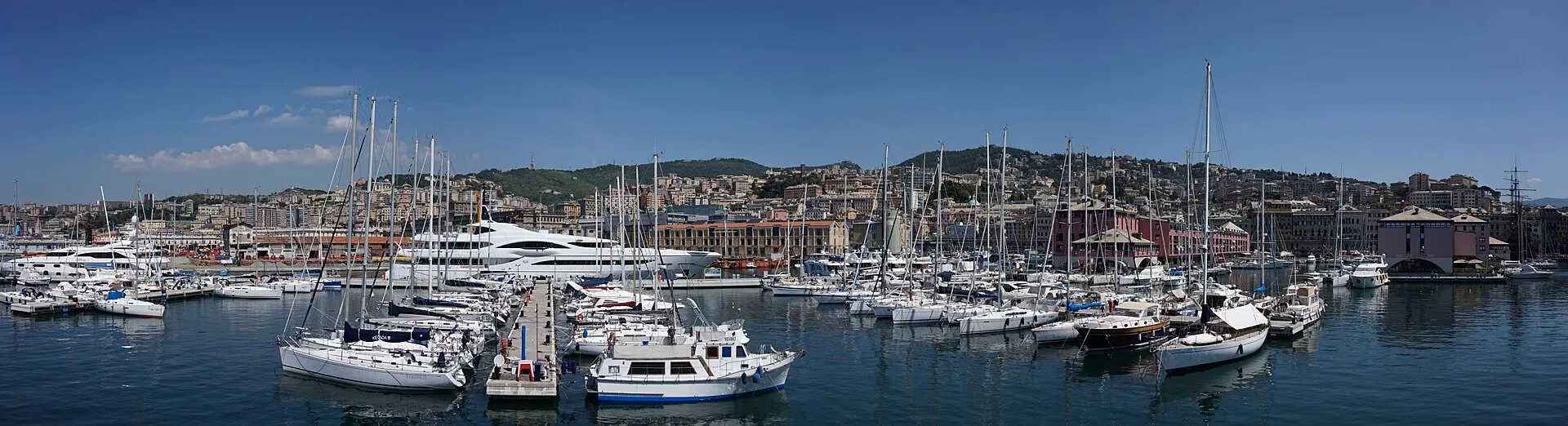
Genoa is one of Italy's most affordable cities for remote workers. You avoid the Rome and Milan premium while still living in a major port city with genuine culture and solid infrastructure.
Monthly breakdown (approximate):
- Rent, 1-bedroom central (Centro Storico, Carignano, Castelletto): $850-1,000
- Rent, 1-bedroom outer areas (Albaro, Quarto, Nervi): $570-740
- Groceries: $280-400
- Eating out (mix of cheap lunches and occasional dinners): $230-400
- Coworking hot-desk monthly: $170-250
- Local transport monthly pass (bus, metro, funiculars): $55
- Utilities (electricity, water, internet): $110-180
Total monthly range: roughly $1,350-2,050 depending on lifestyle. That puts Genoa significantly below Florence and roughly 30% cheaper than Milan for comparable comfort.
A meal at a simple local restaurant runs $14-20. A cappuccino at the counter is under $2.50. Pesto pasta from a takeaway shop (a local staple) costs $4.50-7.
Where to Work
Genoa has a modest but real coworking scene. Talent Garden Genova, located at Giardini Baltimora near the city center, is the flagship space: a 600-square-meter campus opened in 2022 inside a redevelopment district, with modern open areas, meeting rooms, and a tech-community focus. URBAM operates inside a 16th-century palazzo in Porto Antico, spans two floors, and gets strong reviews for natural light and a calm atmosphere. Regus De Ferrari occupies the sixth floor of a business building near Piazza De Ferrari and suits those wanting a corporate-grade setup with fast Wi-Fi.
Cafe culture in Genoa is traditional: you stand at the bar, drink your espresso in two minutes, and leave. Long laptop sessions at a corner table are not the Italian norm, and many cafes lack power outlets. That said, a handful of specialty coffee shops tolerate longer stays. Tazze Pazze (Piazza Cinque Lampadi) is the city's most cited specialty coffee spot and is more laptop-friendly than average. For serious work, a coworking space is the more reliable choice.
WiFi quality at coworking spaces is solid. Residential fiber broadband is widely available. Hotel and cafe WiFi can be inconsistent, so do not plan to depend on it for calls.
Getting Around
Genoa is built on steep hills squeezed between mountains and the sea, which makes it an unusual city to navigate. The historic center and waterfront are highly walkable on flat ground, but moving uphill means stairs, funiculars, or public elevators. The city has maintained a network of hillside funiculars and vertical lifts that all run on the same $1.50 transit ticket valid for 100 minutes across buses, the single metro line, and all funiculars.
A monthly AMT transit pass costs $55 and covers all modes. You almost certainly do not need a car or scooter as a remote worker based in the center.
Airport access: Cristoforo Colombo Airport (GOA) sits about 7 km west of center. The Volabus shuttle connects it directly to Brignole and Principe train stations in around 30 minutes for a few dollars. There is also an Airlink rail shuttle to Sestri Ponente Aeroporto station every 15 minutes between 6am and 10pm. Taxis cost roughly $23-34 to the center.
Genoa is a major rail hub. Fast trains reach Milan in 1.5 hours, Nice in about 3 hours, and Turin in under 2 hours, making it a strong base for regional travel.
Sorting transport? Book an airport transfer, or compare car rental on Auto Europe and QEEQ.
Visas and Staying Long-Term
Most non-EU passport holders (US, UK, Canada, Australia) can enter Italy visa-free under the Schengen agreement for up to 90 days within any 180-day period. That covers a solid short-term stay without paperwork.
Italy launched an official Digital Nomad / Remote Worker Visa in April 2024. This Type D long-stay visa is aimed at non-EU/EEA citizens who work remotely for employers or clients outside Italy. Key requirements: minimum annual income of $28,540, a university degree or recognized professional qualification, and at least 6 months of verifiable remote work experience. That floor is three times Italy's income threshold for exemption from health charges, so it moves when that threshold does. The visa is valid for 12 months and renewable indefinitely. Health insurance covering at least $34,150 is required. Living in Italy more than 183 days per year makes you a tax resident, though a flat-tax regime can apply in some cases.
Best Time to Visit
Genoa's climate is Mediterranean, buffered by the Ligurian Alps from cold northern air. Winters are mild by northern European standards (average January 9°C / 48°F) but notably rainy. Summers are warm and dry, with August averaging 25°C / 77°F.
The best window for remote work is late April through June and September through October. You get warm, stable weather, manageable tourist numbers, and a full calendar of local life. September in particular is excellent: dry, warm, and home to the Salone Nautico (one of Europe's largest boat shows), which brings an international energy to the city.
July and August are hot and crowded, with many local businesses taking summer closures in August. November through January brings Genoa's heaviest rainfall and grey skies, which can dampen the experience of working in a new city. If you are sensitive to rain or rely on outdoor space to decompress, plan around those months.
Pros and Cons
Pros
- Genuinely affordable by Italian standards, especially compared to Rome, Florence, and Milan
- Remarkable historic center (UNESCO-listed caruggi alleys) with real local character, not tourist-polished
- Excellent Ligurian food: pesto, focaccia, fresh seafood, farinata
- Outstanding rail connections to the rest of Italy and southern France
- Mild winter compared to northern Europe; beach access in summer
- Smaller and more manageable than Rome or Milan, with less urban stress
Cons
- English is spoken less widely than in tourist-heavy cities; navigating services takes more Italian
- Cafe culture is not laptop-friendly; coworking options are limited compared to Milan or Rome
- The historic center (caruggi) requires caution after dark; some alleys feel unsafe at night
- Heavy autumn and winter rainfall; can feel grey and damp for months
- Steep hills and uneven cobblestones make walking physically demanding
- Limited international nomad community; you will meet more expats than fellow nomads
Who Genoa Is Best For
Genoa suits remote workers who want to live in an authentic Italian city without paying Rome or Florence prices, and who are comfortable operating with limited English support around them. If you enjoy local food culture, medieval urban architecture, access to the sea, and fast rail connections to northern Italy and France, Genoa rewards the effort.
It is a particularly good fit for people staying at least one to three months who want to settle into a neighborhood rather than tick tourist boxes. The city has a working-class port identity and does not perform itself for visitors, which many nomads find refreshing after more polished destinations.
Skip Genoa if you need a dense nomad community, rely on laptop-friendly cafes for daily work, travel with family and need English-language schooling, or plan to stay only a week or two. It also rewards physical fitness: the hills are real, and flat routes between neighborhoods are not always available.