Cost of Living in Palermo
Real market data
Source: Numbeo · August 2026
$1,490/moSolo nomad1-bed centre + living costs
$2,080/moCoupleshared 1-bed + costs
$1,240/moLean / localcheaper area + costs
- 1-bed rent, city centre$760€658
- 1-bed rent, outside centre$510€444
- Monthly costs excl. rent (1 person)$730€637
- Meal, inexpensive restaurant$16€14
- Monthly transit pass$37€32
- Buy price, per m² (centre)$2,700€2,346
Prices are from Numbeo (August 2026), converted to USD at $1 = €0.87 (01 Aug 2026). The monthly living-costs figure is our transparent one-person basket, groceries, a few meals out, utilities, phone, internet, transport and essentials, priced from those figures. Solo adds central rent; couple and lean are estimates from the same numbers. The guide below quotes its own monthly range, which is a different measurement rather than a competing one: this table prices a defined basket at the figures above, while that range is a judgement about how somebody actually lives here.
Palermo is one of the most affordable cities in Italy, and genuinely cheap by Western European standards. Here is what to expect as a solo remote worker in 2025-2026.
- Rent, central neighborhoods (Politeama, Kalsa, Centro Storico): $680-1,000/month for a furnished one-bedroom
- Rent, outer areas (Calatafimi, Borgo Vecchio): $460-680/month
- Groceries: $230-320/month if you shop at local markets like Ballarò or Vucciria
- Eating out: A sit-down lunch at a trattoria costs $11-17; pizza in the evening runs $9-14; a cappuccino is around $2
- Coworking hot-desk: $160-280/month depending on the space
- Local transport: A monthly AMAT bus pass costs $57; single tickets are $1.50
Realistic monthly total: $1,250-1,800 covers rent, food, coworking, and transport with room for coffee shops and occasional dining out. You can live on less if you rent further out and cook at home.
Where to Work
Palermo has a small but functional coworking scene. The most established options are neu [nòi] at Via Alloro 64 in the Kalsa historic center (flexible desk from about $17 a day, a fixed desk with 24-hour access about $161 a month), Empower on Corso Calatafimi, and BeetCommunity, a coliving with coworking at Via Lincoln 35/A and Via Agrigento 14.
Cafe culture in Palermo is genuine but not particularly work-friendly by default. Most traditional bars are standing-only and close by mid-morning. A handful of spots near the Teatro Massimo and in the Kalsa quarter have table seating and decent WiFi, but expect to order regularly and not to occupy a table for hours during busy periods. If you need a proper setup for calls and focus work, a coworking space is a better default.
Home fiber broadband is widely available through providers like TIM and Fastweb. On public WiFi and in cafes speeds vary more, so test before committing to video-call-heavy days outside a coworking space.
Getting Around
The historic center is compact and mostly walkable once you are based in it. A good chunk of the sights, restaurants, and coworking spaces sit within a 20-minute walk of each other. The terrain is flat, which helps, though some streets are cobbled and uneven.
For longer distances, AMAT runs buses and four tram lines across the city. Service is frequent on main routes during the day but thins out in the evening and on Sundays. Ride-hailing (InDriver, local taxis) fills the gap. Cycling is growing but infrastructure is patchy; a motorbike or scooter rental is popular among longer-stay nomads.
Airport: Falcone Borsellino Airport (PMO) sits about 35 km northwest of the center. The Trinacria Express train connects the airport to Palermo Centrale in around 45 minutes and costs about $6.50. Airport buses (Prestia e Comandé) run every 30-40 minutes and cost $7 one-way, taking about 50 minutes depending on traffic. Taxis cost $46-57 on the fixed urban rate.
Sorting transport? Book an airport transfer, or compare car rental on Auto Europe and QEEQ.
Visas and Staying Long-Term
Palermo is part of Italy, which is in the Schengen Area. Citizens of the US, Canada, UK, Australia, and most other Western countries can enter visa-free for up to 90 days within any 180-day period across the entire Schengen Zone, not just Italy.
Italy launched a Digital Nomad Visa in 2024. It is open to non-EU citizens who earn at least $28,540 per year, have documented remote work experience of at least six months, and hold valid health insurance. That floor is three times Italy's income threshold for exemption from health charges, so it moves when that threshold does. The visa is valid for one year and can be renewed. Apply through the Italian consulate in your home country; processing typically takes 30-60 business days. A university degree is required by the legislation, though some consulates interpret this flexibly for experienced freelancers.
Best Time to Visit
For remote work comfort, April through June and mid-September through November are the optimal windows. Temperatures sit between 18-25°C (64-77°F), rain is infrequent, and the city is lively but not overwhelmed with tourists.
July and August are brutal for productivity if you are working without air conditioning. Temperatures regularly top 35°C (95°F) and humidity makes it feel worse. Many locals take extended leave, which means reduced activity but also fuller tourist crowds in the old town. If you visit in summer, plan outdoor activity for early morning and evening.
Winter (December through February) is mild by European standards, averaging 12-16°C (53-61°F), with periodic rain. It is quiet, cheap, and pleasant for focused work if grey skies do not bother you. The city is far less crowded and accommodation is noticeably cheaper.
Pros and Cons
- Low cost of living for a European city with good infrastructure
- Outstanding food, with markets, street food, and trattorias at every price point
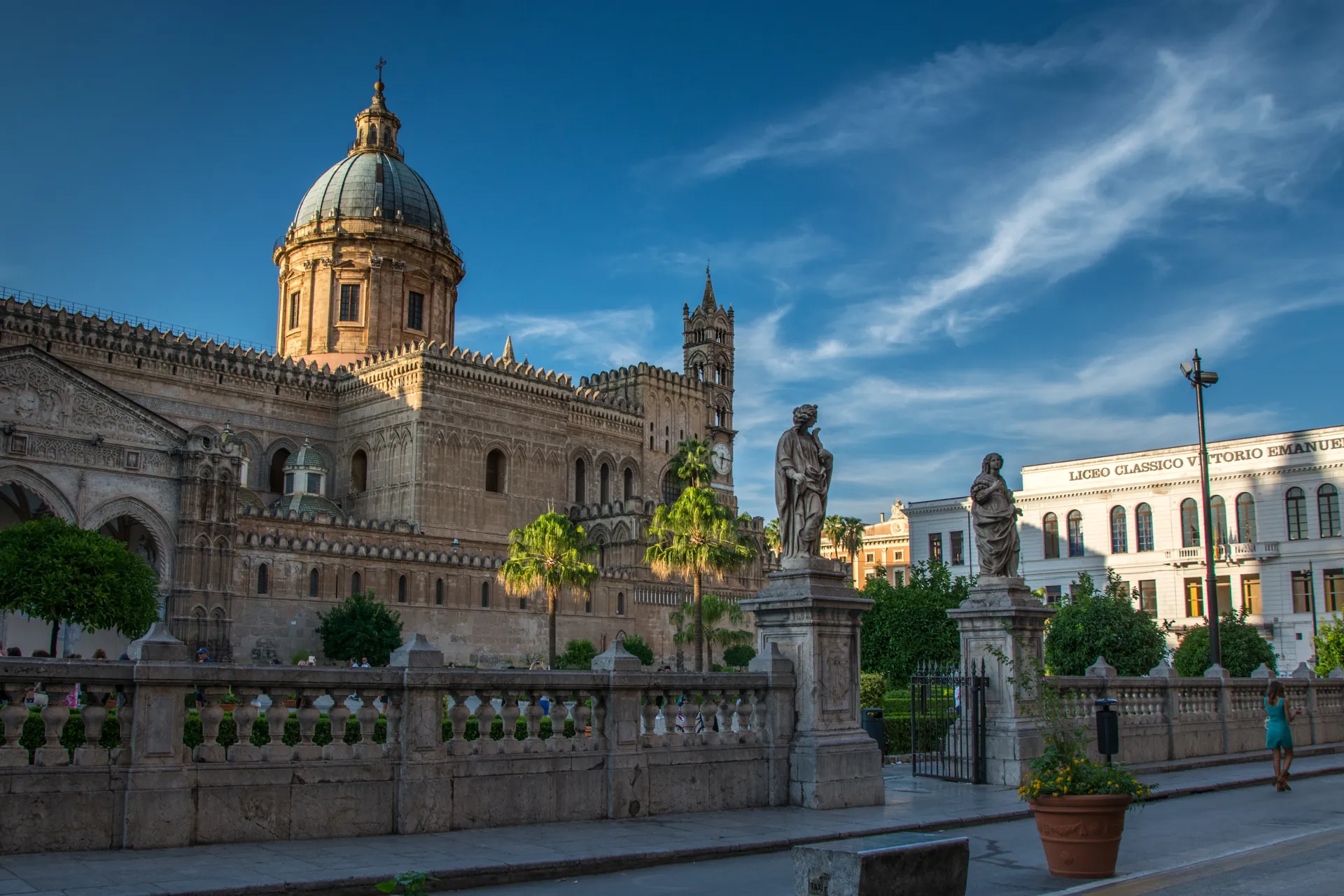
- Rich history and architecture across Arab-Norman, Baroque, and Art Nouveau periods
- Genuine local culture that has not been fully packaged for tourists
- Good flight connections to the rest of Europe via PMO airport
- Mild winters, meaning year-round liveability unlike much of northern Europe
- English is limited outside the tourism and coworking sectors; Italian basics help significantly
- Summer heat can make daytime work uncomfortable without reliable air conditioning
- Petty theft (pickpocketing, scooter snatching) is real, especially in busy markets and around the central station
- Coworking scene is small and options are limited compared to Barcelona or Lisbon
- Street cleanliness is uneven across neighborhoods; some areas feel run-down
- Bureaucracy and public services can be slow and frustrating for administrative tasks
Who Palermo Is Best For
Palermo suits remote workers who want genuine European city life at a fraction of the cost of Rome or Milan. If you enjoy exploring on foot, eating your way through a new city, and do not need a polished digital-nomad infrastructure around you, Palermo delivers. It works especially well for writers, designers, and solo workers comfortable in Italian or willing to learn a few phrases.
It is a particularly good fit for longer stays of one to three months, where you have time to build routines and get past the initial friction of a city that does not bend itself toward foreign visitors.
Skip Palermo if you need a large English-speaking nomad community, depend on reliable public WiFi beyond coworking spaces, or struggle with heat. It is also a harder choice if you want the polished cafe-work culture you find in northern Europe or Southeast Asia.