Cost of Living in Assisi
Where this figure comes from. No cost survey covers Assisi, so the $1,100 a month above is our own estimate rather than a measurement. On 416 of our 999 city guides the figure is built from a published Numbeo basket, a one-bedroom rent in the centre plus one person's monthly costs without rent, converted to USD; this city is not one of them. How we source everything.
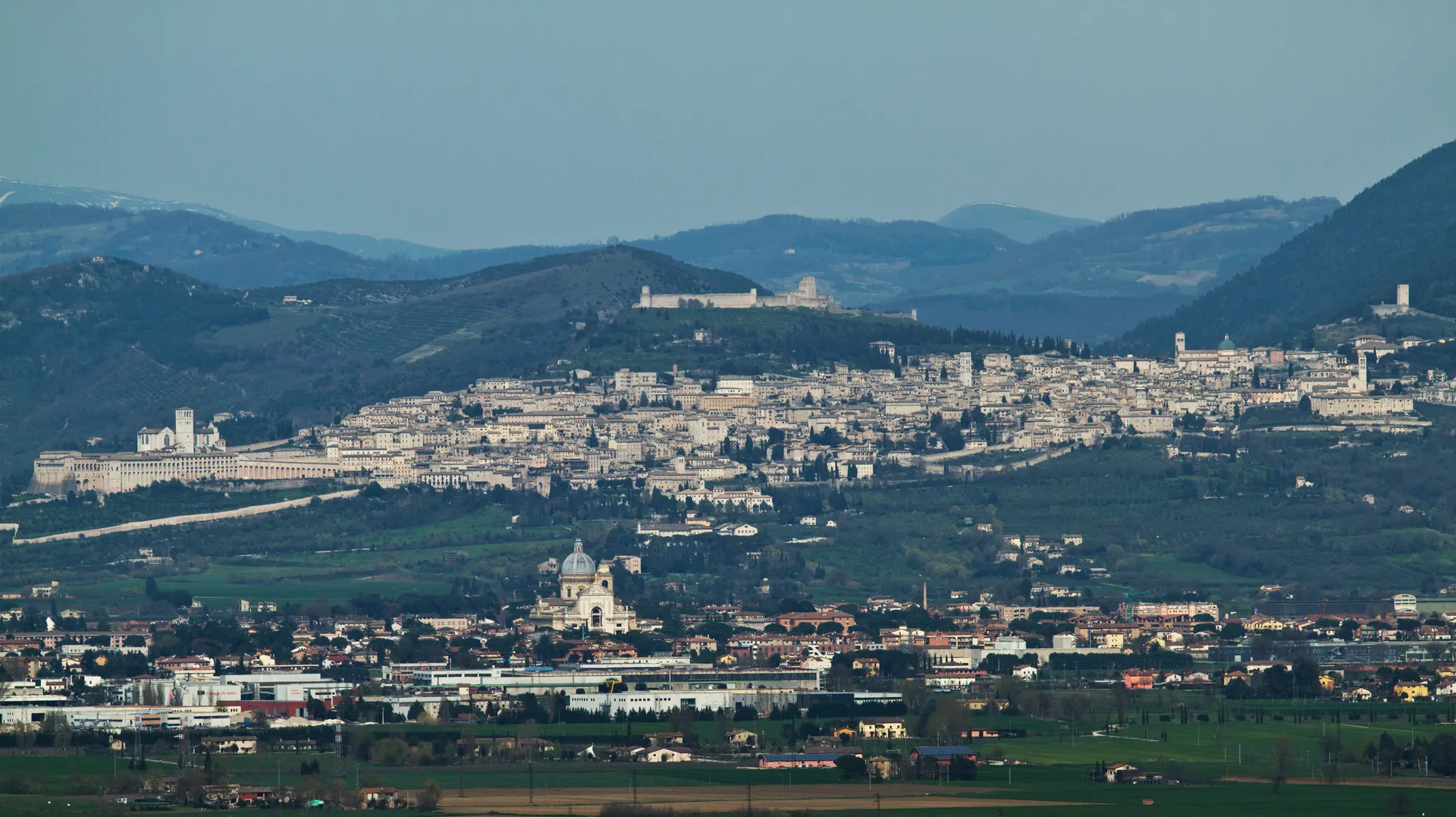
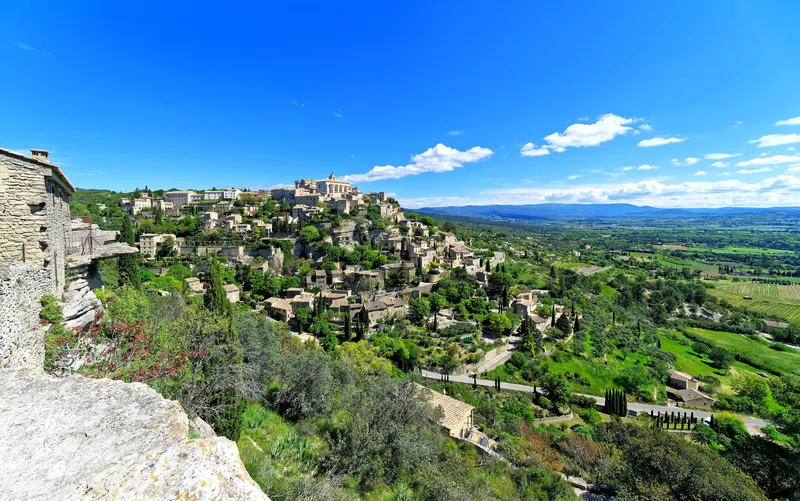
Assisi is moderate by Italian standards, cheaper than Florence or Rome but not a bargain like the deep south. A single nomad on a slow, local rhythm should budget roughly $1,000 to $1,700 a month, depending on the apartment and how often you eat out. Rent is the swing factor: a small studio or one-bedroom in or near the historic center runs higher because supply is tight and much of the housing serves short-stay pilgrims and tourists. Groceries, produce, wine, and coffee are inexpensive, and a simple trattoria lunch is very reasonable. The pink-stone old town carries a small premium for the view and the atmosphere, while Santa Maria degli Angeli in the valley below is generally cheaper and better connected.
- Studio or one-bedroom rent: roughly $650 to $1,050 per month
- Trattoria lunch with wine: about $15 to $25
- Espresso at the bar: around $1.20 to $1.80
- Monthly groceries for one: roughly $250 to $350
Where to Work in Assisi
Assisi gives a remote worker quiet rather than infrastructure: this hillside pilgrimage town has no dedicated coworking space anywhere, and its economy runs on visitors rather than on people who stay to work. What you do get is calm, reliable wifi in cafes, bars, and most guesthouses, plus the kind of quiet that suits deep, focused work. The best setup here is a room or apartment with a valley view and a solid connection, where you work through the morning and step out into a UNESCO town at lunch. Cafes around Piazza del Comune and along the main streets are laptop-tolerant outside peak tourist hours, though tables turn over and etiquette favors ordering as you linger. For video calls and long sessions, your own stay is far more comfortable than any public spot. Check upload speeds before booking, as older stone buildings vary.
- Book a stay with a tested, fast connection and a desk or table
- Work mornings, then explore once the tour groups thin out
- Cafes suit short sessions and coffee breaks, not all-day camping
- Carry a local SIM or eSIM as a hotspot backup
Getting Around Assisi
The historic town is compact and walkable, but it climbs the slope of Monte Subasio, so expect steep stone lanes, steps, and a real workout between the Basilica di San Francesco at the low end and the Rocca Maggiore fortress above. Wear proper shoes and travel light. The Assisi train station sits down in the valley at Santa Maria degli Angeli, a few kilometers below the old town, linked by a regular shuttle bus. From there, trains and buses reach Perugia in about thirty minutes, plus Foligno and onward connections toward Florence and Rome. A car is genuinely useful for exploring Umbria's other hill towns, since public transport between them is patchy and slow.
- Old town: walkable but hilly, with steps and cobbles
- Shuttle bus links the valley station to the upper town
- Trains and buses to Perugia (~30 min), Foligno, Florence, Rome
- A car unlocks Spello, Spoleto, Gubbio, and the countryside
Sorting transport? Book an airport transfer, or compare car rental on Auto Europe and QEEQ.
Visas for Assisi
Assisi is in Italy, part of the Schengen Area, so most non-EU visitors enter visa-free for up to 90 days within any 180-day period. That window suits a seasonal slow-travel base but does not permit local employment, and the clock spans the whole zone, not just Italy. EU and EEA citizens face no such limits and can live and work freely. For longer stays, Italy has rolled out a digital-nomad and remote-worker visa aimed at qualified people working for non-Italian employers or clients, alongside various long-stay and elective-residence routes. Assisi has its own small international gateway: the Umbria airport at Sant'Egidio, named after the town's saint and about fifteen minutes by car, takes Ryanair from London Stansted and Wizz Air from Tirana, so passengers on those flights cross the outer Schengen border right there and have their biometrics taken for the Entry/Exit System at a regional desk rather than in Rome. Anyone who instead comes in from another Schengen country and sleeps in a private flat should know an older Italian rule: a declaration of presence is due at the questura in Perugia within eight days of arrival, unless you stay in a hotel or guesthouse, whose registration of your passport counts in its place.
Best Time to Visit Assisi
Spring and autumn are the sweet spots. In spring the Umbrian valley turns green, wildflowers appear on Monte Subasio, and the town stages Calendimaggio, a vivid medieval festival of costume, song, and rivalry between the upper and lower districts. Autumn brings mild days, golden light over the olive groves, the olive and truffle harvests, and a slower, softer crowd. Summer is warm and can get hot at midday, and it is the busiest stretch, thick with pilgrims and tour groups, so book accommodation early and expect queues at the Basilica. Winter is quiet, cool, and often misty in the valley, atmospheric and cheap but sleepy, with shorter hours at some restaurants and sights. For working comfort and easy sightseeing, aim for April, May, September, or October.
Pros and Cons of Assisi
Assisi's appeal is unusually clear, and so are its trade-offs. You get world-class art and architecture, deep serenity, superb safety, clean streets, and some of Italy's most underrated food and wine on your doorstep. What you give up is buzz: this is a spiritual, gentle town where evenings are quiet and the nomad scene is essentially nonexistent. If you need coworking energy, late nightlife, and a big peer community, you will feel the gap fast. If you want a calm, beautiful, culturally rich base to think and work slowly, it delivers. The saint has also become a national date: from 2026, 4 October is again a public holiday nationwide, and in 2027 it lands on a Monday, which makes a long weekend with Assisi at its centre. Anyone after the calm this town is loved for should book around that weekend rather than into it, since the feast, when one of the country's regions presents the oil for the votive lamp at the saint's tomb, already drew national crowds before the holiday returned.
- Pro: extraordinary heritage, from Giotto's frescoes to the Rocca
- Pro: safe, clean, calm, and set in gorgeous Umbrian countryside
- Pro: excellent, affordable food and wine, moderate overall costs
- Con: no coworking, very quiet nightlife, tiny nomad community
- Con: hilly terrain and a car often needed to explore the region
Who Assisi Is For
Assisi is for the nomad who treats place as a retreat rather than a network. If you are a writer, researcher, designer, or solo remote worker who does your best thinking in quiet, who values morning walks past ancient churches over evening bar-hopping, and who happily trades a scene for beauty and calm, this town is a rare gift. It rewards people drawn to history, spirituality, art, and slow Italian food, and those content with their own company or traveling as a couple. It is a poor fit for anyone who needs constant social buzz, a dense expat crowd, coworking desks, or nightlife. Come for a focused season, pair it with a car and day trips across Umbria, and let the pace do its work. Walkers have a particular reason to come, because the Via di Francesco, the waymarked pilgrim route to Rome, passes through the town: the stage south to Spello can be walked from the door, with a short train ride bringing you back.