Cost of Living in Pitigliano
Where this figure comes from. No cost survey covers Pitigliano, so the $1,000 a month above is our own estimate rather than a measurement. On 416 of our 999 city guides the figure is built from a published Numbeo basket, a one-bedroom rent in the centre plus one person's monthly costs without rent, converted to USD; this city is not one of them. How we source everything.
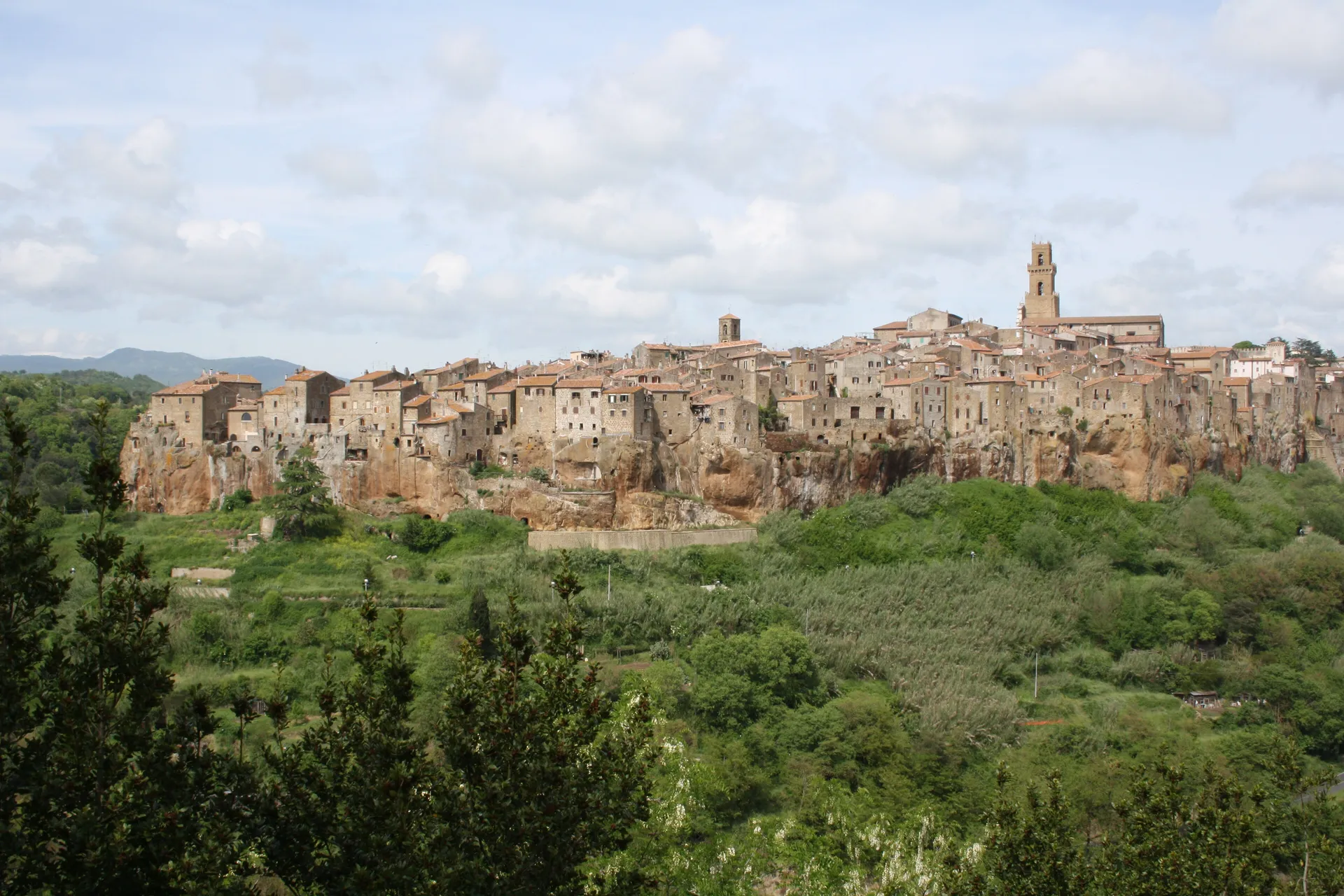
Pitigliano sits in the Maremma, one of Tuscany's less touristy and less expensive corners, so your euro goes noticeably further here than in Florence or Siena. A one-bedroom apartment inside or just outside the historic walls typically runs $510 to $740 a month, and if you're open to nearby Sorano or Sovana you can find rustic stone houses for even less. Groceries at the local Conad or the weekly outdoor market are affordable, and a plate of pici with wild boar ragu at a family-run trattoria rarely tops $14. Wine is a genuine bargain: this is Bianco di Pitigliano country, and a good bottle at a local enoteca costs less than a coffee does in a big Italian city. Budget roughly $1,250 to $1,800 a month for a comfortable single-person lifestyle including rent, food, a car, and the occasional weekend trip to the coast or Rome. Utilities and mobile data are standard Italian rates, cheap by nomad-hub standards but not dirt cheap, and the absence of a large expat or remote-work scene means you won't find the discounted long-stay deals that places like Lisbon or Chiang Mai offer.
Where to Work in Pitigliano
The first question for anyone planning to work from Pitigliano is where the desk will be, since the town has no coworking space at all. Your options are a handful of cafes and wine bars in the historic center that offer decent wifi and a table with a view over the tufa cliffs, or working from your rented apartment. Connectivity is generally reliable, most rentals now come with fiber or a solid ADSL connection, and mobile data from TIM, Vodafone, or WindTre covers the town well, though it can dip in the surrounding countryside and the sunken Vie Cave roads. For video calls, test your spot in advance since old stone walls and hillside terrain can create dead zones. If you need a real coworking community, meeting rooms, or fast dedicated fiber for daily heavy uploads, look toward Grosseto or plan periodic trips to Florence or Rome. Pitigliano rewards people who work independently in short, focused stretches and who value quiet and scenery over networking events and standing desks.
Getting Around Pitigliano
A car is close to essential in Pitigliano. The town itself is compact and entirely walkable, its steep medieval lanes and stairways are not built for vehicles anyway, but everything beyond the historic center, from the supermarket to the train station to neighboring towns, is easier and often only practical with your own wheels. Public buses (Tiemme) connect Pitigliano to Grosseto, Manciano, and other Maremma towns a few times a day, and there are regional connections toward Orvieto across the regional border, but schedules are sparse and not built around a working professional's day. The nearest train stations are in Orbetello or Grosseto, over an hour away by car. Renting a car for at least part of your stay opens up the Vie Cave sunken Etruscan roads, Sovana, Sorano, the Maremma coastline, and the wineries and thermal springs scattered across the countryside, all of which are genuinely worth the drive. Cycling is popular among locals for short hops but the surrounding hills are demanding.
Sorting transport? Book an airport transfer, or compare car rental on Auto Europe and QEEQ.
Visas for Pitigliano
Italy follows the Schengen rules for most nationalities: visa-free visitors, including US, UK, Canadian, and Australian passport holders, can stay up to 90 days within any 180-day period without a visa. If you want to stay longer, Italy introduced a self-employment work visa track sometimes marketed as a digital nomad or remote worker visa, aimed at non-EU remote employees and freelancers earning above a minimum income threshold and holding health insurance, though the application process runs through an Italian consulate in your home country and requires patience and paperwork. EU, EEA, and Swiss citizens can simply move in and register residency (residenza) at the local comune once they plan to stay long-term. Because Pitigliano is a small town, expect the local bureaucracy, the questura for permits or the anagrafe for residency, to be friendly but slow and mostly in Italian, so budget time and, ideally, a bit of local help or a commercialista for anything involving tax residency or self-employment registration. For anyone who drives their own car down from Britain, the outer Schengen border is the French control at Dover or at the Channel Tunnel terminal in Folkestone, where the Entry/Exit System takes your biometrics before departure; from there to the Maremma no frontier checks you again, and every day on the road counts toward the allowance.
Best Time to Visit Pitigliano
Late spring (April to June) and early autumn (September to October) are the sweet spots, with warm days, cool evenings, wildflowers or grape harvests in the surrounding countryside, and noticeably thinner day-tripper crowds than midsummer. July and August bring proper Mediterranean heat, often into the mid-30s Celsius, along with the busiest tourist traffic as visitors pour in for day trips from the coast and for the town's illuminated night views. Winters are mild by northern European standards but genuinely cool and often damp, with occasional fog settling into the valleys below the tufa cliffs, and many small restaurants and shops reduce their hours or close for stretches. If you want Pitigliano at its most atmospheric with the fewest crowds, aim for October through early November or March into April, when the light on the honey-colored stone is especially striking and you can actually get a table without a reservation. March has one night worth planning around: on the 19th, the feast of Saint Joseph, around forty torchbearers carry burning reed bundles through the old town behind the saint's statue and set alight the Invernaccio, a towering straw figure of winter, in the main square.
Pros and Cons of Pitigliano
The pros are substantial for the right person: a genuinely stunning, dramatic setting carved into tufa rock, a rich and unusual history as La Piccola Gerusalemme with its restored synagogue and Jewish quarter, easy access to Etruscan archaeology, the Vie Cave, Sovana, and Sorano, excellent and affordable Maremma wine and food, and a slower, more authentic pace of Tuscan life than the postcard hill towns further north. The cons are just as real: this is a small town of a few thousand people, not a remote-work hub, with essentially no coworking infrastructure and a thin community of other remote workers or long-term expats to plug into. Nightlife is minimal, a few bars and enotecas close early, and daytime crowds of tourists and tour buses can overwhelm the historic center's narrow streets in peak season. Winters are quiet to the point of sleepy, some businesses close seasonally, and without a car you'll feel genuinely stuck.
Who Pitigliano Is For
Pitigliano suits remote workers who want a scenic, low-cost, low-distraction Tuscan base for a few weeks or a couple of months rather than a plug-and-play digital nomad hub. It works well for writers, researchers, and anyone doing deep solo work who values dramatic landscapes, history, and good wine over coworking lounges and networking meetups, and who is comfortable driving to reach groceries, trains, or a wider social scene. Couples and older remote workers researching Italian culture, wine, or archaeology will find plenty to sustain them here. It is a poor fit for anyone who needs a built-in community of fellow nomads, reliable public transit, a buzzing nightlife scene, or coworking desks with standing meetings, and it is not the place to land without a car or a strong tolerance for quiet, tourist-heavy days followed by very quiet nights.