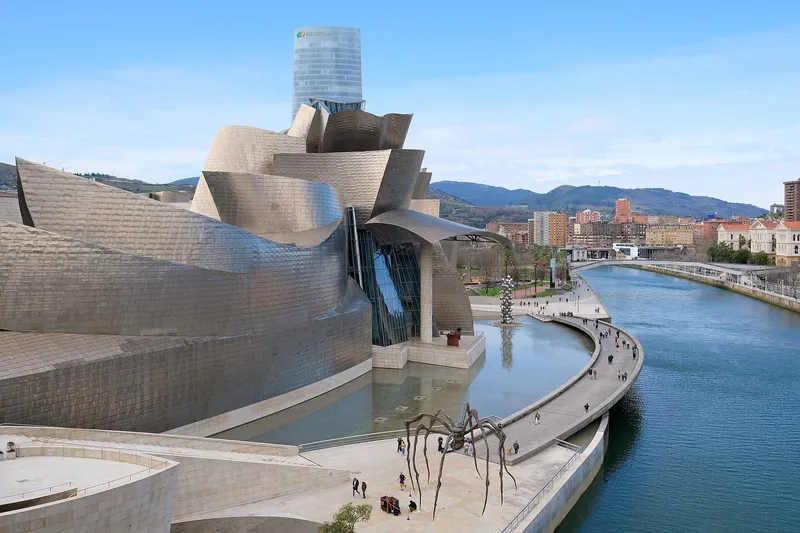
Florence skyline panorama from Piazzale Michelangelo, showing the Arno river, Palazzo Vecchio tower, and the Duomo
Photo: PROPOLI87 / Wikimedia Commons (CC BY-SA 4.0)
Italy flag

Florence

Italy

Experience renaissance masterpieces, Tuscan hills, and artisan gelato.

€2.800
Monthly Budget
--
Current Weather
Mediterranean
Climate Type
60 Mbps
Avg. WiFi Speed
7/10
Safety Score
2,000+
Active Nomads
--
Time Difference
Scroll
0
Nomad Score

What Florence Offers Digital Nomads

Experience renaissance masterpieces, Tuscan hills, and artisan gelato. A mediterranean climate and strong culture make Florence an easy base, and at about $2,800 a month it fits a range of budgets. Keep cost in mind.

Compare Florence vs Bologna →

Category Breakdown

How Florence scores across all 13 factors

Weather in Florence

Monthly averages from 2019-2023 (Open-Meteo), and the best time to visit

10°
Jan
13°
Feb
15°
Mar
18°
Apr
22°
12°
May
29°
16°
Jun
32°
19°
Jul
32°
19°
Aug
27°
16°
Sep
22°
12°
Oct
16°
Nov
12°
Dec
Daily high & low (°C)Rainfall (mm/month)Best months to visit

The best time to visit Florence for comfortable weather is Jun, Jul, Aug. The warmest month is Jul (around 32°C by day), and the wettest is Nov (about 156mm of rain).

Chasing good weather? See other cities that are warm in Jun, or plan a multi-city route around the seasons. Staying a while in Florence? Check visa options, your time-zone overlap and how far your budget stretches, or find it on the world map.

Historical monthly averages, not a forecast. Source: Open-Meteo.

Best Neighborhoods in Florence

Where to base yourself for the perfect nomad experience

Centro Storico

$$$
Renaissance & Tourist

Renaissance perfection in Florence's heart

Florence's historic center is Renaissance perfection - the Duomo, Uffizi, and Ponte Vecchio within walking distance. It's extremely touristy but incomparably beautiful. Stay here for short-term immersion in history.

Best for: Art lovers, first-time visitors, and nomads seeking iconic Florence
✓ Pros
  • Incredible art
  • Historic sites
  • Walkable
  • Beautiful
✗ Cons
  • Extremely touristy
  • Very expensive
  • Crowded

Oltrarno

$$
Artisan & Authentic

Artisan Florence on the other side of the river

Oltrarno is Florence's artisan quarter - across the Arno, away from worst crowds. Traditional workshops, local restaurants, and Piazza Santo Spirito create authentic atmosphere. Florence for those who stay longer.

Best for: Long-term nomads, craft lovers, and those seeking authentic Florence
✓ Pros
  • Artisan character
  • Less touristy
  • Local restaurants
  • Authentic
✗ Cons
  • Fewer sights
  • Basic infrastructure
  • Quieter

San Lorenzo

$$
Market & Central

Market life around Medici chapels

San Lorenzo surrounds the famous market and Medici Chapels. It's busy and commercial but central, with leather goods markets and food halls. Working Florence rather than postcard Florence.

Best for: Market lovers, food enthusiasts, and budget nomads seeking central location
✓ Pros
  • Famous market
  • Central location
  • Food options
  • Affordable
✗ Cons
  • Very busy
  • Tourist vendors
  • Noisy

Santa Croce

$$
Local & Central

Florentine neighborhood life near famous basilica

Santa Croce offers more neighborhood feel - the famous basilica, Piazza Santa Croce, and local life just east of center. It's where Florentines actually live while staying close to everything.

Best for: Long-term residents, sports fans (stadium nearby), and those seeking local life
✓ Pros
  • Neighborhood feel
  • Great square
  • Near center
  • More local
✗ Cons
  • Game day crowds
  • Some tourist overflow
  • Rising prices

Campo di Marte

$
Residential & Local

Residential Florence near the stadium

Campo di Marte is Florence's residential east - near the stadium, with parks and modern infrastructure. It's where Florentine families live, offering value and authentic life away from tourist center.

Best for: Families, long-term nomads, and those seeking authentic residential life
✓ Pros
  • Good value
  • Local life
  • Parks
  • Train station
✗ Cons
  • Far from center
  • Less charming
  • Game day chaos

Cost of Living in Florence

Florence sits at the expensive end of Italian cities for remote workers, largely because its compact historic center is one of the most visited urban areas in Europe. Budget honestly and you can make it work; go in unprepared and the tourist-zone pricing will catch you off guard.

  • Rent, central (Santa Croce, Duomo, San Giovanni): €1,100-1,500/month (~$1,200-1,650) for a one-bedroom
  • Rent, cheaper areas (Rifredi, Campo di Marte, Gavinana): €750-950/month (~$820-1,050) for a one-bedroom
  • Groceries: €200-300/month (~$220-330) shopping at Esselunga or Lidl
  • Eating out: €12-18 for a trattoria lunch, €25-45 for dinner; budget €250-400/month if you eat out regularly
  • Coworking hot desk: €200-350/month (~$220-385); day passes run €15-25
  • Local transport (bus/tram): €35-40/month for a monthly pass; the city center is walkable so many nomads skip it entirely
  • Total realistic range: €1,800-2,600/month (~$2,000-2,860) depending on how central you live and how often you eat out

A local on a local salary lives on roughly €1,300/month. As a remote worker paying market rent and eating at restaurants a few times a week, plan for the higher end of the range above.

Where to Work

Florence has a handful of solid coworking options and a thriving specialty coffee scene, though cafe culture here leans more toward standing at the bar than camping with a laptop for hours.

Coworking Spaces

Nana Bianca (near the train station) is the most active community space, mixing startups with remote workers and running regular events. Impact Hub Firenze in the Rifredi neighborhood suits heads-down work, with dedicated desks and fiber internet. Ruby Dante Workspaces near Piazza della Liberta offers polished shared offices from around €320/month with flexible day-pass options from €20. The Social Hub Florence (formerly The Student Hotel) combines a cafe, coworking, and event space near the river and works well for shorter stays.

Cafe Work Culture

The Italian bar tradition means most locals drink their espresso standing and leave in five minutes. That said, Ditta Artigianale, a specialty micro-roastery with several locations, is explicitly laptop-friendly with long tables, fast WiFi, and no pressure on time. La Menagere in the center also has generous space. Avoid tourist-facing cafes around the Duomo for work; they are crowded, expensive, and the WiFi is patchy.

WiFi Reality

Coworking spaces have reliable fiber connections. Many apartment buildings still run on ADSL rather than fiber, so check before signing a lease. For backup, a local SIM (TIM or Iliad) with a data plan runs around €10-15/month and covers most of the city well.

Getting Around

Florence's historic center is compact enough to walk almost everywhere you need to go day-to-day. Most attractions, coworking spaces, and restaurants within the walls are 20-30 minutes on foot from each other.

The city's bus network (ATAF/Autolinee Toscane) covers the wider city reasonably well, and a monthly pass costs around €35-40. The T1, T2, and T3 tram lines connect key neighborhoods and run frequently. Cycling is popular but cobblestones make it harder than it looks; rental e-bikes exist but are mainly tourist-focused.

Airport: Florence's Amerigo Vespucci Airport (FLR) is about 5 km from the center. The T2 tram runs directly from the airport to the main train station (Santa Maria Novella) every 5-10 minutes, costs €1.50, and takes roughly 20 minutes. Taxis from the airport charge a fixed €22 for the historic center. Pisa airport (PSA, 80 km away) serves more budget carriers and connects via a direct train to Florence SMN.

Visas and Staying Long-Term

As part of the Schengen Area, Italy allows most Western passport holders (US, UK, Canada, Australia) to stay visa-free for up to 90 days in any 180-day period. This covers a short-term stay but not long-term remote work.

Italy introduced a formal Digital Nomad Visa (Visto per Nomadi Digitali) that allows non-EU remote workers to live in Italy for 12 months, renewable. Key requirements include a minimum annual income of around €28,000, proof of remote employment or freelance clients based outside Italy, a university degree or professional qualification, health insurance, and at least six months of remote work experience. Processing typically takes one to three months and must be done at an Italian consulate in your home country before arrival. The application fee is €116.

EU and EEA citizens can live and work in Italy without restrictions. Always verify current requirements with the official Italian consulate or Ministry of Foreign Affairs website before applying.

Best Time to Visit

For remote work, the sweet spots are March through May and September through November. Spring brings mild temperatures (15-22C), manageable crowds, and long evenings. Autumn is arguably the best window: cooler air, harvest produce, and the city returns to locals after the summer exodus.

Summer (June through August) is genuinely uncomfortable for work. Temperatures regularly hit 35C or above, humidity is high, and the historic center fills with tour groups. Many local shops and restaurants outside the tourist belt close for two or more weeks in August as Florentines head to the coast.

Winter (December through February) is the least crowded and cheapest time to visit. Temperatures drop to 3-10C, it rains regularly, and some smaller venues reduce hours. If you prioritize focus, low costs, and an authentic local pace, winter works well and the city is genuinely beautiful in the quiet months.

Pros and Cons

  • Exceptional cultural environment: world-class museums, architecture, and food within walking distance of any apartment
  • Compact and walkable with no need for a car in day-to-day life
  • Strong specialty coffee and food scene for daily quality of life
  • Good flight connections via both FLR and PSA airports
  • Mild seasons in spring and autumn that are genuinely pleasant for outdoor work breaks
  • Established expat and student community making it easier to meet English speakers
  • Expensive relative to other Italian cities, especially rent in central areas
  • Heavy tourist congestion from April to October; some streets feel like theme parks
  • Brutal summer heat with limited air conditioning in older buildings
  • Pickpocketing is a real risk on buses and in crowded markets; Florence ranks high in Italy for petty theft
  • Nightlife is limited compared to Rome or Milan; the city quiets down early
  • Integrating socially with locals takes time; the community can feel inward-facing outside of international student circles

Who Florence Is Best For

Florence rewards people who want to live inside one of the great art cities of the world and are willing to pay for it. If your idea of a productive day involves a morning espresso at a century-old bar, focused work in a good coworking space, a long trattoria lunch, and an evening walk past the Arno, Florence can feel almost unreasonably good.

It suits designers, writers, and creative professionals who draw energy from visual and cultural immersion. History lovers, architecture enthusiasts, and food-focused nomads will find the everyday environment deeply satisfying. It also works well for people who want a base to explore Tuscany, given the day-trip options to Siena, Lucca, and Chianti.

Skip Florence if you need a buzzing nightlife scene, a large active nomad meetup community, or a tight budget. It is not the place if you want to grind in a neutral, distraction-free environment; the city constantly competes for your attention. Nomads who do best here are those who treat that competition as the point.

Where to Stay in Florence

Top neighborhoods and accommodations for digital nomads

The Social Hub Florence Lavagnini

Aparthotel
Lavagnini

Purpose-built for long stays with coworking spaces, rooftop pool, gym, and a lively international community.

Check availability →

Repubblica Firenze Luxury Apartments UNA Esperienze

Serviced apartments
Piazza della Repubblica

Penthouse apartments with private terraces and full kitchens in the central square, rated 8.9 on Booking.com.

Check availability →

SoprArno Suites

Boutique hotel
Oltrarno

Individually designed suites in a quiet local neighborhood steps from Ponte Vecchio, rated 9.3 by Booking.com guests.

Check availability →

Palazzo San Niccolò

Aparthotel
Oltrarno

Spacious apartments with free Wi-Fi and a private garden in the artisan Oltrarno district, near Ponte Vecchio.

Check availability →

PLUS Florence

Hostel
Santa Maria Novella

Top-rated hostel with indoor and outdoor pools, free Wi-Fi, and a rooftop terrace close to the main train station.

Check availability →

Browse apartments, aparthotels and hotels across Florence. Compare prices and book a base that suits a remote-work stay.

See available stays in Florence →

Affiliate link. See our disclosure.

Best Coworking Spaces

Where nomads get work done in Florence

Nana Bianca

Startup coworking
Santa Maria Novella

Active startup hub near the train station with dedicated desks, events, and a ground-floor cafe for lighter work sessions.

Visit website →

Impact Hub Firenze

Innovation coworking
Rifredi

Spacious social enterprise hub near Rifredi station offering hot desks, private offices, meeting rooms, and fiber internet.

Visit website →

Ruby Dante Workspaces

Premium coworking
Piazza della Liberta

Polished 247sqm workspace with 36 desks, super-fast WiFi, a private terrace, and flexible day passes from EUR 20.

Visit website →

The Social Hub Florence

Hybrid coworking cafe
Oltrarno

Modern multipurpose space combining coworking, a cafe, and event areas near the river, popular with longer-stay remote workers.

Visit website →

Ditta Artigianale Via dei Neri

Specialty coffee cafe
Santa Croce

Micro-roastery cafe with long tables, reliable WiFi, brunch menu, and a welcoming attitude toward laptop workers during off-peak hours.

Visit website →

La Via del Te

Tea house cafe
San Niccolo

Quiet multi-room tea shop off the main tourist circuit with reliable WiFi, plenty of seating, and no pressure to leave quickly.

Visit website →

Where to Eat & Drink

Best food and drink spots in Florence

Trattoria La Casalinga

Tuscan trattoria
Santo Spirito

Family-run institution since 1963 serving hearty ribollita and pappa al pomodoro at honest prices in a packed, no-frills room.

View on Maps →

Gustapizza

Neapolitan pizza
Oltrarno

Cash-only Oltrarno favorite using a wood-fired oven and naturally leavened dough; expect a short queue at peak times.

View on Maps →

Il Santino

Wine bar
Santo Spirito

Tiny sibling to Enoteca Pinchiorri with an exceptional wine list, superior cured meats, and cheese in a candlelit room with four tables.

View on Maps →

Buca dell'Orafo

Classic Tuscan
Centro Storico

Historic basement restaurant near Ponte Vecchio open since 1945, known for bistecca Fiorentina and authentic Tuscan classics.

Visit website →

Ristorante Buca Mario

Classic Florentine
Centro Storico

Florence's oldest restaurant, founded in 1886, serving reliable Tuscan standbys including lasagna and grilled meats in a vaulted dining room.

Visit website →

All'Antico Ristorante Cambi

Rustic Tuscan
Oltrarno

Old-school Oltrarno trattoria with a front case of cured meats and aged cheeses, serving grilled steaks and traditional Florentine pasta dishes.

View on Maps →

What Do Nomads Say?

Vote on how accurate these scores are based on your experience

Cities with a Similar Vibe to Florence

Different places that score alike across our 13 categories, if you like Florence, these tend to feel similar.

In the rankings

Where Florence ranks

Florence features in 1 of our 32 city rankings.

  1. 5Best cities in Italy
  2. Best cities in Europe

Frequently Asked Questions About Florence

How much does it cost to live in Florence as a digital nomad?

A comfortable nomad budget in Florence is around $2,800 a month: a furnished rental, food, coworking, and getting around. Live a little outside the center or eat local to spend less.

Is the internet fast enough for remote work in Florence?

With a WiFi score of 6/10, connectivity in Florence is workable for calls and focused work. A prepaid local SIM keeps you online when you are away from the apartment.

Is Florence safe for digital nomads?

Florence scores 7 out of 10 for safety in our ratings, which is good for solo travel and long stays. Use normal precautions at night and with valuables, and choose well-reviewed areas.

Is Florence a good city for digital nomads overall?

For nomads, Florence is worth a look if you value culture and food. Costs sit near $2,800 a month and the community keeps growing, though, like anywhere, it will not match every checklist.