Cost of Living in Cagliari
Where this figure comes from. No cost survey covers Cagliari, so the $1,500 a month above is our own estimate rather than a measurement. On 416 of our 999 city guides the figure is built from a published Numbeo basket, a one-bedroom rent in the centre plus one person's monthly costs without rent, converted to USD; this city is not one of them. How we source everything.
Budget around $1,500 a month as a solo remote worker in Cagliari, which is cheaper than mainland Italian cities of comparable size and well below Rome or Milan. A one-bedroom apartment runs roughly $550 to $850, with the Castello and Marina districts at the upper end. Food is good value: the markets are excellent and a full meal in an ordinary trattoria is reasonable. Sardinian wine and produce are cheap. Utilities are moderate, with hot summers needing cooling. Ferry and flight connections to the mainland are an ongoing cost that island living adds. Italian leases come in fixed shapes and the one you are offered matters: the standard residential contract runs four years with automatic renewal, while the shorter transitional contract, which is what most foreigners without residence are given, costs more per month. Expect an agency commission of a month or more plus a deposit, and condominium charges billed separately for the building's shared costs. The tighter squeeze is seasonal, since a good deal of the central housing stock moves to holiday letting over the summer, so a year-round lease is easier to find in autumn than in May.
Where to Work in Cagliari
Cagliari has a modest coworking scene, supported by the university and a small technology and services sector, with desks at reasonable rates. Italian fibre has reached the city and offers decent speeds at ordinary European prices, and mobile coverage is comprehensive across the urban area. Quality varies by building, as it does throughout Italy, and the older stone properties in Castello can be awkward to service. For ordinary remote work the connectivity is entirely adequate, and better than much of southern Italy. Anyone taking a flat in the Castello should ask specifically about the connection, since the medieval walls defeat a lot of domestic wifi hardware. The administrative side of working from Italy is harder than the technical one. Anyone invoicing locally will meet the partita IVA and the accountant that effectively comes with it, and the flat-rate regime for small earners is worth asking about by name. Central European time makes the European day straightforward and the American one late. August is the month to plan around: a large share of small businesses, coworking included, simply close for two or three weeks around Ferragosto.
Getting Around Cagliari
Cagliari climbs from the port to the walled Castello district and the centre is walkable if you accept the hills and the lifts that help with them. Buses and a light rail line cover the wider city cheaply. Poetto beach runs eight kilometres along the eastern side and is reachable by bus in fifteen minutes. The airport at Elmas is ten minutes out by train with connections across Europe. Ferries leave for the Italian mainland. A car is needed for the rest of Sardinia, where public transport is thin and the interior is empty. The ferries are long crossings rather than hops. Civitavecchia for Rome takes most of a night and the Genoa and Livorno routes longer, and taking a car across is what makes the time worth spending. Sardinian roads are good and largely empty, which turns driving here into a pleasure rather than a chore, though distances are greater than the map suggests and the interior has few petrol stations. A slow train line runs north towards Oristano and Sassari and is a reasonable alternative for the main towns.
Sorting transport? Book an airport transfer, or compare car rental on Auto Europe and QEEQ.
Visas for Cagliari
Italy is in the Schengen area, so most non-EU nationals get ninety days within any 180-day period and EU citizens face no restriction. Italy's digital nomad visa, in force since 2024, is open to highly qualified remote workers meeting income, insurance and accommodation requirements, applied for at an Italian consulate before travel. Processing is slow and consulate practice varies considerably, so allow months rather than weeks. The elective residence visa is an alternative for those with sufficient passive income who will not work. Anyone applying for the nomad visa should also budget for the appointment backlog, which in some consulates has run to many months. The codice fiscale, the tax code, is needed for a lease, a phone contract and a bank account, and it is free and quick to get. The permesso di soggiorno has to be applied for within eight days of arriving on a long-stay visa, submitted through a post office kit and completed at the questura, and the appointment itself can fall months later while the receipt covers you in the meantime. Keep that receipt, because it is the document that matters. Ryanair's year-round London Stansted flight makes Elmas an outer Schengen border in its own right, so British arrivals are registered by the Entry/Exit System on the island rather than at a mainland hub.
Best Time to Visit Cagliari
May, June, September and October are the best months, with warm dry days, sea temperatures that are comfortable from late spring into autumn, and none of the August crowds. Summer from July to August is hot, regularly above thirty, and the island fills with Italian holidaymakers, which is when accommodation is most expensive and hardest to find. Winter is mild by any northern standard, with highs around fifteen, and it is the wettest season, though the totals are modest. The mistral wind blows hard through parts of the year. The mistral is also what makes the sailing here good, so the same wind that empties the beach fills the bay with boats. Sant'Efisio on the first of May is worth timing a visit around: a procession in Sardinian dress escorts the saint's statue out of the city, and it is the largest traditional event on the island. Flamingos nest at the Molentargius ponds inside the city boundary from spring onwards, several thousand pairs of them, and they are visible from the road between the centre and Poetto for most of the year.
Pros and Cons of Cagliari
Cagliari gives you a genuine Italian city with a walled medieval quarter, an eight-kilometre city beach, flamingos in the salt pans at the edge of the built-up area, and Sardinian food and wine, at prices below the mainland. The airport is ten minutes from the centre. Little English is spoken, island logistics add cost and time to anything at all involving the mainland, the interior of Sardinia requires a car of your own, and the place empties after summer in a way that suits some people and not others. Flight connections are also seasonal: the routes that make the airport feel well connected in July thin considerably by November. The city is very safe by the standards of Italian cities its size, and that is consistent rather than anecdotal. And Sardinia is not simply Italy with better beaches: Sardinian is a language rather than a dialect, the island's history runs separately from the mainland's, and the local sense of that difference is strong and worth respecting rather than flattening. Youth emigration is the island's structural problem, and it shows in the smaller towns far more than in the capital.
Who Cagliari Is For
Mediterranean island living with a real city attached rather than a resort, helped along by some Italian or the willingness to learn. Swimmers and sailors have the clearest case, and the beach sits inside the same municipal boundary as the medieval quarter, which is not a common arrangement. English will not carry a whole day, island logistics turn every plan into a ferry timetable or a flight, and the international community Sardinia has is confined to the Costa Smeralda and to the eight weeks a year it is occupied. Sardinia's capital stays open when the rest of the Mediterranean shuts. This is a city that is lived in through the winter rather than a resort that closes in October, which is rarer on these islands than it should be. Among the Mediterranean islands the shape of the choice is this: Sicily is bigger, cheaper and more chaotic, Malta is English-speaking and crowded, and Sardinia is the calmest and cleanest of the three with the fewest people on it. A family will settle here without much friction. The thing to check before committing is how you feel about a quiet November, since both the island's population and its social life contract sharply once the season ends.
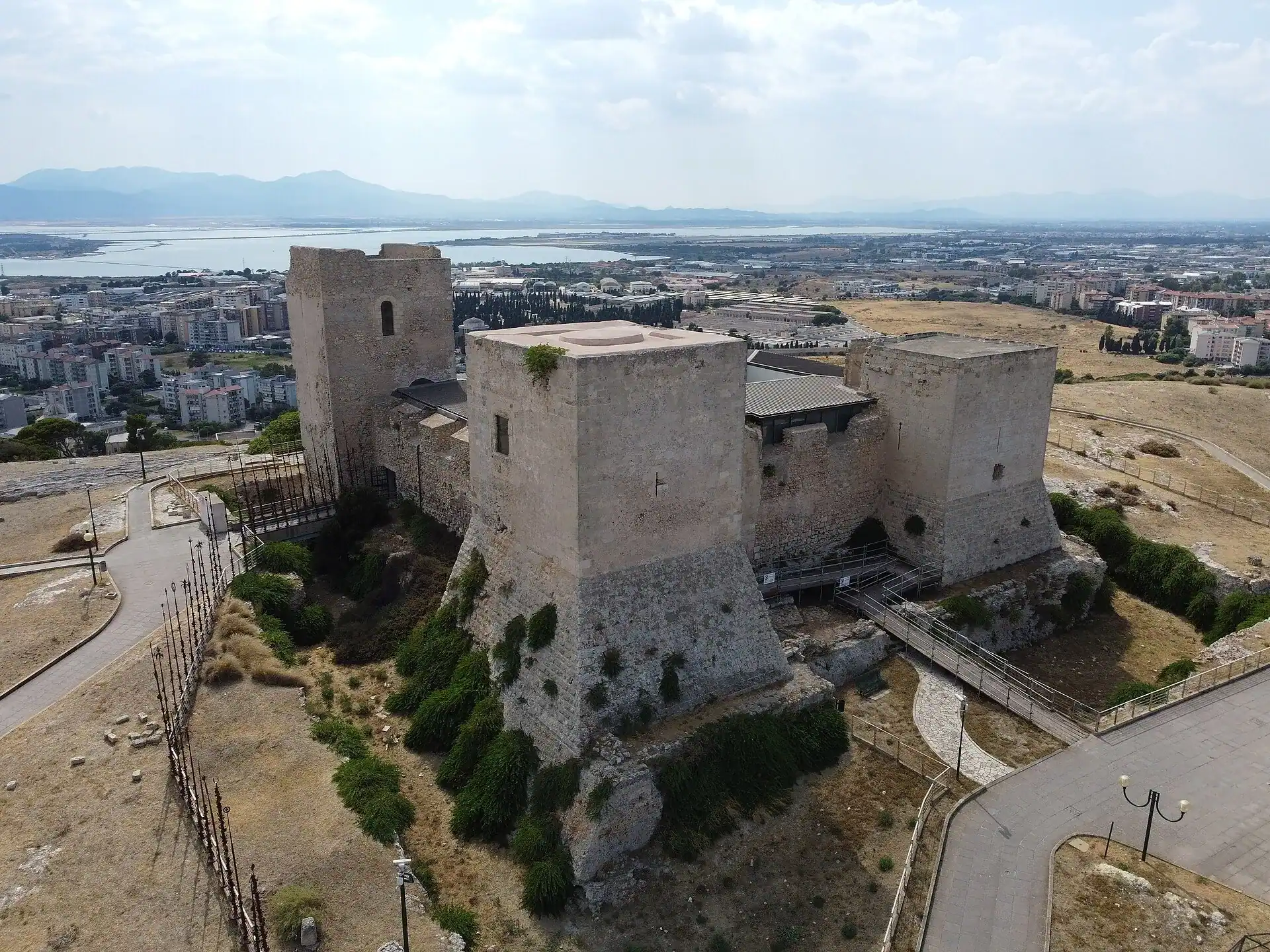 Photo: Elisa.Mnn / Wikimedia Commons (CC BY-SA 4.0)