Cost of Living in Lucca
Real market data
Source: Numbeo · August 2026
$1,690/moSolo nomad1-bed centre + living costs
$2,390/moCoupleshared 1-bed + costs
$1,570/moLean / localcheaper area + costs
- 1-bed rent, city centre$810€700
- 1-bed rent, outside centre$690€600
- Monthly costs excl. rent (1 person)$880€764
- Meal, inexpensive restaurant$19€17
- Monthly transit pass$36€31
- Buy price, per m² (centre)$4,120€3,575
Prices are from Numbeo (August 2026), converted to USD at $1 = €0.87 (01 Aug 2026). The monthly living-costs figure is our transparent one-person basket, groceries, a few meals out, utilities, phone, internet, transport and essentials, priced from those figures. Solo adds central rent; couple and lean are estimates from the same numbers.
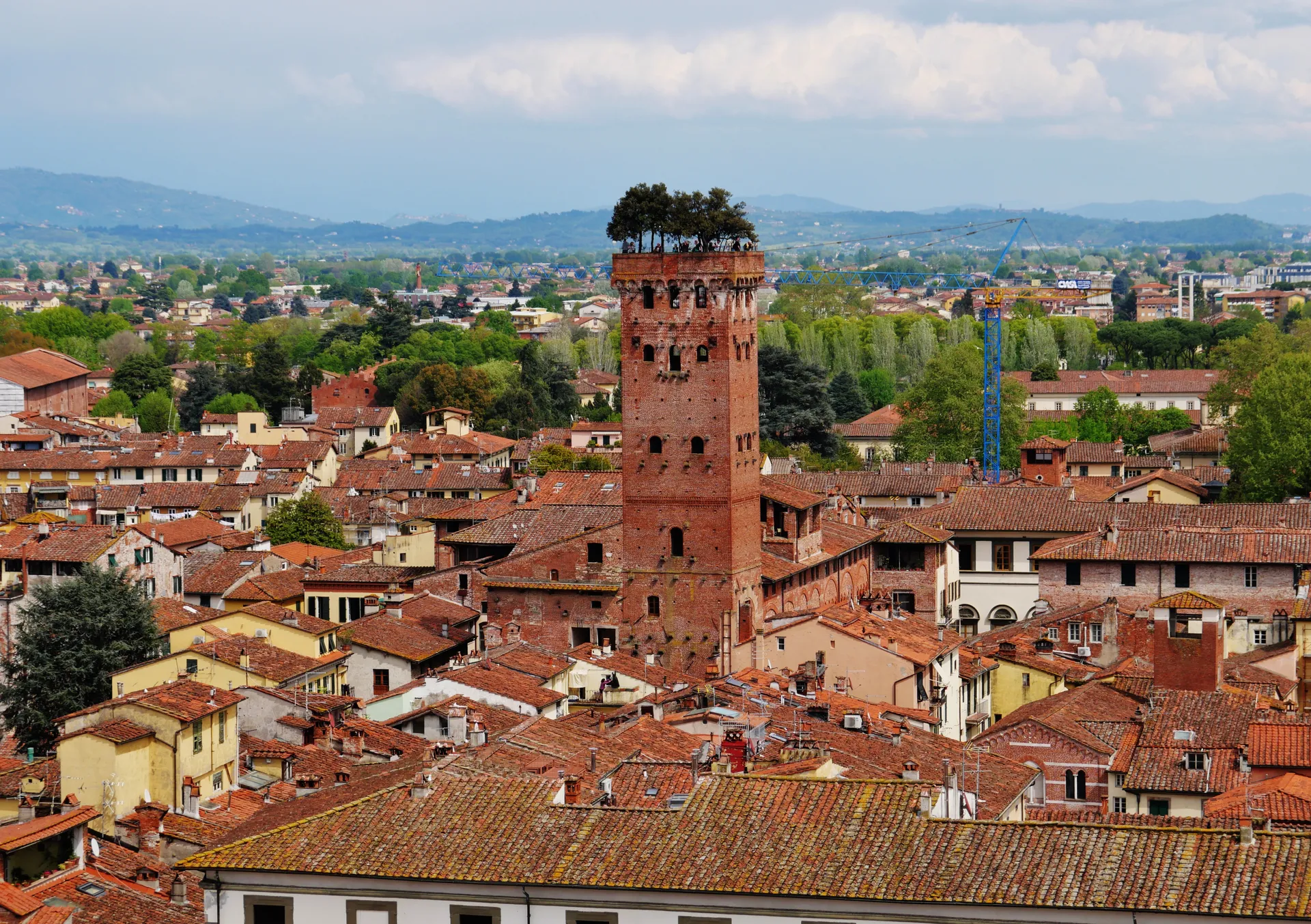
Lucca sits at the affordable end of Tuscany, cheaper than Florence yet full of the same beauty. A comfortable month for a single nomad lands roughly between $1,400 and $1,900, depending on how you rent and eat. These figures are editorial estimates rather than surveyed averages, so treat them as a planning guide. Renting a small flat inside or just outside the walls is your biggest cost, followed by groceries, the odd trattoria dinner, coffee at the bar, and a monthly mobile plan. Cooking at home with produce from the covered market and local shops keeps things low, while daily restaurant meals push the upper figure. The number is shaped by two Italian rental habits. A long lease is usually four years plus four, which nobody offers a foreigner on a one-year plan, so what you will actually be signing is a transitory contract at a higher monthly rate, or a furnished let aimed at students from the music conservatory. And the condominium charge, the waste tax and the heating arrive as their own bills, often after the fact, so ask what a previous tenant actually paid across a winter rather than what the advert says.
- One-bed flat rent (monthly): roughly $750 to $1,100
- Groceries for one: around $250 to $350
- Espresso at the bar: about $1.20 to $1.50
- Casual trattoria dinner for one: roughly $18 to $30
Where to Work in Lucca
Lucca is a small city, so your workspace is usually a good flat with reliable fibre plus a rotation of cafes. Dedicated coworking exists but is limited, so many remote workers book a desk in one of the shared offices near the centre or simply settle into a quiet cafe mid-morning before the lunch rush. The historic centre has plenty of characterful bars for a short session, though few expect you to camp for hours. For focused days, a home office with a decent chair beats hunting for outlets. In fine weather, the wide walls make an excellent spot to clear your head between calls. Plan around the middle of August rather than through it. A great deal of the country closes for two or three weeks then, including the shops, the dentists and often the internet installer, so anything administrative should be finished by July or left until September. The other seasonal note is noise: this is a small walled city with a summer concert series in its main square, and a flat near the piazza in July has music until late several nights a week. Lovely once, difficult on a deadline.
Getting Around Lucca
Lucca is flat, compact, and made for bicycles, which is by far the best way to get around. The old town is largely pedestrian and cycle friendly, and you can pedal the entire circuit of the walls, about four kilometres, in well under half an hour. Most daily errands are a short walk or ride away, so a car is more burden than help inside the centre. For trips further afield, the train station sits just outside the southern walls, with regular services to Pisa in around thirty minutes, Pisa airport close behind, and Florence in roughly an hour and a half. Buses fill the gaps to nearby towns. Anyone bringing a car should understand the restricted-traffic zone. Cameras at every gate photograph plates and issue fines by post, often months later and often several at once, and a hotel or landlord has to register your plate for you to enter legally. Park outside the walls and forget the car. On the bicycle, buy a real lock: theft inside the walls is the commonest crime here by a distance. And note that national rail strikes are called several times a year with notice, which matters if a flight connection depends on that thirty-minute train.
Sorting transport? Book an airport transfer, or compare car rental on Auto Europe and QEEQ.
Visas for Lucca
Lucca is in Italy, part of the Schengen Area, so many visitors arrive under the standard ninety-days-in-any-one-hundred-and-eighty rule without a visa. For longer stays, Italy now offers a digital nomad and remote worker visa aimed at qualified people working remotely for employers or clients outside Italy, typically requiring proof of income, health insurance, and accommodation. Application is made through an Italian consulate before you travel. Once in Italy on a long-stay visa you generally apply for a residence permit locally. What the remote-work route does not include is healthcare. The visa requires private cover for its duration and does not enrol you in the national health service, though a resident can usually opt in voluntarily for an annual fee once the permit is issued, which is cheaper than most private policies and worth asking about at the local health authority. The other practical note is that the qualifying income is set as a multiple of the national exemption level rather than as a fixed sum, so it moves each year and any figure quoted in an article is out of date. Families landing at Pisa on a London flight should know that children under twelve give only a photograph at the Entry/Exit System desk, not fingerprints, though their passport details are still recorded.
Best Time to Visit Lucca
Late spring and early autumn are the sweet spots, with warm days, softer light, and fewer crowds than the peak of summer. May, June, and September bring pleasant temperatures ideal for cycling the walls and lingering in the piazzas. July and August turn hot and busier, with day trippers and the well-known Lucca Summer Festival drawing music fans into town. Autumn is atmospheric and quieter, and food lovers enjoy the seasonal produce. Winters are cool and damp rather than harsh, and the city feels calm and local, though some businesses keep shorter hours. For steady work and comfortable weather, aim for the shoulder seasons. The largest event of the local year is a comics and games convention held here each autumn, among the biggest of its kind anywhere, and for five days the entire walled city is given over to it, with several hundred thousand visitors and costumes on every street. Every bed for thirty kilometres is booked months ahead and normal life stops. Plan to be here for it or to be elsewhere. One more date deserves a mark: on the eve of the autumn holy day the city switches off its electric lights and lines the walls with candles.
Pros and Cons of Lucca
Lucca rewards nomads who want beauty, calm, and authentic Tuscan life over big-city buzz. The intact walls, flat cycle-friendly streets, superb food, and easy trains to Pisa and Florence make it a lovely base. The trade-offs are scale and social scene: this is a small city, so the remote-work community is thin, English is only moderately spoken, and nightlife is gentle. Weigh what matters to you before committing. What tips the balance for most people who stay is the wall. It is not a ruin: a complete Renaissance circuit four kilometres round, grassed and tree-lined on top, used every single day by the people who live here as a park, a running track and a commute. Almost nowhere else in the country has one intact, and it is what lets a city this small feel both contained and open. The thing it cannot solve is the size. There is one cinema, no university to speak of beyond the conservatory, and a professional world you cannot join. Most foreigners here are retired or married in. For a year of writing, that is close to ideal. For building a career or a social life from scratch, the regional capital is ninety minutes away and has both.
- Pros: stunning intact walls and historic centre, flat and superb for cycling, excellent Tuscan food, safe and clean, well connected to Pisa and Florence
- Cons: small remote-work community, limited coworking and nightlife, moderate English, summer heat and crowds, rentals can be tight
Who Lucca Is For
Lucca suits the nomad who values a slower, rooted rhythm: someone happy to cycle to the market, work a focused day from a comfortable flat, and spend evenings walking the walls or sharing tordelli in a family trattoria. It is a strong pick for couples, solo travellers who do not need a party scene, and anyone drawn to art, history, and food. If you want a dense coworking hub, constant networking, and lively nightlife, a bigger city will serve you better. But if quiet beauty, walkability, and easy access to the rest of Tuscany sound ideal, Lucca is hard to beat. On practicalities: come between April and June for a first look, take a flat outside the walls rather than inside them, and buy a bicycle in the first week rather than renting one. The difference in rent between inside and outside is large and the difference in walking time is four minutes. Six months is the stay that lets the place become ordinary, which is when it starts to be good. And learn Italian properly rather than getting by, because in a city this size the alternative is spending a year among the other foreigners, which is not why anyone comes here.