Cost of Living in Matera
Where this figure comes from. No cost survey covers Matera, so the $1,300 a month above is our own estimate rather than a measurement. On 416 of our 999 city guides the figure is built from a published Numbeo basket, a one-bedroom rent in the centre plus one person's monthly costs without rent, converted to USD; this city is not one of them. How we source everything.
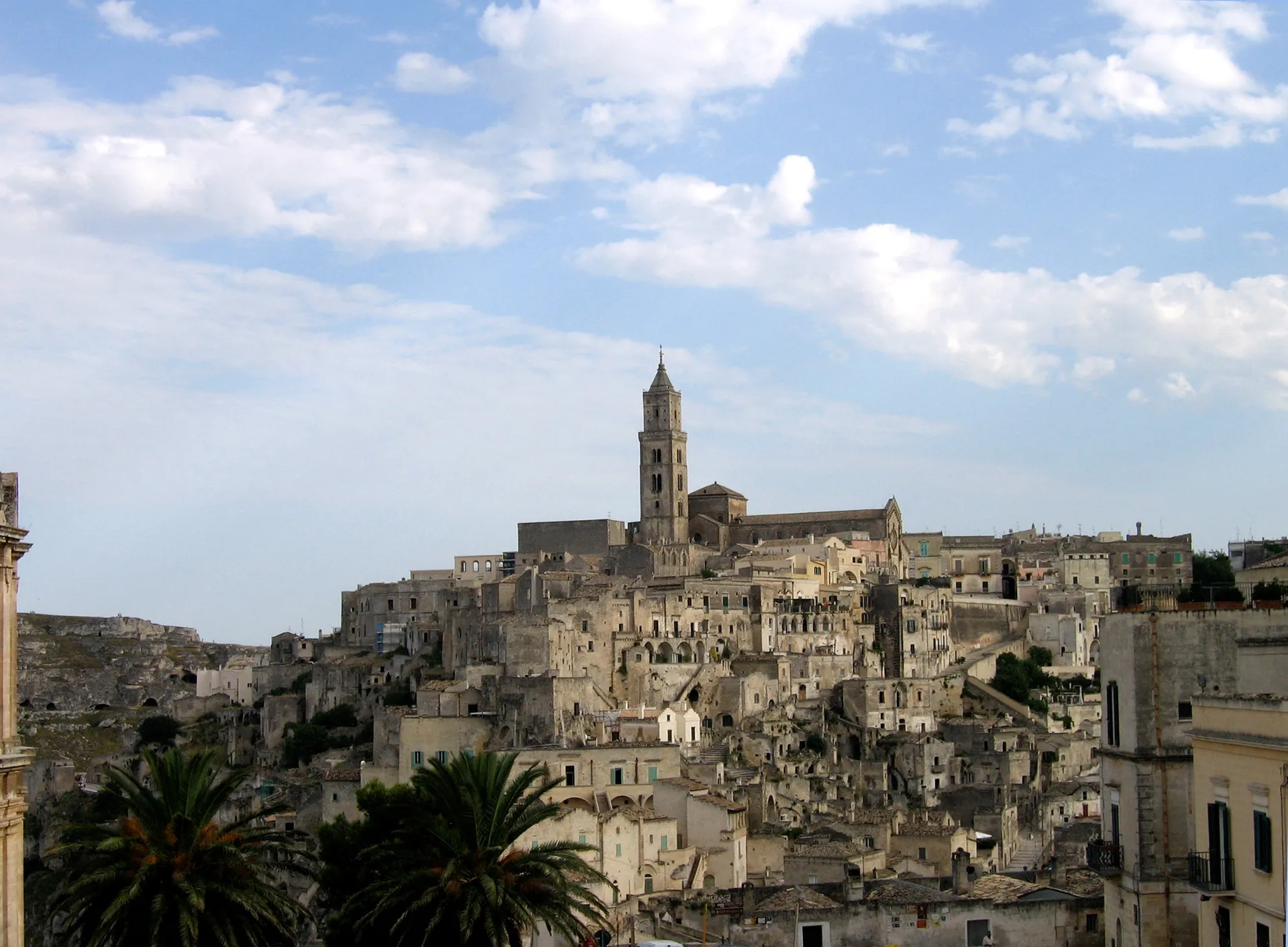
Matera is affordable by Italian standards, noticeably cheaper than the big northern cities and much of Tuscany, though its fame as a UNESCO site and film location has pushed prices up from their once-rock-bottom levels. A comfortable single-person budget runs roughly $1,100 to $1,600 a month. A furnished apartment in or near the historic centre costs about $550 to $900, with atmospheric cave-house Sassi lets at the higher end. These are our editorial estimates in US dollars, with rent the main variable; southern Italian food and everyday costs stay gentle on the wallet. The old-quarter flats come with a caveat that rarely appears in a listing. A dwelling cut into rock holds moisture, and many need a dehumidifier running most of the year, with heating bills that a small footprint does not predict. Several also have one window and a door, which is charming for a week and less so in February. The other pressure is short-term letting: the most habitable of these places earn far more by the night than by the month, so genuine long lets are scarce and worth taking when you find one, even at a slightly silly price.
- Furnished apartment near the centre: roughly $550 to $900 a month
- Pranzo or a plate of orecchiette at a trattoria: roughly $10 to $16
- Espresso at the bar: roughly $1 to $1.50
- Regional train or bus toward Bari: a few dollars
Where to Work in Matera
Matera is a small heritage city rather than a nomad hub, but its stint as a 2019 European Capital of Culture left it more connected than its ancient looks suggest. Home fibre is available in much of the city and handles calls and everyday work, and there is a small coworking presence plus cafes where you can settle in with a laptop. A TIM, Vodafone or WindTre SIM adds cheap mobile data as backup. Matera shares Italy's Central European time zone, giving comfortable European overlap. For a scenic, slower base, the connectivity is adequate, if without a large coworking community. Thick tufa walls are the practical problem rather than the line into the building. A router two rooms away in a stone house can be unusable, so a mesh unit or a long ethernet cable is the cheap fix, and it is worth carrying one rather than discovering the issue on a Monday morning. Mobile signal also drops sharply down in the ravine, which matters if your habit is to walk while on a call. On the other hand the quiet here is real: there is no traffic noise in the old town because there is almost no traffic.
Getting Around Matera
Matera's ancient Sassi districts are a labyrinth of stairways, alleys and cave dwellings tumbling into a ravine, so exploring them means walking, and steep walking at that, which is part of the magic but demanding day to day. The newer town above is flatter and more workaday. Local buses serve the city and the ravine viewpoints. Matera's rail links are limited: a private line, the FAL, connects to Bari in around an hour and a half, and Bari's airport, about an hour away, is the main gateway. A car helps for exploring Basilicata and Puglia. The private railway has one quirk that catches everyone: it does not run on Sundays, when a replacement coach covers the route instead and takes longer. Plan weekend arrivals around that. Driving in has its own trap, because the historic core is closed to unauthorised traffic and the fines arrive by post months later, so park in the designated areas above and walk down. And walking down is the operative phrase, since a flat with a beautiful view is usually reached by a hundred steps and luggage has to come up them.
Sorting transport? Book an airport transfer, or compare car rental on Auto Europe and QEEQ.
Visas for Matera
Matera is in Italy and the Schengen Area, so most non-EU visitors can stay visa-free for up to 90 days in any 180-day period, while EU and EEA citizens face no limits. For a longer stay, Italy has introduced a digital nomad visa for skilled remote workers who can show sufficient income, alongside other residence routes, though the process can be bureaucratic. Mind the 90-day Schengen limit if you enter visa-free. Whichever route you take, the first errand on arrival is getting a codice fiscale. That is the personal tax code, it costs nothing at the revenue office, and no landlord, bank or phone company will deal with you without one. If you hold a long-stay visa, the clock then starts: eight working days to lodge the residence permit application, a deadline that is easy to miss while looking for somewhere to live. Note also that the long-stay visa itself is applied for at a consulate in your country of residence, never once you are already here on a tourist stamp. Turkish Airlines flies from Istanbul into Bari, so a traveller connecting from Asia or the Gulf that way crosses the outer Schengen border at Bari's airport, and the Entry/Exit System registration happens there before the onward run to the Sassi.
Best Time to Visit Matera
Matera has a Mediterranean climate with hot, dry summers and mild, cooler winters. The best times to visit are spring, from April to June, and autumn, from September to October, when the days are warm and pleasant and the pale stone of the Sassi glows beautifully in the softer light. Summer, from July to August, is hot and can be busy with visitors, with the stone city trapping the heat. Winter is mild but can be grey and chilly, with the Sassi looking atmospheric under low light. Aim for the shoulder seasons for comfort and softer crowds. The Festa della Bruna overrides all of this. Held in high summer, it ends with an enormous decorated papier-mache chariot being paraded through the town and then torn to pieces by the crowd in seconds, everyone taking a fragment home for luck, and it is one of the strangest and best festivals in the country. The town is full that week. At the other end of the year a living nativity is staged among the rock churches at Christmas, which uses the setting better than anything else on the calendar.
Pros and Cons of Matera
Matera offers a genuinely singular setting with the trade-offs of a small, out-of-the-way southern city. Singular is not an exaggeration and the history behind it is worth knowing, because it changes how the place reads. Within living memory these caves were condemned as a national disgrace, the families living in them were relocated by law in the 1950s, and the old town stood empty for decades before artists and then hotels moved back in. What you are walking through is a district that was abandoned and then deliberately revived, not one that was simply preserved. That gives it an atmosphere no purpose-built heritage town can fake, and it also explains the awkwardness underneath: a place that now earns its living from visitors looking at houses its own people were moved out of. Both things are true at once. It is the most remarkable setting in southern Italy and a small provincial town with a small provincial town's limits, and a stay here works best when you have made peace with both.
- Pros: an extraordinary UNESCO cave-city unlike anywhere else, deep history and atmosphere, excellent and affordable southern Italian food, genuine safety, lower costs than northern Italy, and a walkable, photogenic historic core.
- Cons: poor rail connections and a somewhat remote location, a small nomad community, limited English, steep, demanding terrain in the Sassi, hot summers, and a quieter nightlife and amenities scene than a bigger city.
Who Matera Is For
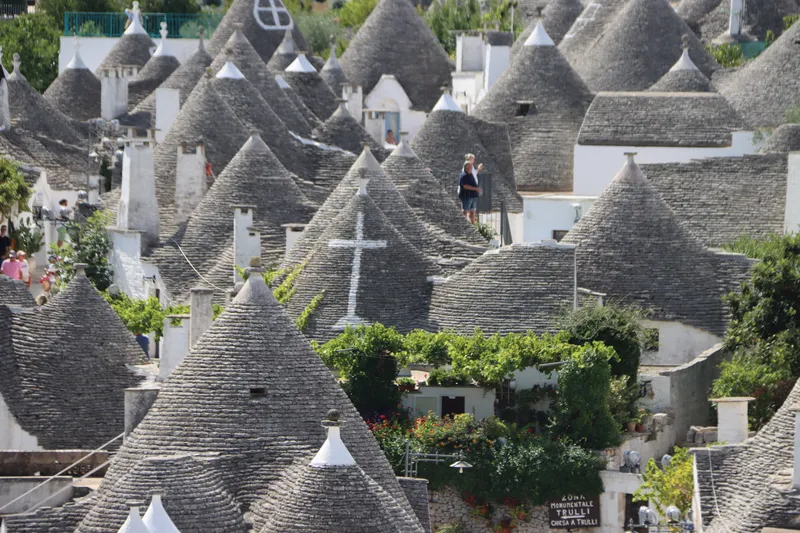
Matera is for the culture-and-atmosphere nomad who wants to live somewhere truly unlike anywhere else, and who values history, beauty and southern Italian living over connectivity and a big scene. Anyone captivated by ancient stone, dramatic settings and slow, food-focused days will find it unforgettable, and it makes an inspiring base for focused creative work. It rewards travellers happy with some Italian and a quieter pace. It is a weaker fit for those who need excellent transport links, a large nomad community, or lively nightlife. Come in spring or autumn, base yourself near the Sassi, and let the cave city cast its spell. Be realistic about the scale of what is here. Two months will exhaust the town itself, which is why the stays that work involve a car and the rest of the region: the trulli towns an hour east, the Ionian coast an hour south, the mountains of the interior. Treat this as a base for the deep south rather than a destination on its own and three or four months make sense. Without a car, a fortnight is closer to the honest answer, and you will still leave having seen something you cannot see anywhere else.