Cost of Living in Lecce
Real market data
Source: Numbeo · August 2026
$1,300/moSolo nomad1-bed centre + living costs
$1,840/moCoupleshared 1-bed + costs
$1,170/moLean / localcheaper area + costs
- 1-bed rent, city centre$610€533
- 1-bed rent, outside centre$490€423
- Monthly costs excl. rent (1 person)$680€594
- Meal, inexpensive restaurant$17€15
- Buy price, per m² (centre)$3,180€2,767
Prices are from Numbeo (August 2026), converted to USD at $1 = €0.87 (01 Aug 2026). The monthly living-costs figure is our transparent one-person basket, groceries, a few meals out, utilities, phone, internet, transport and essentials, priced from those figures. Solo adds central rent; couple and lean are estimates from the same numbers.
Lecce is one of the most affordable mid-size cities in southern Italy. Your biggest variable is rent. A furnished one-bedroom in the centro storico runs roughly $750-1,040/month; the same space in the quieter residential districts to the north and east, like Rudiae or around Via Taranto, costs $460-690/month. Utility bills typically add $92-140 on top.
- Rent (central, 1BR): $750-1,040
- Rent (outer neighborhoods, 1BR): $460-690
- Groceries (weekly shop at market/supermarket): $58-92
- Eating out (sit-down osteria, two courses + wine): $17-29 per person
- Espresso at a bar: about $1.50
- Coworking hot desk: $115-175/month
- Local bus pass: $29-40/month
A realistic all-in monthly budget sits around $1,380-2,070/month if you cook most meals and live outside the immediate historic center. Living centrally and eating out regularly pushes that to $2,070-2,760.
Where to Work
Lecce has a small but solid coworking scene for a city its size. Molo 12, at Via Corte dei Mesagnesi 30, is the best-known dedicated space: 24/7 access, clean modern fit-out, strong WiFi, and a community vibe run by the Qube incubator. Hot desks cost around $115/month. Sellalab on Viale Michele de Pietro is a more polished, multi-city operator with fixed and flex desks from around $75/month. We Lab on Viale della Liberta is the most budget-friendly option.
Cafe work is culturally fine, but be realistic: most Leccesi bars are designed for a 10-minute espresso, not a four-hour laptop session. A handful of exceptions exist, notably Opera Lounge on Via XXV Luglio, which has space and a relaxed atmosphere. Dedicated coworking is the better bet for consistent productivity.
WiFi infrastructure is genuinely good for a southern Italian city, and well above what you need for video calls. Fiber connections are available in most apartments.
Getting Around
The historic center is extremely walkable: a 95/100 walkability score is accurate. You can cover it edge to edge in about 20 minutes on foot, and nearly everything a nomad needs sits inside that perimeter.
City buses serve the broader urban area and nearby towns. A single ride costs around $1.50; monthly passes run $29-40. Frequency is modest by northern Italian standards.
The nearest major airport is Brindisi Airport (BDS), about 35 km north. You can reach it by regional train via Brindisi station (about 45 minutes, under $6) or by taxi (roughly $46-58). Bari Karol Wojtyla Airport (BRI), with far more connections, is about 140 km away; the train takes around 90 minutes and costs $12-15. Neither airport is particularly close, so factor transfer time into any booking.
Driving is not necessary for daily life in the city. A rental car or scooter is useful for exploring the Salento peninsula: the coastline and smaller towns like Otranto or Gallipoli are 30-60 minutes away.
Sorting transport? Book an airport transfer, or compare car rental on Auto Europe and QEEQ.
Visas and Staying Long-Term
EU citizens can stay indefinitely. Most other common passport holders, including Americans, Canadians, Australians, and Brits, enter Italy visa-free under the Schengen Agreement for up to 90 days within any 180-day period. No extension is available within Schengen; you must leave the zone after 90 days.
Italy launched a dedicated Digital Nomad Visa in 2024 for non-EU remote workers. To qualify you need: proof of employment or freelance work for a company registered outside Italy, at least six months of relevant work experience, a minimum annual income of approximately $28,540, and comprehensive health insurance. That floor is three times Italy's income threshold for exemption from health charges, so it moves when that threshold does. The visa allows stays of up to one year, renewable. Processing involves your nearest Italian consulate.
Best Time to Visit
Spring, specifically April through June, is the standout window. Temperatures sit in the low-to-mid 20s Celsius (high 60s to low 80s Fahrenheit), the light on the baroque stone is extraordinary, and tourist crowds have not yet arrived. You can eat outside comfortably and the city feels genuinely alive without being overrun.
September and October are an equally good choice: the heat eases, the summer crowds thin, and the sea is still warm enough for a swim. These months also see some of the best local food produce.
July and August are hot (often above 35C/95F), loud with tourists, and expensive for accommodation. August in particular sees many locals leave and some smaller businesses close. These months are manageable but they are not the ideal working environment.
Winter (December through February) is quiet, cheap, and pleasant by European standards, averaging 10-15C (50-59F). The city empties of visitors and you get it largely to yourself. Cold and damp days exist, but sustained cold is rare. Fine for a long stay if you do not need beach access.
Pros and Cons
Pros
- Genuinely low cost of living compared to Rome, Milan, Florence, or even Bari
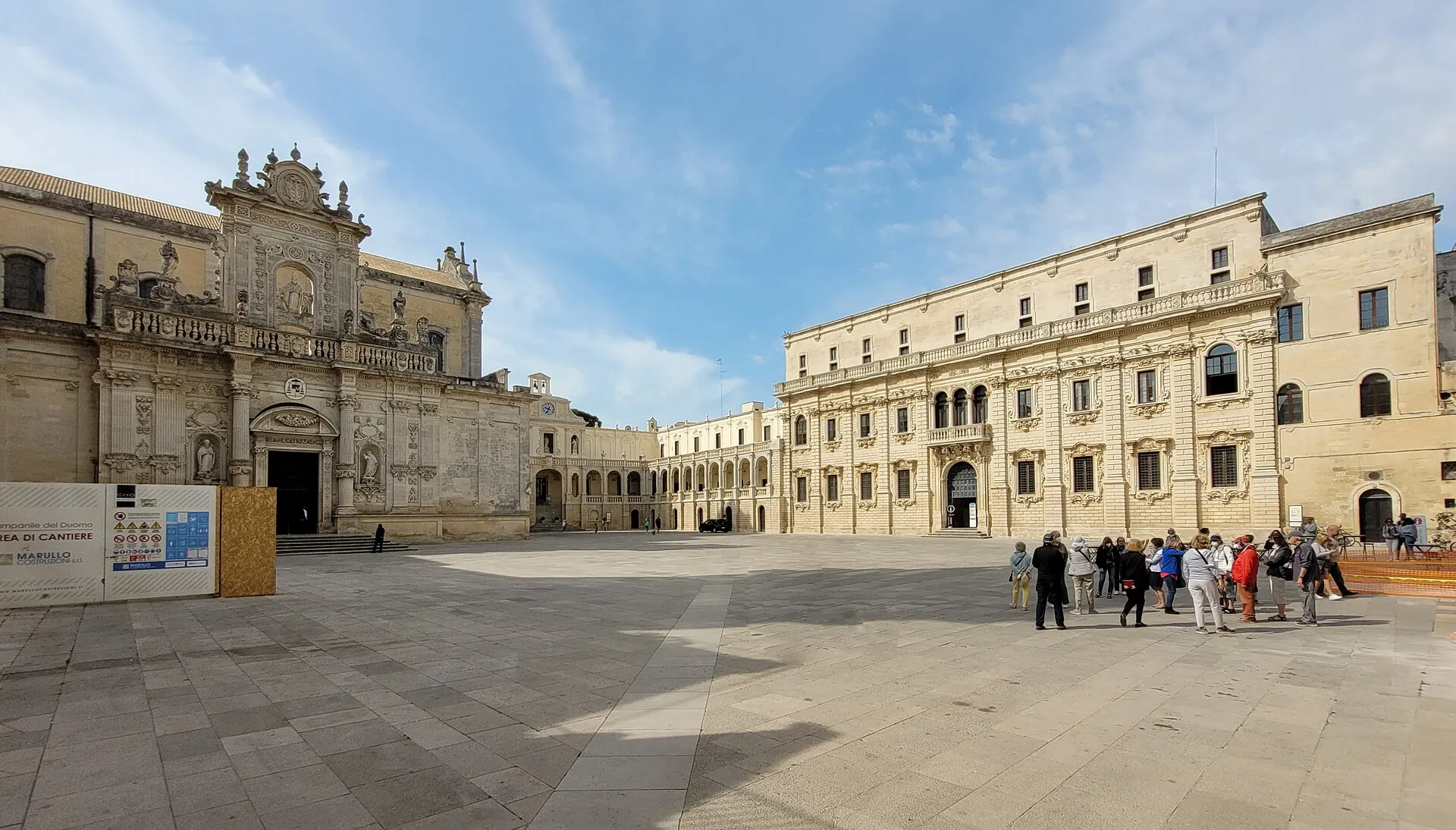
- One of the most beautiful small cities in Italy: baroque architecture, golden limestone, excellent food
- Extremely walkable historic center; everything on foot
- Safe, with a low crime index and comfortable evening streets
- Reliable fiber broadband and a growing, if small, coworking infrastructure
- Excellent food culture: fresh pasta, grilled fish, local produce, outstanding coffee
- Quieter than the major Italian tourist cities; feels authentic rather than curated
- Easy day trips to beaches, trulli country, and towns like Otranto and Gallipoli
Cons
- Remote location: two airports, neither close, and long train journeys to most of Italy
- Small city with a limited English-speaking community; Italian is essential for daily life
- Public transit inside the city is basic and infrequent
- Summer heat and crowds make July and August significantly less pleasant to work in
- Nomad community is modest; if you rely on a large expat network you may feel isolated
- Limited direct international flights; most routes require a connection through Rome or Milan
Who Lecce Is Best For
Lecce suits remote workers who want to slow down and actually live somewhere for a season rather than tick it off a list. If your baseline is: reliable WiFi, affordable rent, excellent food, walkable streets, and a city with genuine cultural depth, Lecce delivers all of those at once.
It works especially well for solo workers or couples who are self-sufficient and do not need a large built-in nomad community. Writers, designers, researchers, and anyone whose work requires focus more than networking tend to find it ideal. A conversational level of Italian, or a willingness to learn fast, makes daily life much easier.
Skip Lecce if you need frequent direct flights, fast rail connections to the rest of Europe, or an established coworking community with regular events. It is also a poor fit if you plan to visit in July or August and expect to work productively through the heat in a city filling up with holiday visitors.