Cost of Living in Positano
Where this figure comes from. No cost survey covers Positano, so the $1,600 a month above is our own estimate rather than a measurement. On 416 of our 999 city guides the figure is built from a published Numbeo basket, a one-bedroom rent in the centre plus one person's monthly costs without rent, converted to USD; this city is not one of them. How we source everything.
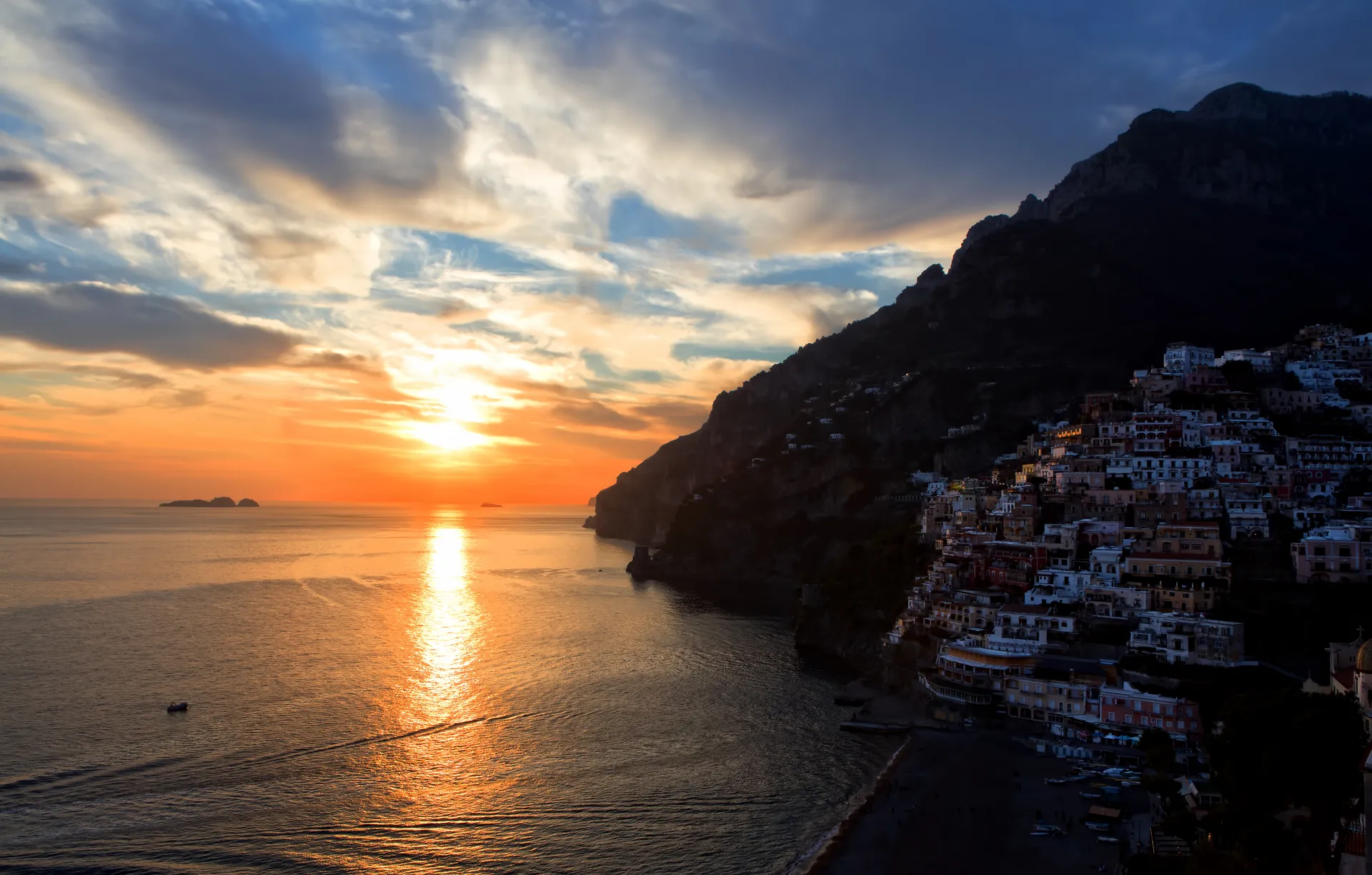
Be clear-eyed: Positano is one of the most expensive places in Italy, and a nomad stay here is a luxury slow-travel choice rather than a practical work base. In high season (roughly May through September), plan on about $2,000 to $3,500 or more per month, and easily beyond that if you want a room with a sea view. Off-season (November through March) rates soften considerably as hotels drop prices or close entirely, so a longer winter stay can be noticeably cheaper. Almost everything is marked up for tourism: beach clubs, boat trips, restaurants and even a simple espresso near Spiaggia Grande carry a premium. You are paying for one of the world's great views, not for value.
- Seasonal apartment or long-stay room: $1,400 to $2,800+ per month, view adds a large premium
- Restaurant dinner with wine: $45 to $90+ per person in the center
- Sun bed and umbrella at a beach club: $30 to $60+ per day in season
- Groceries are limited and pricier than inland Italian towns
Where to Work in Positano
There is no true coworking space in Positano, so this is not a spot built for heads-down deep work. What you get instead are hotel lounges, terrace cafes and bars where you can open a laptop for a couple of hours, ideally in the quieter morning window before the day-trip crowds arrive. Wifi is generally reliable in hotels and established cafes, and mobile coverage on the main coastal areas is solid, so calls and video meetings usually hold up fine. The realistic pattern is a few focused hours from your accommodation or a shaded terrace, then closing the laptop to actually enjoy the coast. If steady, all-day desk time matters to you, a larger base like Sorrento or Salerno is far more suitable.
- Best workspace is usually your own hotel or apartment terrace
- Cafes and bars welcome a short laptop session, especially off-peak hours
- Book accommodation with confirmed strong wifi if you need to work
Getting Around Positano
Positano is vertical, and getting around means stairs, lots of them. The village cascades down the cliff, so the main way to move is on foot along stepped lanes that link the upper town to Spiaggia Grande at the bottom. A small internal orange bus loops the one-way road connecting the upper SITA stops with the beach area, saving your knees on the climb back up. Along the coast, blue SITA buses run the cliffside road toward Amalfi and Sorrento, though they are slow and crowded in season. Honestly, boats are often the easiest option: ferries link Positano to Amalfi, Capri and Salerno and spare you the winding road entirely. Driving and parking here are a genuine nightmare, so most visitors skip the car. Walkers should know that the famous Path of the Gods ends at Nocelle, a hamlet high above town, where you can either take the long stairway down or catch the local bus that winds back through Montepertuso to the village.
- On foot: endless stairs, wear proper shoes and pack light
- Internal orange bus: loops the town road between upper stops and the beach
- SITA buses: cliff road to Amalfi and Sorrento, scenic but slow
- Ferries and boats: often the fastest, most pleasant links to Amalfi, Capri and Salerno
- Cars: very limited parking, tight one-way roads, best avoided
Sorting transport? Book an airport transfer, or compare car rental on Auto Europe and QEEQ.
Visas for Positano
Positano sits in Italy, part of the Schengen Area, so the standard rule for most non-EU visitors is 90 days of stay within any rolling 180-day period without a visa. That window suits a scenic seasonal stay well, since few people would want a full winter here anyway. For longer stays, Italy launched a digital-nomad and remote-worker visa aimed at qualified remote professionals meeting income, insurance and other requirements, which can allow a stay beyond the 90-day Schengen limit. EU and EEA citizens face no such cap. Americans can fly straight in: Delta from New York JFK and United from Newark run seasonal nonstops to Naples, and the arrival hall at Capodichino, about ninety minutes away by road, is where non-EU passengers cross the outer Schengen border and have their face and fingerprints filed in the Entry/Exit System. Anyone who settles longer deals with the province rather than the village: Positano belongs to the province of Salerno, so the residence permit appointment happens at the Salerno questura, reached by bus or, in season, by ferry.
- Schengen short stay: 90 days within any 180-day period for many nationalities
- Italy's digital-nomad visa targets qualifying remote workers for longer stays
- EU and EEA citizens have unrestricted stay rights
Best Time to Visit Positano
Timing shapes everything here. Late spring, roughly May and June, and the whole of September are the sweet spots: warm sea, long light, gardens in bloom and slightly thinner crowds than midsummer. July and August are hot and genuinely mobbed, with the narrow lanes packed, beach clubs full and prices at their peak, so those months are best only if crowds do not bother you. Winter, from November into March, is a different village entirely: quiet, atmospheric and cheaper, but with many hotels, restaurants and boat services closed, and cooler, wetter weather. The shoulder months give you the best balance of good weather, open businesses, swimmable water and a village that still feels alive without being overwhelmed. Mid-August peaks on the 15th, the feast of the Assumption and Positano's patronal day: the eve brings a small re-enactment of the legend of Saracens landing on Spiaggia Grande, a procession carries the Madonna's statue through the village, and fireworks go off over the bay at midnight.
- May to June and September: ideal weather, active but not suffocating
- July to August: hottest, most crowded and priciest
- November to March: peaceful and affordable, but many closures
Pros and Cons of Positano
Positano is a place you fall for on sight, and that emotional pull is the whole point. The upside is spectacular: one of the most beautiful coastlines on earth, superb Campanian food, warm and safe streets, easy boat hops to Capri and Amalfi, and a glamorous, unhurried atmosphere in the shoulder season. The downsides are just as real. It is very expensive, physically demanding thanks to the relentless stairs, and thoroughly touristed in summer, with a tiny resident community and thin, low-key nightlife. It works beautifully as a scenic, well-funded slow-travel interlude, and poorly as a practical or budget working base. Go in clear-eyed and it can be unforgettable; go expecting a functional nomad hub and you will be frustrated.
- Pros: world-class scenery, excellent food, strong safety, great boat access, romantic pace
- Cons: very high cost, constant stairs, heavy summer crowds, tiny community, limited nightlife
- Practical work infrastructure is minimal compared with larger towns
Who Positano Is For
Positano is for the well-funded slow traveler who wants beauty over convenience. It suits couples on a romantic escape, creatives and writers craving inspiration, and remote workers with flexible hours and a healthy budget who are happy to work a few morning hours and spend the rest on a terrace or a boat. It rewards anyone who can handle stairs and does not need nightlife or a big social scene. It is a poor fit for budget nomads, families needing easy step-free access, party seekers, or anyone requiring a dependable all-day workspace and a large community. Come for a scenic, indulgent chapter of a few weeks in the shoulder season, and Positano delivers something few places on earth can.
- Great for: well-funded slow travelers, couples, creatives, flexible remote workers
- Poor for: budget nomads, party seekers, families needing step-free mobility
- Best enjoyed as a short, scenic stay rather than a long-term base