Cost of Living in León
Real market data
Source: Numbeo · August 2026
$880/moSolo nomad1-bed centre + living costs
$1,330/moCoupleshared 1-bed + costs
$990/moLean / localcheaper area + costs
- 1-bed rent, city centre$330MX$5,750
- 1-bed rent, outside centre$430MX$7,500
- Monthly costs excl. rent (1 person)$550MX$9,588
- Meal, inexpensive restaurant$14MX$250
- Monthly transit pass$37MX$650
Prices are from Numbeo (August 2026), converted to USD at $1 = MX$17.34 (01 Aug 2026). The monthly living-costs figure is our transparent one-person basket, groceries, a few meals out, utilities, phone, internet, transport and essentials, priced from those figures. Solo adds central rent; couple and lean are estimates from the same numbers. The guide below quotes its own monthly range, which is a different measurement rather than a competing one: this table prices a defined basket at the figures above, while that range is a judgement about how somebody actually lives here.
León is one of Mexico's more affordable large cities, though costs vary sharply by neighborhood. Campestre and Valle del Campestre attract higher rents, while Centro and areas near the universities offer better value.
- Rent, 1-bedroom central (Campestre/La Paz): $690-1,040/month
- Rent, 1-bedroom cheaper area (Centro, near universities): $405-635/month
- Groceries at a local market: $115-200/month
- Eating out, local comida corrida lunch: $4.50-8
- Eating out, mid-range restaurant dinner: $14-29 per person
- Coworking hot-desk: $145-315/month, or $12-23 per day pass
- Local transport (Optibus BRT per ride): $0.50-1
- Uber/Didi per trip: $2.50-8
Realistic monthly total: $1,040-2,020/month covers a comfortable solo nomad setup with coworking, decent accommodation, and regular dining out.
Where to Work
León has a growing coworking scene and a solid cafe culture that supports remote work, though the city is less nomad-saturated than Mexico City or Guadalajara.
Dedicated Coworking
Ofis (Blvd. Adolfo López Mateos 210, Centro) is one of the most established options with private desks, meeting rooms, and fiber internet. Google reviewers rate it 4.5 and up. IOS Offices León (Manuel J. Clouthier 304, Jardines del Campestre) is a polished chain with professional amenities. Lateral Cowork (Av. Chapultepec 606, Industrial) is a community-oriented space with a laid-back vibe. Aldea Poliforum (Blvd. Mariano Escobedo 2920, Piso 5) is another well-reviewed option near the Poliforum mall with networking events.
Cafes for Working
Broga Bar & Coffee in the Panorama neighborhood earns a 4.7 on Google and is frequently cited as one of the best work-from-cafe spots, with reliable WiFi and generous seating. Azul Pitaya in Valle del Campestre offers a spacious adapted house with good light, specialty coffee, and comfortable chairs. Las Moras Café near the Escobedo boulevard has a courtyard setting and high ratings but tends to fill up on weekends.
WiFi Reality
Fiber is widely available for homes and offices in Campestre, La Paz, and newer residential zones. Mobile data through Telcel and AT&T Mexico is reliable city-wide. Budget around $12-29/month for a SIM data plan as backup.
Getting Around
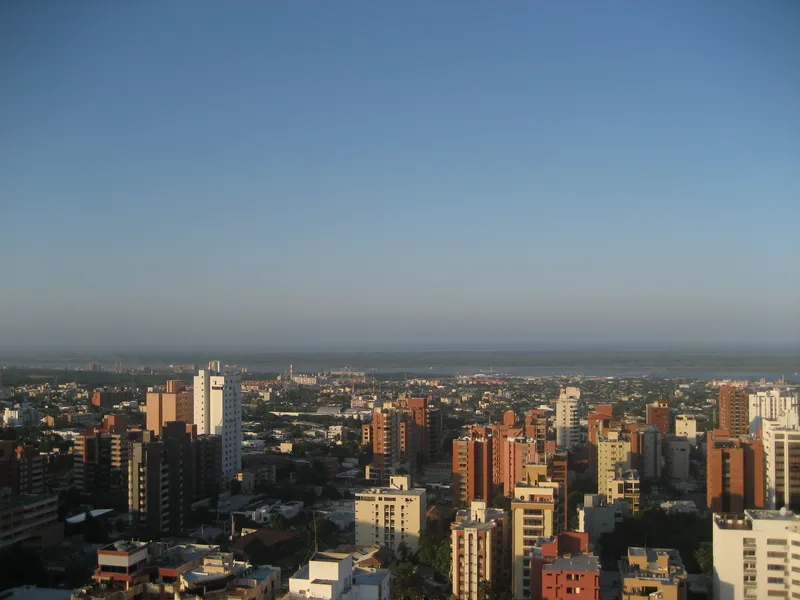
León is a large, sprawling industrial city and you will need wheels or rideshare to move efficiently between neighborhoods. There is no metro.
The Optibus BRT system (Bus Rapid Transit) is Mexico's longest-running BRT network and covers main corridors at $0.50-1 per ride. It is reliable for Centro to Campestre trips but the network has gaps in newer residential areas. Uber and Didi are widely available and cheap by international standards, typically $2.50-8 for cross-city rides.
Within Campestre or within Centro, you can walk to most things. Between those two districts, you need a ride. Cycling infrastructure is limited.
Airport: Del Bajío International Airport (BJX) is about 25 km from the city center, near the town of Silao. A taxi or Uber takes roughly 26-35 minutes and costs $20-26. Unebus runs an airport shuttle to Chedraui Poliforum in León roughly every three hours for around $4.50. The airport serves Dallas, Houston, Chicago, Los Angeles, and major US cities, plus domestic routes to Mexico City and Cancún.
Sorting transport? Book an airport transfer, or compare car rental on Auto Europe and QEEQ.
Visas and Staying Long-Term
Citizens of the US, Canada, UK, EU countries, and most of Latin America enter Mexico visa-free as tourists. At the port of entry, an immigration officer stamps your passport with permission to stay anywhere from 30 to 180 days. The officer decides the duration; 180 days is possible but not guaranteed, so ask politely if you need the full period.
Mexico does not have a dedicated digital nomad visa. Nomads who want to stay beyond 180 days can apply for a Temporary Resident Visa at a Mexican consulate before arriving. As of 2025, this requires demonstrating monthly income of roughly $4,290 or a savings balance equivalent to 12 months of that amount. A temporary residency allows you to stay one to four years and is renewable.
Working remotely for foreign clients on a tourist entry is a legal gray area that many nomads navigate without issue, but Mexico has been more attentive to repeat visa-run entries.
Best Time to Visit
León sits at about 1,800 meters elevation, which keeps temperatures milder than the Mexican coasts year-round.
November through February is dry, clear, and pleasant during the day (20-25°C / 68-77°F), though nights can drop near freezing. This is a comfortable work window with no weather disruptions.
March through May brings the hottest and driest conditions, with afternoon temperatures reaching 33-35°C (91-95°F). The sun is intense, but humidity is low and there is no rain to interrupt plans. This is a productive season for focused work.
June through September is rainy season. Afternoon downpours are frequent but usually short and intense, clearing within an hour. Temperatures moderate slightly. WiFi and power outages can occur during heavy storms.
October is arguably the sweet spot: rain tapers off, temperatures cool to comfortable highs around 26°C (79°F), and the city is not crowded.
For remote work combined with easy day trips to Guanajuato city, October through December or February through April are the best windows.
Pros and Cons
- Affordable compared to most nomad-popular Mexican cities
- Safe by Mexican big-city standards, with low petty crime in commercial districts
- Reliable infrastructure: fast fiber internet, modern coworking options, functioning BRT transport
- University energy with young professionals and a growing startup scene
- Direct flights to multiple US cities from BJX airport
- Day trips to colonial Guanajuato city (1 hour) and San Miguel de Allende (90 minutes)
- Clear Spanish dialect that is easy to follow for learners
- Sprawling and car-dependent; you spend money on rideshare to get between neighborhoods
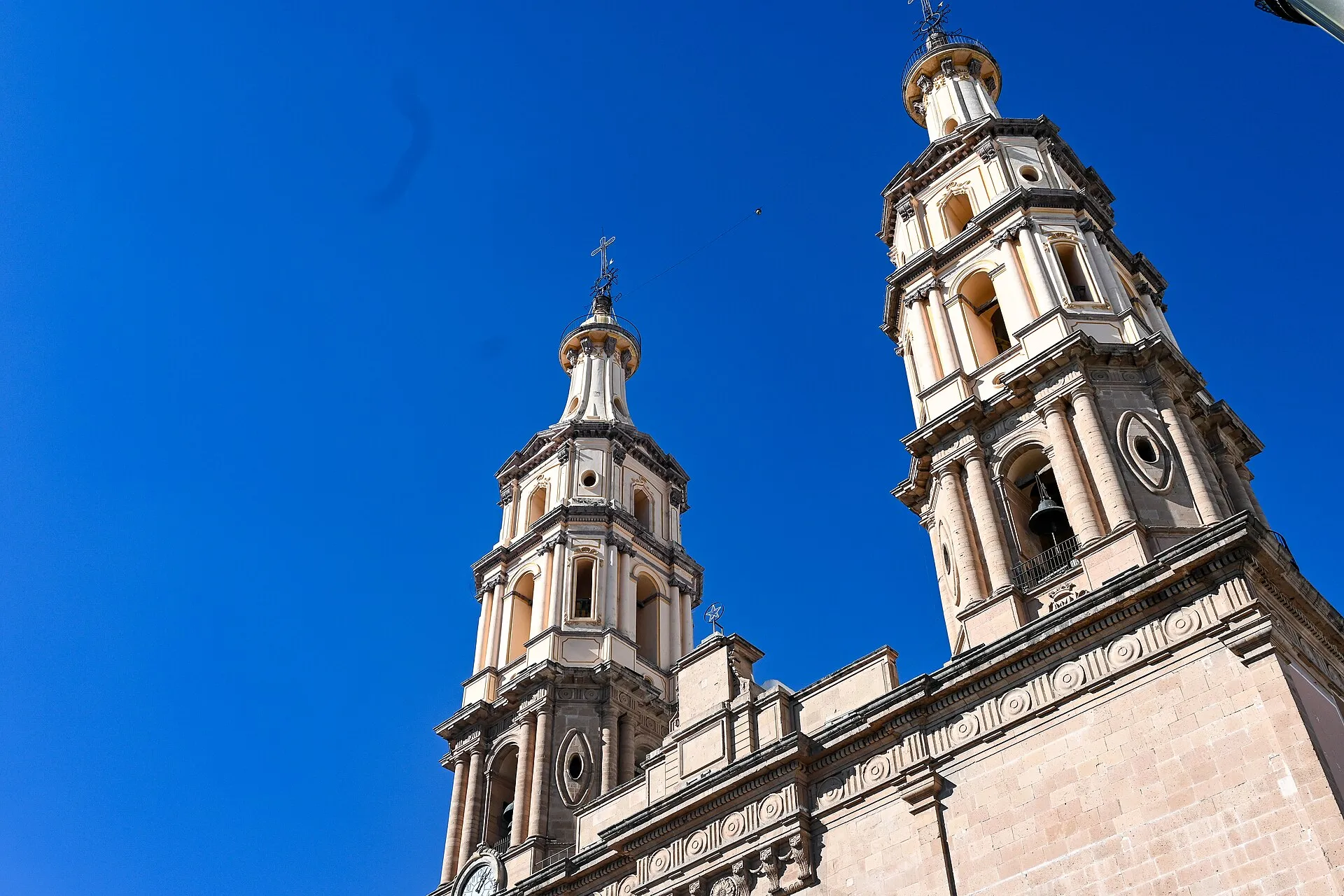
- Aesthetically ordinary: León is a working leather and manufacturing city, not a colonial showpiece
- Small expat and nomad community; you may feel isolated if you rely on existing nomad networks
- State-level security concerns in Guanajuato; while León itself is relatively calm, the surrounding state has seen cartel activity and it is worth staying informed
- Limited nightlife compared to Guadalajara or Mexico City
- Few tourist attractions within the city itself
Who León Is Best For
León suits nomads who prioritize low cost, fast internet, and safety over a picturesque or socially dense environment. If you want a base that is affordable, functional, and well-connected to US flights without the crowds of Mexico City or Guadalajara, León delivers. It works especially well for people who like a quieter pace, appreciate authentic working-class Mexican city life, and plan to explore the surrounding Bajío region on day trips.
It is a strong fit for Spanish learners who want immersion without heavy tourist influence, and for longer-stay nomads who prefer to settle into a routine rather than chase Instagram backdrops.
Skip León if you want a ready-made nomad community, colonial architecture on your doorstep, a beach nearby, or a buzzing nightlife scene. It is also a harder sell for anyone who does not want to rely on rideshare for daily movement, or who finds the state-level security climate off-putting.