The highlands and the coasts
People planning a stay in Mexico tend to start with a city name. Start with a height instead. Most of the country's great inland cities sit on a high plateau at around 1,500 to 2,300 metres, where the days are warm, the nights are cool and you rarely need air conditioning. Go down to either coast and you get beaches, heat and humidity, and a much heavier electricity bill. The same month can feel like two different countries depending on which of those you choose.
The highlands
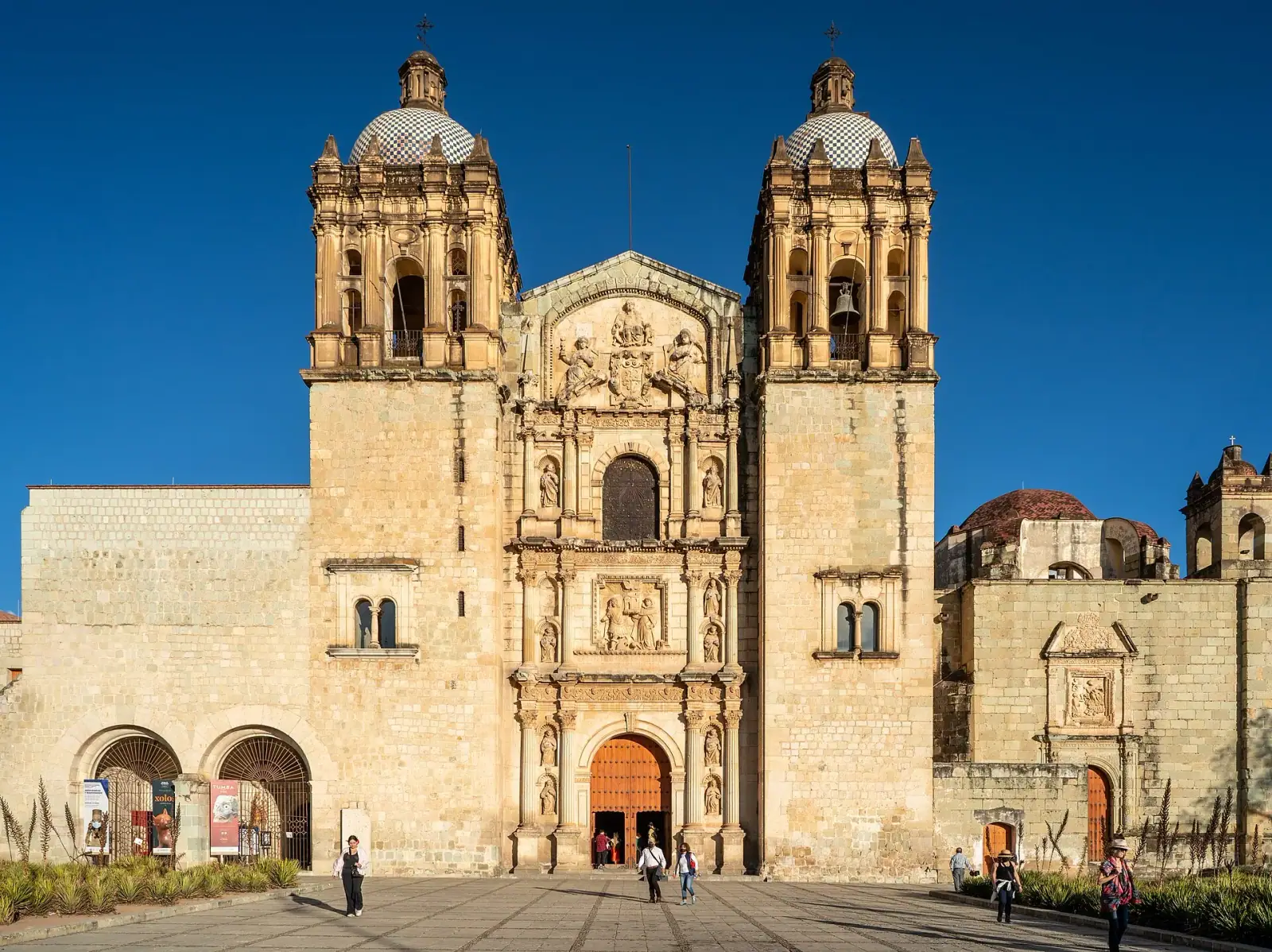
Mexico City is the centre of everything, at around $2,200 a month. Roma and Condesa have become the classic foreign addresses, with tree-lined streets and more restaurants than you could visit in a year. Guadalajara is the calmer, tech-minded alternative, and Oaxaca, at around $1,600, has the food, the crafts and the mezcal that bring people back. Further into the Bajío lie San Miguel de Allende, with its long-established community of foreigners, and Guanajuato, a university town in a ravine. These places also get a real rainy season, from about June to September, usually as an afternoon storm that clears by evening.
The Caribbean coast
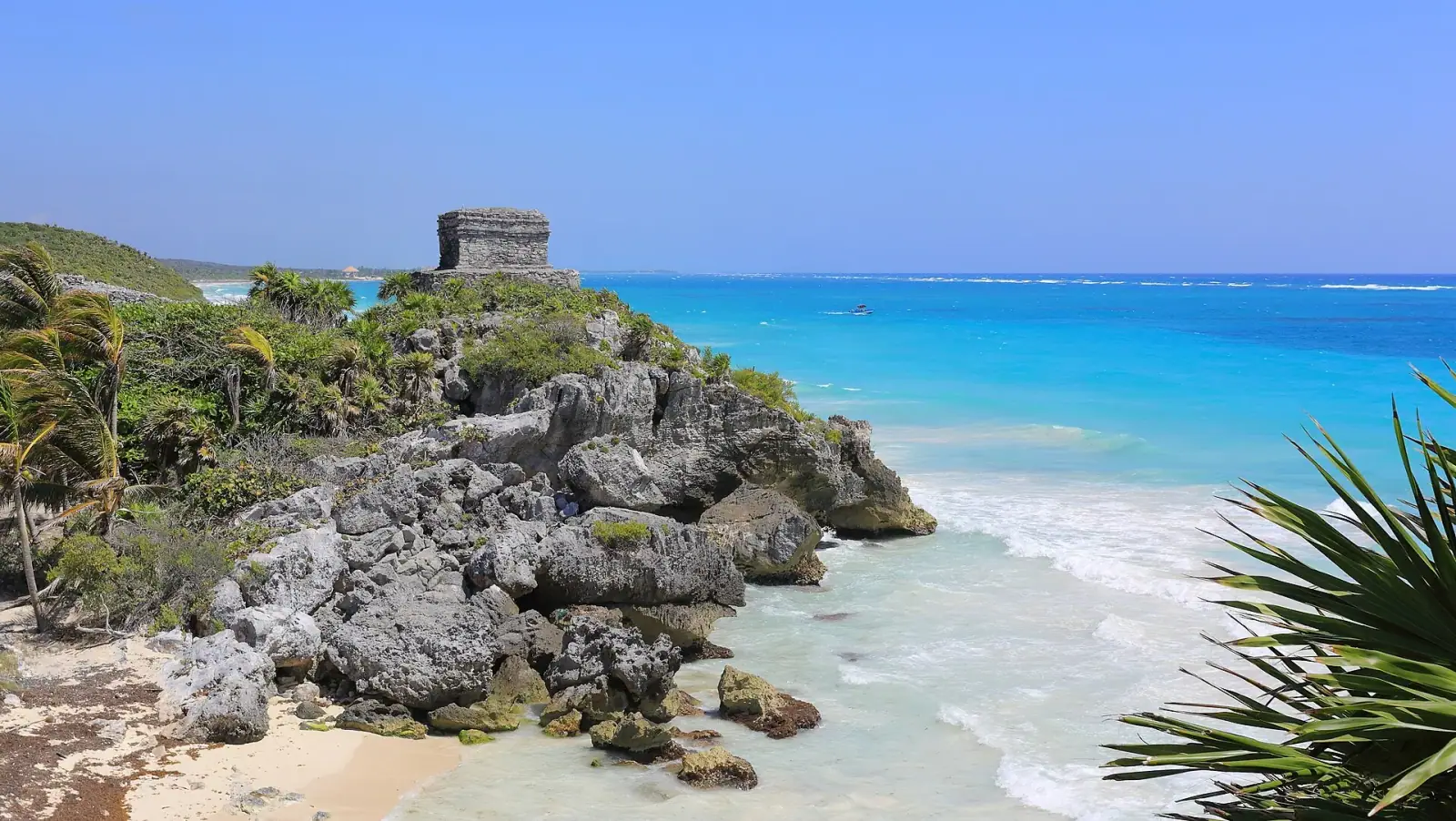
The Yucatán's east coast offers white sand and turquoise water, and the prices reflect that. Playa del Carmen and Tulum, at around $2,400 and $2,800, are among the most expensive places in the country to live, and sargassum can wash up in quantity in the warmer months. If you want the same peninsula at a lower cost, Mérida lies inland, with colonial streets, excellent food and serious heat from April to June. Bacalar, in the far south, has a lagoon instead of a beach.
The Pacific coast
On the other coast, Puerto Vallarta combines a real town with a beautiful bay, Sayulita is the surf village up the road, and Puerto Escondido, a long way south in Oaxaca state, has one of the most famous waves in the Americas. Winters here are close to perfect. Summers are hot and wet, and the hurricane season runs from about June to November.
Planning a longer stay
Safety in Mexico varies enormously from one state to the next, far more than national headlines suggest, so judge the place you are going, not the country. Distances are also larger than they look on a map. The bus network is comfortable and extensive, but a trip from the Caribbean to the Pacific usually means a flight. Spanish goes further here than in many nomad hubs, because outside a few well-known neighbourhoods you will need it. The route for a long stay is the temporary resident visa, which most people apply for at a consulate before they arrive. The figures are below, and our Mexico City guide is a good place to begin.
By Yannick Schroth. Updated November 2026.