Cost of Living in Tulum
Real market data
Source: Numbeo · September 2026
$1,100/moSolo nomad1-bed centre + living costs
$1,470/moCoupleshared 1-bed + costs
$1,020/moLean / localcheaper area + costs
- 1-bed rent, city centre$630MX$10,970
- 1-bed rent, outside centre$560MX$9,679
- Monthly costs excl. rent (1 person)$460MX$8,047
- Meal, inexpensive restaurant$9MX$150
- Buy price, per m² (centre)$3,320MX$57,500
Prices are from Numbeo (September 2026), converted to USD at $1 = MX$17.34 (01 Aug 2026). The monthly living-costs figure is our transparent one-person basket, groceries, a few meals out, utilities, phone, internet, transport and essentials, priced from those figures. Solo adds central rent; couple and lean are estimates from the same numbers. The guide below quotes its own monthly range, which is a different measurement rather than a competing one: this table prices a defined basket at the figures above, while that range is a judgement about how somebody actually lives here.
Tulum is one of the more expensive places to base yourself in Mexico, and the gap between tourist pricing and local pricing is wide. Here is what you can realistically expect as a solo nomad in 2025-2026.
- Rent, central (Tulum Centro/Pueblo): $865-1,440 per month for a furnished one-bedroom
- Rent, cheaper area (La Veleta outskirts): $690-1,040 per month; expect older builds and fewer amenities
- Groceries (self-catering): $230-405 per month at local markets and chains like Chedraui
- Eating out: Tacos at a taqueria cost $1-3; a sit-down meal runs $12-29; the beach-zone restaurants charge significantly more
- Coworking hot-desk: $115-290 per month; day passes typically $16-23
- Local transport (bikes, colectivos, occasional taxi): $58-145 per month depending on how much you rely on taxis
- Total realistic range: $1,500-2,500 per month on a budget; $2,700-4,000 if you want a newer condo, daily coworking, and a mix of restaurants
Electricity costs spike in summer because A/C runs constantly in 35°C heat. Budget an extra $87-175 per month for that in high-heat months. Annual leases save 20-40% over monthly rates.
Where to Work
Tulum has a solid enough coworking infrastructure for a town its size, but reliable internet in accommodation is inconsistent, especially in the beach hotel zone.
Coworking Spaces
WeNomads in Aldea Zama is the most nomad-centric option, with fast internet, ergonomic setups, and a beach outpost at Distrito Panamera. Monthly memberships start around $99. Digital Jungle in La Veleta has a bohemian feel, fiber internet, and strong community vibes; day passes run about $17. Los Amigos Cowork in central Tulum offers 24/7 access for members at roughly $150 per month. Selina Tulum in the hotel zone has fiber internet and pool access, though the vibe skews more hostel than productivity hub.
Cafe Work Culture
Ki'bok Coffee in Tulum Pueblo is the go-to laptop cafe: three floors, a rooftop terrace, fast WiFi, and good food. Babel Cafe in Centro has a shaded garden and dependable connection for lighter work sessions. Most beach clubs and jungle restaurants do not welcome long laptop sessions; the culture there is social, not productive.
The Real WiFi Situation
WiFi quality in Tulum varies sharply by neighborhood. Centro and Aldea Zama generally have stable fiber connections. The hotel zone on the beach road has spottier coverage. Keep a Mexican SIM with a data plan (Telcel or AT&T Mexico) as a backup; 10 GB costs roughly $6 per month on prepaid plans.
Getting Around
Tulum is not a walkable city in the conventional sense. The town center (Pueblo) and the beach hotel zone are about 3-4 km apart, and most points of interest require transport.
- Bikes: The standard choice for locals and nomads in Centro and La Veleta. Daily rentals cost around $12; monthly is negotiable. A dedicated bike path runs parallel to the beach road, but roads elsewhere have potholes.
- Scooters: Faster and practical for covering more ground; rentals run $25-40 per day. Watch road conditions carefully and always wear a helmet.
- Colectivos: Shared minivans running along the main highway (Avenida Tulum). Fares start at $1-4.50 and connect Pueblo to nearby towns including Playa del Carmen in about 45 minutes.
- Taxis: Expensive compared to other Mexican cities, typically $20-40 for a ride across town. Negotiate before you get in.
- Airport transfers: The Tulum International Airport (TQO) opened in late 2023 and now handles direct flights. ADO buses connect to the central bus station; private transfers run $15-30. From Cancun International (CUN), expect 90-120 minutes by private shuttle ($25-50 shared) or ADO bus.
Sorting transport? Book an airport transfer, or compare car rental on Auto Europe and QEEQ.
Visas and Staying Long-Term
Citizens of the US, UK, Canada, EU, Australia, and most other Western countries enter Mexico visa-free for up to 180 days as tourists. The immigration officer stamps your FMM tourist card at the border; always ask for the full 180 days because some officers default to 30 days. You can extend your stay by exiting and re-entering, though border officials may question frequent re-entries.
Mexico does not have an official digital nomad visa. The closest option is the Temporary Resident Visa, which allows 1-4 years of legal stay and can lead to permanent residency. For 2025, the income requirement is approximately $4,290 per month or a 12-month bank balance of around $71,500. You apply at a Mexican consulate in your home country before traveling, not once you arrive.
Best Time to Visit
Tulum has a tropical climate with year-round heat. Temperatures range from 25°C (77°F) in January to 34°C (93°F) in August, but the real variable is humidity and rain.
- Dry season (November through April): The best window for remote work. Lower humidity, comfortable evenings, minimal rain. December through March is also peak tourist season, which means higher prices and more crowds but reliable weather.
- Shoulder season (November and late April through May): Excellent compromise. Fewer tourists, lower accommodation rates, still good weather before the rains arrive.
- Rainy season (May through October): Heavy afternoon downpours, high humidity, and hurricane risk from August through October. Prices drop considerably and the jungle is lush. Productivity can suffer if your accommodation lacks reliable A/C and internet. September and October carry the highest hurricane risk.
For the best balance of weather, price, and productivity, aim for November through December or March through May.
Pros and Cons
Pros
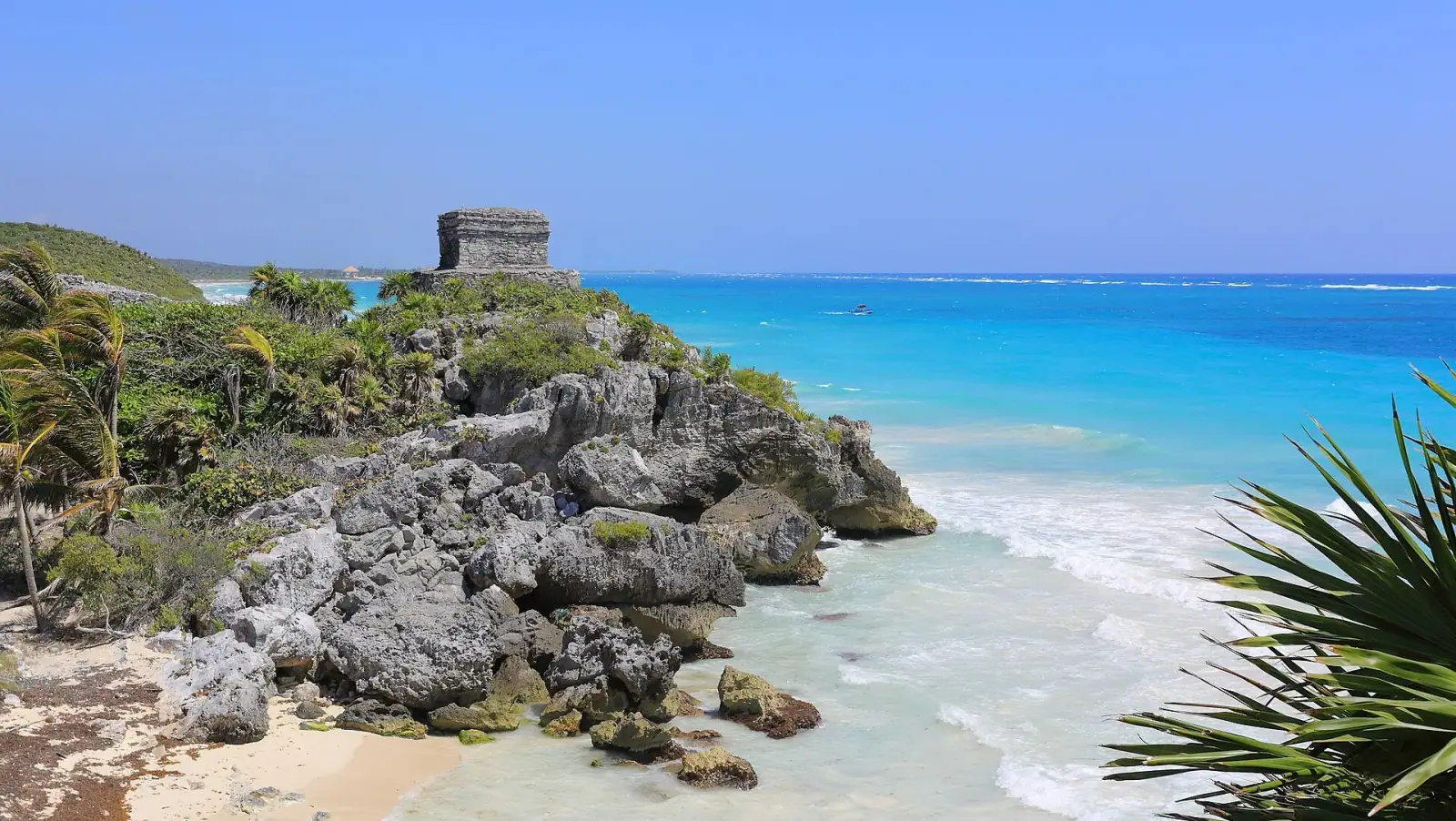
- Stunning natural environment: cenotes, Caribbean beaches, and Mayan ruins within easy reach
- Established nomad and expat community with regular events
- Good coworking infrastructure concentrated in Aldea Zama and La Veleta
- Mexican food culture is excellent and cheap if you eat local
- Strong flight connections via Tulum International and nearby Cancun airports
- Warm weather year-round with no cold season
Cons
- One of the most expensive bases in Mexico; budget nomads often find it hard to justify vs. Oaxaca or Merida
- Security concerns are real: the US State Department lists Quintana Roo at Level 2 and violent incidents, while rarely targeting tourists directly, have occurred in tourist areas
- Infrastructure is strained by rapid growth; power outages and poor roads are common
- WiFi in the beach hotel zone is unreliable; you will likely need coworking or a town-based apartment
- Taxis are unusually expensive and there is no ride-share app equivalent to Uber operating freely in the zone
- High tourist saturation makes it feel inauthentic in peak season
Who Tulum Is Best For
Tulum works best for nomads who prioritize lifestyle alongside work: people who want quick access to the ocean and jungle, value wellness and yoga culture, and are comfortable spending $2,000+ USD per month. It suits designers, writers, and solo founders who can work asynchronously and do not need deep enterprise networking. The nomad community is large enough that building social connections is easy, particularly if you use coworking spaces in Aldea Zama or La Veleta.
Skip Tulum if you are on a tight budget below $1,500 per month, need enterprise-grade infrastructure for video calls and large file transfers from your apartment, feel uncomfortable with elevated crime context, or want a gritty, local-feeling Mexican city rather than a curated tropical enclave. Cities like Oaxaca, Merida, or Mexico City offer more authentic urban life at a lower cost. Tulum rewards those who lean into what it does well; it frustrates those who fight against its limitations.