Cost of Living in Sayulita
Where this figure comes from. No cost survey covers Sayulita, so the $2,200 a month above is our own estimate rather than a measurement. On 416 of our 999 city guides the figure is built from a published Numbeo basket, a one-bedroom rent in the centre plus one person's monthly costs without rent, converted to USD; this city is not one of them. How we source everything.
Sayulita is not cheap for Mexico. It runs on a tourism economy, and prices reflect that year-round. Budget for it honestly before you arrive.
Rent is the biggest variable. A studio or small one-bedroom in the center typically goes for $405-690 per month if you find it through local Facebook groups or word of mouth. Walk-up apartments on Airbnb or booking sites run $865-1,440 monthly. Anything with AC, fast WiFi, and a proper kitchen closer to the beach pushes $1,040-1,730. Moving a few blocks uphill or toward the outskirts (near Revolcadero or the north end) can cut 20-30% off rent, but you sacrifice walkability.
Groceries at the local tianguis market and smaller shops run $175-260 per month for a single person cooking regularly. Imported goods at the organic shop cost significantly more.
Eating out is genuinely affordable if you stick to taco stands and local spots: street tacos run $1-2.50 each, and a full meal at a mid-range sit-down restaurant is $12-20. Restaurants targeting tourists charge closer to US prices, with mains at $20-35.
Coworking at Sayulita CoWork costs roughly $14 per day or around $145-175 per month for a hot desk.
Local transport is minimal: the center is walkable, and fixed-rate taxis for short rides within town run $3-4.50. Golf cart rentals are popular but add up.
Total monthly range: a frugal setup with local food and a modest room outside the center runs $1,040-1,500. A comfortable lifestyle with a decent apartment, regular coworking, and dining out lands at $2,020-3,170. Sayulita is not the budget-nomad town it was a decade ago.
Where to Work
Sayulita CoWork is the only dedicated coworking space in town and it is the serious option. Located three blocks from the beach in the center, it has fiber optic internet with battery backup, air conditioning, phone booths, private cubicles, and 24/7 member access. This is where you go when you need a video call to actually work. Pricing is daily, weekly, or monthly; check their site for current rates.
Tabachines Cowork Patio is a more relaxed outdoor alternative, with comfortable seating and greenery, suitable for focused work when the weather cooperates.
Several cafes welcome laptop workers with a purchase: Libreria Sayulita (a bookstore-cafe, quiet, good for Zoom, open weekday mornings), Pakeke, Bonito Cafe, Another One Coffee Roaster, and Yah Yah all have adequate WiFi for most tasks. Selina The Garden in the center has a coworking area with backup power, though it fills up early and can get noisy.
The honest WiFi situation: residential internet in Sayulita is unreliable and often too slow for video calls. During peak tourist season (December-March and summer holidays) the town's network saturates city-wide. If stable connectivity is essential for your work, budget for a dedicated coworking membership from day one rather than relying on cafe WiFi or apartment internet.
Getting Around
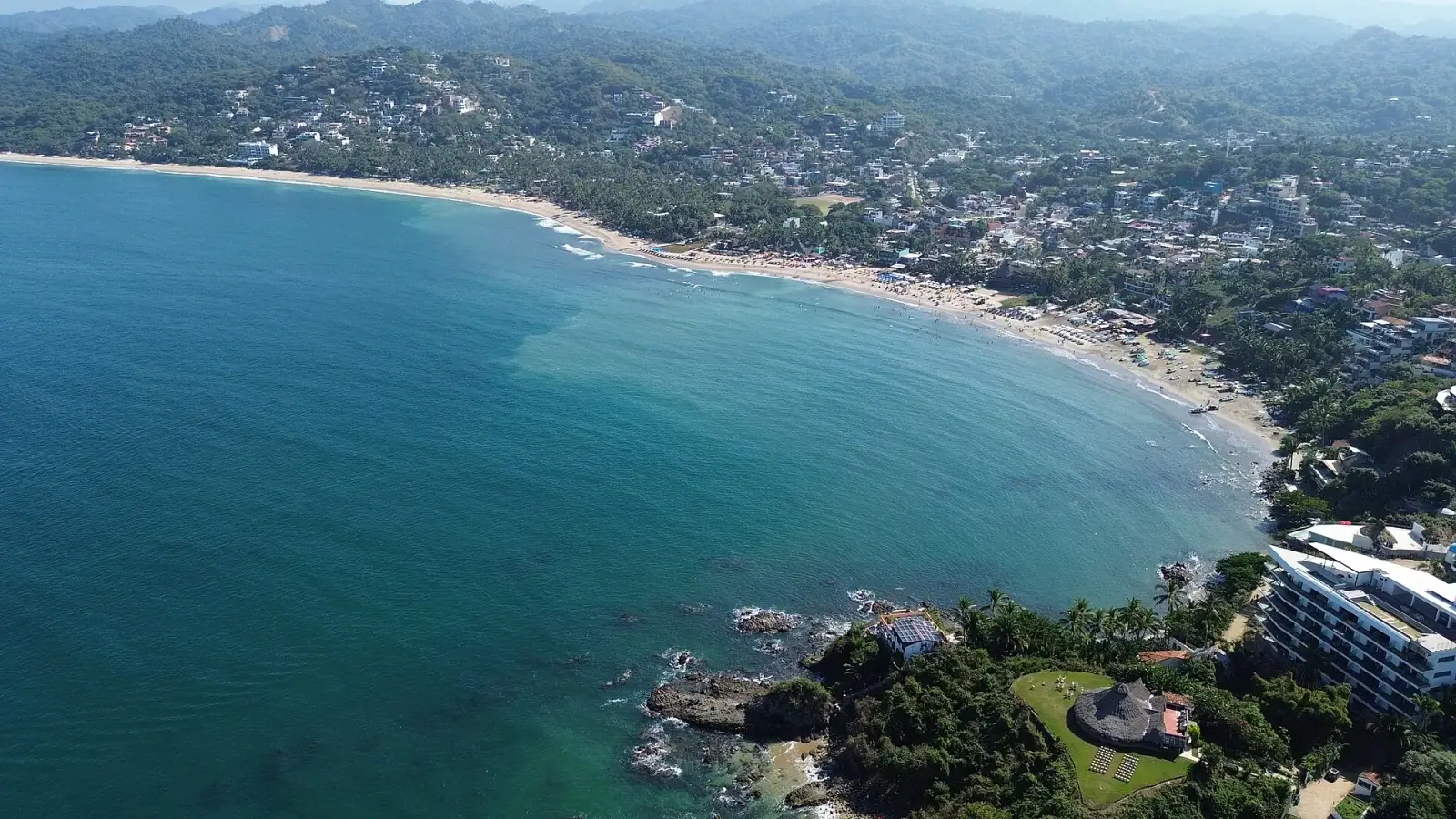
Sayulita's center is compact and walkable: beach, plaza, restaurants, and main streets are all within a 10-15 minute walk of each other. The catch is cobblestone streets throughout, which are uneven, slippery when wet, and hard on ankles. Several neighborhoods sit on hills, so a short walk can involve real elevation gain.
Within town, local fixed-rate taxis cover short hops for $3-4.50. Golf carts are the vehicle of choice for residents and are widely available to rent. Uber operates in Sayulita proper but is not permitted inside Puerto Vallarta Airport.
For the airport: Puerto Vallarta International (PVR) is roughly 45-60 minutes away. The cheapest option is the local bus for around $3.50-4, though it requires a transfer and is slower with luggage. Private transfers start at around $92 for up to four passengers. Uber from just outside the airport terminal runs $20-40 depending on timing. There are no direct trains or ferries; your options are bus, taxi, private transfer, or car rental.
You do not need a car to live in Sayulita center, but a car or scooter is useful if you want to explore neighboring towns like San Pancho, Punta Mita, or La Lancha.
Sorting transport? Book an airport transfer, or compare car rental on Auto Europe and QEEQ.
Visas and Staying Long-Term
Citizens of the US, Canada, UK, EU member states, Australia, New Zealand, and around 60 other countries enter Mexico visa-free as tourists. On arrival you receive a Forma Migratoria Multiple (FMM) tourist card. The legal maximum stay is 180 days, but immigration officers now often grant fewer days based on your stated travel plans. If you receive less than 180 days you can request a single extension at an immigration office inside Mexico. There is no official digital nomad visa for Mexico as of mid-2026, so most remote workers cycle in and out on tourist entries. Technically you are not permitted to perform paid work on a tourist entry, though this is rarely enforced for remote workers employed abroad.
Best Time to Visit
The dry season from November through April is the most pleasant window for remote work. Temperatures sit at 24-29C (75-84F), humidity is manageable, and days are reliably sunny. December through March is peak tourist season, which means higher prices, busier coworking spaces, and accommodation booked months in advance.
The shoulder months of October and early November are arguably the sweet spot: the rain eases off, fewer tourists have arrived, and prices are softer. Some restaurants and venues that close in low season begin reopening in late October.
May through October is the rainy season. Humidity climbs above 80%, heat indexes regularly exceed 34C (93F), and afternoon downpours are common. Hurricane activity is possible from August through October. A meaningful number of businesses close or reduce hours during this period. If you can tolerate heat and humidity and want lower rents and a quieter town, it is workable, but it is not a comfortable environment for sustained focus.
Pros and Cons
- Genuine surf culture: the town revolves around waves, and it is easy to build a routine that includes early morning sessions before work
- Compact and walkable center: everything you need is within easy reach on foot
- Strong expat and nomad community, especially in high season, with active social scenes and regular events
- Excellent food diversity for a town this size: quality seafood, Italian, Japanese, vegan, and street tacos all within a few blocks
- Proximity to other destinations: San Pancho, Punta Mita, and Puerto Vallarta are all under an hour away
- Warm, friendly local culture with a relaxed pace that suits people who value lifestyle alongside productivity
- Expensive for Mexico: rents and restaurant prices approach or exceed what you would pay in larger Mexican cities
- WiFi is genuinely unreliable in accommodation and saturates during peak season town-wide
- Small town limits: after a few weeks you will have seen everything; variety-seekers get restless
- Overcrowded during peak months: December-March the streets, beaches, and cafes are packed
- Cobblestone streets and hilly terrain are harder on bikes, scooters, and people with mobility concerns
- Rainy season is genuinely uncomfortable: heat and humidity make sustained desk work unpleasant without reliable AC
Who Sayulita Is Best For
Sayulita works well for surfers and ocean-oriented workers who want to build a life around early morning waves and afternoon focus sessions. It suits people with flexible schedules who can handle connectivity that occasionally forces you to adjust plans. Creative workers, freelancers, and those on async-heavy teams tend to thrive here. If you want a mellow, small-town beach vibe with a ready-made social scene and good food, Sayulita delivers.
It is less suited to workers with strict daily video call schedules who need fast, consistent internet at all hours. People on tight budgets will find better value elsewhere in Mexico: Oaxaca, Merida, or Mexico City all offer faster internet and lower costs. Those who need urban stimulation, variety, or big-city infrastructure will feel the walls closing in after a few weeks. And if you visit in high summer expecting the same laid-back surf town, the heat and humidity will be a rude surprise.