Cost of Living in Campeche
Where this figure comes from. No cost survey covers Campeche, so the $800 a month above is our own estimate rather than a measurement. On 416 of our 999 city guides the figure is built from a published Numbeo basket, a one-bedroom rent in the centre plus one person's monthly costs without rent, converted to USD; this city is not one of them. How we source everything.
Campeche is one of Mexico's better-value bases, noticeably cheaper than Cancun, Playa del Carmen or even Merida. A comfortable single nomad can expect to spend roughly $700 to $1,000 a month once rent, food, transport and a little leisure are covered. Rent is the biggest variable: a modest furnished flat near the historic centre costs far less than a Caribbean beach town, and many restaurants still serve generous local meals for a few dollars. Utilities and mobile data are inexpensive, and the walkable core keeps transport costs low. The figures below are editorial estimates rather than precise quotes, so treat them as a planning guide. A regional distortion is worth understanding. This state's economy is dominated by offshore oil, but the money sits two hundred kilometres southwest in the oil port at the far end of the state, where Pemex contractors pushed rents to several times what they are here. The capital never got that wave, which is a large part of why a state with unusually high output per head has an ordinary, cheap cost of living in its main city. The other local cost is maintenance: heat and salt air destroy electronics, cooling is on for three quarters of the year, and a summer electricity bill can double what you budgeted for utilities.
- Furnished one-bedroom flat: roughly $350 to $550 per month depending on location and season.
- Local meal or comida corrida: often around $4 to $8 at a neighbourhood eatery.
- Monthly mobile data and home internet: broadly $30 to $50 combined.
- Coffee, coworking day pass or a night out: a modest, occasional expense in the low double digits.
Where to Work in Campeche
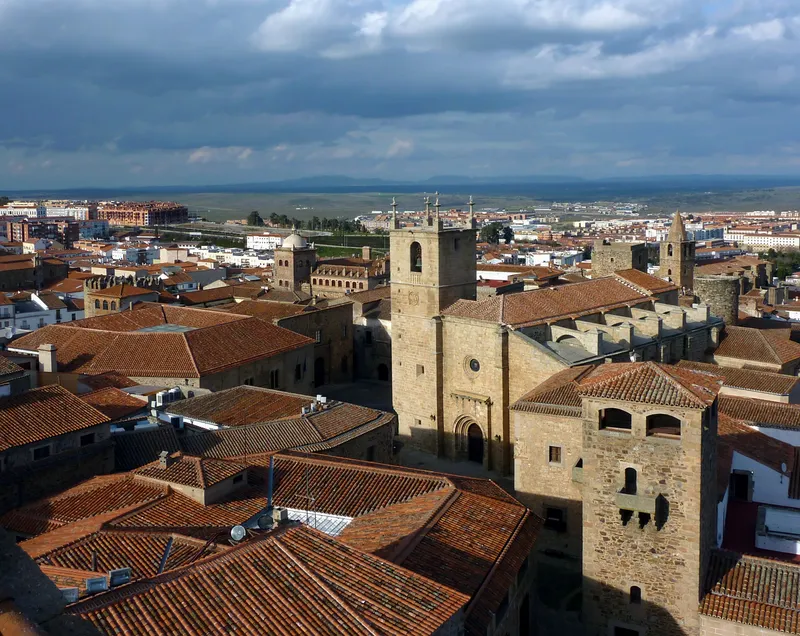
Campeche is a quiet, small-city base rather than a buzzing coworking hub, so most remote workers settle into a home setup supplemented by cafes along the historic centre and the malecon. Fibre and cable internet reach much of the walled city, and speeds are generally fine for calls and video, though you should test any rental before committing and keep a mobile-data backup for outages. A handful of cafes and the occasional shared workspace offer air conditioning, a welcome refuge from the humidity. The long seafront malecon is pleasant for a change of scene, while the pastel streets of the Centro Historico put quiet plazas and terraces within an easy walk of home. The working day here is organised around heat. The sensible pattern is an early start with the shutters closed, the heavy hours spent somewhere air-conditioned, and everything social pushed past seven when the seafront becomes usable. Colonial houses in the walled centre have thick walls and high ceilings that work surprisingly well without air conditioning until about May, and very badly after it. When you view a flat, ask which way it faces and whether the courtyard is shaded, because those two answers decide whether you will be able to think in the afternoon.
Getting Around Campeche
Campeche is compact and genuinely walkable, and the Centro Historico is best explored on foot along its brightly painted grid. Local buses and shared combis are cheap and cover the wider city, while taxis and ride-hailing apps fill the gaps affordably. Many nomads manage without a car, though one is handy for exploring the state's coast, ruins and cenotes. The small Ingeniero Alberto Acuna Ongay airport handles limited domestic flights, so most arrivals route through Merida, about two and a half hours away by road, or Campeche's own bus terminal. The flat terrain and quiet traffic make cycling realistic, and the seafront malecon is a favourite for walking, running and evening strolls. The railway changed the arithmetic and a lot of writing about the city predates it. The Maya Train reached Campeche when the first stretch opened in December 2023, and the city now has scheduled services north up the peninsula and east across it, which turns what used to be a long bus ride into a straightforward one. The station sits outside the historic centre, with a local connection in, so build the transfer into your timing. Check the current timetable directly, because the network has been opening, pausing and reopening sections since it began running.
Sorting transport? Book an airport transfer, or compare car rental on Auto Europe and QEEQ.
Visas for Campeche
Mexico is one of the easier countries for nomads to spend real time in. Many nationalities, including citizens of the UK, the US, Canada and much of the EU, receive a tourist entry that can run up to 180 days, granted at the discretion of the immigration officer on arrival. That single stay covers most medium-term visits without extra paperwork. For those wanting to settle longer, Mexico's temporary and permanent residency routes are relatively straightforward, usually proven through savings or income and begun at a consulate abroad. The length of stay granted can vary by officer. Keep your entry document safe. Pricing the residency route properly matters. Temporary residency cannot be granted inside the country: you apply abroad, at a Mexican consulate, and the test is either earnings or savings, roughly $4,600 a month or about $77,500 in an account. Both figures track the UMA, the inflation-indexed accounting unit, at 680 times the daily rate for earnings and 11,460 times for savings, so they climb every year. Individual consulates read the rules with noticeable variation. On the tourist side, the paper entry slip has disappeared at most airports in favour of a handwritten number of days beside the stamp, so check what you were actually granted.
Best Time to Visit Campeche
Campeche has a hot, humid tropical climate, so timing is really about heat and rain rather than cold. The most comfortable window runs from roughly November to March, when temperatures ease a little, humidity drops and the skies are generally drier, making the walled city and malecon a pleasure to explore. From April onwards the heat builds sharply, and the rainy season spanning about June to October brings heavy afternoon downpours and higher humidity. This period overlaps with the Atlantic hurricane season, so keep an eye on forecasts if you visit the Gulf coast then. Whenever you come, expect warm evenings, strong midday sun and the need for good air conditioning. Hurricane season deserves a specific answer. The Bay of Campeche is a warm shallow basin that can spin up its own storms quickly, the official season spans June to November though the risk clusters in September and October, and the practical exposure here is flooding and days of rain rather than the direct strikes the Caribbean coast takes. Keep travel insurance that covers disruption and avoid booking anything unmissable in September. The calendar's high point is the carnival in February, claimed as the oldest in Mexico, which fills the walled centre and is the one time booking ahead is genuinely necessary.
Pros and Cons of Campeche
Campeche suits nomads who value calm, safety and authenticity over nightlife and a big international scene. It is one of Mexico's safest and most affordable colonial cities, visually stunning and refreshingly untouristy, with a genuine local rhythm. The trade-offs are a smaller remote-work community, limited English and a heat that can be draining in the hotter months. Weigh the quiet against your need for buzz before committing to a longer stay. Almost everything here follows from logwood. The dense red dyewood of this coast was for two centuries among the most valuable commodities in the Atlantic economy, and this port existed to ship it. Being rich and coastal in the seventeenth-century Gulf meant being raided, until the crown walled the town between 1686 and 1704. Those walls, two surviving gates and the bastions are why the centre looks as it does and why UNESCO listed it in 1999. The safety line in the summary is concrete: this is one of only two Mexican states carrying the US State Department's lowest advisory level, and the state homicide rate ran around six per hundred thousand in 2024, well under a third of the national figure. What you give up for it is scale. This is a quiet state capital of about a quarter of a million people.
- Pros: strikingly beautiful UNESCO walled centre, very low cost of living, excellent safety, warm local culture and superb Campechano seafood.
- Cons: small nomad community and limited coworking, little English spoken, intense heat and humidity, and quieter nightlife than the big tourist hubs.
Who Campeche Is For
Campeche is for the traveller who wants an authentic, slower-paced slice of Mexico rather than a ready-made expat bubble. It rewards independent remote workers who are comfortable getting by in Spanish, enjoy wandering colonial streets and seafront promenades, and prize safety and value above a lively party scene. Solo nomads, couples and quiet-minded creatives will feel at home here, especially those who like being within reach of Yucatan ruins, cenotes and Gulf beaches. It is a weaker fit for anyone who needs a dense coworking network, abundant English or nonstop nightlife. Come for the calm, the colour and the food, and give yourself time to settle in. Give it three months and use Merida as the pressure valve rather than the destination: it is a couple of hours up the road and now reachable by train, it has the airport, the hospitals, the coworking and the crowd this city does not, and having it within reach is what makes a long stay here work. Learn enough Spanish to hold a conversation before you arrive, because the city runs on it and there is no expat scaffolding to fall back on. And do not come for beaches. The water off the malecon is shallow and silty, and the swimming worth the trip is an hour down the coast.