Cost of Living in Morelia
Where this figure comes from. No cost survey covers Morelia, so the $900 a month above is our own estimate rather than a measurement. On 416 of our 999 city guides the figure is built from a published Numbeo basket, a one-bedroom rent in the centre plus one person's monthly costs without rent, converted to USD; this city is not one of them. How we source everything.
Budget around $900 a month as a solo remote worker in Morelia, which is good value for a Mexican state capital and considerably below the cities nomads usually pick. A one-bedroom apartment runs roughly $300 to $500, with the historic centre at the upper end and the newer districts cheaper. Markets and street food cost very little, and eating out in local restaurants is a few dollars a meal. Imported goods carry the usual premium. The city is high enough at 1,900 metres that neither heating nor air conditioning is much of a cost, which helps the monthly total. Fibre runs about $20 to $35 a month and a coworking desk $70 to $130. The altitude genuinely removes two utility lines that dominate budgets elsewhere in Mexico: at 1,900 metres nobody runs air conditioning and almost nobody needs heating, so the monthly bill is lights and cooking. A comida corrida at a local place is $4 to $6 and is what most of the city eats at midday. Rents in Chapultepec Norte and the newer colonias run a third below the historic centre, and the trade is a bus ride rather than a worse neighbourhood.
Where to Work in Morelia
Morelia has a small but real coworking scene, supported by a large student population across several universities and a growing technology and services sector. Mexican fixed broadband reaches the city with reasonable speeds and prices, and mobile coverage is reliable. Quality varies by provider and by building more than it does in Europe, and the thick colonial walls in the historic centre can interfere with wifi coverage inside apartments. Power is generally reliable. For ordinary remote work this is entirely sufficient, though anyone with heavy upload needs should test before signing. Mexico sits six hours behind GMT and does not observe daylight saving since 2022, which puts Morelia level with Chicago in winter and an hour behind in summer, giving a full North American working day and a workable European morning. That time zone is the main structural reason Mexico draws remote workers at all. The Universidad Michoacana is one of the oldest in the Americas and its student population is what keeps the centre's cafes open late and cheap.
Getting Around Morelia
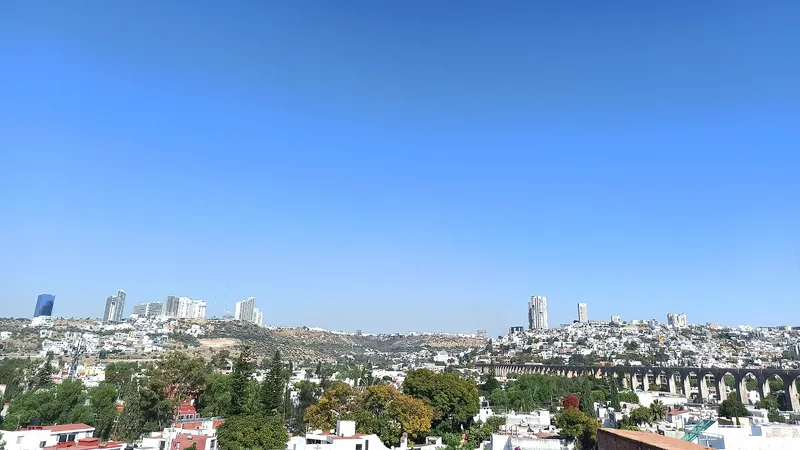
The historic centre is compact, walkable and largely built of the same pink volcanic stone, which makes navigating it unusually pleasant. Beyond that, local buses and combis cover the city cheaply and ride apps work well. The aqueduct and the Calzada Fray Antonio de San Miguel form a long walking axis through the middle. Mexico City is about four hours by road with frequent first-class buses, Guadalajara three. The airport has domestic connections and a few United States routes. A car is useful for the monarch butterfly reserves and Patzcuaro but not needed in town. The monarch butterfly reserves at El Rosario and Sierra Chincua are two to three hours east and open roughly from November to March, with the colonies at around 3,000 metres and reached on foot or horseback from the car park. Patzcuaro and the lake villages are an hour southwest.
Sorting transport? Book an airport transfer, or compare car rental on Auto Europe and QEEQ.
Visas for Morelia
Mexico grants most Western nationals up to 180 days on arrival as a tourist, though since the move to discretionary stamping the number of days given is at the immigration officer's judgement and shorter grants have become common. There is no Mexican digital nomad visa, but the temporary resident visa is a well-used route for anyone able to demonstrate income or savings above a threshold, applied for at a consulate abroad and completed after arrival. It runs up to four years and can lead to permanent residence. Anyone counting on the full 180 days should have proof of onward travel and accommodation ready, since those are what officers ask for when deciding. The temporary resident route asks for either a monthly income or a savings balance above a threshold tied to Mexico's minimum wage, so the figures move each year. Anyone entering by land from the United States should note that the tourist card is issued at the crossing rather than automatically.
Best Time to Visit Morelia
October to May is the dry season and the best half of the year, with warm days in the mid twenties, cool nights and clear light. November and December bring the monarch butterflies to the reserves east of the city, which is the region's great natural event, and the Day of the Dead observances around Patzcuaro in early November are among the most significant in Mexico. The rains from June to September arrive as heavy afternoon storms rather than all-day rain, and the countryside is green. The altitude keeps it temperate year-round. Morelia's international film festival in October and its music festival in November are both substantial rather than local, and the city's Day of the Dead observances draw large numbers to Patzcuaro and Janitzio in the first days of November. The rains arrive as afternoon storms that clear by evening, so the wet season disrupts a working day far less than the totals suggest.
Pros and Cons of Morelia
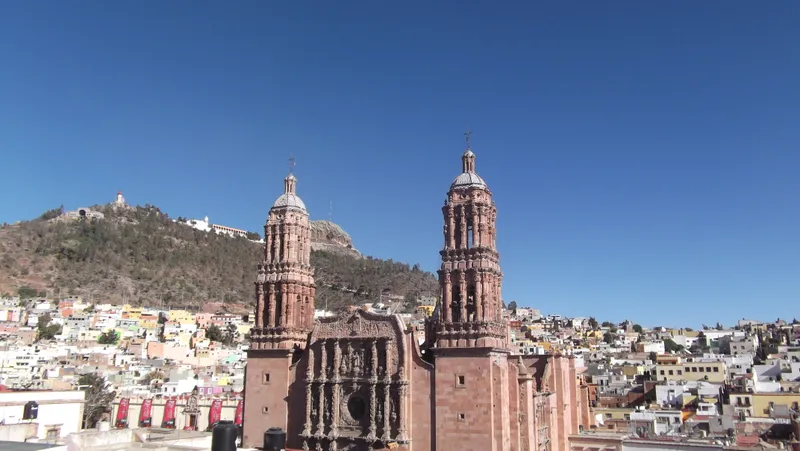
Morelia is a UNESCO-listed colonial capital built almost entirely from pink cantera stone, with an aqueduct running through the middle, a serious music and film festival calendar and a large student population keeping it lively. Michoacan's food is among the best in Mexico and Patzcuaro and the monarch reserves are close. Safety is the real caveat here: Michoacan has significant organised crime problems of its own, and while Morelia itself is far safer than the state's reputation, intercity travel at night and some rural areas require real caution. The city is also a university town of real size, which keeps the centre busy in a way that many colonial cities in Mexico are not. The city was laid out in 1541 and the whole historic centre is built from the same pink cantera quarried nearby, which is why it reads as a single composition rather than a collection of buildings, and it is the reason for the UNESCO listing.
Who Morelia Is For
A genuine Mexican colonial city rather than an expat enclave, for people with Spanish or the intention to learn, who value architecture and food over beach or nightlife. Mexico's temporary residence route is what almost everybody here is on. No established international community exists here, travel plans in this state require a caution that some people find wearing to maintain, and there is no accumulated foreign wisdom to inherit. Whoever comes will be working the answers out themselves, which suits some temperaments and exhausts others. Distance from the capital is part of the case. Mexico City is four hours away, which is near enough to use and far enough to escape both its rents and its scale. Serious Spanish students do better here than in the obvious places. The language school sector is long established, and there are far fewer English speakers to retreat to than in San Miguel or Oaxaca. Set beside Guanajuato, Morelia is larger, flatter, less picturesque and considerably more of a working city. The monarch butterfly reserves east of the city are open roughly from November to March, and reaching the colonies means a steep walk at altitude, which catches out visitors who treated it as a drive with a view at the end.
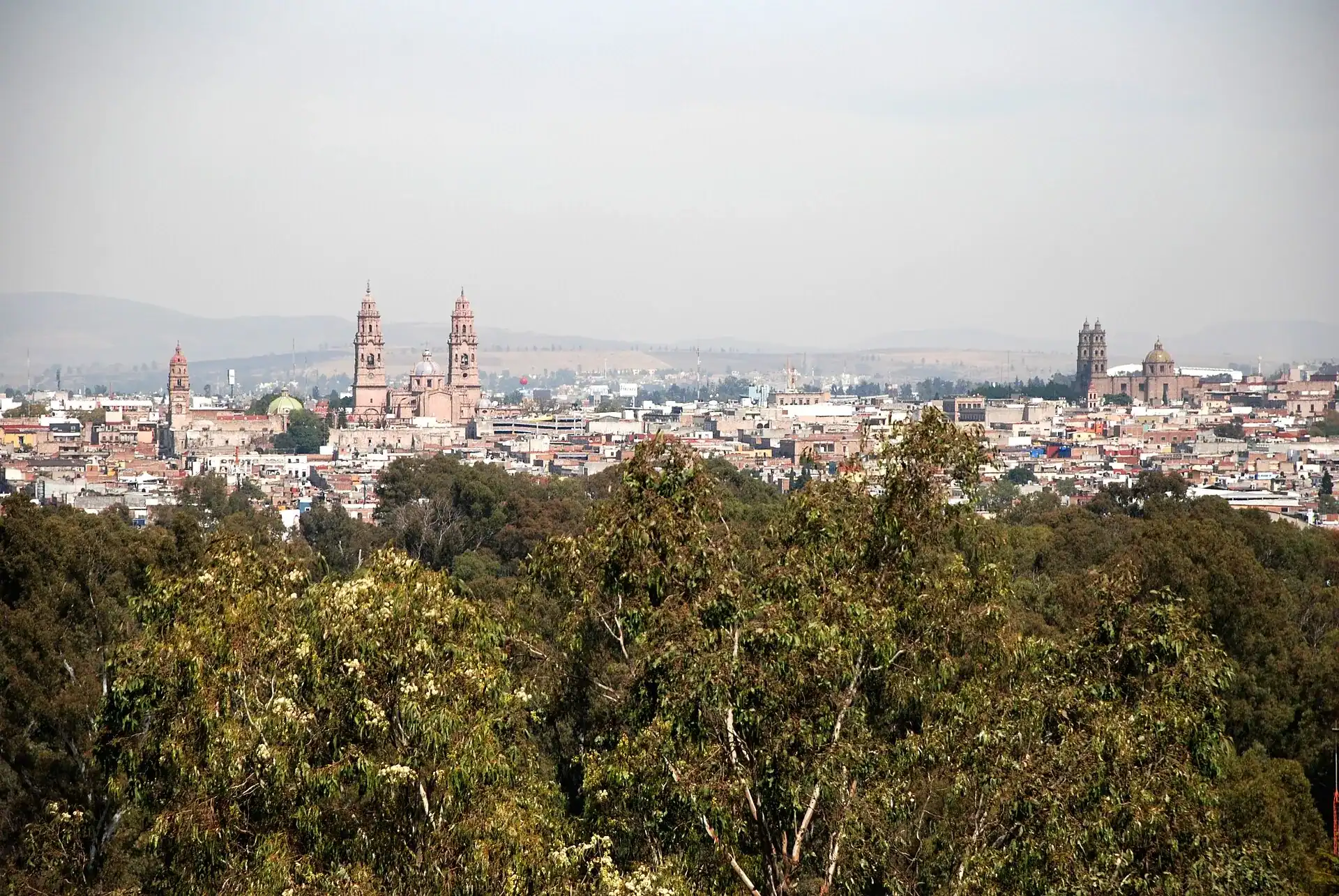 Photo: Adavyd / Wikimedia Commons (CC BY-SA 3.0)