Cost of Living in Mazatlan
Real market data
Source: Numbeo · August 2026
$1,380/moSolo nomad1-bed centre + living costs
$1,820/moCoupleshared 1-bed + costs
$1,190/moLean / localcheaper area + costs
- 1-bed rent, city centre$830MX$14,404
- 1-bed rent, outside centre$640MX$11,166
- Monthly costs excl. rent (1 person)$550MX$9,494
- Meal, inexpensive restaurant$12MX$200
- Monthly transit pass$43MX$750
- Buy price, per m² (centre)$1,660MX$28,720
Prices are from Numbeo (August 2026), converted to USD at $1 = MX$17.34 (01 Aug 2026). The monthly living-costs figure is our transparent one-person basket, groceries, a few meals out, utilities, phone, internet, transport and essentials, priced from those figures. Solo adds central rent; couple and lean are estimates from the same numbers.
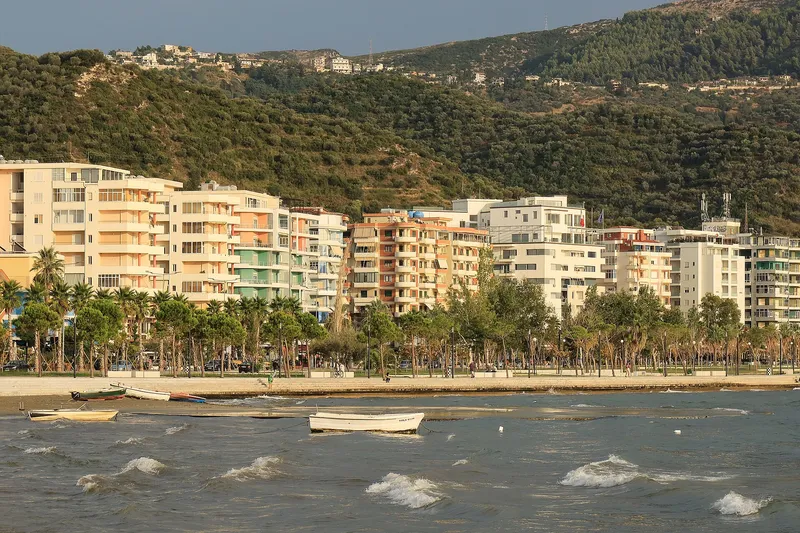
Mazatlan sits comfortably in the affordable tier of Mexican cities. Rent in the Centro Historico or the Zona Dorada typically runs $615-835 per month for a one-bedroom apartment. Step inland to residential colonias like Palos Prietos or Lomas de Mazatlan and you can find the same space for $425-635. Budget a beachfront premium of 30-40% for units with ocean views.
- Rent (1BR, central/beach area): $615-835
- Rent (1BR, residential colonia): $425-635
- Groceries (one person, local markets + supermarket): $145-200
- Eating out (inexpensive local spots): $8.50-12 per meal; mid-range dinner for two around $49
- Coworking hot-desk (monthly): $145-260 depending on space and included perks
- Local transport (bus or pulmonia rides): $0.50 per bus ride; pulmonias (open-air taxis) $3.50-12 per trip; monthly bus pass around $43
- Broadband internet (home connection): $40-46
- Utilities: $58-87, higher in summer with AC
Total monthly range: A solo nomad living modestly lands around $900-1,300. A comfortable lifestyle with a nicer apartment, eating out regularly, and coworking runs $1,400-2,000. Couples can split rent for significant savings.
Where to Work
Mazatlan has a small but functional coworking scene. Beehive Business and Cowork, located a few blocks from the malecon, is the most established option and has a strong reputation among long-stay nomads. It offers dedicated desks, reliable fiber internet, and a community of locals and expats. IQ Work Business Center, in the newer Marina zone, is more corporate in feel but useful if you need meeting rooms. InSpace Coworking serves freelancers and small teams in a quieter setting.
Cafe-work culture is developing but uneven. The Centro Historico has pleasant cafes (Allegro Cafe is a reliable option), but expect inconsistent WiFi in independent spots. Connections at dedicated coworking spaces are adequate for video calls. Home internet from providers like Totalplay or Megacable is affordable and generally reliable outside summer storm season.
Getting Around
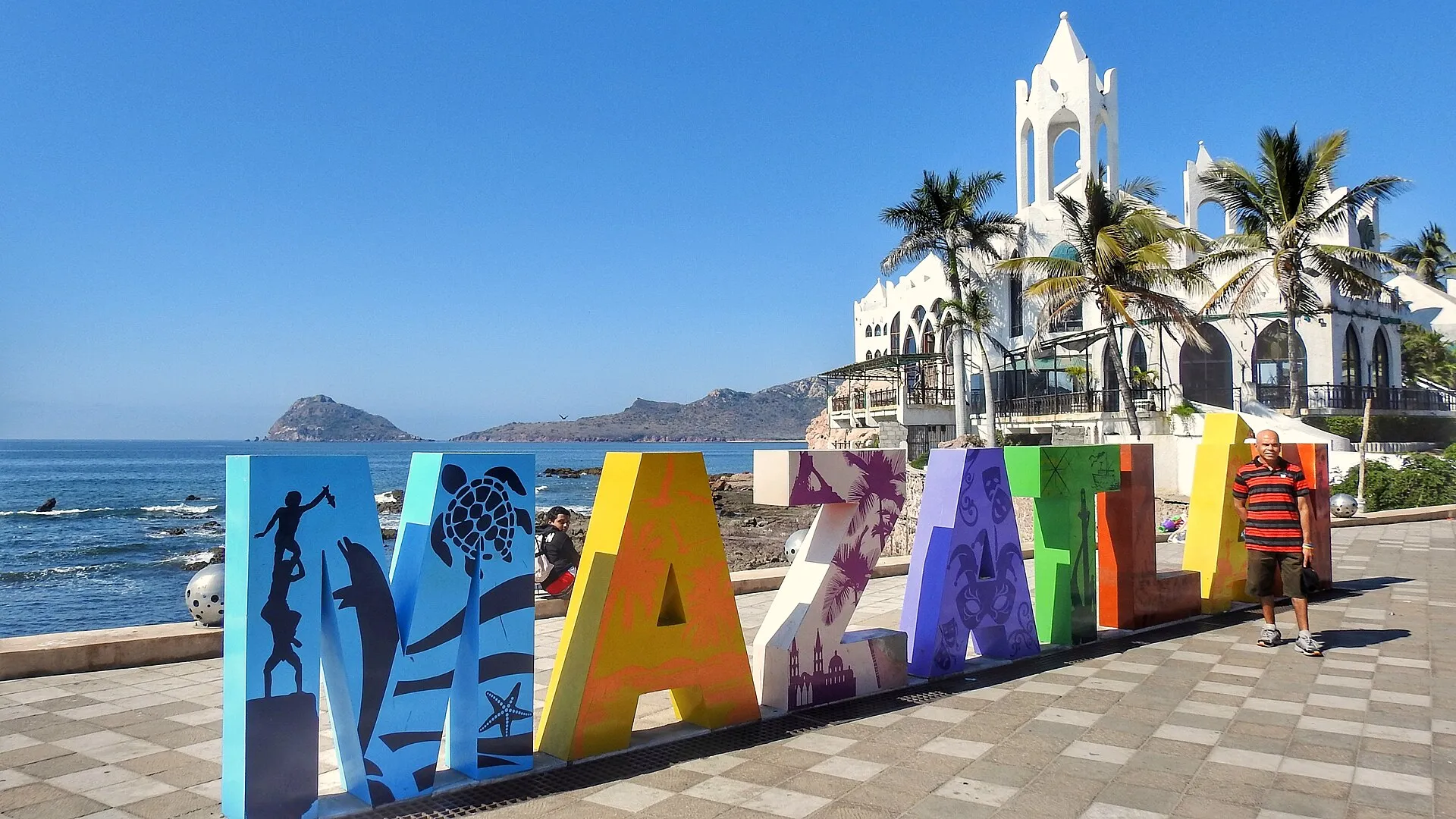
Mazatlan is best understood as two cities joined by the 20-km malecon: the tourist-facing Zona Dorada in the north and the walkable Centro Historico in the south. Within each zone, you can manage on foot. Getting between them requires transport.
Pulmonias are Mazatlan's signature open-air golf-cart-style taxis. They are fun, convenient, and negotiable: fares run $3.50-12 for most cross-city trips. Regular taxis cost a similar amount. Uber operates in the city and is often the most transparent pricing option. City buses run frequent routes for $0.50 per ride and are perfectly usable for daytime travel.
The General Rafael Buelna International Airport (MZT) sits about 18 km south of the center. Airport taxis charge fixed rates: $23 to Centro Historico, $25 to the Zona Dorada, and $29 to the Cerritos area. A shared shuttle runs for around $7. Ride-hailing apps are not permitted at airport pickup points.
Sorting transport? Book an airport transfer, or compare car rental on Auto Europe and QEEQ.
Visas and Staying Long-Term
Mexico is visa-free for citizens of the US, Canada, the UK, EU countries, and most of the developed world. The immigration officer at the border grants a tourist permit (FMM) for up to 180 days per entry. The actual number of days stamped depends on the officer and how long you tell them you plan to stay, so be specific when asked. There is currently no official digital nomad visa for Mexico; the tourist entry is what most remote workers use.
If you want to stay longer than 180 days continuously, your options are to leave and re-enter (border runs to the US or a flight to another country) or to apply for a Temporary Resident Visa (up to four years), which requires proving sufficient income and applying at a Mexican consulate before arrival.
Best Time to Visit
Mazatlan has a tropical dry-winter climate. The sweet spot for remote work is November through April: low humidity, temperatures between 22-28C (72-82F), almost no rain, and the city at its most lively with Canadian and American snowbirds in residence.
May and June are warm and dry but getting hotter. July through September is the rainy season: afternoon thunderstorms are common and humidity climbs sharply. Direct hurricane strikes are historically rare for Mazatlan, but tropical storms can disrupt power and internet for days. October is transitional and underrated as a value month: the rain tapers off, temperatures are still warm, and accommodation rates drop 30-50% compared to peak season.
Pros and Cons
- Pro: Genuinely affordable without feeling like a compromise, especially on rent
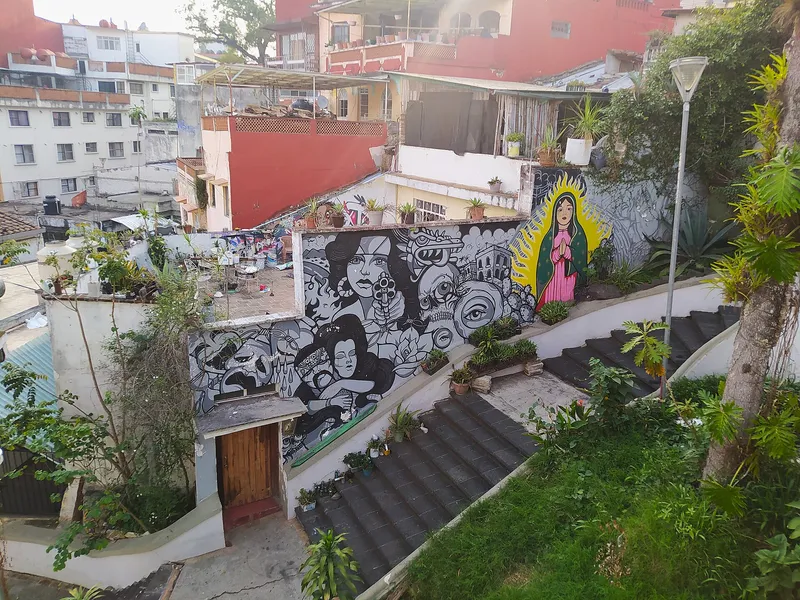
- Pro: Beautiful Centro Historico with real local culture, not a tourist bubble
- Pro: 21 km of beaches and a car-free malecon make downtime excellent
- Pro: Seafood quality is exceptional and cheap, a real daily pleasure
- Pro: Slower pace and smaller expat scene than Puerto Vallarta or CDMX means less competition for housing
- Con: Coworking options are limited and the scene is still small
- Con: Cafe WiFi is unreliable; working from laptops in cafes requires scouting
- Con: Hot, humid summers (July-September) make sustained desk work uncomfortable without strong AC
- Con: English is less widely spoken than in Cancun or Puerto Vallarta; Spanish helps significantly
- Con: Flight connections are improving but still limited; expect layovers via Mexico City or Guadalajara
Who Mazatlan Is Best For
Mazatlan rewards nomads who want the feel of a real Mexican city alongside beach access, without paying Puerto Vallarta or Los Cabos prices. You will do well here if you have conversational Spanish, can handle async or flexible work schedules around the peak-season social energy, and appreciate food and architecture over nightlife and networking events.
It is also a strong pick for long-stay visitors (two to six months) who want to settle into a neighborhood rather than pass through. The slow pace, low cost, and lack of a heavy tourist industry in the Centro mean you can actually build a routine.
Skip Mazatlan if you need a dense coworking ecosystem, fast international flight connections, or consistent high-speed internet across cafes. It is also not the right fit during the summer rainy months if your work requires reliable connectivity with no tolerance for interruption.