Cost of Living in Guanajuato
Real market data
Source: Numbeo · August 2026
$1,060/moSolo nomad1-bed centre + living costs
$1,470/moCoupleshared 1-bed + costs
$830/moLean / localcheaper area + costs
- 1-bed rent, city centre$550MX$9,566
- 1-bed rent, outside centre$320MX$5,500
- Monthly costs excl. rent (1 person)$510MX$8,830
- Meal, inexpensive restaurant$14MX$250
- Monthly transit pass$34MX$585
- Buy price, per m² (centre)$1,420MX$24,541
Prices are from Numbeo (August 2026), converted to USD at $1 = MX$17.34 (01 Aug 2026). The monthly living-costs figure is our transparent one-person basket, groceries, a few meals out, utilities, phone, internet, transport and essentials, priced from those figures. Solo adds central rent; couple and lean are estimates from the same numbers. The guide below quotes its own monthly range, which is a different measurement rather than a competing one: this table prices a defined basket at the figures above, while that range is a judgement about how somebody actually lives here.
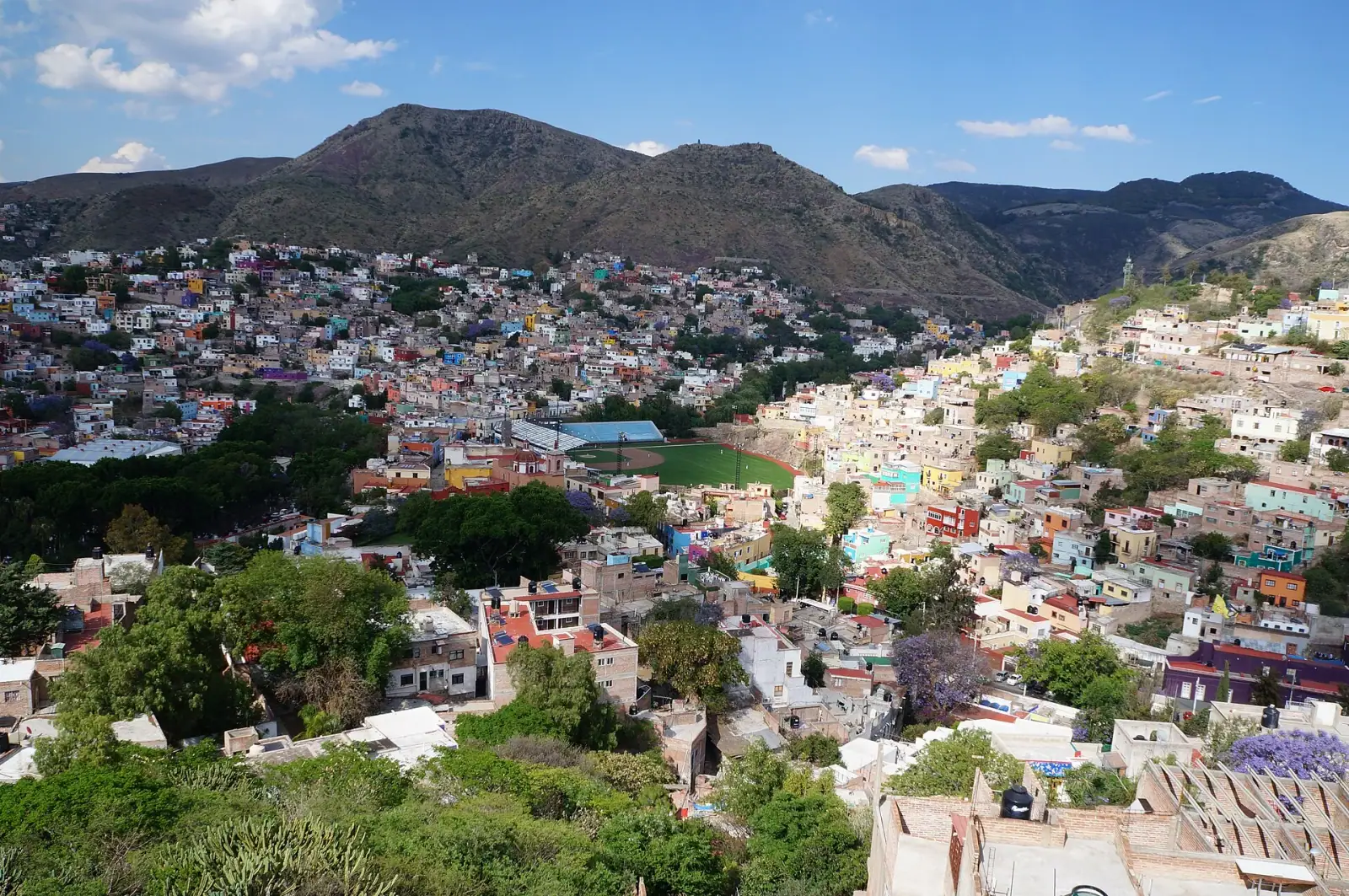
Guanajuato is one of Mexico's more affordable mid-size cities. Your biggest variable is rent. A furnished one-bedroom in the historic centre (Centro Histórico) runs roughly $490-690 per month. In quieter residential areas like Marfil or Barrio de San Javier, expect $315-460 for similar space.
- Rent (1BR, Centro): $490-690
- Rent (1BR, outer barrios): $315-460
- Groceries (market + supermarket): $145-200
- Eating out (local meals, comida corrida): $3.50-7 per meal
- Coffee at a cafe: $2.50-3.50
- Coworking hot desk (monthly): $145-275
- Local transport (buses, occasional taxi): $17-40
Realistic monthly total: A solo nomad living comfortably, cooking some meals, eating out a few times a week, and using a coworking space can expect to spend $900-1,400 per month. Staying in a cheaper area and relying on cafes for work brings this closer to $700-950.
Where to Work
Dedicated coworking infrastructure in Guanajuato city is limited compared to larger Mexican cities. The primary dedicated option that has persisted is Best Oficinas, with a location accessible from the city offering private day offices, meeting rooms, and hot desks. Expect to pay around $140-270 per month for regular access. The local coworking scene has historically been unstable.
The more common approach among nomads here is working from cafes, and it works reasonably well. Estacion Gelato y Cafe (Truco street) has a rooftop with power outlets and reliable WiFi fast enough for video calls. Cafe Tal, with multiple locations including one at La Presa, is popular with a mix of locals and visitors and has adequate connectivity. Cafe Conquistador in the historic centre is quieter in the mornings and tolerates laptop workers.
WiFi speeds in Guanajuato are inconsistent. Most cafes can handle basic video calls and async work, but the city's hilly topography and older building stock mean coverage drops off unexpectedly. For anything mission-critical, carry a Mexican SIM with a Totalplay or Telcel data plan as a backup. Purchasing a local SIM at the bus station or a Telcel store is straightforward and costs around $8.50-14 with several GB included.
Getting Around
Guanajuato's historic centre is largely pedestrian-only, and the city's compact layout means you walk almost everywhere within the central zone. Streets are narrow, often stepped, and built for foot traffic rather than cars. This is a genuine pleasure for day-to-day life but can be tiring if you have heavy luggage or mobility limitations.
The city routes traffic through a network of underground tunnels (callejones), originally dug as flood channels. Buses run through these tunnels and serve most neighbourhoods for around $0.50 per trip. Taxis are cheap by Western standards at roughly $4-4.50 for a short trip within the city.
The nearest airport is Del Bajio International Airport (BJX), located near Silao, about 40-50 minutes from the city centre by taxi. The official taxi rate from the airport runs approximately $25-30. A cheaper option is taking a bus from the airport to Leon (around 30 minutes, under $5) and then connecting to Guanajuato by bus from there. There is no direct public bus from BJX directly to Guanajuato city centre, so confirm connections in advance.
Sorting transport? Book an airport transfer, or compare car rental on Auto Europe and QEEQ.
Visas and Staying Long-Term
Citizens of the United States, Canada, the United Kingdom, the EU/Schengen zone, Australia, and most other Western countries enter Mexico visa-free as tourists. At the port of entry you receive a tourist permit (FMM) valid for up to 180 days, though the exact number is at the immigration officer's discretion and can be less if you have no onward plans.
The FMM cannot be extended inside Mexico. Once it expires, you must exit the country. Many nomads do a border run and re-enter for another stay, though immigration officers may ask questions if this becomes a pattern. Mexico does not currently have a dedicated digital nomad or remote worker visa. If you intend to stay longer than 180 days continuously, look into the Temporary Resident visa (Residente Temporal), which requires applying at a Mexican consulate before you arrive.
Best Time to Visit
Guanajuato sits at roughly 2,000 metres elevation, which keeps temperatures moderate year-round. Daytime highs typically range from 23-28 C (73-82 F) for most of the year, with evenings cooling to 8-15 C (46-59 F) even in summer. Pack a layer regardless of the season.
The dry season from November through April offers the most stable working conditions: clear skies, lower humidity, and no afternoon rain disrupting outdoor cafe time. October and November are especially good, with mild temperatures and the city at its most vibrant around Festival Internacional Cervantino (mid-October) and Dia de los Muertos (early November). Be aware that October brings large crowds and higher accommodation prices during the festival.
The rainy season runs May through September, with the heaviest rain in July and August. Short but intense afternoon downpours are the norm, and while they rarely last more than an hour, flooding in the tunnel system occasionally disrupts movement. The city stays green and lush during this period and is noticeably quieter. Spring (March through May) is warm, dry, and low-season, making it a practical choice for budget-conscious nomads who want fewer crowds.
Pros and Cons
- Genuinely low cost of living with affordable food, rent, and transport
- Beautiful, walkable historic centre with strong cultural atmosphere
- Rich food scene including regional specialties like enchiladas mineras and guacamayas
- Cooler climate year-round thanks to high elevation, no brutal heat
- 180-day tourist entry is generous compared to many countries
- Strong arts and university scene through Universidad de Guanajuato gives the city energy beyond typical tourist towns
- Very limited dedicated coworking infrastructure, cafe WiFi is often the primary option
- Internet reliability is patchy, especially in older buildings in the centre
- State-level security concerns: cartel activity in parts of Guanajuato state means context matters; the historic city itself is safer than many surrounding areas but not entirely insulated
- No direct digital nomad visa, exits required after 180 days
- Remote from Mexico City: a 4-5 hour bus ride if you need a major hub
- Narrow streets and tunnels can feel disorienting and require navigation patience
Who Guanajuato Is Best For
Guanajuato suits nomads who value cultural depth and aesthetic charm over coworking infrastructure. If you are a writer, designer, artist, or anyone whose work is primarily asynchronous and can tolerate variable WiFi with a mobile backup, you will likely love it here. The city rewards slow travel: it is a place to spend two to four months, not two weeks. Spanish speakers or learners will integrate more easily, as English is not widely spoken outside tourism-facing businesses.
It is also a strong fit for nomads on tighter budgets who want a genuine Mexican city rather than an expat bubble. The local food is cheap, good, and abundant at market level, and landlords are increasingly comfortable with monthly furnished rentals.
Skip Guanajuato if you need a reliable coworking setup for daily calls, frequent flights to international destinations, a large English-speaking nomad community, or a beach. It is also a harder fit if you are uncomfortable navigating ambiguous security situations: state-level cartel activity, while mostly distant from the city centre, is real and not something to ignore entirely.