Cost of Living in Playa del Carmen
Real market data
Source: Numbeo · August 2026
$1,630/moSolo nomad1-bed centre + living costs
$2,090/moCoupleshared 1-bed + costs
$960/moLean / localcheaper area + costs
- 1-bed rent, city centre$1,070MX$18,503
- 1-bed rent, outside centre$390MX$6,843
- Monthly costs excl. rent (1 person)$570MX$9,816
- Meal, inexpensive restaurant$13MX$224
- Monthly transit pass$29MX$500
- Buy price, per m² (centre)$4,000MX$69,343
Prices are from Numbeo (August 2026), converted to USD at $1 = MX$17.34 (01 Aug 2026). The monthly living-costs figure is our transparent one-person basket, groceries, a few meals out, utilities, phone, internet, transport and essentials, priced from those figures. Solo adds central rent; couple and lean are estimates from the same numbers. The guide below quotes its own monthly range, which is a different measurement rather than a competing one: this table prices a defined basket at the figures above, while that range is a judgement about how somebody actually lives here.
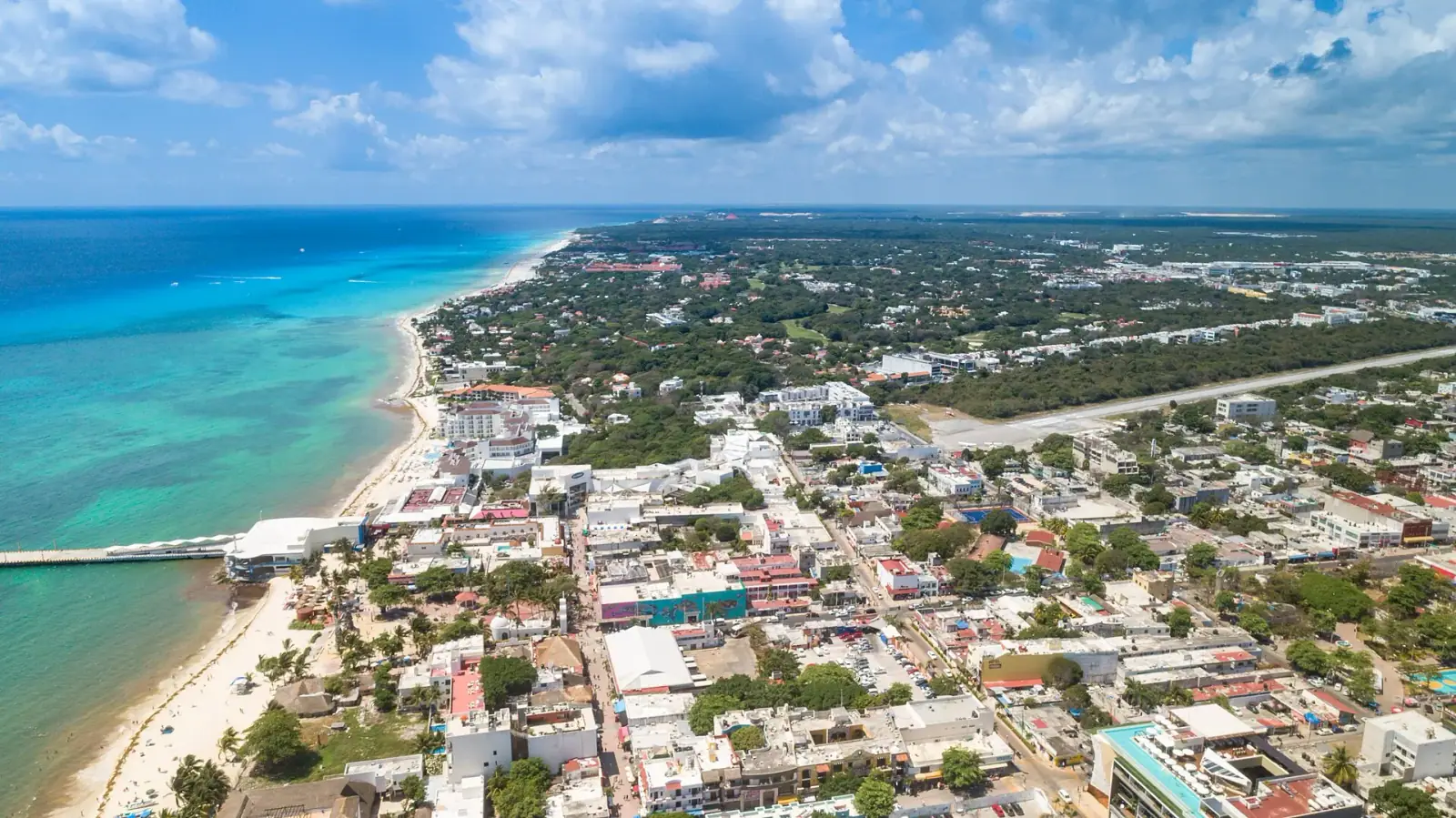
Playa del Carmen sits in a middle tier for Mexico: cheaper than Mexico City for eating out, but pricier than Oaxaca or Merida for rent because of high tourism demand. Here is a realistic monthly breakdown for a solo nomad in 2025-2026:
- Rent, centro (1-bedroom): $690-1,210. Short-term Airbnb prices run 20-30% higher; negotiate a 6-month peso-denominated lease for the best rate.
- Rent, outlying areas (Ejidal, Colosio): $460-865. You trade walkability for savings.
- Groceries: $175-290/month. Local markets and Walmart keep costs down; imported goods at specialty stores cost two to three times more.
- Eating out: Street tacos and comida corrida run $4.50-8.50 per meal. A sit-down restaurant dinner for two lands around $40-52.
- Coworking hot-desk: $120-220/month for a monthly pass. Day passes cost $12-23.
- Local transport: Colectivos (shared vans) cost $0.50-1 per trip. Taxis start at $3. Many nomads rent a bike for $29-46/month.
- Utilities and internet (if apartment includes): $46-87/month extra if not bundled; most furnished rentals include residential fiber.
Total realistic monthly range: $1,700-2,500 for a modest but comfortable lifestyle with a coworking membership. Budget-conscious nomads can hit $1,400; those preferring a nicer apartment, regular restaurants, and weekend activities should plan for $2,800-3,500.
Where to Work
The coworking scene is solid and concentrated near Avenida 10 in centro.
- Nest Coworking (Av. 10 between Calles 12 and 14) is the most community-oriented space, with a terrace, hammock zone, regular events, and Google ratings around 4.8/5. Monthly passes start at $220.
- Bunker Coworking (Av. 10 Norte at Calle 38, Zazil-Ha) is quieter and more corporate, with fiber, free coffee, unlimited printing, and 24/7 access from $190/month. Google rating around 4.9/5.
- CoWork-In (Playacar Fase II) is the most affordable dedicated space at $120/month, with a kitchen, terrace, and a smaller community feel.
- Kiin Hub Cowork (Playacar) offers private offices and shared desks with coffee included.
Cafe work culture exists but is uneven. Ah Cacao on La Quinta Avenida is consistently reliable for WiFi and table time. Cuore 34 and Vika are also laptop-friendly. That said, many beachfront and tourist-strip cafes are not set up for long work sessions: small tables, loud music, and spotty connectivity. Stick to cafes on Avenida 10 or side streets away from La Quinta for serious work.
The broader WiFi situation is good, including residential fiber. Power outages are rare in centro but do occur during heavy storms. A SIM card from Telcel gives you a reliable 4G/5G backup for $12-17/month.
Getting Around
The centro is walkable. La Quinta Avenida (5th Avenue), the beach, most coworking spaces, and the bulk of restaurants are within a 15-minute walk of each other. If you stay in centro, you may not need any transport at all for daily life.
For trips beyond centro, colectivos are the practical option: shared minivans run along Av. 10 and Av. 20 for $0.50-1 per ride. They are frequent, cheap, and used daily by locals and nomads alike. Taxis are metered or negotiated and start around $3 for short hops.
Many nomads rent bikes or electric scooters for $29-46/month, which is the most convenient way to reach neighborhoods like Colosio, Ejidal, or the north end near Calle 38.
Getting to Cancun International Airport (CUN): The airport is about 56 km north, roughly a one-hour trip. The ADO bus from the downtown terminal is cheapest (around $6-8.50/~$6-9). Shared shuttles cost $15-25. A private taxi or Uber runs $40-60. There is no direct train or metro link; book early for early morning flights.
Sorting transport? Book an airport transfer, or compare car rental on Auto Europe and QEEQ.
Visas and Staying Long-Term
Most nationalities, including US, Canadian, UK, EU, and Australian passport holders, enter Mexico visa-free for tourism. Mexican immigration officers stamp your passport with an allowed stay, typically 180 days, though they can issue fewer at their discretion. There is no automatic guarantee of 180 days; officers at Cancun airport are known to occasionally give 30 or 90 days, so politely request the full period if you intend a longer stay.
Mexico has no official digital nomad visa as of mid-2026. Your options for staying longer than a single tourist entry are:
- Border run: Leave Mexico (Belize is closest) and re-enter for a fresh tourist stamp. This is widely done but is not legally guaranteed to be approved repeatedly.
- Temporary Resident Visa (Residente Temporal): Apply at a Mexican consulate before arrival. Requirements include proof of income of approximately $4,400/month for the prior 6 months, or savings of approximately $72,000-74,000 for the prior 12 months. The consular fee is around $56; the residency card costs approximately $645. Processing takes around 10 business days. This visa allows you to legally live and work remotely in Mexico for one to four years.
Best Time to Visit
Playa del Carmen sits on the Caribbean coast and is warm year-round (24-32°C / 75-90°F), but the seasons differ significantly.
Dry season (November through April) is the sweet spot for most nomads. Sunny days, low humidity, and almost no rain make outdoor life and productivity easy. December through February bring the coolest and most comfortable temperatures. This is also peak tourist season, so rents are higher and La Quinta is crowded.
Shoulder months (May and November) offer a good balance: prices drop, crowds thin, and the weather remains mostly pleasant. May can get hot and humid.
Rainy season (June through October) overlaps with hurricane season. Rain usually comes in afternoon bursts rather than all-day downpours, so mornings are often workable. Humidity is high. The real risk is hurricanes (August to October), which can cause power outages, flooding, and disruption. If you stay during this period, buy travel insurance and have a contingency plan.
For remote work specifically, February through April is the most productive window: excellent weather, strong infrastructure, and an active expat community at its peak.
Pros and Cons
- Pro: Long tourist-visa stays (up to 180 days) require no paperwork
- Pro: Fast and reliable coworking infrastructure in centro
- Pro: Excellent food scene at every price point, from street tacos to Michelin-recognized restaurants
- Pro: Large English-speaking expat and nomad community year-round
- Pro: Cenotes, beaches, and Mayan ruins all within day-trip distance
- Pro: Direct flights to major US, Canadian, and European hubs via Cancun airport
- Con: Tourist-zone rents are high relative to the rest of Mexico
- Con: La Quinta Avenida feels like a permanent spring break in peak season
- Con: Hurricane risk June through October can disrupt extended stays
- Con: Petty theft (pickpocketing, bag snatching) is common along tourist strips
- Con: No digital nomad visa means long-term legal status requires a full residency application
- Con: Traffic and noise in centro can be intense; light sleepers should seek side streets
Who Playa del Carmen Is Best For
Playa del Carmen suits nomads who want a Caribbean beach lifestyle without sacrificing reliable infrastructure. If you are US- or Canada-based, the timezone (Central Standard Time) is a practical advantage for overlap with North American clients. The English-speaking community is large enough that you can land and immediately find your footing, from coworking buddies to furnished apartments.
It works especially well for nomads on a mid-range budget ($2,000-3,500/month) who want variety: good restaurants, access to nature, and a social scene, without the isolation of smaller towns.
You may want to skip it if you are on a tight budget under $1,500/month and expect comfortable accommodation in a walkable location. It is also a poor fit if you need deep quiet for focused work during peak season, or if you are drawn to authentic local Mexican culture rather than a well-worn international nomad circuit. Merida, Oaxaca, and San Cristobal de las Casas offer more of that, at lower cost.