Cost of Living in Pátzcuaro
Where this figure comes from. No cost survey covers Pátzcuaro, so the $800 a month above is our own estimate rather than a measurement. On 416 of our 999 city guides the figure is built from a published Numbeo basket, a one-bedroom rent in the centre plus one person's monthly costs without rent, converted to USD; this city is not one of them. How we source everything.
Pátzcuaro is one of the more affordable Pueblos Magicos in Mexico, and it feels that way the moment you start pricing rooms off Plaza Grande. A furnished one-bedroom apartment near the historic center runs roughly $460 to $750 a month, and simple studio rentals in the surrounding streets can dip below that if you skip the colonial-courtyard charm. Groceries at the daily mercado are cheap, with fresh produce, lake fish, and Michoacan staples like corundas and uchepos costing a fraction of what you'd pay in a supermarket. A comida corrida lunch at a local fonda runs $3.50 to $6, while a sit-down dinner with mezcal at a nicer restaurant on Plaza Chica lands around $14 to $23 per person. All prices are in US dollars, and card acceptance is inconsistent outside of restaurants and hotels, so carrying cash is essential. All told, a modest single-person budget of $1,150 to $1,610 a month covers rent, food, and utilities comfortably, well below Mexico City or Oaxaca.
Where to Work in Pátzcuaro
This is not a coworking hub. Pátzcuaro has a handful of laptop-friendly cafes clustered around Plaza Vasco de Quiroga (Plaza Grande) and Plaza Gertrudis Bocanegra (Plaza Chica), where you can post up for a few hours with a coffee and reasonably steady wifi. There is no dedicated coworking space with hot desks and meeting rooms the way you'd find in Mexico City or Merida; most remote workers end up rotating between two or three favorite cafes and their rental's own connection. Speeds are generally adequate for video calls and cloud work but not blazing, expect occasional dropouts during storms in the rainy season, and it is worth asking your landlord about backup options like a mobile hotspot on Telcel, which has the best rural coverage in Michoacan. If you need reliably fast, uninterrupted internet for heavy uploads or streaming-heavy work, Pátzcuaro will occasionally test your patience, but for email, writing, and standard remote jobs it's workable.
Getting Around Pátzcuaro
The historic center is entirely walkable, and cobblestone streets connect Plaza Grande, Plaza Chica, the Basilica, and the market within a 10 to 15 minute stroll of each other. For getting further out, local buses and colectivos run frequently and cheaply to the lakefront muelle (pier), from where boats depart for Janitzio island. The nearest airport is Morelia's Francisco J. Mujica International Airport (MLM), about an hour away by direct bus or car via a well-maintained highway; buses from Morelia's downtown terminal to Pátzcuaro run regularly throughout the day for around $4.50 to $7 and take roughly 60 to 75 minutes. Taxis within town are inexpensive and easy to flag down, and ride-hailing apps have limited but growing presence. If you plan to explore nearby lake villages like Tzintzuntzan or Quiroga, local buses and combis handle those short hops well; renting a car adds flexibility but isn't necessary for daily life. That airport is a better gateway than its size suggests: Volaris, American and United fly it nonstop from about nine US cities, with Chicago the busiest route, so a flight from the Midwest can put you on the Pátzcuaro bus the same afternoon without a connection in Mexico City.
Sorting transport? Book an airport transfer, or compare car rental on Auto Europe and QEEQ.
Visas for Pátzcuaro
Most nationalities, including the US, Canada, the UK, and EU countries, receive a tourist entry (FMM) on arrival in Mexico that is valid for up to 180 days, which is more than enough runway for a long stay without any paperwork. For nomads planning to stay longer term, Mexico's temporary residency visa (residente temporal) is the standard path: it requires applying at a Mexican consulate in your home country beforehand, showing proof of sufficient income or savings, and grants an initial one-year stay that's renewable up to four years before you'd need to consider permanent residency. Pátzcuaro itself has no immigration office of note, so residency paperwork and renewals are typically handled in Morelia, the state capital. Overstaying the 180-day tourist entry brings fines and complications on exit, so nomads doing the classic border-run cycle should track their dates carefully, and Mexico does not guarantee a fresh 180 days on every re-entry, immigration officers have discretion.
Best Time to Visit Pátzcuaro
Pátzcuaro sits at roughly 2,140 meters in Mexico's subtropical highlands, which gives it a mild, dry climate for most of the year with warm days and notably cool, sometimes cold, nights, pack a jacket even in the dry season. The dry season from November through April offers the most reliable sunny weather and is generally considered the most comfortable stretch for working outdoors or exploring. The undeniable peak, though, is late October into early November, when Pátzcuaro becomes the spiritual heart of Mexico's Dia de los Muertos, with candlelit vigils on Janitzio island, altars filling Plaza Grande, and the town swelling with visitors, book accommodation months ahead if you want to be here for it. The rainy season runs roughly June through September, bringing afternoon downpours and lush green surroundings but muddier cobblestones and occasional wifi hiccups. Winter is the season to pack for indoors. January is the coldest month, with nights around 3 to 6 C against afternoons near 20, and thick adobe walls hold the night's chill well into the morning, so ask whether a rental has a gas heater before signing for December or January rather than after the first week.
Pros and Cons of Pátzcuaro
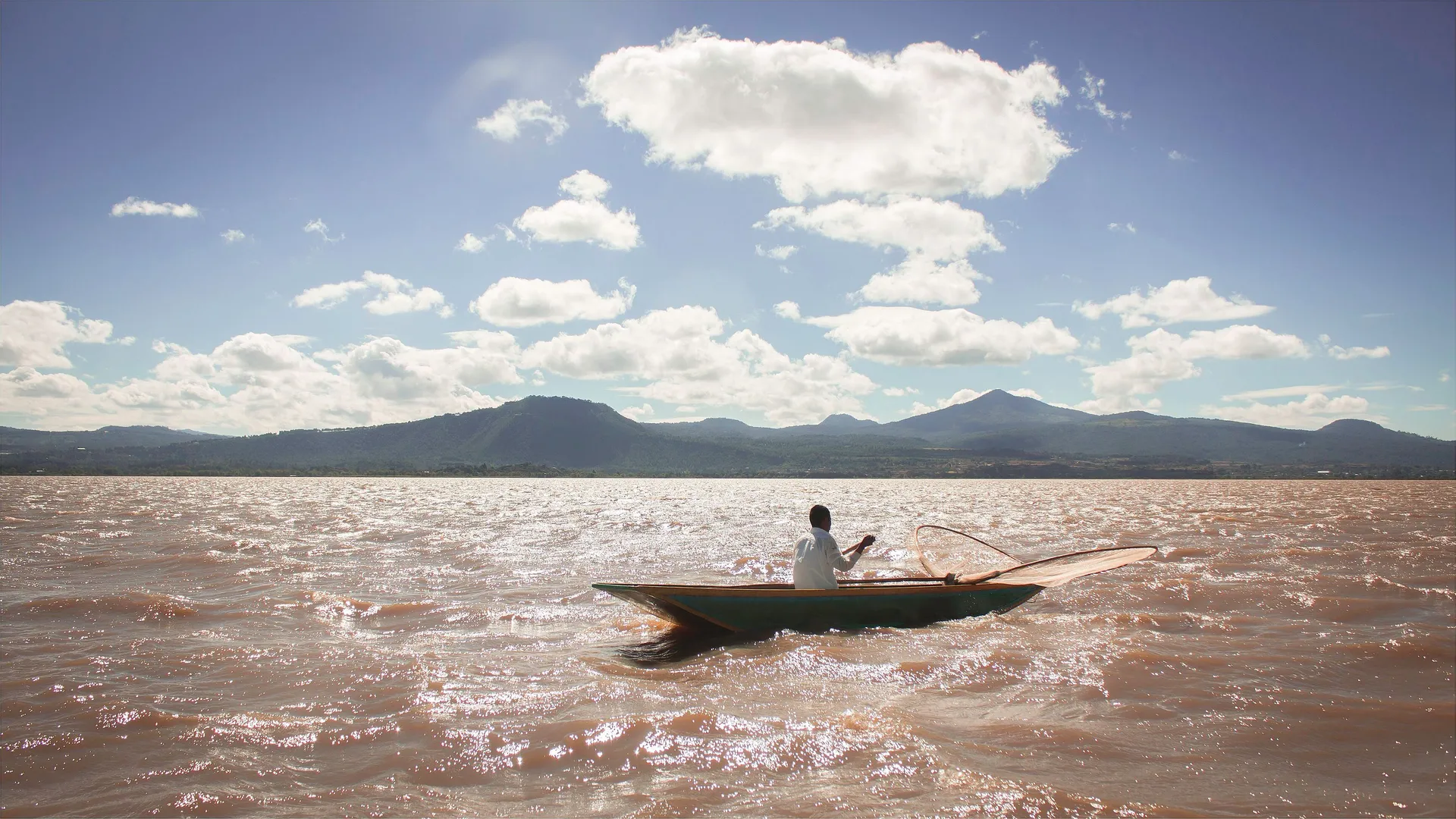
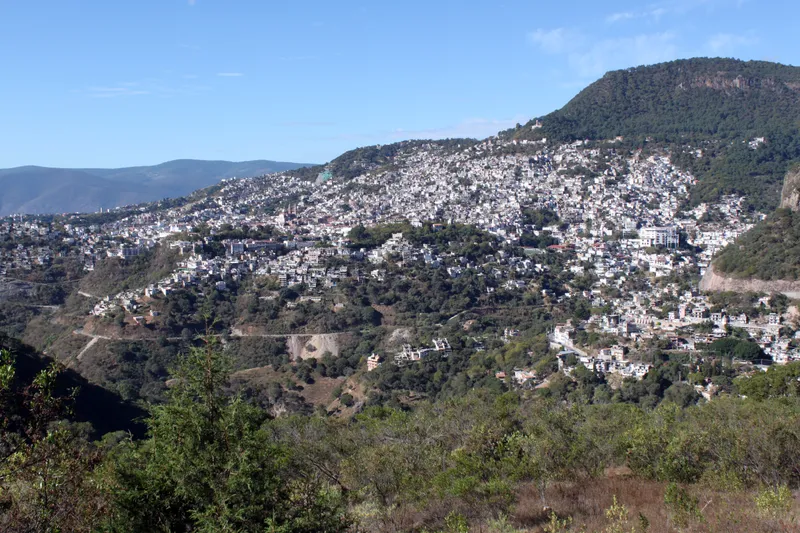
The pros: Pátzcuaro is genuinely beautiful, a red-and-white adobe town wrapped around two lively plazas, with rich Purepecha indigenous culture, excellent regional food, and a lake setting that rewards slow mornings and long walks. Costs are low, the pace is unhurried, and the Day of the Dead tradition here is considered one of the most authentic in the country. The cons: internet and coworking infrastructure lag well behind bigger nomad hubs, nightlife is quiet and skews toward mezcal bars rather than clubs, and the English-speaking expat community is small compared to Merida or San Miguel de Allende, so day-to-day life leans more Spanish. Michoacan state also carries elevated travel-advisory levels from several governments due to organized-crime activity in parts of the state; Pátzcuaro's town center itself is calm and tourist-frequented, but nomads should register with their embassy if eligible and avoid intercity road travel after dark, sticking to daytime bus travel between Pátzcuaro and Morelia.
Who Pátzcuaro Is For
Pátzcuaro suits nomads who want cultural immersion over convenience: writers, researchers, and slow travelers drawn to indigenous craft traditions, colonial architecture, and a lake town that hasn't been fully reshaped by tourism. It works well for remote workers on a modest budget who don't need cutting-edge coworking spaces and are comfortable with a bit of Spanish. It is a poor fit for anyone who needs guaranteed high-speed internet, an active nightlife scene, or a large built-in expat network, and it's not the right choice for nomads uncomfortable navigating a region with a mixed security reputation, even though the town itself sees no shortage of visitors and feels safe for day-to-day life. Think of it as a rewarding month-long deep dive rather than a long-term home base for most people. Researchers and anyone drawn to the lake's ecology will find one of its stranger stories in town. In the convent of the Basilica de Nuestra Señora de la Salud, Dominican nuns have bred the achoque, a critically endangered salamander found only in Lake Pátzcuaro, since the 1980s, first for the cough syrup the convent sold and now as the largest captive population of the species, in work shared with scientists from Chester Zoo.