Cost of Living in Mérida
Real market data
Source: Numbeo · August 2026
$1,240/moSolo nomad1-bed centre + living costs
$1,680/moCoupleshared 1-bed + costs
$1,030/moLean / localcheaper area + costs
- 1-bed rent, city centre$680MX$11,857
- 1-bed rent, outside centre$480MX$8,296
- Monthly costs excl. rent (1 person)$560MX$9,642
- Meal, inexpensive restaurant$12MX$200
- Monthly transit pass$21MX$360
- Buy price, per m² (centre)$2,370MX$41,088
Prices are from Numbeo (August 2026), converted to USD at $1 = MX$17.34 (01 Aug 2026). The monthly living-costs figure is our transparent one-person basket, groceries, a few meals out, utilities, phone, internet, transport and essentials, priced from those figures. Solo adds central rent; couple and lean are estimates from the same numbers.
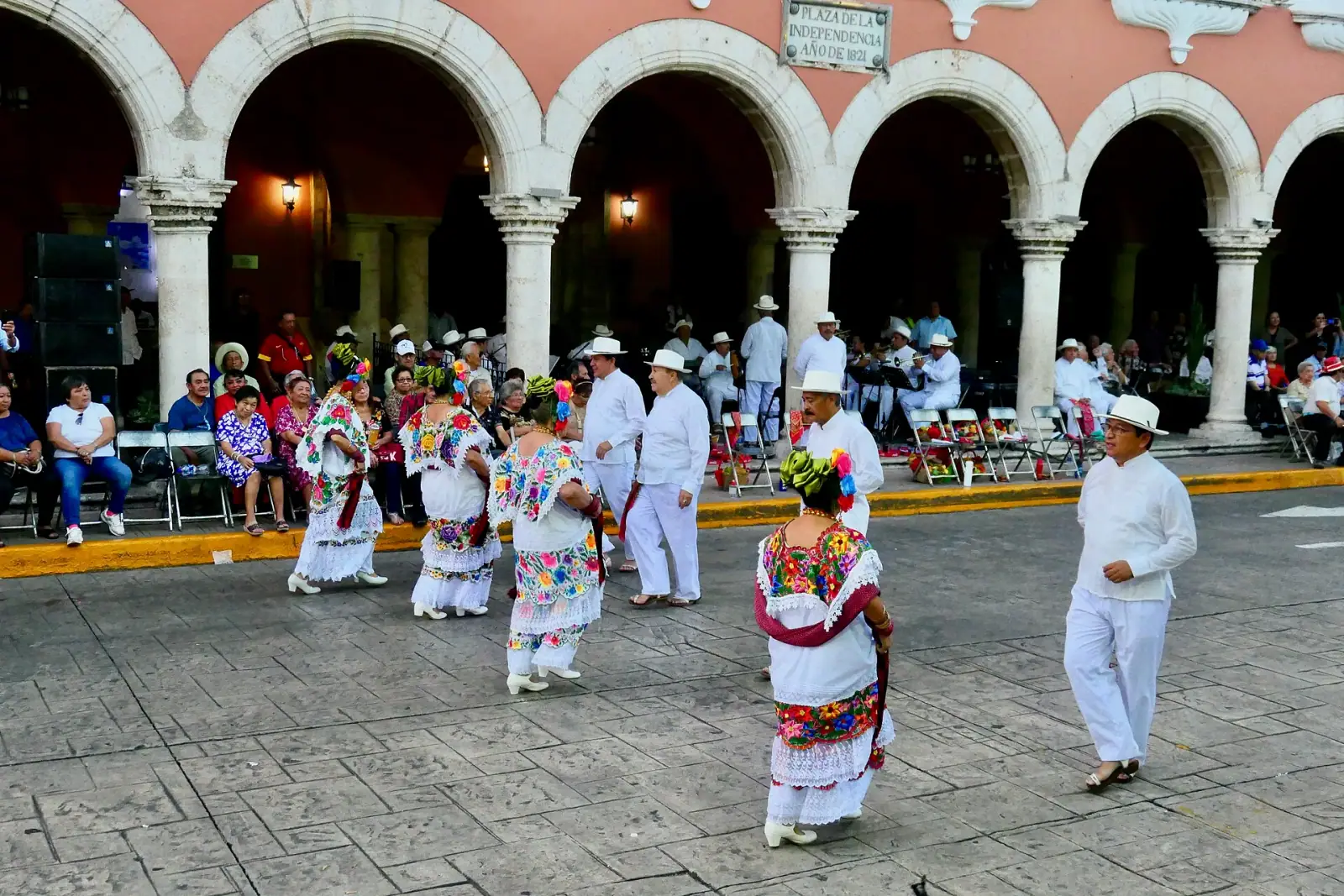
Mérida is one of the more affordable cities in Mexico for remote workers, though prices have risen as the expat community has grown. All figures below are approximate 2025 estimates.
- Rent (Centro Histórico or Paseo Montejo): $575-805/month for a furnished one-bedroom
- Rent (further out, e.g. García Ginerés or Itzimná): $405-575/month for a similar place
- Groceries: $145-230/month cooking mostly at home
- Eating out: $4.50-10 at local spots; $17-35 at mid-range restaurants
- Coworking hot-desk: $135-155/month for unlimited access; day passes run $5-12
- Local transport (bus/combi): about $0.50 per ride; Uber/InDriver rides across the centro cost $3-5
- Total monthly range: roughly $900-1,400 on a lean budget, $1,500-2,200 living comfortably with coworking included
A fiber-optic home internet plan costs around $29-35/month. Utilities add another $35-52/month, though air conditioning in summer months can push electricity bills significantly higher.
Where to Work
Mérida has a small but solid coworking scene and a growing number of cafes where lingering with a laptop is genuinely welcomed.
Coworking spaces
Conexión60 is the most-referenced coworking space among nomads, located at Calle 60 346 near Paseo Montejo. It offers private offices, meeting rooms, fiber internet, free coffee, and lockers. Monthly unlimited memberships run $155. I Want to CO, near the Santiago neighborhood in Centro, has more budget-friendly day rates ($5/day, $135/month) and a colorful layout.
Cafe work culture
Cafes in Mérida are generally receptive to laptop workers, especially in the morning hours. Manifesto Casa Tostadora Calabrese (Calle 59, Centro) is a specialty roaster with Italian methods and Mexican beans, rated 4.6 on Google, with two locations in the centro. Marago Coffee near Parque Santa Lucía has ample seating with outlets and is popular with remote workers. Volta Café in the Santa Lucía area has long work-friendly tables and rarely rushes you out.
WiFi reality
WiFi at coworking spaces is reliable. Cafe connections are more variable but typically handle video calls fine, though you may want a mobile data backup for important meetings. Telcel and AT&T Mexico both offer solid 4G/5G coverage in the city.
Getting Around
The Centro Histórico is genuinely walkable for the six months of the year when the heat is manageable (November through April). Outside that window, walking midday is punishing and most people take Uber, InDriver, or the Va y Ven bus system.
The Va y Ven buses are air-conditioned, have WiFi, and cost about $0.50 per ride. Routes cover most of the city. The IE-TRAM electric tram-bus connects the Tren Maya station to Centro and is a useful addition. Taxis and rideshares (Uber, InDriver) are reliable, cheap by international standards, and safe to use city-wide.
Getting to and from the airport: Manuel Crescencio Rejón International Airport (MID) is about 8 km southwest of Centro. Authorized airport taxis have fixed rates payable at the arrivals kiosk (around $14-20 to Centro). Rideshares cannot pick up at the terminal exit but work if you walk 5-10 minutes outside. ADO bus service also connects the airport to the city center at a lower cost.
You do not need a car for day-to-day life in the city, though one is useful for exploring the wider Yucatán Peninsula.
Sorting transport? Book an airport transfer, or compare car rental on Auto Europe and QEEQ.
Visas and Staying Long-Term
Most nationalities including US, Canadian, EU, UK, and Australian passport holders enter Mexico visa-free and receive a tourist stamp (FMM) valid for up to 180 days. The actual duration is at the immigration officer's discretion at the port of entry; you can politely request the full 180 days, but some travelers report receiving fewer days without asking.
Mexico does not have a dedicated digital nomad visa. For stays beyond 180 days, the standard route is the Temporary Resident Visa, which is valid for one year and renewable up to four years. As of 2025, it requires demonstrating a monthly income of roughly $3,700 over the prior six months, or savings of around $73,000. You must apply at a Mexican consulate in your home country before arriving.
Extensions to the tourist FMM within Mexico are generally not granted; the common approach is to cross a border and re-enter, though this resets your stay rather than formally extending it.
Best Time to Visit
The window from mid-November through February is widely considered the sweet spot. Temperatures drop to a very comfortable 18-28°C (65-82°F), humidity is low, rain is rare, and the city's cultural calendar is full. January and February are the peak tourist months, so expect higher accommodation demand.
March and April are hot and dry with temperatures climbing toward 38-40°C (100-104°F) by April. They are manageable if you work indoors with air conditioning and limit outdoor activity to mornings and evenings.
May through October brings the rainy season: intense afternoon showers, very high humidity, and sustained heat above 33°C (91°F) daily. Hurricane season overlaps from June to November, with the greatest risk in August and September. Working remotely during these months is entirely doable from inside, but the city feels more demanding to live in day-to-day.
For remote workers prioritizing comfort and livability, plan your main stay for November through March.
Pros and Cons
Pros
- Consistently ranked Mexico's safest large city, with crime rates well below the national average
- Rich Mayan and colonial culture, world-class food scene, and genuine local character
- Cost of living is moderate and well below comparable cities in Europe or North America
- Fast fiber internet available at home and in coworking spaces
- Well-connected airport with direct flights to major US cities
- A stable, growing expat and nomad community without feeling overrun
- Easy day trips to cenotes, Chichén Itzá, Izamal, and the Gulf coast
Cons
- Heat is genuinely brutal from April through September, limiting outdoor life significantly
- The coworking scene is small; serious options are limited compared to Mexico City or Playa del Carmen
- Spanish is essential: English is less common here than in tourist-heavy coastal cities
- No digital nomad visa; the Temporary Resident route involves meaningful income requirements and consulate paperwork
- The humid summer months can affect motivation and comfort for those unaccustomed to tropical climates
- Nightlife is relatively low-key compared to Mexico's beach destinations
Who Mérida Is Best For
Mérida suits remote workers who value safety, culture, and authentic city life over beach vibes or a packed nomad social scene. You will thrive here if you are drawn to colonial architecture, Yucatecan food, day trips to extraordinary Mayan sites, and a city where locals vastly outnumber tourists. It is a particularly strong fit for those planning a longer stay of two to six months who want to genuinely settle into a place rather than pass through.
It is also well-suited to couples or solo travelers who prefer a calm, walkable urban environment with reliable infrastructure and low petty crime, and who do not depend on a large English-speaking community for their social life.
You should look elsewhere if you want beach access on your doorstep, a large ready-made nomad meetup scene, consistently cool temperatures year-round, or a visa pathway without meaningful financial requirements. Cancún, Playa del Carmen, or Oaxaca may be better fits depending on what you are looking for.