Cost of Living in San Miguel de Allende
Real market data
Source: Numbeo · August 2026
$1,670/moSolo nomad1-bed centre + living costs
$2,120/moCoupleshared 1-bed + costs
$1,240/moLean / localcheaper area + costs
- 1-bed rent, city centre$1,110MX$19,288
- 1-bed rent, outside centre$690MX$11,907
- Monthly costs excl. rent (1 person)$560MX$9,662
- Meal, inexpensive restaurant$14MX$250
- Monthly transit pass$7MX$120
- Buy price, per m² (centre)$2,870MX$49,720
Prices are from Numbeo (August 2026), converted to USD at $1 = MX$17.34 (01 Aug 2026). The monthly living-costs figure is our transparent one-person basket, groceries, a few meals out, utilities, phone, internet, transport and essentials, priced from those figures. Solo adds central rent; couple and lean are estimates from the same numbers.
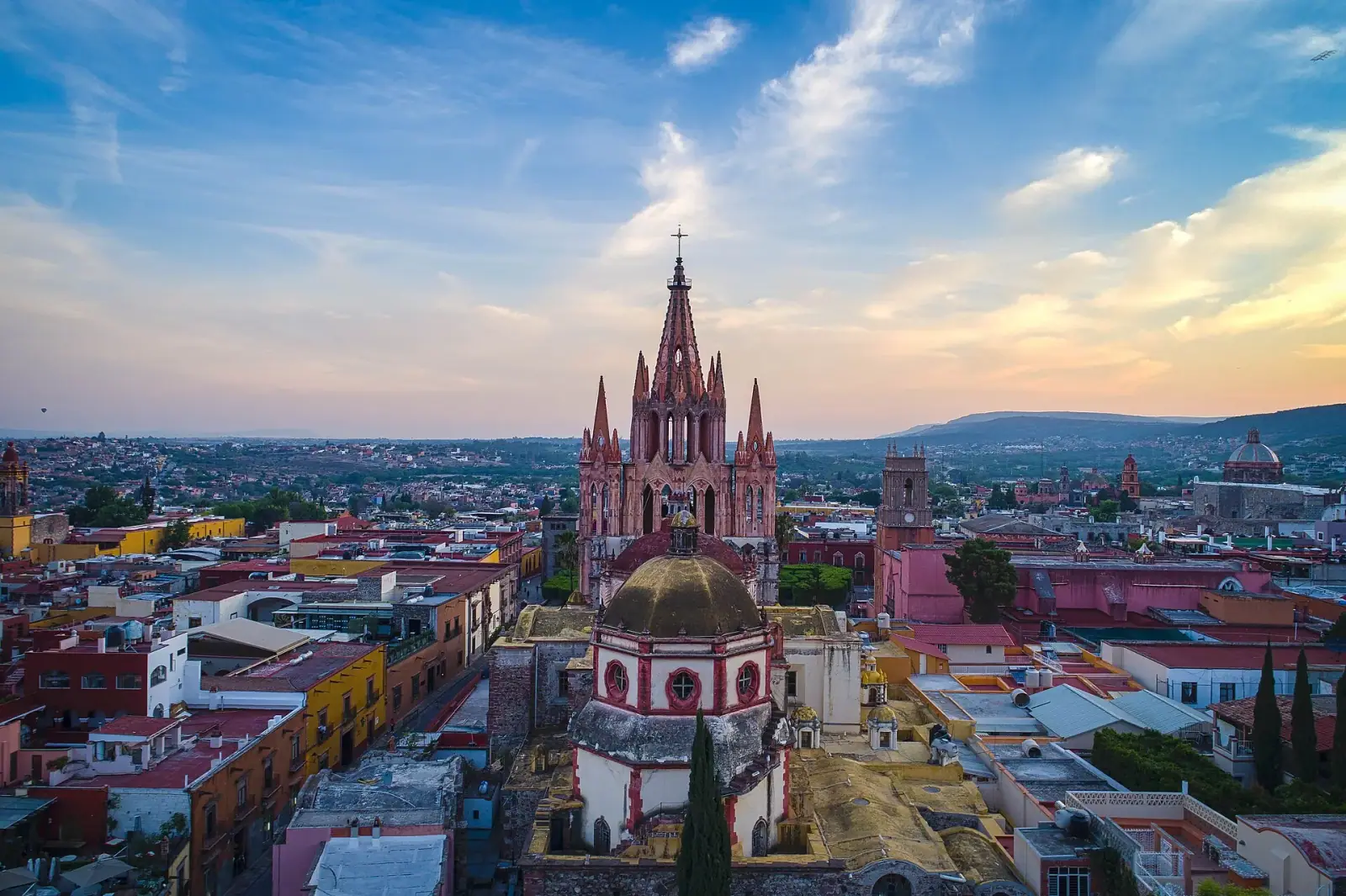
San Miguel de Allende is not the budget corner of Mexico. Decades of American and Canadian retirees and a steady stream of remote workers have pushed prices, especially rent, well above what you would pay in a mid-size Mexican city. Plan realistically. Here is a rough monthly breakdown for one person, in US dollars.
- Rent, one-bedroom in Centro: around $750 to $1,270. Furnished, walkable, tourist-heavy.
- Rent, cheaper outlying colonias: around $520 to $865 for a one-bedroom a bus ride from the center.
- Groceries: roughly $260 to $435, higher if you buy imported and organic products that expats love.
- Eating out: a comida corrida (set lunch) runs $5 to $8.50, while dinner at an expat-facing restaurant easily hits $23 to $40 per person.
- Coworking hot-desk: roughly $14 to $20 per day, or a couple of hundred dollars a month for a dedicated plan.
- Local transport: city buses cost around $0.50 per ride, and in-town taxis are $3 to $4.50.
A modest single budget lands around $1,200 to $1,600 a month, and a comfortable one with a central rental, frequent dining out, and coworking runs $1,600 to $2,200. Couples do not pay double, but housing is the swing factor. Utilities and fiber internet add roughly $70 to $160 combined.
Where to Work
San Miguel has a small but real coworking scene rather than a sprawling one. Espacio Coworking sits a few blocks from the Jardín and is a quiet, freelancer-friendly spot with fast fiber and complimentary coffee. Smartspace Hub offers 24/7 access, private and semi-private offices, and meeting rooms, though it is roughly ten minutes out from the center. Selina combines accommodation with coworking and skews toward younger travelers.
Cafe-work culture exists but is gentler than in a big nomad hub. Spots like Cafe Rustica draw laptop workers with roomy tables and free WiFi, though many pretty courtyard cafes expect you to be a customer, not a squatter, during busy hours. On connectivity, home fiber and cable are widely available and reliable, and they handle video calls fine. If your work is bandwidth-critical, verify the specific connection before signing a lease, since older buildings vary.
Getting Around
The historic center is compact and walkable, which is the whole appeal. The catch is the terrain: streets are steep cobblestone, hard on ankles, wheels, and anyone with mobility issues, so bring sturdy shoes. Local buses and cheap in-town taxis cover longer trips, and rideshare availability is limited compared with larger cities, so do not count on it.
San Miguel has no airport of its own. Two options serve it. León/Guanajuato (BJX) is about 1.5 hours away and carries the most international flights. Querétaro (QRO) is the closest, a bit under 1.5 hours. From either, a shared shuttle such as BajioGo runs roughly $30, a private transfer or taxi is around $50 to $80, and intercity buses (Primera Plus, ETN) are cheaper but slower, running to nearby terminals. Book a transfer in advance rather than improvising at arrivals.
Sorting transport? Book an airport transfer, or compare car rental on Auto Europe and QEEQ.
Visas and Staying Long-Term
Most nationalities enter Mexico visa-free as a tourist. The tourist entry (recorded on the FMM, now largely a passport stamp at major airports) can be granted for up to 180 days, but that length is no longer automatic. It is discretionary: the immigration officer decides how many days to give based on your stated plans, and stays shorter than 180 days are increasingly common. It cannot be renewed, so when it expires you must leave.
Enforcement has tightened. Back-to-back border runs to reset the clock are riskier than they used to be, and officials have signaled that working remotely while on a tourist entry is not really tourism. If you plan to stay long-term, the proper route is temporary residency, valid up to four years, which you apply for at a Mexican consulate abroad. It requires proof of income (recently around $4,310 per month over six months) or substantial savings (around $66,000).
Best Time to Visit
San Miguel sits at roughly 1,910 meters (about 6,270 feet), so the climate is mild highland rather than tropical. Days are warm and dry much of the year, mornings and evenings are cool, and you will want a jacket after dark even in warm months. There is no beach heat and no real cold, but the altitude can leave you short of breath and dehydrated for the first few days.
The dry season runs roughly November through May with clear skies. The rainy season is June through October, which mostly means reliable late-afternoon thunderstorms rather than washed-out days. For remote work, the sweet spots are the shoulder windows of October to November and March to April: dry, comfortable, and quieter than the peak holiday and festival crowds that spike prices.
Pros and Cons
Where San Miguel wins:
- Gorgeous, safe, walkable colonial center with a genuine sense of place.
- Large established English-speaking expat community, easy to plug into socially.
- Mild highland climate with no extremes and lots of sun.
- Reliable fiber internet and a small, functional coworking scene.
- Good food, healthcare, and services aimed at foreigners.
Where it disappoints:
- Expat-bubble pricing: rent and dining are high for Mexico, and rising.
- Steep cobblestone streets and altitude that take adjustment.
- Limited nightlife and a smaller, older crowd than beach or big-city hubs.
- You can coast in English, but Spanish still helps a lot outside the tourist core.
- No local airport, so every trip involves a transfer.
Who San Miguel de Allende Is Best For
San Miguel suits remote workers who value beauty, safety, and a settled, community-minded pace over party energy and rock-bottom costs. It is a strong fit if you want a walkable base with a soft landing in English, do not mind paying more for it, and like the idea of an established expat and retiree scene around you. Couples, older nomads, and anyone planning a longer, calmer stay tend to thrive here.
Skip it if you are chasing cheap rent, a big young nomad crowd, a lively nightlife, or a beach. Budget travelers will find far better value elsewhere in Mexico, and if you want to blend deeply into local Mexican life rather than an expat bubble, this is not the place. Learn some Spanish regardless, and confirm your visa plan before you commit to more than a few months.