Cost of Living in Tbilisi
Real market data
Source: Numbeo · August 2026
$1,180/moSolo nomad1-bed centre + living costs
$1,570/moCoupleshared 1-bed + costs
$920/moLean / localcheaper area + costs
- 1-bed rent, city centre$700₾1,834
- 1-bed rent, outside centre$440₾1,163
- Monthly costs excl. rent (1 person)$480₾1,263
- Meal, inexpensive restaurant$10₾28
- Monthly transit pass$15₾40
- Buy price, per m² (centre)$2,450₾6,418
Prices are from Numbeo (August 2026), converted to USD at $1 = ₾2.62 (01 Aug 2026). The monthly living-costs figure is our transparent one-person basket, groceries, a few meals out, utilities, phone, internet, transport and essentials, priced from those figures. Solo adds central rent; couple and lean are estimates from the same numbers.
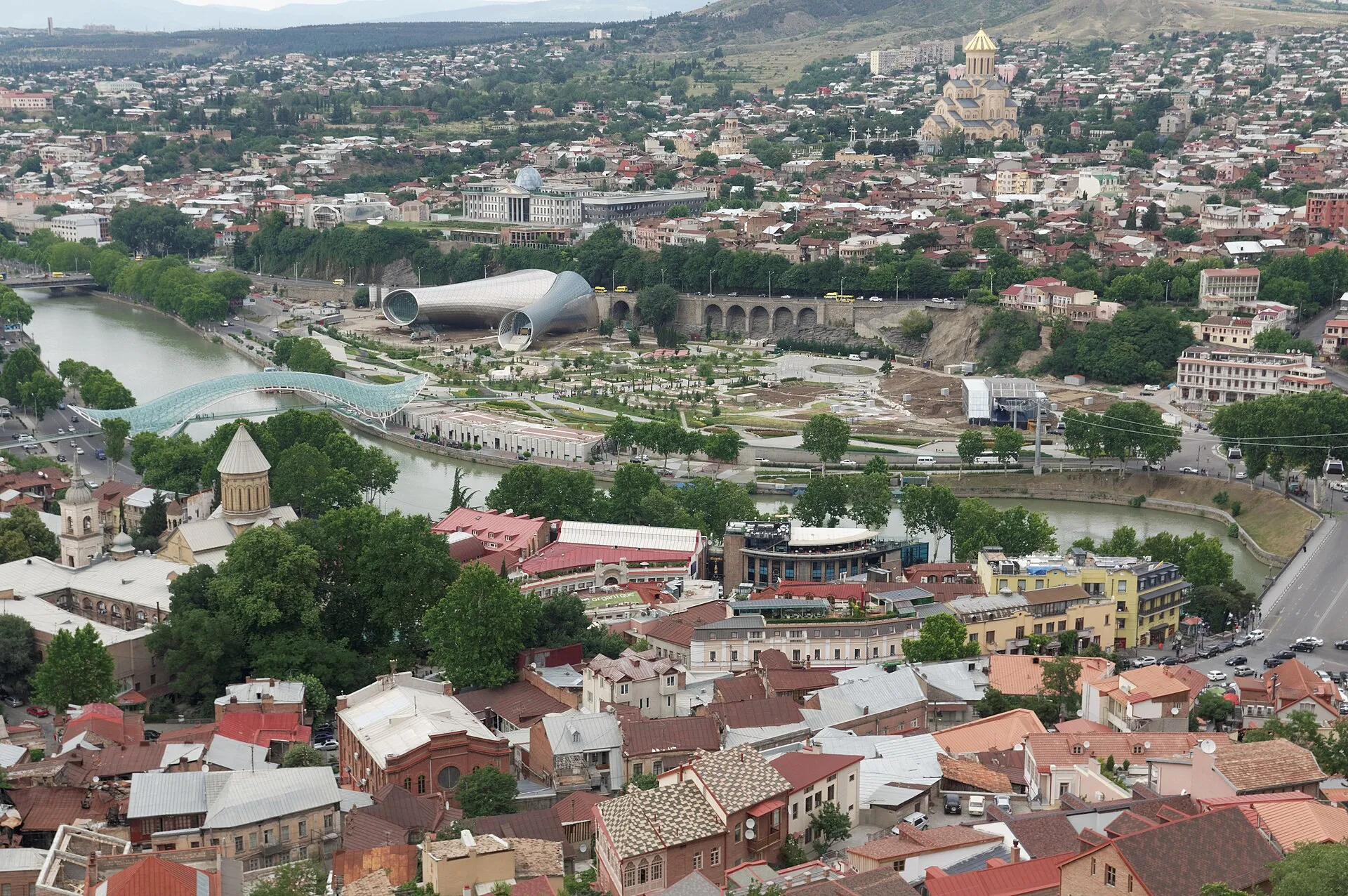
Tbilisi is one of the cheapest capitals in Europe for a remote worker, though prices have climbed since 2022. Rent is your biggest variable. A furnished one-bedroom apartment in a central district like Vera or Sololaki runs roughly $685-840 per month, while the same apartment in Saburtalo or further out drops to around $380-535. Long leases and paying in advance get you better rates than short-term Airbnb pricing, which is inflated.
Here is a realistic monthly picture for one person:
- Rent (1-bed, central): $685-840
- Rent (1-bed, outside center): $380-535
- Groceries: $190-305
- Eating out: a filling local meal costs $7.50-13, so budget $230-380 if you eat out often
- Coworking hot desk: around $155-200 for an unlimited monthly membership, or $11-15 per day pass
- Local transport: under $23, since a fare of about $0.38 covers 90 minutes on the metro and buses, and a monthly pass is about $15
- Home internet: about $19 for fast fiber
All in, a comfortable single person spends roughly $1,030-1,710 per month. You can live on less in Saburtalo cooking at home, or push higher with a central apartment and frequent restaurant meals.
Where to Work
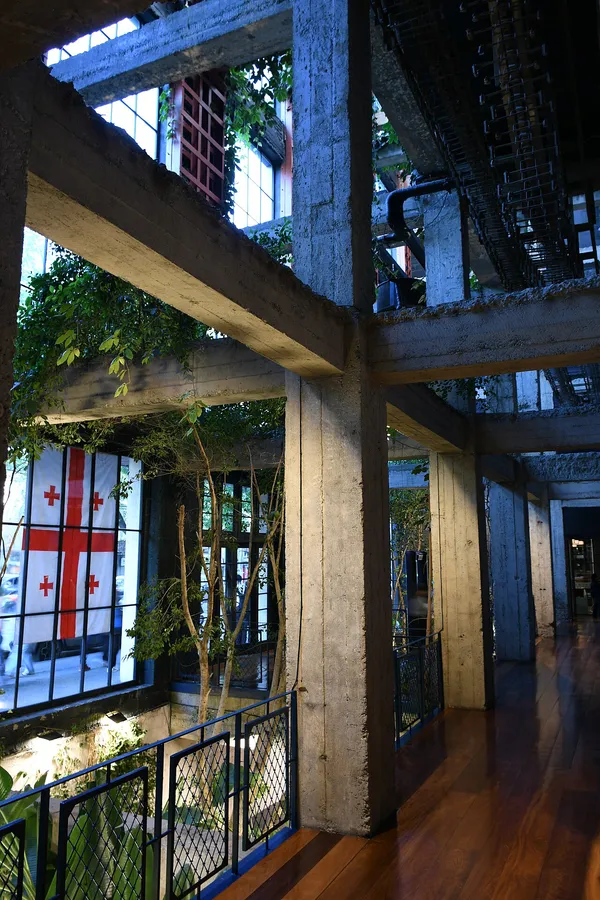
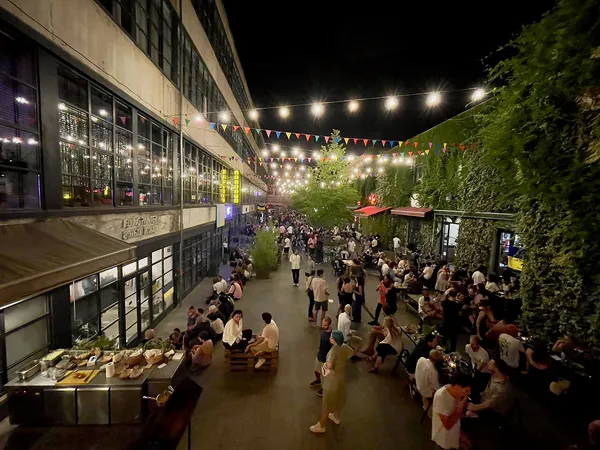
Tbilisi has a real coworking scene. Impact Hub, inside the Fabrika complex in Marjanishvili, is a large, light space popular with the creative crowd, with day passes around $15 and monthly desks near $155-200. Terminal is the biggest chain in the Caucasus, with several locations across Vake, Saburtalo, and near Marjanishvili, offering day passes around $11 and monthly desks near $160. Regus also operates for people who want a more corporate setup.
Cafe-work culture is strong and nobody rushes you out. Stamba and Fabrika are famous spots to plug in, and Vera is full of smaller cafes with outlets and decent WiFi. Connectivity is cheap and workable here: home fiber from Magti or Silknet costs about $19 a month, mobile 4G is fast and cheap, and cafe WiFi is fine for calls but occasionally patchy for large uploads. Keep a mobile hotspot as backup for important video calls.
Getting Around
Tbilisi is cheap and easy to navigate. The metro has two lines and runs from about 6am to midnight. A fare of about $0.38 buys 90 minutes of unlimited travel on the metro, buses and minibuses, paid with a MetroMoney card (about $0.76 at metro stations) or a bank card; paying cash on a bus or through the app buys a single ride without the 90-minute transfer. Marshrutkas (shared minibuses) fill the gaps and connect to other cities from the Didube terminal.
Bolt is the dominant taxi app and rides across the center usually cost $2-5.50. Yandex Go is a common alternative. The central districts (Vera, Sololaki, the Old Town) are very walkable, though hills, uneven pavements, and aggressive traffic take some getting used to. From the airport, bus 337 runs into the center for the same fare of about $0.38, or a Bolt costs roughly $9.50-15 depending on demand.
Sorting transport? Book an airport transfer, or compare car rental on Auto Europe and QEEQ.
Visas and Staying Long-Term
Georgia is famous for one of the world's most generous entry rules: citizens of 91 countries and territories, including the US, UK, EU, Canada, and Australia, can enter visa-free and stay up to 365 days on a single entry. That alone makes it a favorite base for long-stay nomads. There is an old "Remotely from Georgia" program, but it is outdated and unnecessary for most people given the visa-free stay.
Note an important recent change: from March 1, 2026, Georgia introduced new work-permit rules for foreign nationals. The US Embassy's notice names people employed by a Georgian employer, people doing a remote job for a Georgian employer, and the self-employed. The law does not say explicitly whether remote work for a foreign company or for clients abroad is covered, and the UK government's travel advice reads it as covering anyone who works in Georgia, "including working remotely or running a business". Self-employed foreigners, individual entrepreneurs on the 1% regime among them, need a "right to work", the permit for the self-employed, before they trade: it costs about $76 for a decision within 30 days or $152 within 10 working days, includes a video interview, and working without it carries a fine of about $762 for a first offence. Since January 1, 2026, every visitor also needs health and accident insurance for the whole stay with cover of at least about $11,430, in Georgian or English, and airlines or border officers can ask to see it. Many long-stayers still reset their clock with a quick "border run" to Armenia or Turkey, though no official rule guarantees a new year on re-entry.
Best Time to Visit
Tbilisi has a continental climate with real seasons. Summers are hot and can be uncomfortable: July and August regularly hit the high 30s Celsius (upper 90s Fahrenheit) and sometimes touch 40C, which makes midday work-from-cafe sessions with weak air conditioning rough. Winters are cold but rarely brutal, with daytime highs around 5-8C (low 40s Fahrenheit) and an atmospheric, quiet feel.
The best windows for remote work are late April to June and September to late October, when temperatures are mild, the light is beautiful, and the wine harvest brings the city to life in autumn. If you dislike heat, avoid a first stay in August.
Pros and Cons
- Pro: One of the longest visa-free stays anywhere, up to 365 days
- Pro: Low cost of living and cheap, excellent food and wine
- Pro: Cheap internet, fast mobile data and a genuine coworking and cafe scene
- Pro: A 1% tax on turnover for individual entrepreneurs, once a right to work is in place
- Con: Punishing summer heat and cold, grey winters
- Con: Air pollution, heavy traffic, and chaotic driving
- Con: Rising rents and inflated short-term prices for foreigners
- Con: Shifting rules (like the 2026 work-permit change) and regional political uncertainty
Who Tbilisi Is Best For
Tbilisi is ideal for the budget-conscious, long-stay nomad who wants a genuinely affordable base with a year-long visa, great food and wine, fast internet, and a 1% turnover tax for individual entrepreneurs who secure a right to work first. It rewards people who like a bit of grit and character over polish, and who want to explore the mountains and Black Sea coast nearby. You should probably skip it if you need year-round comfortable weather, spotless modern infrastructure, or political and regulatory stability, since the heat, the pollution, and the shifting rules can wear on you over a long stay.