Cost of Living in Hong Kong
Real market data
Source: Numbeo · August 2026
$3,550/moSolo nomad1-bed centre + living costs
$4,290/moCoupleshared 1-bed + costs
$2,870/moLean / localcheaper area + costs
- 1-bed rent, city centre$2,610¥17,687
- 1-bed rent, outside centre$1,930¥13,071
- Monthly costs excl. rent (1 person)$930¥6,312
- Meal, inexpensive restaurant$10¥65
- Monthly transit pass$100¥690
- Buy price, per m² (centre)$32,710¥221,300
Prices are from Numbeo (August 2026), converted to USD at $1 = ¥6.76 (01 Aug 2026). The monthly living-costs figure is our transparent one-person basket, groceries, a few meals out, utilities, phone, internet, transport and essentials, priced from those figures. Solo adds central rent; couple and lean are estimates from the same numbers.
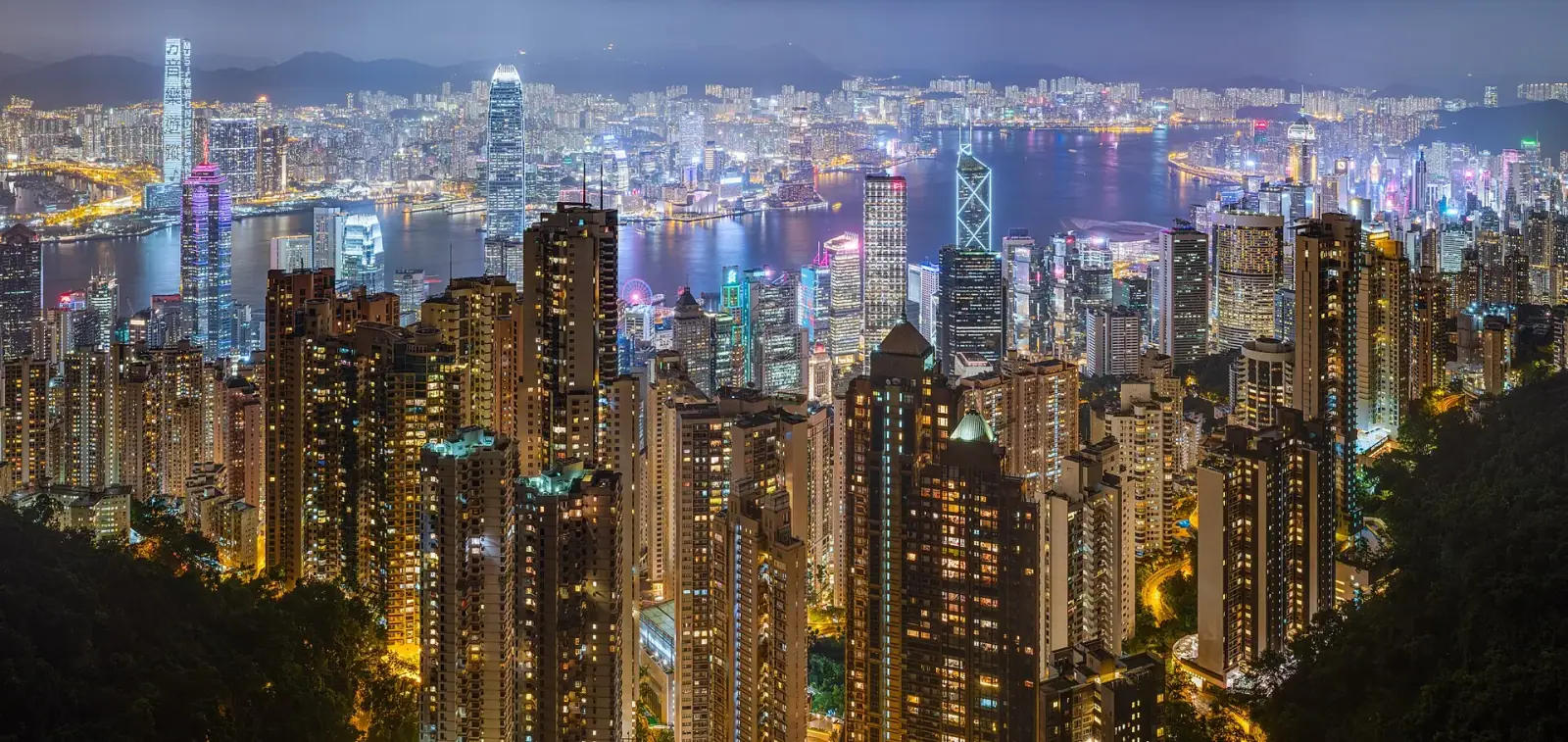
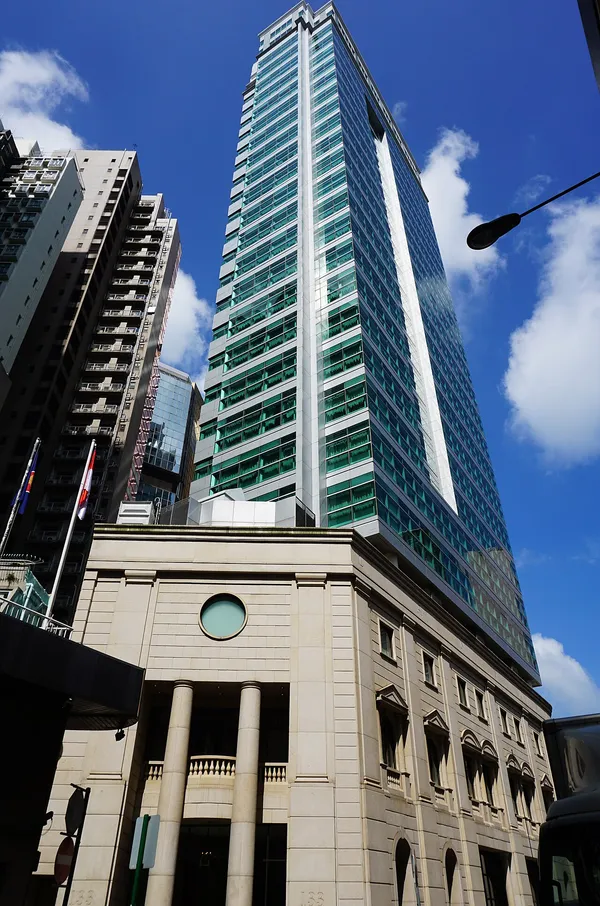
Hong Kong is one of the most expensive cities in the world for remote workers, and the biggest reason is rent. You pay a lot of money for very little space. A tiny one-bedroom flat in a central area like Central, Mid-Levels, Sheung Wan, or Wan Chai typically runs $2,100 to $3,190 per month, and "central" here often means 300 to 450 square feet. Move out to Kowloon, the New Territories, or towns like Tseung Kwan O and Tai Wai, and a one-bed drops to around $1,150 to $2,040, though your MTR commute grows. Utilities for a small flat add roughly $155 to $320 per month, and air conditioning in summer pushes that toward the top.
Food is where you get some relief. Groceries for one person run about $255 to $445 monthly, with imported and Western items noticeably pricier than local produce. Eating out is genuinely affordable if you eat local: a meal at a cha chaan teng (Hong Kong-style diner), think wonton noodles and milk tea, costs $5.50 to $13. A three-course dinner at a mid-range restaurant is more like $26 to $51 per person.
A coworking hot-desk membership generally costs $355 to $510 per month. Local transport is a bargain: short MTR trips are around $0.50 (under $1) with an Octopus card, and a monthly transport budget of $64 to $100 covers most nomads.
Realistically, a solo remote worker should budget $2,550 to $5,100 per month, with rent driving almost all of the spread. You can go lower by living far out and cooking at home, but Hong Kong will never be a cheap base.
Where to Work
Hong Kong has a mature coworking scene concentrated in Central, Sheung Wan, Wan Chai, and Kowloon. Established names include The Hive (multiple locations, hot desks from around $355/month), WeWork (several towers across the island and Kowloon), Campfire, and The Great Room for a more premium feel. Government-backed hubs like Cyberport and Science Park also host workspaces if you are in tech. Day passes are available at many spaces if you do not want a monthly commitment.
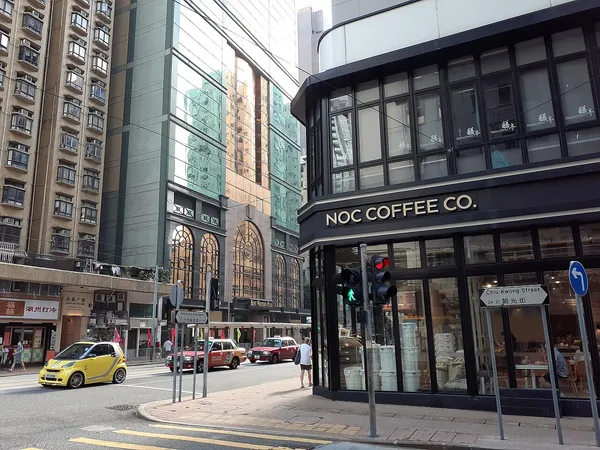
Cafe-work culture is real but uneven. Independent coffee shops in Sheung Wan, Kennedy Town, Sham Shui Po, and Tai Hang are laptop-friendly, but many small cafes and the ubiquitous cha chaan tengs are tight on space and turn tables fast, so plan around off-peak hours. Big chains are hit or miss for outlets and seating.
WiFi is a genuine strength here. Hong Kong has fast, reliable fixed broadband and excellent 5G coverage across the city, including deep inside the MTR. Mobile data plans are cheap and generous, so many nomads simply tether. You will rarely struggle to get online.
Getting Around
Public transport in Hong Kong is world-class, and the Octopus card ties it together. Load one up (or use the mobile version) and tap onto the MTR, buses, trams, ferries, and even many shops and convenience stores. The MTR metro is fast, clean, and extensive, with typical short fares around $0.50. Double-decker buses reach areas the MTR does not, the historic trams (the "ding ding") crawl across Hong Kong Island for a flat few dollars, and the Star Ferry across Victoria Harbour is both a commute and a highlight.
Central districts are dense and very walkable, with covered walkways and escalators (the Mid-Levels escalator is the world's longest outdoor covered escalator system), though the hills and summer humidity can wear you out. From Hong Kong International Airport (HKG), the Airport Express reaches Central in about 24 minutes for around $15, while cheaper airport buses take longer for a fraction of the price. A car is unnecessary and parking is punishing, so most nomads never use taxis beyond the occasional late night.
Sorting transport? Book an airport transfer, or compare car rental on Auto Europe and QEEQ.
Visas and Staying Long-Term
Hong Kong is generous with short visits. Passport holders from the United States, Canada, Australia, New Zealand, the United Kingdom, and most EU countries can enter visa-free for 90 days for tourism or business. In total, well over 140 nationalities get visa-free entry, though the allowed length varies by passport (some get 7, 14, or 30 days), so check your own.
Crucially, Hong Kong has no dedicated digital nomad visa. Visa-free entry does not permit local employment, and while remote work for a foreign employer sits in a legal grey area that many travelers use, it is not a formal long-stay pathway. Extensions beyond your visa-free period are possible through the Immigration Department but are discretionary and not guaranteed for casual visitors. If you want to base here long-term and legally, you generally need an employment, investment, or talent-scheme visa.
Best Time to Visit
The best window for remote work in Hong Kong is late October through early December, when the weather turns clear, sunny, and comfortable, with temperatures around 22 to 28C (72 to 82F) and lower humidity. Winter, from mid-December to February, is mild and dry at roughly 16 to 18C (61 to 64F), and pleasant if you do not mind cooler, greyer days.
Avoid peak summer if you can. From late May through September it is hot and extremely humid, regularly above 31C (88F), and this overlaps with typhoon season (broadly May to November, peaking July to September). A direct typhoon can shut the city down for a day, so having reliable home WiFi matters. Spring is warm but damp and often foggy. For the balance of climate, energy, and productivity, autumn wins. March and April bring their own nuisance, the damp spells locals call returning south, when warm humid air condenses on cold walls and floors until the tiles stream and a flat's dehumidifier runs around the clock. Summer is run by the Observatory's warning signals: once typhoon signal No. 8 goes up, offices, schools and most buses stop and the MTR thins out, so its MyObservatory app is worth installing on day one.
Pros and Cons
- Pros:
- Excellent, fast, and cheap public transport tied together by the Octopus card
- Fast, reliable WiFi and near-universal 5G, even underground
- Mature coworking scene and superb, affordable local food
- Extremely safe, efficient, and easy to navigate in English
- Stunning access to hiking, beaches, and islands minutes from the skyscrapers
- Generous 90-day visa-free entry for many passports
- Cons:
- Very high rent for tiny apartments, the single biggest cost by far
- Overall expense makes it a poor fit for budget nomads
- Hot, oppressive summer humidity and disruptive typhoon season
- Air quality can be poor on bad-pollution days
- No digital nomad visa and no formal long-stay remote-work route
- Crowded, high-density, and fast-paced, which is not for everyone
Who Hong Kong Is Best For
Hong Kong suits established remote workers and higher earners who value convenience, safety, and infrastructure over cost, and who want a genuine world city with mountains and sea on the doorstep. If you thrive on density, love great food, want flawless transport and connectivity, and can absorb the rent, few places match it. It is also a strong pick for shorter stays inside the 90-day visa-free window, where you skip the long-term housing headache entirely.
Skip Hong Kong if you are a budget nomad chasing cheap rent and big apartments, if you need a formal nomad visa or a clear long-stay path, or if heat, humidity, crowds, and small spaces drain you. Nearby options in Southeast Asia deliver far more room and lower costs. Hong Kong is a premium base: brilliant, but you pay for it. The currency is a quiet advantage for anyone paid in US dollars: the Hong Kong dollar has been pegged to it since 1983, at about 7.8, so a budget set in January still holds in December. Shenzhen is under 20 minutes from West Kowloon by high-speed train, which turns cheaper shopping and dental work on the mainland into a day trip for passports on China's visa-free list.