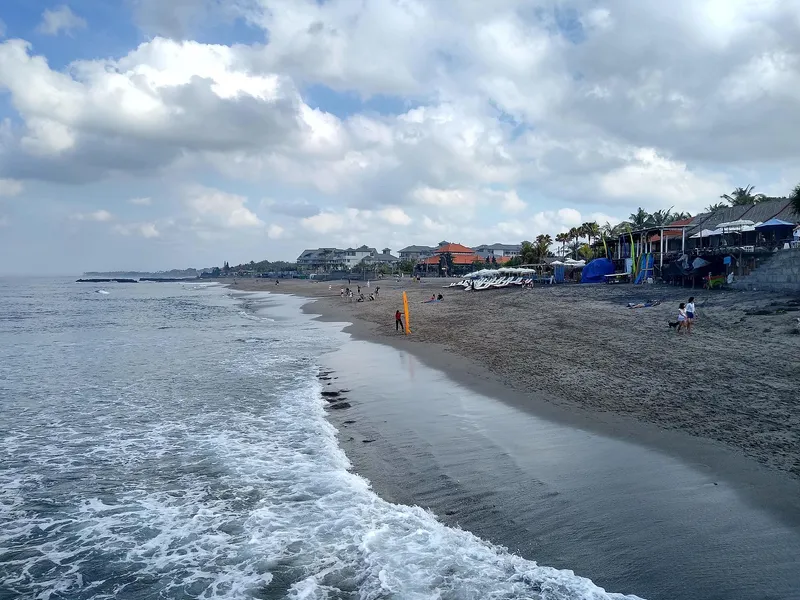
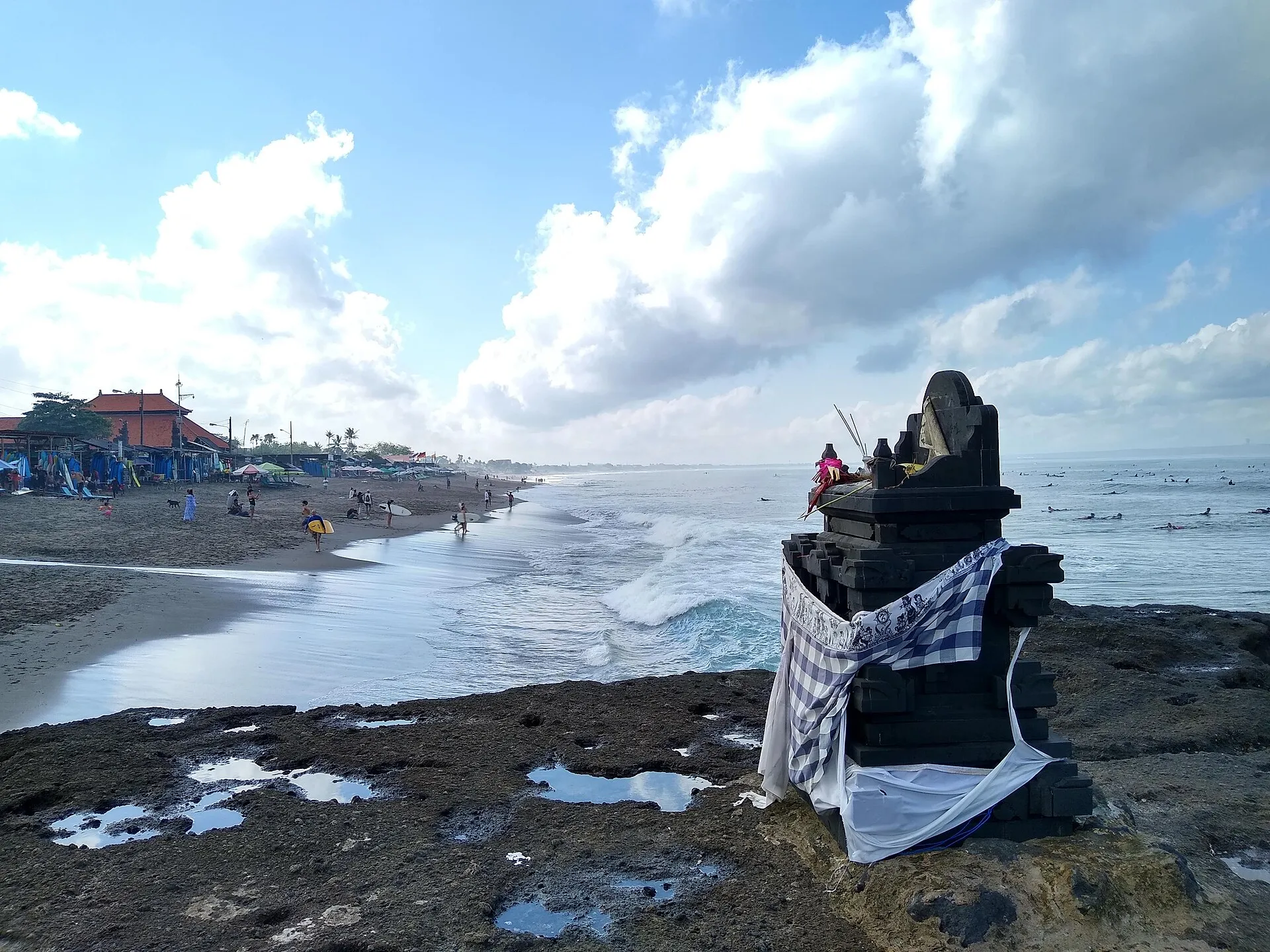
Balinese shrine on volcanic rocks at Canggu beach with surfers and black sand
Photo: Mx. Granger / Wikimedia Commons (CC0)
Indonesia flag

Bali (Canggu)

Indonesia

Experience surf, sunsets, and smoothie bowls, the Instagram-famous nomad destination.

$2.000
Monthly Budget
--
Current Weather
Tropical
Climate Type
60 Mbps
Avg. WiFi Speed
7/10
Safety Score
5,000+
Active Nomads
--
Time Difference
Scroll
0
Nomad Score

What Bali (Canggu) Offers Digital Nomads

Experience surf, sunsets, and smoothie bowls, the Instagram-famous nomad destination. For remote workers, Bali (Canggu) leans on a large nomad community and nature, with a typical budget near $2,000 a month. The main trade-off is cleanliness.

Compare Bali (Canggu) vs Ubud →

Category Breakdown

How Bali (Canggu) scores across all 13 factors

Weather in Bali (Canggu)

Monthly averages from 2019-2023 (Open-Meteo), and the best time to visit

26°
21°
Jan
27°
21°
Feb
27°
21°
Mar
26°
21°
Apr
26°
21°
May
25°
20°
Jun
24°
19°
Jul
24°
19°
Aug
25°
20°
Sep
26°
21°
Oct
27°
21°
Nov
27°
21°
Dec
Daily high & low (°C)Rainfall (mm/month)Best months to visit

The best time to visit Bali (Canggu) for comfortable weather is May, Jun, Sep. The warmest month is Feb (around 27°C by day), and the wettest is Mar (about 408mm of rain).

Chasing good weather? See other cities that are warm in May, or plan a multi-city route around the seasons. Staying a while in Bali (Canggu)? Check visa options, your time-zone overlap and how far your budget stretches, or find it on the world map.

Historical monthly averages, not a forecast. Source: Open-Meteo.

Things to do in Bali (Canggu): it is one of our top nomad spots for shopping and surfing. See more things to do off the clock.

Best Neighborhoods in Bali (Canggu)

Where to base yourself for the perfect nomad experience

Canggu

$$
Nomad & Beach

Bali's undisputed digital nomad capital

Canggu is where the digital nomad dream lives. Beach clubs, surf breaks, endless coworking spaces, and more avocado toast than you can handle. It's become so popular it borders on cliché, but the infrastructure for remote work is unmatched anywhere in Southeast Asia.

Best for: Digital nomads, surfers, and anyone seeking the classic Bali lifestyle
✓ Pros
  • Best coworking
  • Beach lifestyle
  • Huge nomad community
  • Great cafes
✗ Cons
  • Overcrowded
  • Traffic nightmare
  • Losing authenticity

Ubud

$$
Spiritual & Creative

Spiritual Bali with rice terraces and yoga

Ubud is Bali's cultural heart - rice terraces, temples, yoga retreats, and a slower pace of life. The wellness industry dominates here, alongside a strong creative community. Perfect for nomads seeking balance, though the isolation can feel limiting for some.

Best for: Wellness enthusiasts, artists, and nomads seeking inner peace
✓ Pros
  • Beautiful nature
  • Wellness scene
  • Creative community
  • Cultural experiences
✗ Cons
  • Far from beach
  • Limited nightlife
  • Can feel isolated

Seminyak

$$$
Upscale & Polished

Bali's upscale beach scene with boutique everything

Seminyak is Bali's stylish older sibling - beach clubs, boutique hotels, and fine dining define this upscale area. Less nomad-focused than Canggu but more polished, it attracts a slightly older, more affluent crowd who appreciate quality over quantity.

Best for: Professionals seeking quality, foodies, and those escaping Canggu crowds
✓ Pros
  • Best restaurants
  • Boutique shopping
  • Beach access
  • More mature crowd
✗ Cons
  • Expensive
  • Touristy
  • Limited coworking

Sanur

$
Relaxed & Local

Bali's relaxed coastal village for longer stays

Sanur is the antidote to Canggu chaos. This quiet coastal town attracts long-term expats, families, and nomads seeking calm. The beach is swimmable (unlike Canggu), prices are lower, and the pace of life slower. Growing coworking scene emerging.

Best for: Families, long-term stayers, and nomads who've had enough of the scene
✓ Pros
  • Peaceful
  • Swimmable beach
  • Good value
  • Family-friendly
✗ Cons
  • Quiet nightlife
  • Fewer nomads
  • Can feel sleepy

Uluwatu

$$
Scenic & Adventurous

Clifftop temples and world-class surf breaks

Uluwatu sits on Bali's southern tip, famous for dramatic clifftop temples and legendary surf breaks. It's more isolated but rewards visitors with stunning landscapes and a growing cafe scene. Best for surfers and those who don't need to be connected to the scene.

Best for: Surfers, photographers, and nomads seeking dramatic natural beauty
✓ Pros
  • Stunning views
  • World-class surf
  • Less crowded
  • Growing scene
✗ Cons
  • Isolated
  • Need a scooter
  • Limited services

Cost of Living in Bali (Canggu)

Canggu is one of Bali's more expensive areas, and rents have climbed roughly 10 to 25 percent a year since 2021, so treat these numbers as a moving target. A private one-bedroom villa or apartment in central Canggu typically runs IDR 9,500,000 to 19,000,000 (about $600 to $1,200) a month, and a mid-range villa with a pool starts around IDR 19,000,000 to 32,000,000 ($1,200 to $2,000). If you want to spend less, a kos (a simple boarding-house room with air conditioning, an en-suite bathroom, and WiFi) starts near IDR 1,400,000 ($90) a month, though the cheapest local kos are increasingly reserved for Balinese tenants.

Food is where Bali stays affordable if you eat local. A plate at a warung (a small local eatery) runs IDR 15,000 to 35,000 ($1 to $2.50), while a Western-style cafe meal is more like IDR 55,000 to 90,000 ($4 to $6). Eating mostly at warungs can keep food near $250 a month, whereas leaning on cafes and Western restaurants pushes it past $700. Groceries land around IDR 3,000,000 to 4,500,000 ($200 to $300) a month for one person, with local produce cheap and imported goods pricey.

A coworking hot-desk day pass is roughly IDR 180,000 ($11) to $15, and monthly memberships run about IDR 2,700,000 ($165) and up. A rented scooter is IDR 1,000,000 to 2,000,000 ($65 to $130) a month. Altogether, most nomads spend $900 to $1,500 a month on a modest setup, while a comfortable private-villa lifestyle with daily eating out and a social calendar runs $1,800 to $2,500 or more.

Where to Work

Canggu has a dense coworking scene. Outpost runs 24/7 locations with day passes from about $15 and flexible hour-based monthly plans. Tropical Nomad charges around IDR 180,000 ($11) a day and roughly IDR 2,700,000 ($165) a month for a hot desk, with dedicated desks a little higher. Dojo is the long-running name in Canggu; note that its original beachside space closed and the brand now operates from an Echo Beach location, so confirm the current address before you commit. In Ubud, Outpost Ubud and Hubud serve the quieter crowd, and Seminyak has its own cafe-and-coworking mix.

Cafe-work culture is strong here, and many nomads bounce between laptop-friendly cafes rather than paying for a desk. That works until it does not. WiFi across Canggu, Ubud, and Seminyak is generally decent, with 50 to 100 Mbps common in villas and coworking spaces, but reliability is the real issue. Storm-related outages happen, villa fiber often tops out around 100 Mbps, and a busy cafe on shared WiFi can crawl. Many long-stay nomads hedge with a local SIM for hotspotting or, increasingly, Starlink, which launched in Indonesia in 2024 and delivers roughly 50 to 200 Mbps in practice. If your income depends on stable video calls, plan a backup connection rather than assuming one line will always hold.

Getting Around

In Canggu the scooter is king, and it is the fastest way to move between beaches, cafes, and rice-field lanes. Daily rentals run IDR 70,000 to 100,000 ($4.50 to $6), dropping sharply on weekly and monthly deals. Be honest with yourself about the risk: Bali's roads are chaotic, many riders are inexperienced, accidents are common, and a serious crash without proper travel insurance and an International Driving Permit can be financially ruinous. Wear a real helmet, ride slowly, and do not ride drunk.

If you would rather not drive, Gojek and Grab both run cheap ride-hailing for cars and scooter-taxis. Download both and compare per trip, since Gojek is often cheaper and Grab sometimes has cars when Gojek does not. Traffic is a genuine drawback: the Canggu, Seminyak, and Ubud corridors clog badly in late morning and late afternoon, and a short distance can eat 30 minutes. From Denpasar airport (DPS), Canggu is about 45 minutes to 1.5 hours depending on traffic. A pre-booked transfer runs roughly IDR 300,000 to 450,000; Gojek and Grab cannot always pick up at the arrivals curb, so you may need to walk out of the airport zone to meet a driver.

Visas and Staying Long-Term

The Visa on Arrival (VoA, code B1) gives most nationalities 30 days for IDR 500,000 (about $32), and it can be extended once for another 30 days, so 60 days total. As of June 2025 you must attend the immigration office in person for extensions. For longer stays without an extension run, the B211A visit visa allows up to 60 days and can be extended, and it is also the entry route many people use before applying onshore for a KITAS.

The headline option for remote workers is the E33G Remote Worker KITAS, Indonesia's digital-nomad residence permit rolled out in 2024. It grants a one-year stay for people working remotely for companies registered outside Indonesia. Typical requirements include a passport valid at least 12 months, a remote work contract with a foreign employer, bank statements showing about $2,000, and proof of income around $60,000 a year. You cannot earn from any Indonesian entity, and the E33G is not renewable, so you close it and reapply from abroad to continue. Overstaying any visa costs IDR 1,000,000 per day, so track your dates. Visa rules change often, so confirm current requirements with official Indonesian immigration sources or a reputable agent before you apply.

Best Time to Visit

Bali has two seasons. The dry season runs April to October, with sunny days, lower humidity, and temperatures around 27 to 32 degrees Celsius, and it is the best window for beaches, surfing, and reliable outdoor plans. The wet season runs November to March, with January and February the wettest; expect heavy afternoon downpours, more humidity, and beaches in the south (including Canggu) that collect washed-up debris during December through February.

For remote work, the shoulder months of May, June, and September hit the sweet spot: good weather, thinner crowds, and slightly easier rents. Plenty of nomads stay through the wet season too, since the rain often comes in short bursts and the island is greener and quieter, but plan for the occasional storm-related power or internet outage.

Pros and Cons

  • Large, established nomad community with easy networking and events
  • Local food, kos rooms, and warungs keep a lean budget genuinely cheap
  • Excellent coworking options and strong cafe-work culture
  • Warm weather year-round, surf, and a healthy wellness and fitness scene
  • A generous one-year remote-worker KITAS now exists for those who qualify
  • Heavy traffic in Canggu, Seminyak, and Ubud, with short trips taking far too long
  • Overtourism and fast development have eroded the quiet many came for, and rents keep rising
  • Scooter accidents are common and can be severe; road safety is a real hazard
  • WiFi is decent but not bulletproof, with storm outages and variable villa speeds
  • Wet-season rain and dirty southern beaches from December to February

Who Bali Is Best For

Bali suits nomads who want an active social scene, warm weather, cheap local living, and a ready-made community, and who are comfortable riding a scooter or budgeting for ride-hailing. It rewards people who eat local, build in an internet backup, and treat road safety seriously. It works well for surfers, wellness-minded remote workers, and anyone wanting to test the new E33G long-stay route.

Skip it if you need dead-reliable infrastructure for high-stakes video work with no fallback, if traffic and crowds will wear you down, or if you are uneasy on two wheels and want walkable, transit-friendly streets. If you crave quiet over buzz, consider Ubud over Canggu, or look at a calmer destination entirely.

Where to Stay in Bali (Canggu)

Top neighborhoods and accommodations for digital nomads

Citadines Berawa Beach Bali

Serviced apartments
Berawa

Serviced apartments a 3-minute walk from Berawa Beach, with rooftop pool, kitchenettes, and fast WiFi for long-stay nomads.

Check availability →

ZIN Canggu Resort & Villas

Boutique hotel
Batu Bolong

Beachside boutique resort 100m from Nelayan Beach with a free bamboo co-working pavilion and on-site coffee roastery.

Check availability →

Malam Hari ApartHotel

Aparthotel
Berawa

Compact aparthotel near Berawa and Nelayan beaches with private balconies, work desks, and a pool at a budget-friendly rate.

Check availability →

IZE Canggu by LifestyleRetreats

Hotel
Pererenan

Modern beachfront hotel 200m from the surf with CAMP 308, a dedicated 48-person coworking space for nomads and creatives.

Check availability →

TRIBAL Coworking Bali

Hostel
Pererenan

Bali's first coworking hostel in Pererenan with a strong nomad community, pool, cafe, and 500m walk to the beach.

Check availability →

Browse apartments, aparthotels and hotels across Canggu, Bali. Compare prices and book a base that suits a remote-work stay.

See available stays in Canggu, Bali →

Affiliate link. See our disclosure.

Best Coworking Spaces

Where nomads get work done in Bali (Canggu)

Dojo Bali

Coworking space
Echo Beach

Well-established nomad hub with fast wifi, onsite cafe, pool access, and a buzzing international community.

Visit website →

Outpost Canggu

Coworking space
Berawa

Modern coworking with private offices, meeting rooms, community events, a small pool, and cafe on-site.

Visit website →

BWork Bali

Coworking space
Canggu

Spacious air-conditioned coworking near the shortcut with strong wifi, 24-hour access, and pool for members.

Visit website →

Tribal Bali

Laptop-friendly cafe
Pererenan

Open-air coliving cafe with a pool, great food, fast wifi, and a relaxed creative atmosphere in quieter Pererenan.

Visit website →

ZIN Cafe Bali

Laptop-friendly cafe
Canggu

Four-floor open-air cafe with one air-conditioned focus room, specialty coffee, and free reliable wifi all day.

Visit website →

Cafe Coach Bali

Laptop-friendly cafe
Canggu

Quiet, focused work cafe near the shortcut praised for excellent food, comfortable seating, and good wifi.

Visit website →

Where to Eat & Drink

Best food and drink spots in Bali (Canggu)

Meimei Canggu

Southeast Asian BBQ
Batu Bolong

Gold award-winning Southeast Asian barbecue restaurant open until 2am, blending bold flavors with a lively atmosphere.

View on Maps →

Numero Quattro

Italian
Echo Beach

Contemporary Italian with handmade pasta and wood-fired dishes in a romantic setting near Echo Beach.

View on Maps →

Mosto

Natural wine bar
Berawa

Indonesia's first natural wine bar serving inventive small plates paired with a curated cellar of low-intervention wines.

View on Maps →
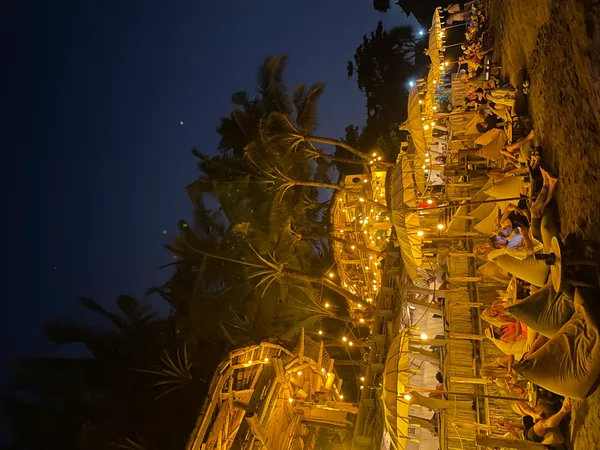
La Brisa beach club at night, bamboo structures with fairy lights on Echo Beach, Canggu

Photo: Meetvas (CC BY-SA 4.0)

La Brisa Bali

Boho beach club
Echo Beach

Iconic driftwood beach club with craft cocktails, live sets, and sweeping Indian Ocean sunset views at Batu Mejan.

Visit website →

Luma Canggu

Mediterranean
Batu Bolong

Mediterranean restaurant featuring a wood-fire oven, seasonal produce, and a moody speakeasy bar called Segno below.

View on Maps →

Black Sand Brewery

Craft beer garden
Batu Bolong

Bali's original craft brewery pouring small-batch IPAs, lagers, and seasonal ales in an open-air garden setting.

Visit website →

What Do Nomads Say?

Vote on how accurate these scores are based on your experience

Cities with a Similar Vibe to Bali (Canggu)

Different places that score alike across our 13 categories, if you like Bali (Canggu), these tend to feel similar.

In the rankings

Where Bali (Canggu) ranks

Bali (Canggu) features in 3 of our 32 city rankings.

  1. 1Best for nomad community
  2. 1Best cities in Indonesia
  3. 9Best cities in Asia

Frequently Asked Questions About Bali (Canggu)

How much does it cost to live in Bali (Canggu) as a digital nomad?

A comfortable nomad budget in Bali (Canggu) is around $2,000 a month: a furnished rental, food, coworking, and getting around. Live a little outside the center or eat local to spend less.

Is the internet fast enough for remote work in Bali (Canggu)?

With a WiFi score of 6/10, connectivity in Bali (Canggu) is workable for calls and focused work. A prepaid local SIM keeps you online when you are away from the apartment.

Is Bali (Canggu) safe for digital nomads?

Bali (Canggu) scores 7 out of 10 for safety in our ratings, which is good for solo travel and long stays. Use normal precautions at night and with valuables, and choose well-reviewed areas.

Is Bali (Canggu) a good city for digital nomads overall?

For nomads, Bali (Canggu) is worth a look if you value a large nomad community and nature. Costs sit near $2,000 a month and the community keeps growing, though, like anywhere, it will not match every checklist.