Cost of Living in Hoi An
Real market data
Source: Numbeo · September 2026
$680/moSolo nomad1-bed centre + living costs
$880/moCoupleshared 1-bed + costs
$650/moLean / localcheaper area + costs
- 1-bed rent, city centre$430₫11,250,000
- 1-bed rent, outside centre$400₫10,360,000
- Monthly costs excl. rent (1 person)$250₫6,518,821
- Meal, inexpensive restaurant$2₫55,000
- Monthly transit pass$4₫100,000
- Buy price, per m² (centre)$1,530₫40,000,000
Prices are from Numbeo (September 2026), converted to USD at $1 = ₫26167.86 (01 Aug 2026). The monthly living-costs figure is our transparent one-person basket, groceries, a few meals out, utilities, phone, internet, transport and essentials, priced from those figures. Solo adds central rent; couple and lean are estimates from the same numbers. The guide below quotes its own monthly range, which is a different measurement rather than a competing one: this table prices a defined basket at the figures above, while that range is a judgement about how somebody actually lives here.
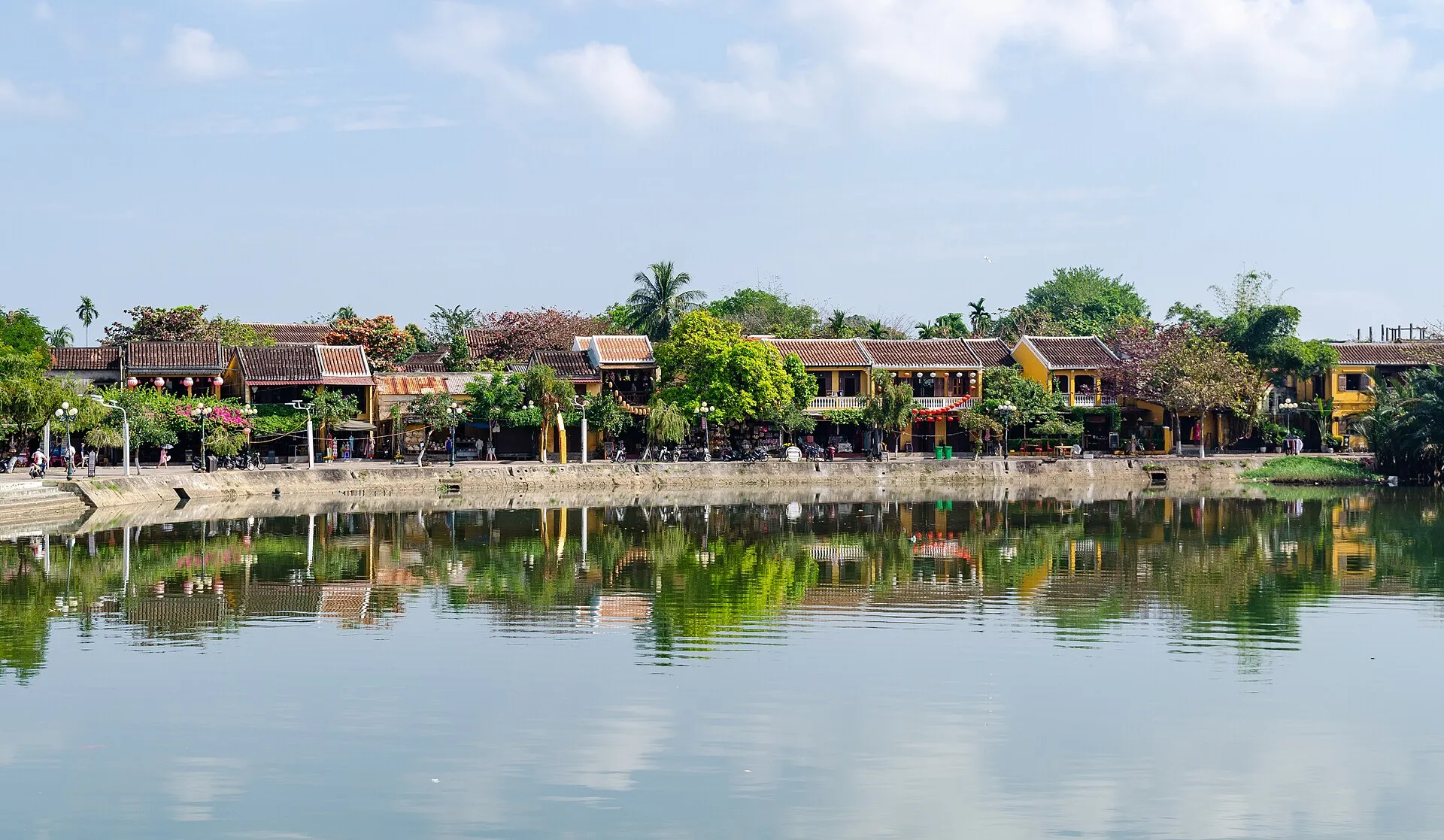
Hoi An sits at the affordable end of Southeast Asia, but it costs more than Vietnam's bigger cities because tourism has pushed rents and restaurant prices up. Here is a realistic monthly breakdown as of 2025-2026.
- Rent, central Old Town or An Bang beach area: $305-460 for a furnished one-bedroom. Prices spike for anything with a garden, rice-field view, or within walking distance of the Ancient Town.
- Rent, further out (Cam Thanh, Cam Ha): $190-270 for a comparable space. You will need a motorbike to make this work.
- Groceries: $96-155 per month if you shop at local wet markets and supplement with a supermarket visit. Tropical fruit, eggs, and vegetables are very cheap. Imported goods cost more.
- Eating out: A local pho or cao lau runs $1.50-3. A sit-down meal at a mid-range spot costs $4-7.50. Budget $135-250 monthly depending on how often you eat out.
- Coworking hot-desk: Hub Hoi An charges $8 per day or $155 per month. Cafe-work at places like Dingo Deli or 3A Cafe costs only the price of your drinks.
- Local transport: Grab bike rides cost $1-1.50 for short trips within town. A bicycle rental runs about $2 per day, or $11-19 per month. A motorbike rental costs roughly $96-135 per month.
- Total realistic monthly range: $600-1,000 for a frugal solo nomad eating mostly local food and cafe-working. $1,000-1,500 if you take a nicer apartment, eat out regularly at tourist restaurants, and use a dedicated coworking space.
Where to Work
Hoi An has one purpose-built coworking space and a handful of cafes that genuinely support all-day work.
Hub Hoi An
Located at 105 Le Thanh Tong, roughly halfway between Old Town and An Bang Beach, Hub Hoi An is the default for serious remote workers. It sits among rice paddies, offers symmetric fiber, air-conditioning, a small cafe, and a genuinely active community with events most evenings. Day passes cost $8; a monthly hot-desk is $155. It closes on weekends unless you have a weekly or monthly membership. If you plan to work full-time from Hoi An for more than two weeks, the monthly rate makes sense.
Dingo Deli
At 277 Cua Dai Street, Dingo Deli has a separate air-conditioned coworking room, a generator for outages, a standing desk, and WiFi good enough for video calls. You pay by ordering food and drinks. It is popular with expat families and longer-stay nomads, and the relaxed vibe means you can settle in for a full day without anyone rushing you.
3A Cafe
On 512 Hai Ba Trung, this shipping-container-style cafe has spacious tables, plentiful outlets, and workable WiFi. Coffee starts at $0.50. It is one of the cheapest places to work from and stays open late.
The real WiFi situation
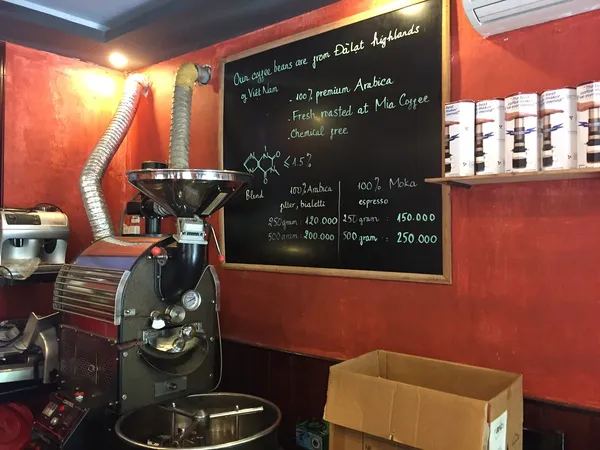
Home internet from VNPT or Viettel is fast and cheap, typically $10-15 per month for fiber. Most cafes have usable WiFi for basic work, but speeds vary. Mia Coffee, a popular spot at 20 Phan Boi Chau, is slow, which is limiting for video calls. If video conferencing is part of your daily work, stick to Hub Hoi An, Dingo Deli, or 3A Cafe. A local SIM with a data plan (around $4-5.50/$4-6 per month) gives you a 4G backup for calls.
Getting Around
Hoi An is very small and mostly flat, which makes it one of the more pleasant towns to move around in Vietnam.
- Bicycle: The default for anything within Old Town and the immediate surroundings. Rental is cheap and parking is easy. Most guesthouses and coworking spaces offer bicycle hire or storage.
- Motorbike: Necessary if you are staying outside town, near An Bang Beach, or want to explore the countryside and nearby villages. Monthly rentals run $96-135. Traffic in the Old Town itself is light, but the road to Da Nang gets busy.
- Grab: The Grab app works well for bike taxis and car rides within town and to nearby areas. Short hops cost $1-1.50. You need a Vietnamese SIM or a pre-registered account to use it.
- Walkability: The Ancient Town core is extremely walkable. Exploring on foot is pleasant early in the morning before the tour groups arrive.
- Getting to and from Da Nang Airport: Da Nang is the nearest international airport, about 29-30 km from Hoi An Old Town. The trip takes 35-50 minutes depending on traffic. A Grab car costs around $11-15. A pre-booked private shuttle runs about $9.50-13 per person. A public bus exists but requires a taxi or Grab to reach the bus stop, making it impractical from the airport.
Sorting transport? Book an airport transfer, or compare car rental on Auto Europe and QEEQ.
Visas and Staying Long-Term
Vietnam's visa situation has improved significantly but a dedicated digital nomad visa does not exist as of 2026.
- E-visa: Citizens of most countries can apply online for a 90-day e-visa valid for both single and multiple entries. The cost is $25 for single-entry and $50 for multiple-entry. This is the standard option for most nomads.
- Visa-free entry: Citizens of about 25 countries, including Germany, France, Italy, Spain, the UK, and several others, get 45-90 days visa-free depending on their passport.
- Extensions: A 30-day extension on a tourist visa is possible through local travel agencies for a fee. After your permitted stay, many nomads do a border run to a neighboring country (typically Laos or Cambodia) and re-enter on a fresh e-visa.
- No digital nomad visa: Vietnam introduced a Talent Visa in August 2025 for senior executives, academics, and high-profile artists, but it does not apply to most remote workers. A proposed Golden Visa was still under discussion as of early 2026.
Best Time to Visit
Hoi An's climate is split into a long dry season and a wet season that brings genuine flood risk.
The best window for remote work is February through April. Temperatures sit around 20-25°C (68-77°F), rain is minimal, and the humidity is manageable. It is comfortable enough to explore the town and cycle to the beach without being exhausted. This is also shoulder season, so the Old Town is noticeably less crowded than the high-tourist months.
May through August is hot, with temperatures regularly hitting 35-38°C (95-100°F). It is dry but you will depend heavily on air-conditioning. Coworking spaces and cafes become your refuge. It is still workable if heat does not bother you.
September through January is the rainy season. October and November bring the most severe weather: typhoons, flooding, and occasionally major inundation of the Old Town itself. This is not an ideal period for a long work stay, especially if your accommodation or workspace is near the Thu Bon River. If you come during this period, make sure your accommodation is on higher ground.
Pros and Cons
- Pro: Beautiful, photogenic town with a UNESCO-listed Ancient Town that is genuinely pleasant to live near
- Pro: Excellent and affordable Vietnamese food at every price point
- Pro: Safe, with very low violent crime and a walkable, bikeable layout
- Pro: Good air quality compared to Hanoi or Ho Chi Minh City, with a coastal breeze
- Pro: An Bang Beach is a 15-minute bicycle ride away, with a relaxed expat-friendly cafe and bar scene
- Pro: Strong nomad community centred around Hub Hoi An with regular events
- Con: Heavily touristy, especially in the Ancient Town evenings; feels artificial at peak times
- Con: Rent is higher than Da Nang for comparable apartments because of tourist demand
- Con: Limited dedicated coworking options compared to bigger Vietnamese cities
- Con: Serious flood risk from October to December, which can disrupt work and daily life
- Con: Quiet nightlife; if you want a real bar and club scene, you will need to go to Da Nang
- Con: No direct international flights; you are always routing through Da Nang airport
Who Hoi An Is Best For
Hoi An works particularly well for nomads who want a slower pace, care more about quality of life than urban energy, and plan to stay for one to three months. It suits people who love food, cycling, beaches, and have a work style that does not require a large professional network or frequent in-person meetings. The nomad community is welcoming but small, so it also works well for people who are happy to socialise in a tight-knit group rather than a revolving-door co-working crowd.
Writers, designers, developers, and anyone doing independent creative or digital work will find the environment conducive. The town is calm enough that you can focus during the day and decompress in the evening without much effort.
You should probably skip Hoi An, or at least keep your stay short, if you need a large professional network or frequent coworking events, prefer urban density and a serious nightlife scene, are on a tight budget and want the absolute cheapest base in Vietnam, or plan to travel between late October and early December when flood risk is highest. Da Nang, 30 km up the road, is a better hub if you want faster internet everywhere, cheaper rents, more coworking options, and easier airport access.