Cost of Living in Taipei
Real market data
Source: Numbeo · August 2026
$1,350/moSolo nomad1-bed centre + living costs
$1,740/moCoupleshared 1-bed + costs
$950/moLean / localcheaper area + costs
- 1-bed rent, city centre$850NT$27,579
- 1-bed rent, outside centre$460NT$14,833
- Monthly costs excl. rent (1 person)$490NT$15,962
- Meal, inexpensive restaurant$5NT$150
- Monthly transit pass$37NT$1,200
- Buy price, per m² (centre)$12,750NT$411,830
Prices are from Numbeo (August 2026), converted to USD at $1 = NT$32.29 (01 Aug 2026). The monthly living-costs figure is our transparent one-person basket, groceries, a few meals out, utilities, phone, internet, transport and essentials, priced from those figures. Solo adds central rent; couple and lean are estimates from the same numbers.
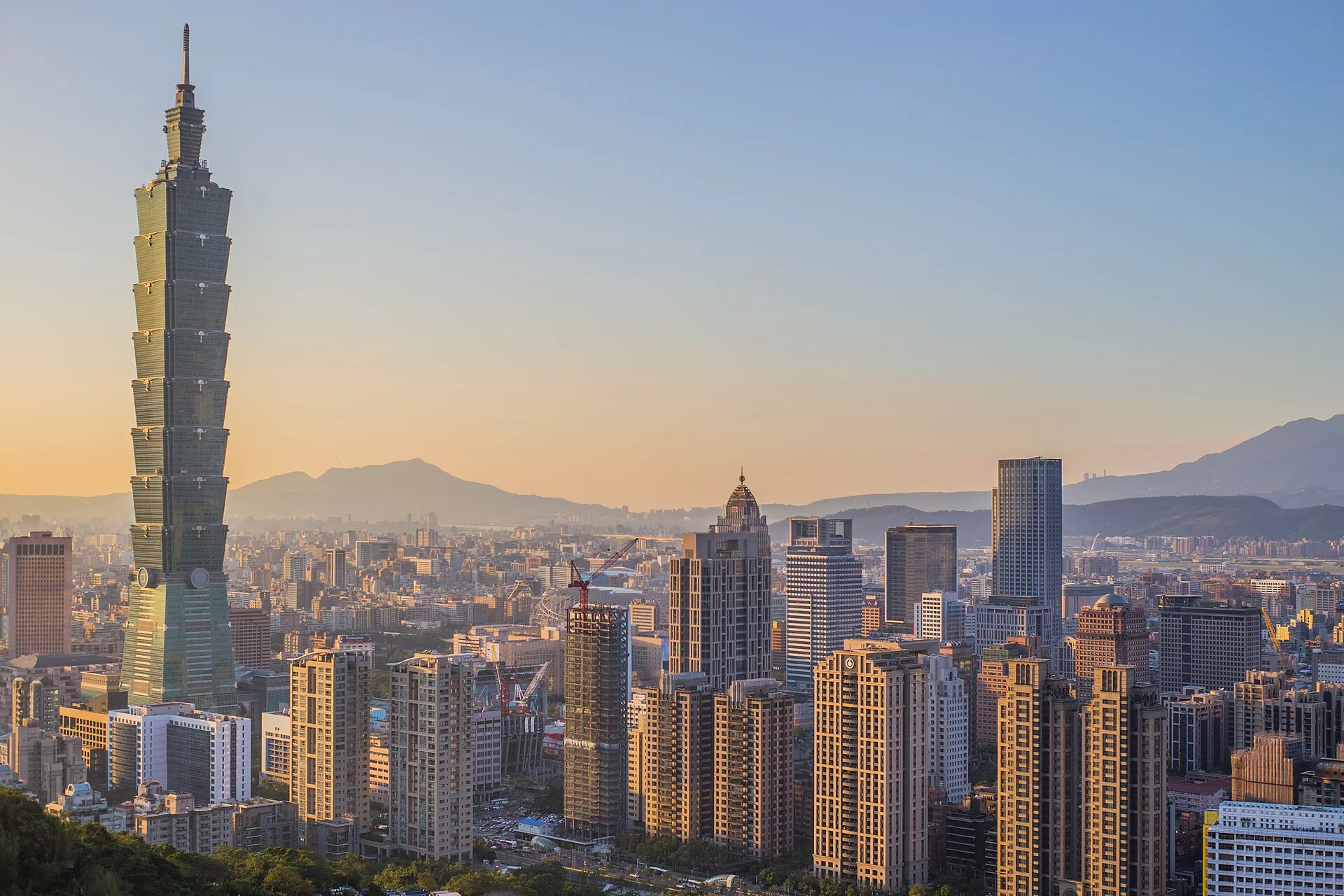
Taipei delivers a rare combination for a major Asian capital: world-class public transit, some of the best food anywhere, and prices that stay reasonable if you live a little like a local. Rent is the biggest variable. A private room in a shared flat runs roughly $310 to $460, while a small studio or one-bedroom in a central district like Da'an or Zhongshan typically lands between $620 and $1,100. Move a few MRT stops out toward Wenshan, Beitou, or across the river into New Taipei and the same apartment often drops to $460 to $680. Note that Taipei apartments are frequently small by Western standards, so temper your square-footage expectations.
Everyday costs are where Taipei shines. Here is a rough monthly picture for one person:
- Rent (central one-bed): $770 to $1,100
- Groceries: $190 to $280
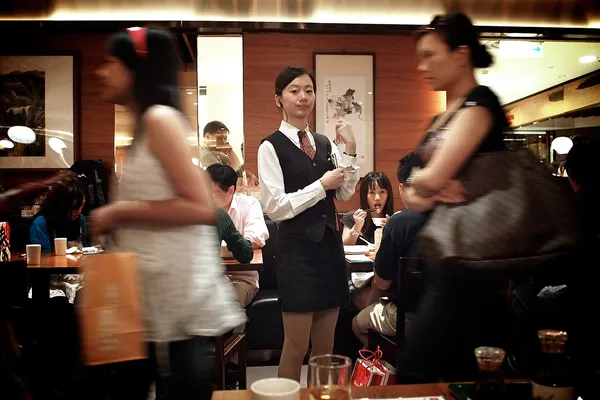
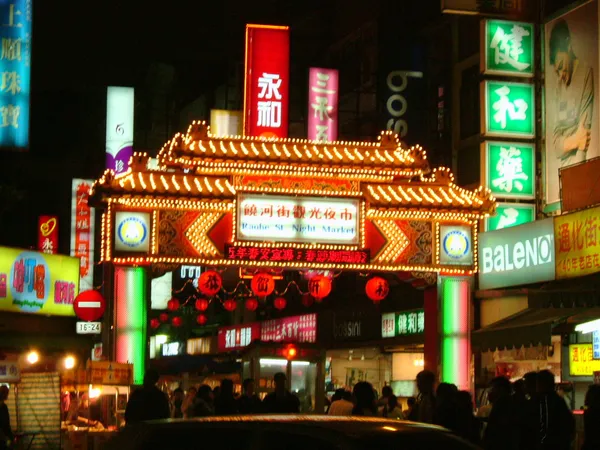
- Eating out and night markets: $150 to $280. A night-market plate or a bowl of beef noodle soup often costs $2 to $4.50, and a sit-down restaurant meal $7.50 to $12
- Coworking hot-desk: $120 to $190 for a monthly membership
- Local transport: $31 to $46
- Utilities and mobile data: $77 to $110
All in, a comfortable single-person budget usually falls in the $1,400 to $2,000 range per month, and you can go lower with a shared room and heavy street-food eating. Prices shift with the exchange rate, so treat the USD figures as approximate.
Where to Work
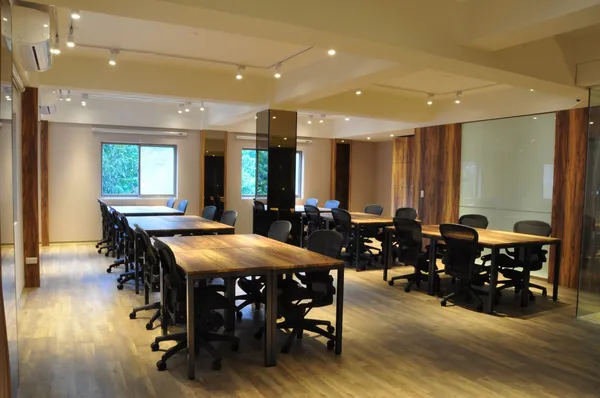
Taipei has a mature coworking scene. The Hive Taipei, in a historic building in the Zhongzheng district near 228 Peace Park, offers hot desks from around $120 per month, with dedicated desks near $220 and private offices from $310. CLBC runs several locations and prices hot-desk access from about $4.50 per hour, with dedicated desks from roughly $190 per month. You will also find international and local operators clustered around Xinyi, Zhongshan, and Da'an, so pick the one nearest where you sleep.
Cafe-work culture is strong here, and plenty of independent coffee shops welcome laptop workers for the price of a drink, though the busiest chains can get crowded and some smaller places ask for a two-hour limit at peak times. Convenience stores are on nearly every corner if you just need a quick sit-down with power. WiFi is generally fast and reliable across coworking spaces, cafes, and apartments, and a local unlimited-data SIM is cheap insurance for hotspotting on the move.
Getting Around
The Taipei Metro (MRT) is clean, punctual, and easy to navigate, with English signage throughout. Buy an EasyCard at any station or convenience store, top it up, and tap onto the MRT, buses, and YouBike bikeshare. IC-card users earn a monthly rebate of between 10 and 30 percent on MRT fares based on how much they ride, plus small transfer discounts when switching between metro, bus, and bike within an hour. The card never expires, so you can keep it between trips.
Taipei is genuinely walkable in the core, and YouBike docks are everywhere for short hops (registering an EasyCard for bikeshare needs a local phone number, but you can also rent one-off with a credit card). For the airport, the Taoyuan Airport MRT connects Taiwan Taoyuan International (TPE) to Taipei Main Station in about 35 to 38 minutes on the express train for $4.50. Songshan Airport (TSA), which handles domestic and some regional flights, sits right on the metro inside the city.
Sorting transport? Book an airport transfer, or compare car rental on Auto Europe and QEEQ.
Visas and Staying Long-Term
Taiwan is welcoming for short stays. Passport holders from the US, Canada, the UK, most of the EU, Australia, New Zealand, Japan, South Korea, and many other countries can enter visa-free for 90 days (some nationalities get 14 to 30 days, so check yours). British and Canadian citizens can apply to extend a 90-day stay to 180 days under reciprocity. Everyone should complete the online arrival card before landing.
For longer stays, the Taiwan Employment Gold Card is the standout option: a combined open work permit, residence permit, and visa for qualifying professionals, valid for one to three years, that lets you live and work freely and brings potential tax benefits for higher earners. One common qualifying route is demonstrating a recent monthly salary of, though several other professional criteria exist. Taiwan also introduced a digital-nomad visitor visa in 2025 for nationals of visa-exempt countries, allowing stays of up to six months with income and savings requirements.
Best Time to Visit
Taipei has a humid subtropical climate, and humidity rarely drops below about 70 percent year-round. Summers (roughly June through August) are hot and sticky, with temperatures pushing into the mid-30s Celsius and heavy monsoon rain. This overlaps with typhoon season, officially June through October, when a couple of major storms can shut down transit and flights for a day or two at a time.
The most comfortable windows for remote work are March to May and October to November. Spring brings mild temperatures around 22 degrees Celsius and lighter rain between the monsoons, while autumn offers arguably the best weather of the year: warm, drier days after the worst of typhoon season passes. Winters are cool and damp rather than cold, and generally fine for working if you do not mind grey, drizzly stretches.
Pros and Cons
- Pros:
- Excellent value for a modern capital, with cheap, incredible food from night markets to hole-in-the-wall shops
- One of the best public transit systems in Asia, clean, cheap, and easy for non-locals
- Very safe, friendly, and convenient, with 24-hour convenience stores everywhere
- Fast, reliable internet and a real coworking and cafe-work culture
- Clear long-stay path through the Gold Card for those who qualify
- Cons:
- Hot, humid summers and a real typhoon season from June to October
- Frequent rain and grey skies outside the best seasons
- A language barrier once you leave tourist and business zones, since English is not widely spoken
- Apartments are often small, and central rent can climb
Who Taipei Is Best For
Taipei suits nomads who want big-city convenience and safety without a big-city price tag, especially food lovers, transit fans, and anyone who values fast infrastructure and an easy day-to-day rhythm. It is a strong pick if you qualify for the Gold Card and want a stable, well-connected base in East Asia. If you are heat and humidity averse, need to avoid storm-season disruption, or want to get by entirely in English outside the center, you may prefer somewhere drier or more anglophone. Time your stay for spring or autumn and Taipei is hard to beat.