Cost of Living in Canggu
Where this figure comes from. No cost survey covers Canggu, so the $2,200 a month above is our own estimate rather than a measurement. On 416 of our 999 city guides the figure is built from a published Numbeo basket, a one-bedroom rent in the centre plus one person's monthly costs without rent, converted to USD; this city is not one of them. How we source everything.
Canggu is no longer cheap by Southeast Asian standards, and anyone expecting Bali prices from five years ago will be caught off guard. Here is what a realistic monthly budget looks like in mid-2026:
- Rent, central Canggu (Batu Bolong, Echo Beach): $665-1,000/month for a private 1-bedroom villa with a pool. Shared co-living rooms start around $275.
- Rent, cheaper areas (Pererenan, outer Berawa): $390-610/month for a comparable private room, with a 20-30 minute scooter ride to the busier parts of Canggu.
- Groceries (cooking some meals at home): $67-110/month.
- Eating out: A warung meal runs $1.50-3. A sit-down meal at a mid-range restaurant costs $5.50-14. Budget $140-275/month if you eat out most meals.
- Coworking hot-desk: $14-17/day; monthly memberships run from about $75 for 50 hours to $213-221 for unlimited use, depending on the space.
- Local transport (scooter rental): $4-8.50/day, or $28-39/month on a long-term rental. Grab and Gojek rides average $1-2 per trip.
- Mobile data (10 GB SIM): Around $5.50/month.
Total monthly range: Budget nomads who rent shared rooms and eat mostly local food can manage $665-1,000. A comfortable independent lifestyle with a private villa, eating out regularly, and using coworking occasionally runs $1,330-2,220. Premium setups with a pool villa and restaurant dining push to $3,000+ USD.
Where to Work
Canggu has more coworking options per square kilometer than almost anywhere in Southeast Asia, so your biggest decision is what kind of environment you work best in.
Dedicated coworking spaces are the reliable choice for stable internet and a professional atmosphere. BWork on Jl. Nelayan has a garden pool, focus rooms for calls, and separate quiet and casual zones; a day pass costs about $17 and an unlimited month about $213. Tribal in Pererenan is a community-run space with a pool and excellent wifi that you can access for free with a minimum food and drink spend of $5.50 after three hours. Note: Dojo Bali, once Canggu's flagship coworking space, permanently closed in late 2022. Outpost no longer runs a Canggu space; its Bali locations are both in Ubud.
Cafe work culture is strong here. Many cafes have designated work zones with outlets and stable wifi. Zin Cafe in central Canggu has a specific quiet zone that discourages loud music. Betelnut Cafe and Miel Cafe on Batu Bolong are popular laptop spots with good air conditioning. The unspoken etiquette: buy something every couple of hours and don't occupy a prime table for six hours on one coffee during a lunch rush.
WiFi reality: Internet in Canggu is adequate for most remote work including video calls and cloud collaboration, though genuinely fast connections are the exception. Power outages during heavy rain are not uncommon, so a cellular backup plan using a local SIM from Telkomsel or XL is worth having. Grab a SIM at the airport on arrival.
Getting Around
Canggu is not walkable beyond a few hundred meters. The area is a sprawl of villas, rice fields, and narrow gang lanes that don't connect in any logical grid, and most of what you need is a 5-20 minute ride away.
Scooter is how most people get around, and renting one long-term is the most practical option. Rentals from local shops cost $28-39 per month. You do need to have some comfort with traffic, as roads are narrow and motorbike-heavy. Batu Bolong and the main Canggu road grid lock between 4-7 PM daily.
Ride-hailing: Grab and Gojek work well throughout Canggu and nearby areas. Prices are low for short trips, and both apps show metered fares upfront. Use these if you don't want to ride a scooter. BlueBlue taxis are also available but cost more.
Airport transfers: Ngurah Rai International Airport (Denpasar) is roughly 45 minutes to 1 hour 45 minutes from Canggu depending on traffic. Pre-arranged private transfers are the most reliable option and cost around $10-14 each way. Grab officially operates from the airport but pickup areas are a short walk from arrivals.
Sorting transport? Book an airport transfer, or compare car rental on Auto Europe and QEEQ.
Visas and Staying Long-Term
Indonesia's entry setup changed meaningfully in 2024-2025.
Visa-free: Only ASEAN citizens and a short list of other nationalities can enter Indonesia visa-free, for up to 30 days. This is strictly non-extendable and cannot be converted to another visa type. Most Western passports, including the US, UK, EU, Canada, and Australia, need the Visa on Arrival instead.
Visa on Arrival (eVoA): Most passport holders can purchase a Visa on Arrival at the airport for $28, granting 30 days. This can be extended once in person at an Indonesian immigration office for another 30 days, for a maximum stay of 60 days. Since 29 May 2025, every extension requires an in-person photo and interview at an immigration office.
Digital Nomad Visa (E33G): Indonesia launched a dedicated remote worker visa in 2024. It grants a stay of up to one year for an official fee of about $388, and requires income of at least USD 60,000 a year, a work contract with a company established outside Indonesia, a bank balance of at least $2,000, and a passport valid for at least 6 months.
Social Visa (C1): A single-entry tourist visa for up to 60 days, extendable, applied for online before you arrive for about $55, with a bank statement showing at least $2,000. Popular with long-stay visitors who don't qualify for the nomad visa.
Best Time to Visit
Bali has two seasons, and the difference matters for how you feel day-to-day.
Dry season (April to October) is the clear winner for remote work. Temperatures sit between 26-32°C (79-90°F) with low humidity, reliable sunshine, and almost no rain. May, June, and September are a sweet spot: excellent weather, fewer tourists than July-August peak, and slightly lower villa prices.
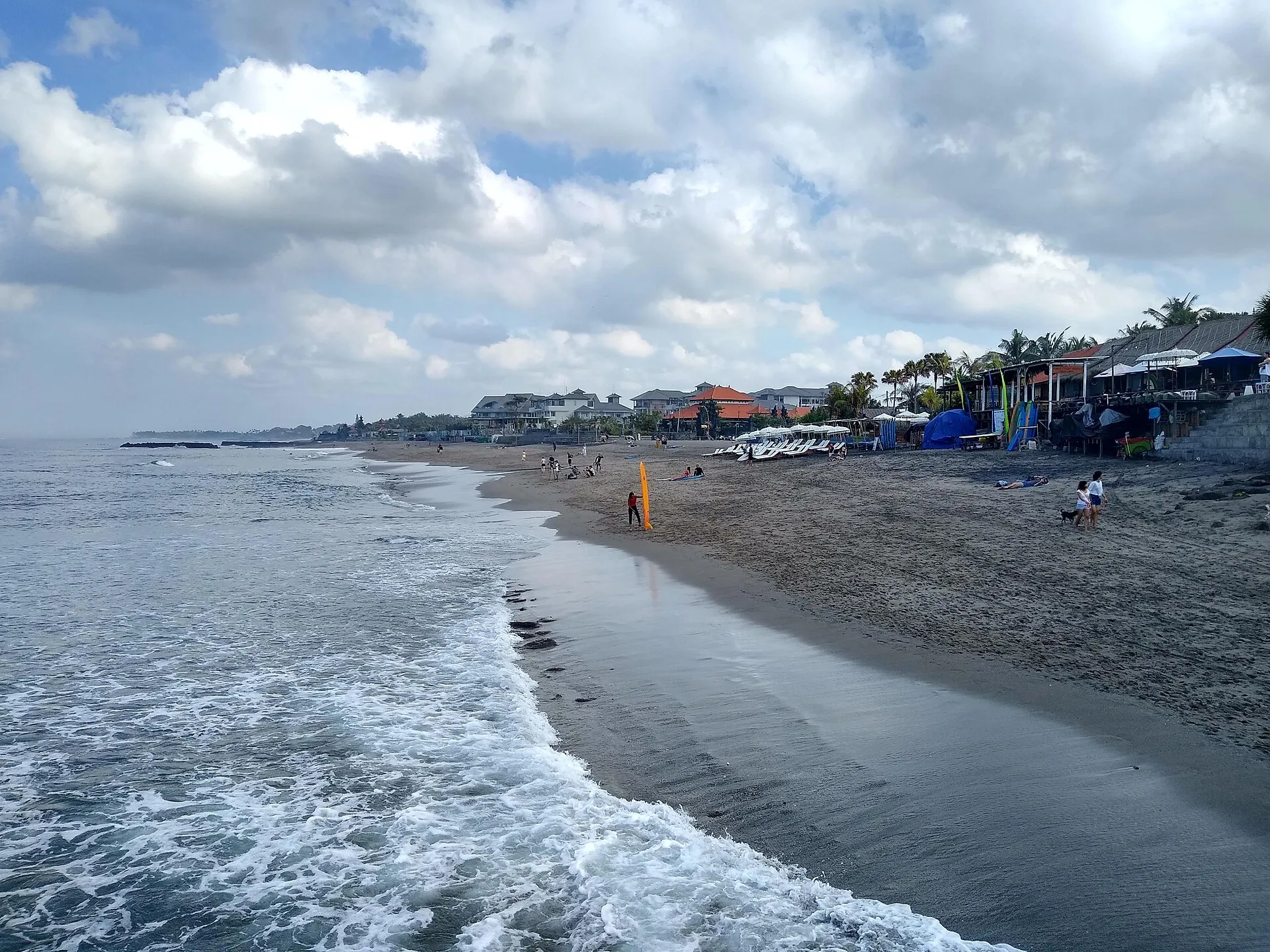
Rainy season (November to March) brings daily afternoon downpours, higher humidity, and occasional all-day rain. The bigger issue during this period is beach cleanliness: December through February see ocean debris and plastic wash up on Canggu's beaches in significant quantities, making beach time unpleasant. Mornings are usually clear, and afternoon work sessions are unaffected if you're indoors. Prices drop and crowds thin, which appeals to some.
For a first visit combining good weather, social energy, and reasonable prices, May-June and September are the best months.
Pros and Cons
- Pro: One of the world's densest concentrations of coworking spaces and laptop-friendly cafes in a compact area.
- Pro: Large, active English-speaking nomad community making it easy to meet people quickly.
- Pro: Excellent food scene spanning Indonesian street food to high-end Mediterranean and Japanese at relatively low cost.
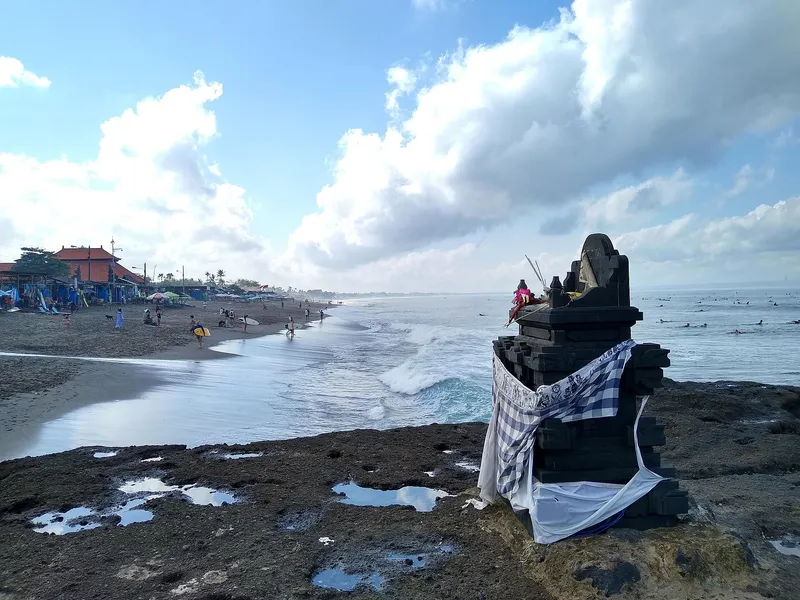
- Pro: Surf breaks directly in town, yoga studios everywhere, and beach access within walking distance of most accommodation.
- Pro: Warm, friendly local community and a culture of genuine hospitality.
- Con: Severe traffic congestion, especially on the main Canggu road from mid-afternoon. Short distances routinely take 30+ minutes by car.
- Con: Rent has risen significantly and continues to climb; many nomads feel the value proposition has weakened compared to 2021-2022.
- Con: Beaches collect significant plastic waste and debris, particularly November through February.
- Con: Noise and party culture are constant: roosters at 5 AM, scooters all day, bars until late. Light sleepers and people who need quiet will struggle.
- Con: Bali Belly (food-related stomach illness) is common; water quality is not reliable and bottled water is a daily necessity.
Who Canggu Is Best For
Canggu suits you well if you want to combine serious remote work with an active social life, you surf or want to learn, and you don't mind spending a bit more than you would elsewhere in Southeast Asia for access to infrastructure and community. It is ideal for people arriving solo who want to meet other nomads fast: the social density here is unmatched in Bali. It also works well as a short-to-medium term base, from one to three months, where the energy and variety feel like assets rather than exhaustion.
You should probably look elsewhere if you prioritize quiet and deep focus, prefer a slower pace with genuine cultural immersion, or are watching your budget closely. Ubud is the go-to for those wanting nature, a quieter pace, and Balinese culture on the doorstep. Sanur suits longer-stayers who want stability, reliability, and a calmer beach scene. If Canggu's reputation for being crowded and noisy rings alarm bells for you, those concerns are founded.