Cost of Living in Chiang Mai
Real market data
Source: Numbeo · August 2026
$840/moSolo nomad1-bed centre + living costs
$1,130/moCoupleshared 1-bed + costs
$650/moLean / localcheaper area + costs
- 1-bed rent, city centre$470฿15,659
- 1-bed rent, outside centre$280฿9,315
- Monthly costs excl. rent (1 person)$370฿12,310
- Meal, inexpensive restaurant$2฿70
- Monthly transit pass$54฿1,800
- Buy price, per m² (centre)$1,950฿65,119
Prices are from Numbeo (August 2026), converted to USD at $1 = ฿33.45 (01 Aug 2026). The monthly living-costs figure is our transparent one-person basket, groceries, a few meals out, utilities, phone, internet, transport and essentials, priced from those figures. Solo adds central rent; couple and lean are estimates from the same numbers. The guide below quotes its own monthly range, which is a different measurement rather than a competing one: this table prices a defined basket at the figures above, while that range is a judgement about how somebody actually lives here.
Chiang Mai remains one of Southeast Asia's best-value cities for remote workers. Your monthly spend depends heavily on where you sleep and how often you eat Western food.
- Rent, central (Nimman / Old City): $300-540 for a modern one-bedroom with pool and gym
- Rent, cheaper areas (Santitham / Hang Dong): $150-240 for a clean studio or older apartment
- Groceries: $90-150 per month from local markets and Rimping supermarket
- Eating out, local Thai: $1.50-3 per meal at street stalls and noodle shops
- Eating out, cafes and Western: $4.50-9 per meal
- Coworking hot-desk: $90-135 per month at most dedicated spaces; day passes run $7.50-13
- Local transport (Grab, songthaew): $30-60 per month without a scooter
Realistic monthly total: a frugal nomad eating mostly local food can live well on $895-1,200. A comfortable mid-range lifestyle with a nice condo, a coworking membership, and a mix of dining lands around $1,350-1,790. Heavy Western dining and frequent activities push it toward $2,000.
Where to Work
Chiang Mai has a well-developed remote work infrastructure built over more than a decade of nomad traffic. You will not struggle to find a productive seat.
Dedicated Coworking
Punspace (two locations: Wiang Kaew near the moat and the Tha Phae Gate branch) is the longest-running and most reliably professional option, with fast fiber, private meeting rooms, and a calm atmosphere. Day passes cost around $8.50; monthly memberships from $115. Yellow Coworking on Nimmanhaemin Soi 5 is larger and livelier, popular for networking, with monthly passes from $98. MANA, a tiny 14-seat space, suits people who want quiet over buzz. Hub53 and The Brick Startup Space are worth knowing if you settle in the Nimman corridor for a while.
Cafe Working
Chiang Mai has a dense, excellent cafe scene. CAMP on the top floor of Maya Mall runs 24 hours and has become the city's unofficial all-hours work hub: buy something for $1.50 and you get a two-hour WiFi voucher. Dozens of independent specialty coffee shops around Nimman and the Old City are laptop-friendly and rarely push you to leave.
WiFi Reality
Most coworking spaces offer fast fiber. Cafe WiFi is more variable, occasionally slower during busy hours. Grab a SIM from DTAC or AIS at the airport for reliable 4G backup at around $9 per month for a generous data package.
Getting Around
Chiang Mai is not a walking city outside the Old City moat area. The grid is spread out and the heat makes long walks impractical for much of the year.
- Grab: the easiest option and cheaper than Bangkok. Short hops within the city run $1.50-2.50.
- Songthaew (red trucks): shared fixed-route pickups, typically $1-1.50 per person. You flag them down and negotiate if going off-route.
- Scooter rental: $75-105 per month for an automatic scooter. Unlocks the mountains and suburbs. An international driving permit (or Thai license) is technically required and worth having.
- Airport: Chiang Mai International Airport (CNX) sits about 3 km from Nimman. A Grab to the city center costs $3-4.50 and takes 10-20 minutes depending on traffic. No rail link exists.
Sorting transport? Book an airport transfer, or compare car rental on Auto Europe and QEEQ.
Visas and Staying Long-Term
Most Western passport holders (US, UK, EU, Australia and Canada, among 60 countries in all) enter Thailand visa-free for 30 days from 15 September 2026, down from the 60 granted since July 2024. You can extend this once at the local immigration office for $57, giving you a maximum of 60 days on a single trip.
For longer stays, the Destination Thailand Visa (DTV), introduced in mid-2024, is the most practical option for nomads. It costs around $300, is valid for 5 years with multiple entries, and allows up to 180 days per visit (extendable once for another 180 days). You apply at a Thai embassy or consulate before arrival and must show both proof of remote work and $14,950 in funds.
That makes the DTV Thailand's dedicated remote-work visa, issued under a Workcation category written for digital nomads and freelancers. Border runs to a neighboring country used to be a common workaround for resetting visa-free stays, but the new annual limits make repeated visa-exempt entries less straightforward than before.
Best Time to Visit
November through February is the sweet spot. Daytime temperatures sit at a pleasant 25-30°C (77-86°F), evenings can drop to 12-15°C (54-59°F) so you'll want a light jacket, the sky is clear, and air quality is generally good. November also brings the Yi Peng Lantern Festival, one of the most visually stunning events in Southeast Asia.
Avoid February through April if air quality matters to you. Agricultural burning across northern Thailand and neighboring Myanmar sends smoke across the entire region. During peak burning weeks (late February through March), Chiang Mai's AQI regularly exceeds 200 and occasionally hits hazardous levels above 300. Working outdoors or exercising outside is a real problem, and some nomads leave the city entirely during this period. Keep an eye on IQAir for live readings before booking.
The rainy season runs May through October. Rain arrives in afternoon downpours rather than all-day drizzle, smoke clears completely, and the landscape turns lush and green. Crowds thin out, prices drop, and it's a perfectly workable time to be here if you don't mind occasional flooding on some roads.
Pros and Cons
- Outstanding value for the quality of life: you can live comfortably on a budget that would barely cover rent in most European cities
- Mature nomad infrastructure: multiple reliable coworking spaces, fast internet, and a community that has been here long enough to have figured out the logistics
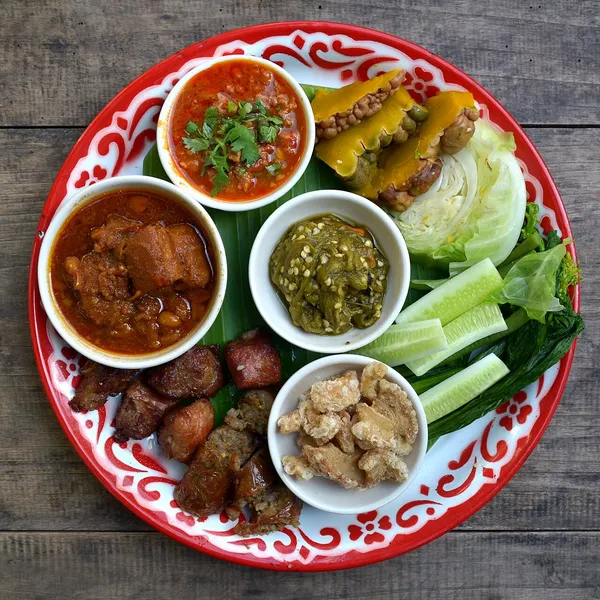
- Food scene: northern Thai cuisine (khao soi, sai ua, nam prik) is genuinely distinctive, and the cafe culture is excellent
- Nature access: Doi Inthanon (Thailand's highest peak) and Doi Suthep are under an hour away; weekend trekking is easy to arrange
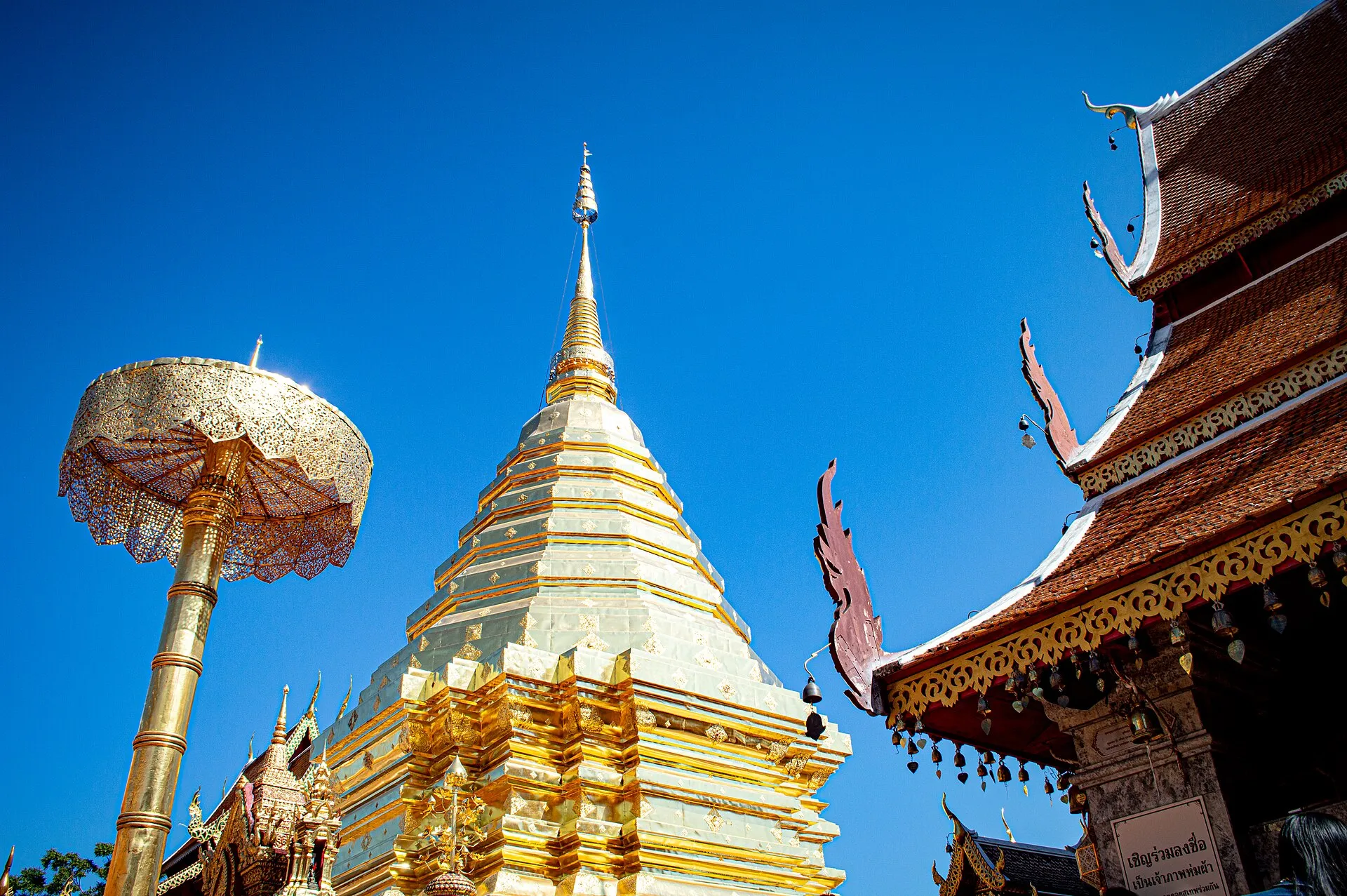
- Culture and temples: over 300 wats in the city; Thai massage schools, cooking classes, and a slower pace than Bangkok
- Burning season is a serious issue: February-April air quality can be hazardous and is not something to dismiss if you have any respiratory sensitivity
- You need a scooter or Grab for most things: the city sprawls, walkability outside the Old City is poor, and there is no metro or light rail
- Visa complexity for long-term stays: the tightened 2025-2026 rules make perpetual visa-exempt stays harder; planning a DTV adds cost and admin
- The nomad scene can feel insular: Nimman's expat bubble sometimes means you can go weeks without engaging much with Thai daily life if you're not intentional about it
- Heat for a significant chunk of the year: March-May temperatures regularly exceed 35°C (95°F) before the rains arrive
Who Chiang Mai Is Best For
Chiang Mai suits people who want a low-cost, well-organized base with genuine cultural depth and easy outdoor access. It works especially well if you plan to stay 1-3 months, want to keep costs under $1,500 a month without sacrificing quality, and enjoy a city that takes its food and coffee seriously. It is a natural fit for people on their first longer Southeast Asia stint: the nomad community is established, English is widely spoken in service contexts, and logistics are forgiving for first-timers.
It is less ideal for people who need a true urban buzz with late-night options every night, those sensitive to air pollution who cannot avoid the February-April window, or anyone who wants a car-free daily life. If you need a major international hub with direct flight connections to everywhere, Bangkok serves that role better. Chiang Mai rewards people who come for at least a month: it is a place to settle, not just pass through.