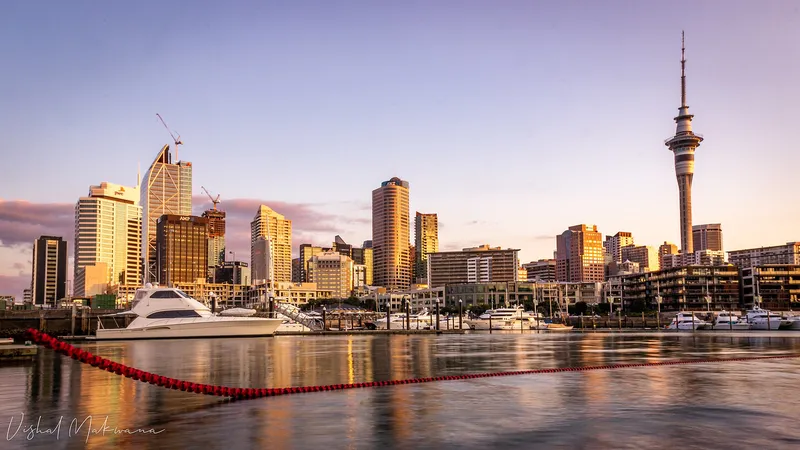
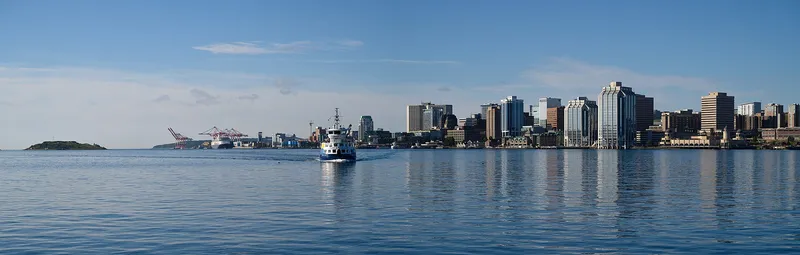
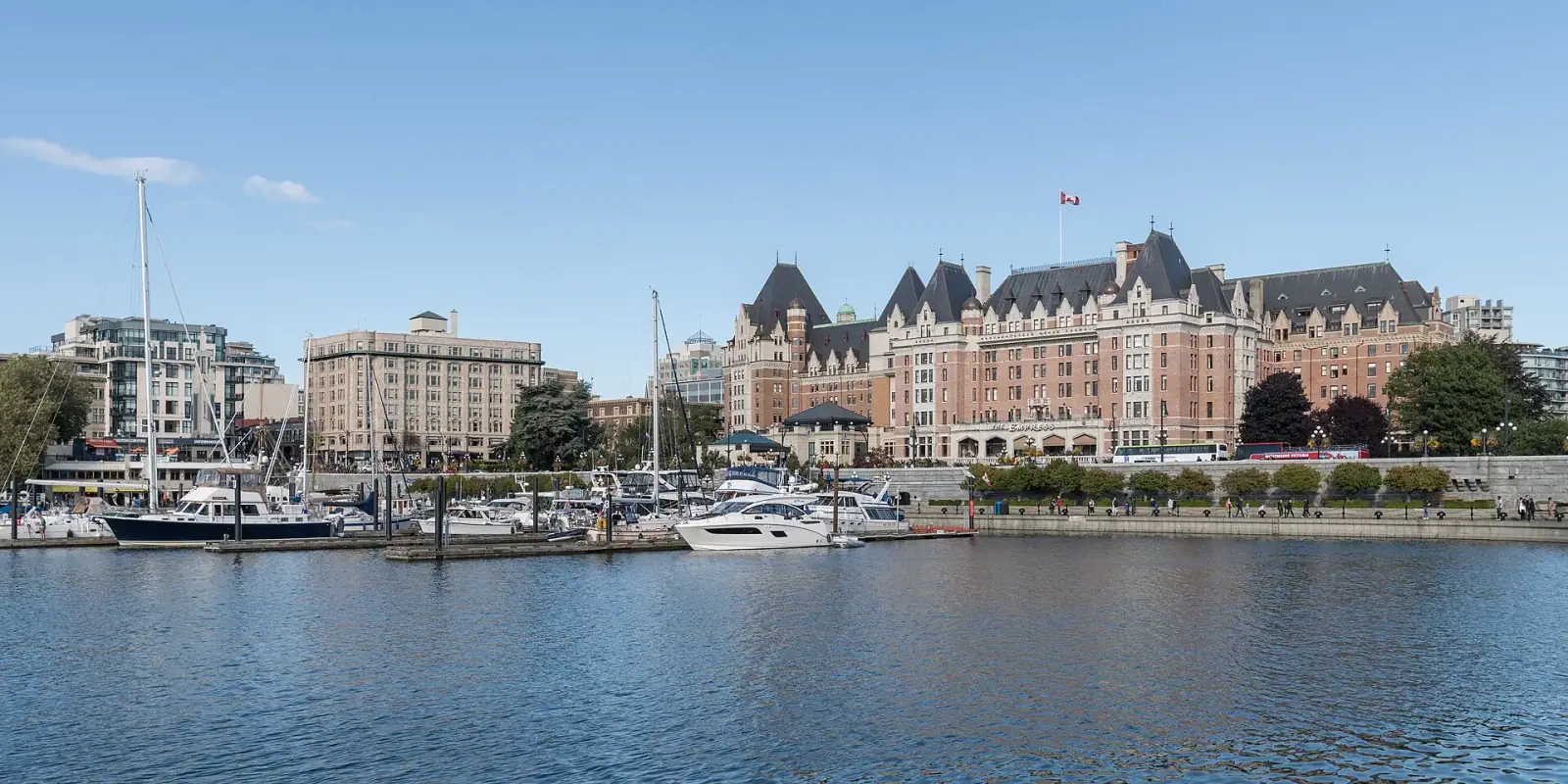
Victoria Inner Harbour with the Fairmont Empress Hotel and marina
Photo: DXR / Wikimedia Commons (CC BY-SA 4.0)
Canada flag

Victoria

Canada

Canada's warmest city, afternoon tea, whale watching, and flower-lined harbors.

C$3.800
Monthly Budget
--
Current Weather
Oceanic
Climate Type
90 Mbps
Avg. WiFi Speed
9/10
Safety Score
500+
Active Nomads
--
Time Difference
Scroll
0
Nomad Score

A Remote Worker's Guide to Victoria

Canada's warmest city, afternoon tea, whale watching, and flower-lined harbors. What pulls nomads here is English, backed by fast WiFi and nature. Budget around $3,800 a month. Cost is the weak spot.

Compare Victoria vs Vancouver →

Category Breakdown

How Victoria scores across all 13 factors

Weather in Victoria

Monthly averages from 2019-2023 (Open-Meteo), and the best time to visit

Jan
Feb
Mar
12°
Apr
17°
10°
May
20°
12°
Jun
24°
15°
Jul
24°
15°
Aug
19°
13°
Sep
14°
Oct
Nov
Dec
Daily high & low (°C)Rainfall (mm/month)Best months to visit

The best time to visit Victoria for comfortable weather is Jun, Jul, Aug. The warmest month is Jul (around 24°C by day), and the wettest is Jan (about 178mm of rain).

Chasing good weather? See other cities that are warm in Jun, or plan a multi-city route around the seasons. Staying a while in Victoria? Check visa options, your time-zone overlap and how far your budget stretches, or find it on the world map.

Historical monthly averages, not a forecast. Source: Open-Meteo.

Best Neighborhoods in Victoria

Where to base yourself for the perfect nomad experience

Downtown

$$
Heritage charming

Garden City charm with British heritage

Victoria's downtown features the stunning Inner Harbour, Empress Hotel, and provincial parliament. Flower baskets, afternoon tea, and mild climate create Canada's most English city.

Best for: First-time visitors and charm seekers
✓ Pros
  • Beautiful harbor
  • Historic buildings
  • Walkable center
  • Mild climate
✗ Cons
  • Tourist prices
  • Older visitor base
  • Limited nightlife

James Bay

$$
Residential harbor

Residential harbor views and local life

South of downtown, this residential neighborhood offers harbor views, local cafes, and community atmosphere. Fisherman's Wharf provides floating homes and fresh seafood.

Best for: Local life seekers and foodies
✓ Pros
  • Fisherman's Wharf
  • Local character
  • Harbor walks
  • Community feel
✗ Cons
  • Quiet evenings
  • Far from nightlife
  • Residential pace

Fernwood

$
Bohemian artsy

Hip neighborhood with artistic energy

This eclectic neighborhood features independent cafes, vintage shops, and creative businesses. Victoria's most bohemian area attracts artists and young professionals.

Best for: Creatives and alternative seekers
✓ Pros
  • Independent businesses
  • Artistic energy
  • Local character
  • Coffee culture
✗ Cons
  • Some rough edges
  • Far from harbor
  • Limited services

Oak Bay

$$$
Village upscale

Upscale village within the city

This affluent municipality within Victoria offers village charm, waterfront walks, and refined living. Tea rooms, bookshops, and gardens maintain English village atmosphere.

Best for: Comfort seekers and retirees
✓ Pros
  • Village atmosphere
  • Waterfront walks
  • Safe area
  • Refined dining
✗ Cons
  • Very quiet
  • Expensive
  • Older demographic

Vic West

$$
Urban emerging

Industrial heritage turned trendy

Across the harbor, this former industrial area has transformed with modern apartments, craft breweries, and waterfront paths. Young professionals enjoy urban living with harbor access.

Best for: Young professionals and craft beer lovers
✓ Pros
  • Craft breweries
  • Waterfront access
  • Modern living
  • Growing scene
✗ Cons
  • Still developing
  • Traffic bridge
  • Mixed areas

Cost of Living in Victoria

Victoria is not a budget destination. It is British Columbia's capital, on the southern tip of Vancouver Island, and island premiums plus a tight housing market push prices close to Vancouver levels. Figures below are in Canadian dollars, with a rough US equivalent at about 0.70 (so $1 CAD is roughly $0.70 USD). A realistic monthly breakdown for one person:

  • Rent, one bedroom central (downtown, James Bay, Fairfield): $2,000-2,300 CAD (about $1,400-1,600 USD).
  • Rent, one bedroom in a cheaper area (Saanich, Esquimalt, Langford): $1,700-1,900 CAD (about $1,200-1,330 USD).
  • Groceries: $400-550 CAD (about $280-385 USD) for one person who cooks most meals.
  • Eating out: a casual meal runs about $25-30 CAD, and a three-course dinner for two at a mid-range spot is around $100 CAD. A cappuccino is roughly $5.50-6 CAD and a pint about $8 CAD.
  • Coworking hot desk (drop-in day pass): $25-45 CAD (about $18-32 USD) per day, or roughly $250-400 CAD for a monthly flex membership.
  • Local transport: a single BC Transit ride is $3, a DayPASS is $6, and an adult 30-day pass is $85 CAD (about $60 USD).
  • Utilities and internet: around $170 CAD for electricity, heat, water, and garbage, plus about $95 CAD for home broadband.

A reasonable all-in total for a solo nomad renting a modest place lands around $3,000-3,800 CAD per month (roughly $2,100-2,660 USD), with rent as the swing factor. Sharing an apartment or living outside the core brings that down noticeably.

Where to Work

For a small city, Victoria has a solid coworking scene clustered downtown. KWENCH is the best known, a design-forward club with two locations and a members-club atmosphere; day passes run around $45 CAD. The Dock is a social-impact focused space with day passes near $30 CAD, and Victopia offers similar drop-in access at about $30 CAD. If you want the cheapest downtown desk, Watershed has one of the lowest drop-in rates in the city. Global operators Regus and WeWork also have a presence if you prefer a corporate setup or want month-to-month terms.

Cafe-work culture is real and relaxed here. Victoria has a dense independent coffee scene, and it is normal to see people on laptops for a couple of hours, especially outside the lunch rush. Be courteous about buying more than one drink if you stay long, and bring headphones. WiFi is generally reliable and fast across cafes, coworking spaces, and rentals; Canada has good fixed broadband, and home connections of 60 Mbps or higher are standard. Mobile data plans are expensive by global standards, so lean on WiFi where you can.

Getting Around

Downtown Victoria is compact and genuinely walkable, and it is easy to live car-free in the core. BC Transit runs the buses across Greater Victoria, and a DayPASS at $6 covers unlimited rides for the day. There is no rapid transit or rail, so buses plus walking (and cycling on the city's good bike lanes) are your options.

The catch is the island itself. Victoria is reached from the mainland by ferry or floatplane, not by bridge. BC Ferries sails between Swartz Bay (north of the city) and Tsawwassen (south of Vancouver), and a bus-plus-ferry connector links the two downtowns for a budget-friendly trip of around three to four hours door to door. For speed, Harbour Air and Seair floatplanes fly harbour to harbour between downtown Victoria and downtown Vancouver in under 30 minutes; fares are usually a few hundred CAD each way, so it is a splurge or a time-saver rather than a daily commute.

Victoria International Airport (YYJ) sits about 25 km north of downtown on the Saanich Peninsula. The cheapest route in is BC Transit (bus 88 to a connection, then onward downtown) for the standard $6 fare, taking roughly an hour. A taxi is far quicker at around 25 minutes and typically $45-60 CAD.

Visas and Staying Long-Term

For many common passports (including the US, UK, most of the EU, Australia, and New Zealand), Canada allows visa-exempt entry, and visitors are normally admitted for stays of up to six months at a time. If you fly in, most visa-exempt travellers need an eTA (Electronic Travel Authorization), a cheap online authorization linked to your passport and valid for up to five years. US citizens do not need an eTA, and travellers arriving by land or sea generally do not need one either.

The eTA lets you visit but does not permit working for a Canadian employer, and a border officer makes the final call on how long you can stay. If you want to remain past your authorized period, you can apply to extend your stay as a visitor from inside Canada before it expires. Rules and eligibility change, so confirm your specific situation on the official Government of Canada immigration site before you travel.

Best Time to Visit

Victoria has one of the mildest climates in Canada thanks to its sheltered Pacific position. Summers (roughly June to September) are the highlight: warm, dry, and sunny, with long evenings and the city at its most alive. This is the best window for remote work if you want to combine productive days with hikes, kayaking, and coastal walks, though it is also peak tourist season, so book accommodation early.

Winters are mild by Canadian standards, rarely freezing, but they are grey and wet, with steady Pacific rain from about November through February. Spring and early fall (April to May, and September to October) are a sweet spot: fewer crowds, lower prices, and still-pleasant weather. If you dislike short, damp, dark days, avoid a long winter stay.

Pros and Cons

The upside:

  • Stunning natural setting with easy access to ocean, forest, and mountains.
  • Mild climate and clean air, with the warmest winters in the country.
  • Safe, walkable, English-speaking city with a friendly, laid-back pace.
  • Good coworking options and fast, reliable internet for its size.

The downside:

  • High cost of living, especially rent, which rivals Vancouver.
  • Island isolation: getting on or off means a ferry or a pricey floatplane.
  • Quiet nightlife and a smaller social scene that skews older and family-oriented.
  • Wet, grey winters and limited flight connections compared with a big hub.

Who Victoria Is Best For

Victoria suits remote workers who value nature, calm, and quality of life over buzz and bargains. If you want to hike, paddle, and cycle after work, prefer a safe and orderly base, and can absorb Canadian prices, it is a genuinely lovely place to settle for a season. It is especially good for solo workers or couples who like a slower rhythm and do not need a big party scene.

Skip it if you are on a tight budget, crave a dense international nomad community and vibrant nightlife, or need the constant convenience of a major transport hub. The island charm that makes Victoria special is the same thing that makes it expensive and a little isolated, so go in knowing that trade-off.

Where to Stay in Victoria

Top neighborhoods and accommodations for digital nomads

The Oswego Hotel

Serviced apartments
James Bay

All-suite boutique property with full kitchens and high-speed internet, four minutes from the Inner Harbour and Parliament.

Check availability →

Hotel Zed Victoria

Boutique hotel
Douglas Corridor

Highly rated local hotel with free bikes, strong WiFi, and easy access to downtown and transit for mobile remote workers.

Check availability →

Browse apartments, aparthotels and hotels across Victoria. Compare prices and book a base that suits a remote-work stay.

See available stays in Victoria →

Affiliate link. See our disclosure.

Best Coworking Spaces

Where nomads get work done in Victoria

KWENCH Coworking & Culture Club

Full-service coworking
Store Street

Creative coworking hub with private offices, open desks, fitness facilities, and an onsite cafe in a vibrant waterfront building.

Visit website →

Fort Tectoria

Tech-focused coworking
Fort Street

VIATEC's flagship tech hub in a heritage 1909 brick building, offering below-market memberships for the downtown tech community.

Visit website →

Digital Desks Coworking

Boutique coworking
Downtown

Polished coworking space inside the Parkside Hotel with fast internet, a bookable boardroom, rooftop lounge, and pool access.

Visit website →

Discovery Coffee

Laptop-friendly cafe
James Bay

Well-loved local roaster with free wifi, comfortable seating, and a chill atmosphere popular with remote workers and students.

Visit website →

Saint Cecilia Coffee

Specialty cafe
Downtown

Bright, welcoming specialty coffee shop on Yates Street with quality espresso, comfortable seating, and a relaxed work-friendly vibe.

Visit website →

Union Pacific Coffee Co.

Laptop-friendly cafe
Chinatown

Highly recommended remote-work cafe in the lower Herald Street area with strong coffee, free wifi, and a laid-back community feel.

Visit website →

Where to Eat & Drink

Best food and drink spots in Victoria

Marilena Cafe and Raw Bar

Seafood fine dining
Downtown

Award-winning restaurant named best fine dining in Canada (Tripadvisor 2025), known for sustainable local seafood and creative Pacific Northwest cuisine.

Visit website →
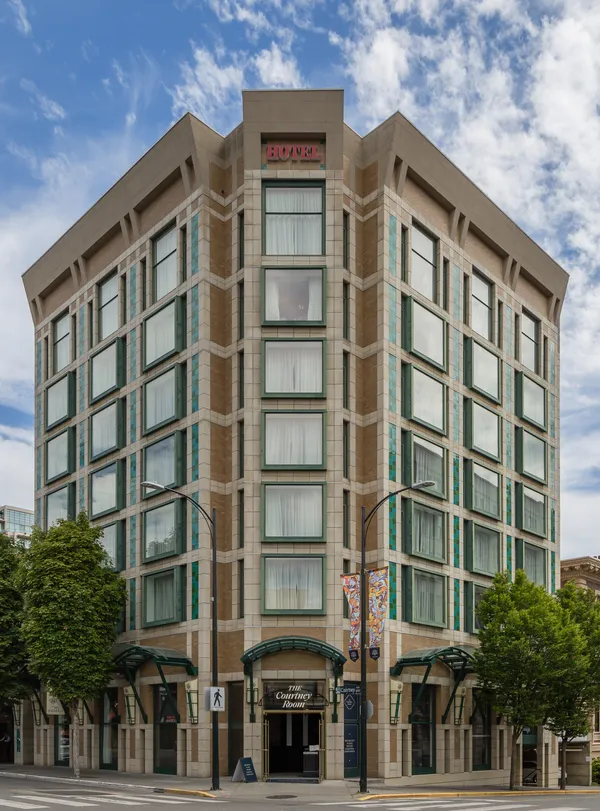
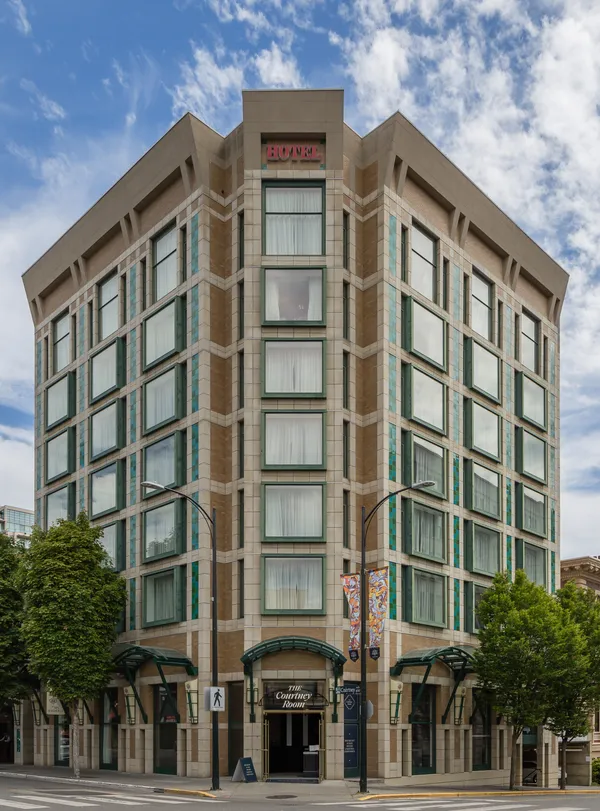
The Courtney Room entrance at street level of The Magnolia Hotel, downtown Victoria BC

Photo: Michal Klajban (CC BY-SA 4.0)

The Courtney Room

Contemporary Canadian
Downtown

Upscale hotel restaurant at the Magnolia, showcasing Vancouver Island ingredients with tightly crafted plates and a strong cocktail program.

Visit website →

Zambri's

Italian
Downtown

Beloved Italian landmark on Yates Street serving house-made pasta, local seafood, and seasonal dishes in a warm, eco-conscious setting.

Visit website →

Cafe Brio

Italian farm-to-table
Fort Street

Long-running Fort Street favourite serving organic farm-fresh Italian cuisine, house-made salumi, local seafood, and an extensive wine list.

Visit website →

Spinnakers Gastro Brewpub

Brewpub
Victoria West

Canada's oldest craft brewpub since 1984, serving house-brewed ales and ciders with a farm-to-table menu and Inner Harbour views.

Visit website →

Clive's Classic Lounge

Cocktail bar
Downtown

Nationally acclaimed cocktail bar inside the Chateau Victoria Hotel, with an award-winning bartending team and an inventive seasonal menu.

Visit website →

What Do Nomads Say?

Vote on how accurate these scores are based on your experience

Cities with a Similar Vibe to Victoria

Different places that score alike across our 13 categories, if you like Victoria, these tend to feel similar.

Frequently Asked Questions About Victoria

How much does it cost to live in Victoria as a digital nomad?

Budget roughly $3,800 a month in Victoria for a furnished place, food, coworking, and transport. The most popular central areas cost more; suburbs and local spots cost noticeably less.

Is the internet fast enough for remote work in Victoria?

Victoria rates 9 out of 10 for WiFi in our scoring, so it handles video calls and daily remote work excellent. Carry a local SIM with data as a backup for cafes and travel days.

Is Victoria safe for digital nomads?

Our safety score for Victoria is 9/10, excellent for nomads. As anywhere, watch your belongings, favor busier streets after dark, and research neighborhoods before you book.

Is Victoria a good city for digital nomads overall?

Victoria stands out for English and fast WiFi among remote workers. With a typical budget near $3,800 a month and a growing nomad scene, it suits anyone whose priorities line up with those strengths.