Cost of Living in Ericeira
Where this figure comes from. No cost survey covers Ericeira, so the $2,200 a month above is our own estimate rather than a measurement. On 416 of our 999 city guides the figure is built from a published Numbeo basket, a one-bedroom rent in the centre plus one person's monthly costs without rent, converted to USD; this city is not one of them. How we source everything.
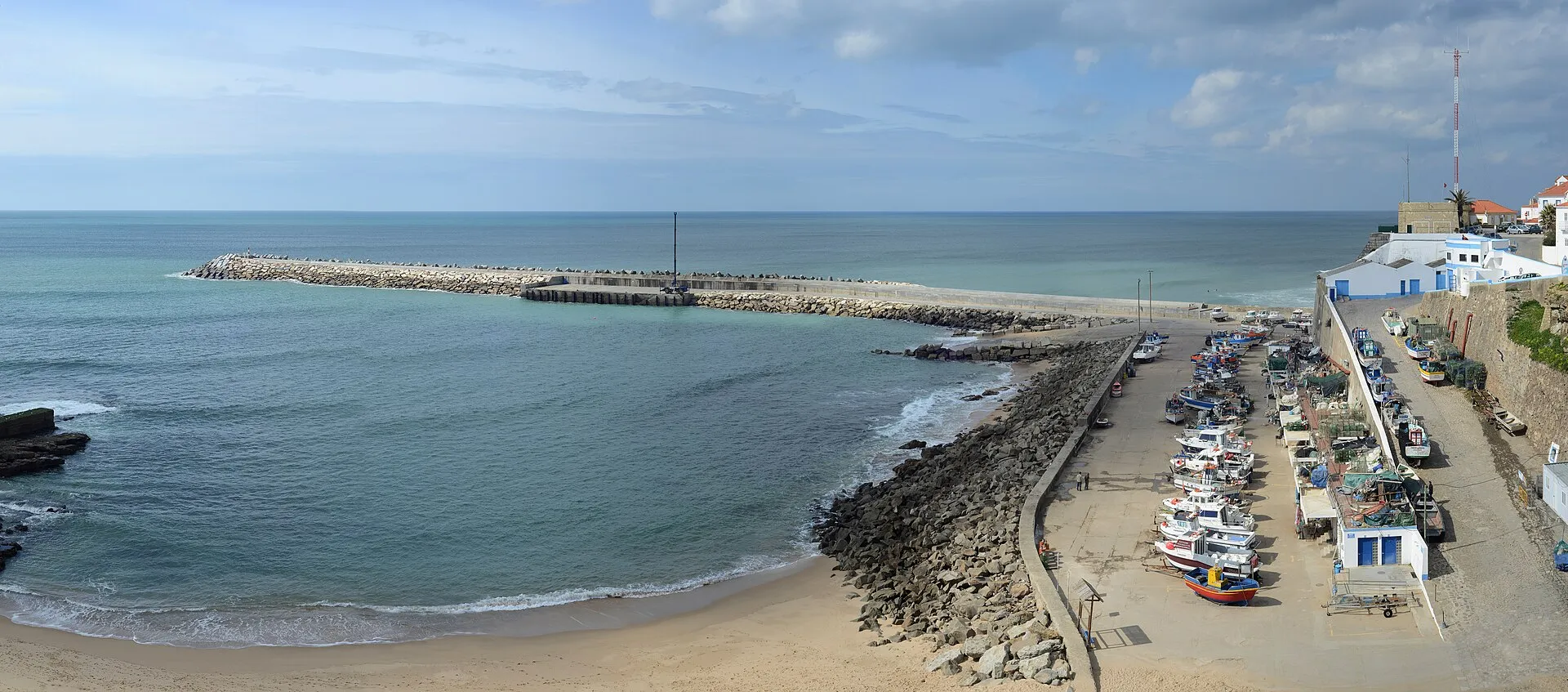
Ericeira is not a budget destination in the way parts of inland Portugal are. It is a small, popular surf town, and rents have climbed to rival or exceed Lisbon in peak season. Local prices are set in euros; the figures below are in US dollars.
Here is a realistic monthly breakdown for one person:
- Rent, central one-bedroom: $920-1,380, higher in summer.
- Rent, cheaper or shared area: $460-805 for a room or a smaller place slightly out of the center.
- Groceries: $290-405. Local produce, eggs, and staples are cheap, and prices run noticeably below Lisbon.
- Eating out: a simple meal runs around $12, and a mid-range dinner for two lands near $40-52. Coffee is about $2.50.
- Coworking hot-desk: roughly $17 per day, or about $140-205 per month for a membership.
- Local transport: the town is walkable, so many people spend little here. The bus to Lisbon costs about $8 each way.
All in, a single remote worker can expect a realistic total of about $1,610-2,760 per month (roughly $1,500-2,600), driven mostly by what you pay for rent and how often you eat out. Note that data for a town this small is thin, so treat any single figure as an estimate and budget with a cushion.
Where to Work
For a town of its size, Ericeira has a genuine coworking scene aimed at the surf-nomad crowd. Named options include The Salt Studio (a purpose-built space near the beach with fast WiFi, meeting rooms, and 24/7 member access), Kelp Coworking (bright, plant-filled, community-focused), Nomads @Ericeira near the village center, and The Base. Several are attached to or partnered with colivings, so you can often bundle a desk with accommodation.
Cafe-work culture exists but is limited by the town's small size, so you will not find dozens of laptop-friendly spots. A handful of cafes tolerate remote workers, especially outside peak surf hours, but if your work depends on a stable connection and a real desk, a coworking membership is the safer bet. WiFi in coworking spaces and most modern rentals is reliable and fast, though older or budget apartments can be patchier.
Getting Around
Ericeira itself is small and walkable. You can cross the historic center on foot, and daily life (groceries, cafes, the main beaches) rarely requires a vehicle. The catch is everything beyond town.
There is no train to Ericeira. The lifeline is the bus to Lisbon, which takes roughly 75 minutes and costs about $8 each way, running through the day at intervals of around 90 minutes. Buses connect to Lisbon at Campo Grande, where you pick up the metro into the city or out to other neighborhoods.
To reach Ericeira from Lisbon Airport (LIS), there is no single direct bus. The usual route is metro from the airport to Campo Grande (changing lines en route), then the Ericeira bus from the terminal there. Door to door this takes around two hours with luggage. If you would rather skip the transfers, a Bolt or Uber from the airport runs roughly $52 and about 40-50 minutes.
A car is genuinely useful here, though not essential. If you want to explore the wider coast, reach quieter surf breaks, do a big supermarket run, or take day trips to Sintra and Mafra, a car saves a lot of time. Without one, you rely on the Lisbon bus and your own two feet, which is fine for a stripped-back surf-and-work routine but limiting if you like to roam.
Sorting transport? Book an airport transfer, or compare car rental on Auto Europe and QEEQ.
Visas and Staying Long-Term
If you hold a passport from the US, UK, Canada, Australia, or a similar visa-exempt country, you can enter Portugal and the wider Schengen Area for up to 90 days within any 180-day period without a visa. That covers a short stay but not a full season, and the clock is shared across all Schengen countries.
To stay longer, the main route for remote workers is Portugal's D8 digital nomad visa. It is aimed at people earning income from outside Portugal, with a monthly income threshold set at roughly four times the Portuguese minimum wage (about $4,240 per month in 2026). The residence permit is typically granted for two years and can be extended, and long-term D8 residents can eventually pursue permanent residency or citizenship.
Best Time to Visit
Ericeira has a mild coastal climate with over 300 sunny days a year and few extremes. Winters rarely drop below about 10C, and summers sit around 20-28C, kept comfortable by the Atlantic breeze. Rain concentrates between November and March, and summers are mostly dry.
Surf runs year-round, but the character shifts with the season. Winter brings the biggest, most powerful swells and empty lineups, best for experienced surfers. Spring and autumn offer consistent, medium swells with lighter crowds. Summer is the warmest and calmest, sometimes to the point of flat days.
For remote work, autumn (September to November) is the sweet spot. The water is still warm from summer, swells are building, prices ease as the peak-season crowds leave, and you get reliable working conditions without July and August congestion. Spring is a close second for similar reasons.
Pros and Cons
The honest trade-offs of basing yourself here:
- Pro: world-class surf on your doorstep in Europe's only World Surfing Reserve.
- Pro: relaxed, small-town pace with a real surf-nomad community and coliving options.
- Pro: walkable center, mild climate, and cheaper groceries and dining than Lisbon.
- Pro: close enough to Lisbon for day trips and a big airport when you need one.
- Con: it is small, so nightlife, amenities, and cafe-work options are limited.
- Con: no train, and reaching the airport or exploring the coast is slow without a car.
- Con: rents are high for the region and spike in summer, when the town also gets crowded.
- Con: quiet in winter, which can feel isolating if you want buzz and variety.
Who Ericeira Is Best For
Ericeira suits remote workers who want their days built around the ocean rather than a city. If you surf or want to learn, value a slow pace, and are happy with a compact town where you know the cafes by name, it is hard to beat. It works well for solo nomads and couples who plan to settle in for weeks or months, especially through a coliving that plugs you straight into the community.
Skip it if you need a dense city with nightlife, coworking on every corner, constant events, and easy public transport in every direction. It is also a tougher fit if you refuse to use a car or the Lisbon bus, or if you need rock-bottom rent. For those travelers, Lisbon or Porto will serve you better, with Ericeira saved for a shorter surf-focused stint.