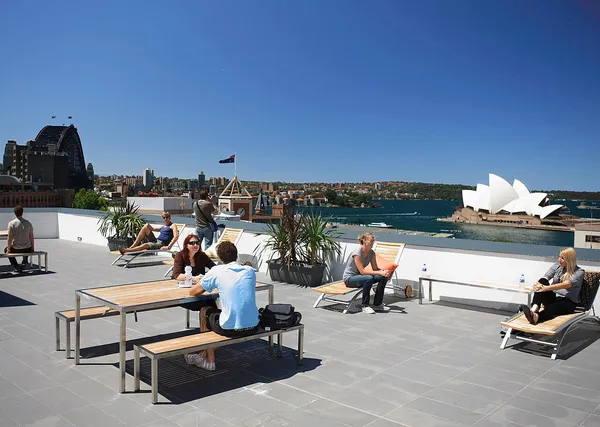
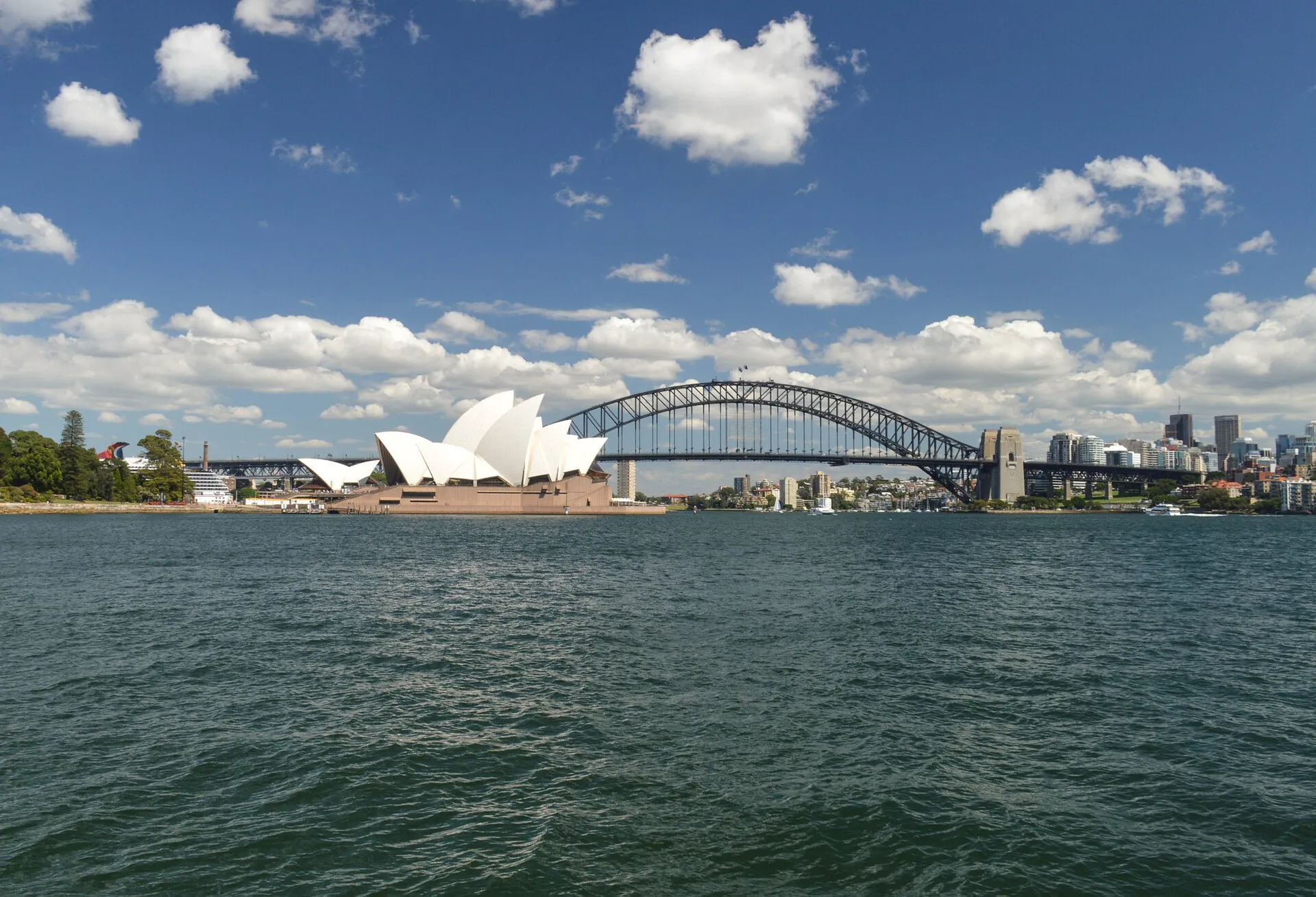
Sydney Opera House and Harbour Bridge from the harbour on a sunny day
Photo: Francisco Anzola / Wikimedia Commons (CC BY 3.0)
Australia flag

Sydney

Australia

Experience iconic harbor, world-class beaches, and a laid-back lifestyle.

A$4.500
Monthly Budget
--
Current Weather
Humid Subtropical
Climate Type
80 Mbps
Avg. WiFi Speed
8/10
Safety Score
5,000+
Active Nomads
--
Time Difference
Scroll
0
Nomad Score

What Sydney Offers Digital Nomads

Experience iconic harbor, world-class beaches, and a laid-back lifestyle. A humid subtropical climate and strong English make Sydney an easy base, and at about $4,500 a month it fits a range of budgets. Keep cost in mind.

Compare Sydney vs Canberra →

Category Breakdown

How Sydney scores across all 13 factors

Weather in Sydney

Monthly averages from 2019-2023 (Open-Meteo), and the best time to visit

27°
19°
Jan
26°
19°
Feb
25°
18°
Mar
22°
14°
Apr
19°
11°
May
17°
Jun
17°
Jul
18°
Aug
21°
10°
Sep
23°
13°
Oct
23°
15°
Nov
25°
17°
Dec
Daily high & low (°C)Rainfall (mm/month)Best months to visit

The best time to visit Sydney for comfortable weather is Jan, Feb, Dec. The warmest month is Jan (around 27°C by day), and the wettest is Mar (about 211mm of rain).

Chasing good weather? See other cities that are warm in Jan, or plan a multi-city route around the seasons. Staying a while in Sydney? Check visa options, your time-zone overlap and how far your budget stretches, or find it on the world map.

Historical monthly averages, not a forecast. Source: Open-Meteo.

Best Neighborhoods in Sydney

Where to base yourself for the perfect nomad experience

Surry Hills

$$$
Creative & Foodie

Sydney's creative heart with the best brunch

Surry Hills is Sydney's most creative neighborhood - terrace houses, laneway cafes, and some of the city's best restaurants. The brunch scene is legendary, galleries dot the streets, and it's walkable to the CBD. Sydney's default nomad choice.

Best for: Foodies, creatives, and nomads seeking Sydney's most walkable inner-city living
✓ Pros
  • Best cafes
  • Walkable to CBD
  • Great restaurants
  • Creative energy
✗ Cons
  • Very expensive
  • Limited parking
  • Crowded weekends

Bondi Beach

$$$
Beach & Active

Australia's most famous beach with backpacker energy

Bondi is Australia's most iconic beach - the curved bay, coastal walks, and beach culture that defines Australian lifestyle. Popular with backpackers and fitness enthusiasts, it's expensive but delivers the Australian dream.

Best for: Beach lovers, fitness enthusiasts, and nomads seeking iconic Australian lifestyle
✓ Pros
  • Famous beach
  • Coastal walks
  • Active lifestyle
  • Strong community
✗ Cons
  • Expensive
  • Tourist crowds
  • Far from CBD

Newtown

$$
Alternative & Diverse

Sydney's alternative heart with live music

Newtown is Sydney's alternative neighborhood - vintage shops, live music venues, and proudly queer community. King Street's endless restaurants and bars attract students, artists, and longtime locals. Character over convenience.

Best for: Artists, students, and nomads seeking Sydney's most alternative neighborhood
✓ Pros
  • Great nightlife
  • Diverse community
  • Live music
  • Vintage shopping
✗ Cons
  • Can be gritty
  • Limited parking
  • Far from beach

Manly

$$
Beach Town

Beach town vibes just a ferry from the city

Manly offers small-town beach life with city access via iconic ferry ride. Surf beaches, walking trails, and laid-back atmosphere attract those who prioritize beach lifestyle over urban convenience. A different Sydney experience.

Best for: Surfers, families, and nomads seeking beach town vibes with city access
✓ Pros
  • Great beaches
  • Ferry commute
  • Laid-back vibe
  • Surf culture
✗ Cons
  • Far from city
  • Ferry dependent
  • Limited nightlife

Potts Point / Darlinghurst

$$$
Cosmopolitan & Dense

Sydney's cosmopolitan heart with heritage charm

Potts Point and Darlinghurst are Sydney's most cosmopolitan neighborhoods - art deco apartments, excellent restaurants, and vibrant nightlife. Walking distance to the CBD with Kings Cross history adding edge. Dense and European-feeling.

Best for: Young professionals, foodies, and nomads seeking dense urban Sydney living
✓ Pros
  • Great restaurants
  • Near CBD
  • Nightlife
  • Character buildings
✗ Cons
  • Expensive
  • Dense living
  • Noisy areas

Cost of Living in Sydney

Sydney is one of the most expensive cities in the region, and rent is where most of your budget goes. All prices below are in Australian dollars (AUD) with rough US dollar equivalents at about 0.69 USD per AUD (mid 2026). Rates move, so treat the USD figures as a guide.

Here is a realistic monthly breakdown for a single remote worker:

  • Rent, central (CBD, Surry Hills, Pyrmont): a one-bedroom apartment runs roughly AUD 3,200-3,800 (about USD 2,200-2,600) per month.
  • Rent, cheaper area (inner-west or further out like Marrickville, Ashfield, or Parramatta): a one-bedroom is closer to AUD 2,200-2,900 (about USD 1,500-2,000). A room in a shared flat can drop you to AUD 1,300-1,900.
  • Groceries: budget AUD 500-800 (about USD 350-550) if you cook most meals. Coles and Woolworths are the big chains, with Aldi noticeably cheaper.
  • Eating out: a casual meal is around AUD 25-30, a flat white AUD 5-6. Expect AUD 400-700 a month if you eat out a few times a week.
  • Coworking hot-desk: a monthly hot-desk membership is roughly AUD 400-450 (about USD 280-310), or AUD 44-55 for a day pass.
  • Local transport: the Opal weekly fare cap is AUD 50, so figure about AUD 150-200 per month.

All in, a single remote worker should plan for roughly AUD 4,500-6,500 (about USD 3,100-4,500) per month living centrally, less if you share a flat or base yourself further from the harbour.

Where to Work

Sydney has a deep coworking scene. Fishburners is a not-for-profit startup space with fast WiFi and day passes around AUD 44. WeWork runs multiple CBD and fringe locations with hot desks from about AUD 450 a month. Hub Australia offers a more premium, wellness-focused setup near Martin Place. You will also find The Commons, Gravity, and WOTSO across the inner suburbs if you want something outside the CBD.

Cafe-work culture is strong, and Sydney takes its coffee seriously, but not every cafe welcomes laptops during busy brunch hours. Inner-west and Surry Hills spots tend to be more laptop-friendly on weekday mornings. Ask before you camp out for hours.

Connectivity is reliable. Home fibre (NBN) plans are widely available, mobile coverage from Telstra, Optus, and TPG is solid across the metro area, and prepaid data SIMs are cheap and easy to grab on arrival.

Getting Around

Sydney runs on the Opal system, covering trains, metro, buses, light rail, and ferries. You can tap on with a contactless card or phone, no separate Opal card needed. Fares are distance-based with a daily cap (about AUD 19.30 on weekdays, lower on weekends) and a weekly cap of AUD 50, which makes heavy use predictable.

The central suburbs are walkable and hilly, and the ferry network is a genuine pleasure for commuting. Getting to and from the airport is easy: the Airport Link train connects both terminals directly to the CBD in about 15 minutes, though a station access fee of roughly AUD 17.92 is added on top of the normal fare. Taxis and rideshare are available but cost far more.

Visas and Staying Long-Term

Australia has no dedicated digital nomad visa. Most remote workers arrive on a tourist-style entry. US, Canadian, Japanese, Singaporean, and several other passport holders use the ETA (subclass 601), while EU and UK citizens use the eVisitor (subclass 651). Both are typically valid for up to 12 months but limit each individual stay to a maximum of three months. The Visitor visa (subclass 600) can grant three, six, or twelve months per stay at the officer's discretion.

Limited remote work for an overseas employer is generally tolerated on tourist streams as long as tourism stays your main purpose and you do not work for an Australian business. If you are under 35 and eligible, a Working Holiday visa (417/462) allows longer stays and local work. Visa rules change often, so confirm your specific case with the official Department of Home Affairs website before you book.

Best Time to Visit

Sydney is in the southern hemisphere, so the seasons are flipped. Summer (December to February) is hot, humid, and busy, with beaches at their best but higher prices. Winter (June to August) is mild and rarely cold, and it is the quietest and cheapest stretch.

The sweet spot for remote work is autumn (March to May) or spring (September to November): warm, stable weather, fewer crowds, and comfortable conditions for working and getting outside. Avoid the peak Christmas and New Year window if you want lower rents.

Pros and Cons

  • Pros: stunning coastline and beaches, excellent food and coffee, reliable infrastructure and internet, clean and safe, strong English-speaking work culture, easy airport access.
  • Pros: outdoor lifestyle with ferries, harbour walks, and national parks within reach.
  • Cons: very high cost of living, especially rent, which can eat a large share of your budget.
  • Cons: no nomad visa and short per-stay limits, long flights from Europe and North America, and a time zone that is awkward for working with clients in those regions.

Who Sydney Is Best For

Sydney suits remote workers who earn a strong salary in USD, EUR, or GBP and want a safe, high-quality, English-speaking base with world-class beaches and an outdoor lifestyle. It is a great fit if you value reliability and comfort over stretching your money.

Skip it if you are on a tight budget or chasing cheap long-term living, or if you need a stable multi-year visa base. Budget-focused nomads and those working mainly with European or North American clients will likely find better value and easier time zones elsewhere.
Where to Stay in Sydney

Top neighborhoods and accommodations for digital nomads

Fraser Suites Sydney

Serviced apartments
CBD

Award-winning 5-star serviced apartments in the CBD with ergonomic workstations, fast WiFi, and fully equipped kitchens for extended stays.

Check availability →

The Surry Apartments by Urban Rest

Serviced apartments
Surry Hills

Design-led serviced apartments 600m from Central Station, with free WiFi, fully equipped kitchens, and top-rated cafes steps away.

Check availability →

Adina Apartment Hotel Sydney Surry Hills

Aparthotel
Surry Hills

Spacious one and two-bedroom apartments on Crown Street with pool, gym, and a 10-minute walk to Central Station.

Check availability →

Crystalbrook Albion

Boutique hotel
Surry Hills

Michelin Key boutique hotel 500m from Central Station in Surry Hills, with individualized 24-hour service and walkable dining and cafe culture.

Check availability →

Browse apartments, aparthotels and hotels across Sydney. Compare prices and book a base that suits a remote-work stay.

See available stays in Sydney →

Affiliate link. See our disclosure.

Best Coworking Spaces

Where nomads get work done in Sydney

Fishburners

Startup coworking hub
Sydney CBD

Australia's longest-running tech startup community with two floors, 22 meeting rooms, and strong programming for founders.

Visit website →

Work Club Barangaroo

Premium coworking
Barangaroo

Hospitality-grade coworking in Sydney's harbourside precinct, featuring an in-house cafe and concierge service.

Visit website →

Here Coworking

Creative coworking space
Pyrmont

Purpose-built creative coworking with outstanding harbour views, engineered for design and media teams.

Visit website →

Emerge Sydney

Affordable coworking
Surry Hills

Light-filled, affordable coworking in the heart of Surry Hills with easy-to-book meeting rooms and a welcoming atmosphere.

View on Maps →

Rising Sun Workshop

Cafe and workshop
Newtown

Award-winning motorcycle workshop cafe with communal tables, high ceilings, and quality coffee beloved by the creative crowd.

Visit website →

Matinee Coffee

Specialty cafe
Marrickville

Specialty coffee shop inside a bike workshop, drawing a creative and remote-working crowd with its communal vibe.

View on Maps →

Where to Eat & Drink

Best food and drink spots in Sydney

Saint Peter

Seafood tasting menu
Paddington

Josh Niland's acclaimed seafood restaurant at The Grand National Hotel, named Gourmet Traveller Restaurant of the Year 2025.

Visit website →

Firedoor

Wood-fire modern Australian
Surry Hills

Lennox Hastie's fire-powered restaurant in a heritage Surry Hills building, with custom charcoal ovens and a globally celebrated menu.

Visit website →

Baba's Place

Mediterranean and Middle Eastern
Marrickville

A beloved warehouse restaurant celebrating inner-west suburban food culture with a short, rotating menu and strong natural wine list.

Visit website →

Spice Temple

Modern regional Chinese
Sydney CBD

Neil Perry's subterranean CBD restaurant charting a bold spice trail through Sichuan, Yunnan, Hunan, and other lesser-known Chinese provinces.

Visit website →

Olympic Meats

Greek grill house
Marrickville

Walk-ins-only Greek kontosouvli grill with nothing over $21, earning a cult following for its no-fuss charcoal meats.

Visit website →

The Baxter Inn

Whisky cocktail bar
Sydney CBD

Hidden basement bar on Clarence Street with a staggering whisky collection, named Australia's Bar of the Year multiple times.

View on Maps →

What Do Nomads Say?

Vote on how accurate these scores are based on your experience

Cities with a Similar Vibe to Sydney

Different places that score alike across our 13 categories, if you like Sydney, these tend to feel similar.

Frequently Asked Questions About Sydney

How much does it cost to live in Sydney as a digital nomad?

A comfortable nomad budget in Sydney is around $4,500 a month: a furnished rental, food, coworking, and getting around. Live a little outside the center or eat local to spend less.

Is the internet fast enough for remote work in Sydney?

With a WiFi score of 8/10, connectivity in Sydney is excellent for calls and focused work. A prepaid local SIM keeps you online when you are away from the apartment.

Is Sydney safe for digital nomads?

Sydney scores 8 out of 10 for safety in our ratings, which is excellent for solo travel and long stays. Use normal precautions at night and with valuables, and choose well-reviewed areas.

Is Sydney a good city for digital nomads overall?

For nomads, Sydney is worth a look if you value English and climate. Costs sit near $4,500 a month and the community keeps growing, though, like anywhere, it will not match every checklist.