Cost of Living in Split
Real market data
Source: Numbeo · August 2026
$1,820/moSolo nomad1-bed centre + living costs
$2,440/moCoupleshared 1-bed + costs
$1,520/moLean / localcheaper area + costs
- 1-bed rent, city centre$1,030€897
- 1-bed rent, outside centre$740€643
- Monthly costs excl. rent (1 person)$780€681
- Meal, inexpensive restaurant$17€15
- Monthly transit pass$40€35
- Buy price, per m² (centre)$7,270€6,316
Prices are from Numbeo (August 2026), converted to USD at $1 = €0.87 (01 Aug 2026). The monthly living-costs figure is our transparent one-person basket, groceries, a few meals out, utilities, phone, internet, transport and essentials, priced from those figures. Solo adds central rent; couple and lean are estimates from the same numbers. The guide below quotes its own monthly range, which is a different measurement rather than a competing one: this table prices a defined basket at the figures above, while that range is a judgement about how somebody actually lives here.
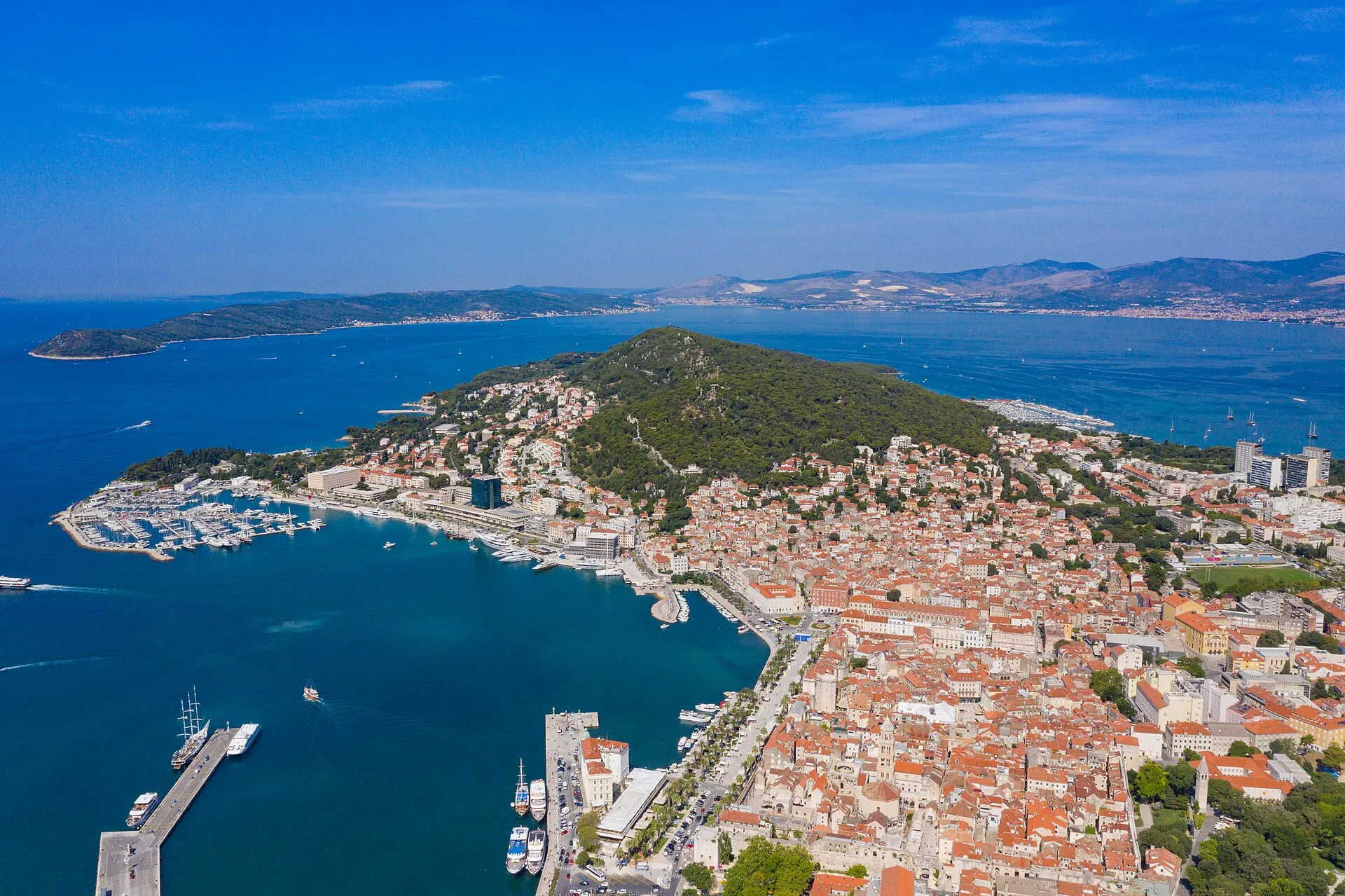
Split sits in the middle of Croatia's cost range: cheaper than Dubrovnik, pricier than inland Zagreb, and heavily distorted by the tourist season. Croatia adopted the euro in 2023, so you'll pay in EUR everywhere. Here is a realistic monthly breakdown for one remote worker (USD figures are converted at the site-wide rate of $1 = €0.87, 01 Aug 2026).
- Rent, one-bedroom central (long-term): $720-1,070. A studio can run $610-790.
- Rent, cheaper areas (outside the old town): $540-790 for a one-bedroom.
- Groceries: $300-430 for one person cooking most meals.
- Eating out: $360-540 if you eat out several times a week; a casual meal runs $15-21 and a coffee $2.70-3.70.
- Coworking hot-desk: $120-210 per month.
- Local transport: $30-49 if you mostly walk and take occasional buses.
Total monthly range: roughly $1,700-2,670 for a comfortable but not lavish lifestyle. Budget nomads who cook at home and skip coworking can land closer to $1,440.
The big variable is season. Landlords make far more from summer tourists, so long-term rentals get scarce and expensive from roughly May to September, and many owners simply refuse year-round tenants. If you sign a winter lease (October to April) you'll often pay noticeably less and have more choice, but you may be asked to leave or pay a summer premium when the season turns. Lock in a longer contract if you can.
Where to Work
Split's coworking scene is small but real. Named options include Amosfeel and community spaces such as Re.Split (known for its green, plant-filled interior), The Works, TinkTank, Smartspace in the old town, and Scale Up Office. Some hotels, such as Hotel Marvie, also open coworking areas to non-guests. Hot-desk memberships typically run $120-210 a month, with day passes available at most.
Cafe-work culture exists but is casual: Croatians linger over coffee for hours, so nursing a laptop is accepted in quieter, non-peak hours, though seafront cafes in summer will want the table turned over. WiFi in apartments and cafes is generally good and fast in the city, and mobile data is cheap and reliable, so a local SIM or eSIM makes a solid backup. During peak summer, networks and cafes get crowded, so a coworking membership is worth it if you have calls.
Getting Around
Split is compact and very walkable. The old town, built inside Diocletian's Palace, is pedestrian-only, and most nomads live within a 20 to 30 minute walk of the center. City buses are run by Promet Split, with a single ride around $2.70, buyable on the bus, at kiosks, or via the app. You rarely need a car in the city itself.
Split is also a major ferry hub. Jadrolinija and other operators run car ferries and faster catamarans from the central port to islands like Hvar, Brac, and Vis, plus longer routes to Dubrovnik and Italy. Prices and frequency vary sharply by season, with far more sailings in summer.
Split Airport (SPU) is about 25 km west, near Trogir. The airport shuttle bus runs to the main bus station in roughly 30 minutes for around $10, timed to flight arrivals. The cheaper option is public bus line 37, at about $3.50, though it is slower and stops more often. Taxis and ride apps also operate.
Sorting transport? Book an airport transfer, or compare car rental on Auto Europe and QEEQ.
Visas and Staying Long-Term
Croatia joined the Schengen Area in 2023, so tourist stays follow the standard 90 days in any 180-day period rule, and that time is shared across all Schengen countries. Passport holders from the US, UK, Canada, and Australia can enter visa-free for up to 90 days; those days count together with time spent in Italy, Slovenia, and the rest of Schengen. Visa-free travelers will also need an ETIAS travel authorization before arrival once it starts, and the European Commission has scheduled it for the last quarter of 2026.
To stay longer, non-EU nationals can apply for Croatia's digital-nomad temporary stay permit. You must work remotely for a company or your own business registered outside Croatia, and prove income of about $4,170 per month, two and a half times Croatia's average net salary, or equivalent savings (add about 10% per accompanying family member). The permit is granted for up to 18 months and cannot simply be renewed back-to-back: after it expires you generally must wait six months before applying again. Foreign-sourced income is typically exempt from Croatian income tax during the stay.
Best Time to Visit
Split has a Mediterranean climate: hot, dry summers and mild, sometimes rainy winters. July and August are the hottest, around 30°C, with warm seas and packed streets. Winter (December to February) is mild, roughly 10-14°C, too cool to swim but pleasant for walking and working.
For remote work, the sweet spots are spring and autumn, especially May, June, September, and early October. You get warm weather, open cafes and ferries, cheaper rents than midsummer, and far fewer crowds. Deep winter is the quietest and cheapest, but many seaside businesses close and the town can feel sleepy, which suits some nomads and bores others.
Pros and Cons
The honest picture:
- Pro: Stunning coastal old town, walkable and safe.
- Pro: Fast, cheap internet and mobile data.
- Pro: Easy ferry access to islands and the rest of the Adriatic.
- Pro: A clear, well-run digital-nomad permit for longer stays.
- Con: Severe summer overtourism, with crowds, noise, and price spikes.
- Con: Long-term rentals are scarce and costly in season; landlords favor tourists.
- Con: Winters are quiet to the point of dead, with many closures.
- Con: Schengen's 90/180 limit forces short-stay nomads out unless they get the permit.
Who Split Is Best For
Split suits remote workers who want a walkable Mediterranean base with beach and island access, and who can either time their stay for spring and autumn or commit to the digital-nomad permit for a longer, more stable run. It rewards people who value scenery, an easy pace, and outdoor life over big-city buzz.
Skip Split if you need a large, year-round nomad community and nightlife through the winter, if you want a big established coworking scene, or if you can only visit in July and August and dislike crowds. Anyone needing more than 90 days without the permit will also find the Schengen limit a hard stop.