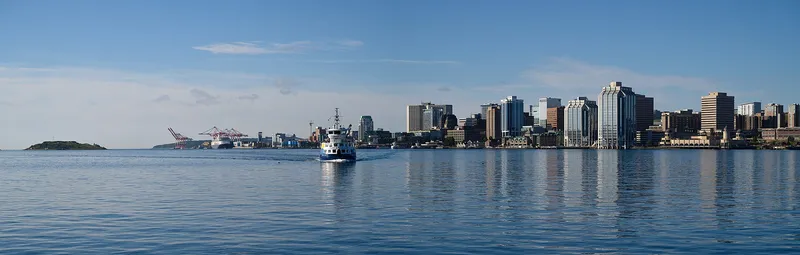
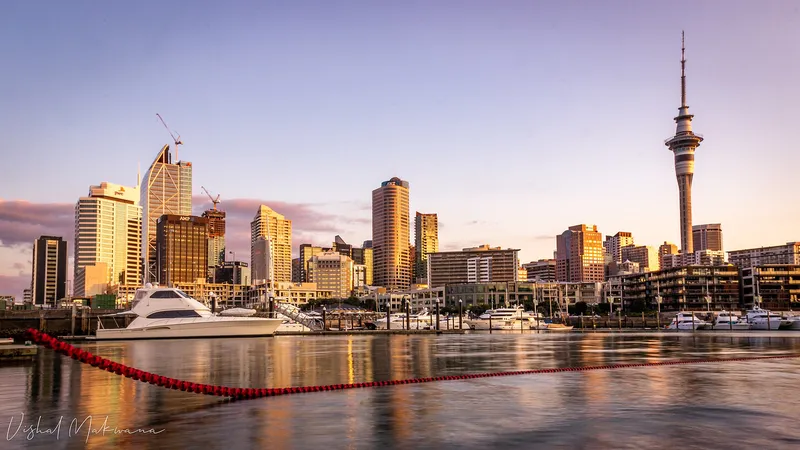
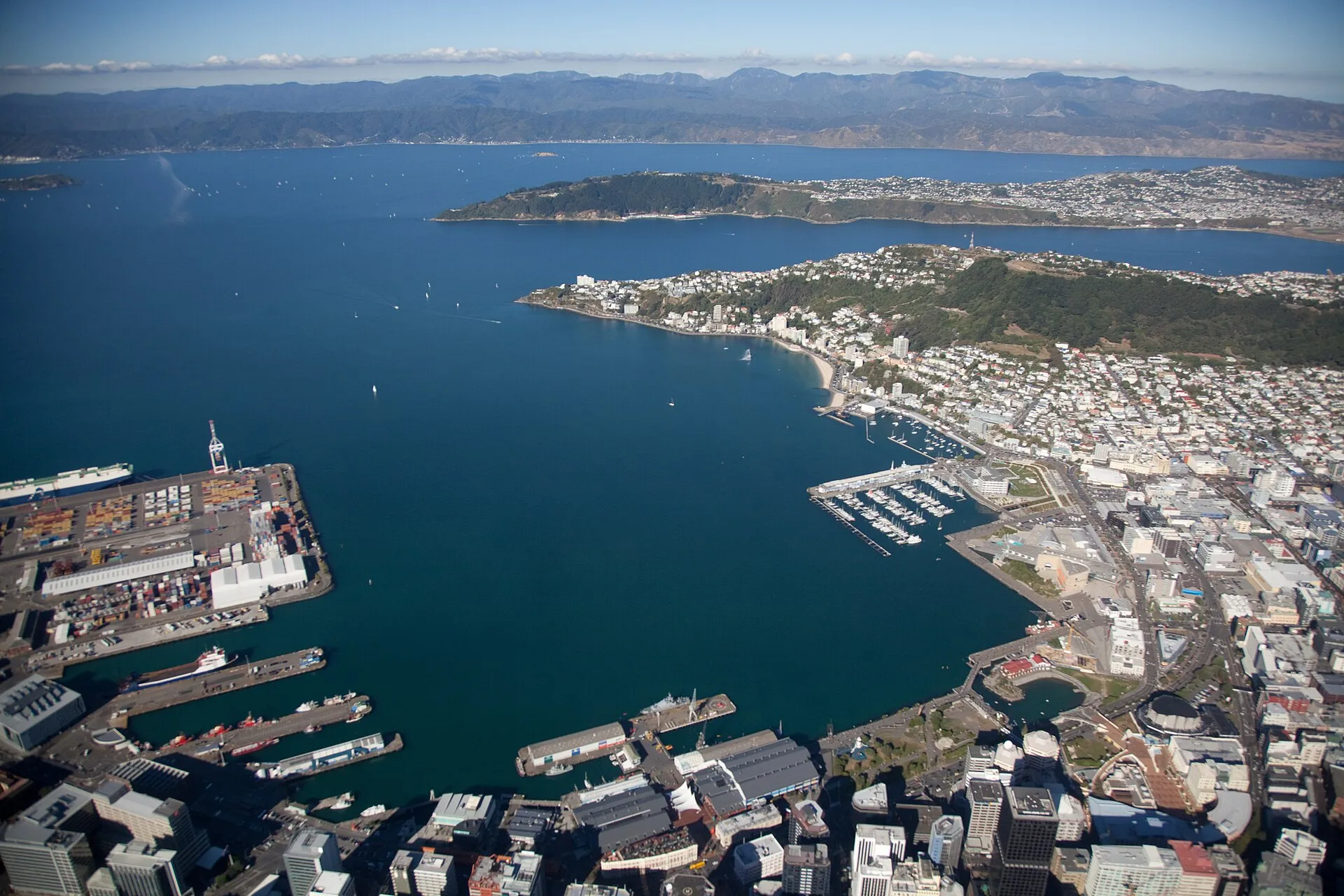
Aerial view of Wellington's Lambton Harbour, waterfront, and CBD with surrounding hills
Photo: russellstreet / Wikimedia Commons (CC BY-SA 2.0)
New Zealand flag

Wellington

New Zealand

Discover compact creative capital with craft coffee and wind-swept harbor.

NZ$3.200
Monthly Budget
--
Current Weather
Oceanic
Climate Type
80 Mbps
Avg. WiFi Speed
9/10
Safety Score
2,000+
Active Nomads
--
Time Difference
Scroll
0
Nomad Score

A Remote Worker's Guide to Wellington

Discover compact creative capital with craft coffee and wind-swept harbor. What pulls nomads here is English, backed by safety and clean air. Budget around $3,200 a month. Cost is the weak spot.

Compare Wellington vs Melbourne →

Category Breakdown

How Wellington scores across all 13 factors

Weather in Wellington

Monthly averages from 2019-2023 (Open-Meteo), and the best time to visit

20°
15°
Jan
20°
15°
Feb
18°
14°
Mar
17°
13°
Apr
15°
12°
May
13°
10°
Jun
12°
Jul
12°
Aug
13°
Sep
14°
10°
Oct
17°
12°
Nov
18°
14°
Dec
Daily high & low (°C)Rainfall (mm/month)Best months to visit

The best time to visit Wellington for comfortable weather is Jan, Feb, Mar. The warmest month is Jan (around 20°C by day), and the wettest is Jun (about 121mm of rain).

Chasing good weather? See other cities that are warm in Jan, or plan a multi-city route around the seasons. Staying a while in Wellington? Check visa options, your time-zone overlap and how far your budget stretches, or find it on the world map.

Historical monthly averages, not a forecast. Source: Open-Meteo.

Best Neighborhoods in Wellington

Where to base yourself for the perfect nomad experience

Cuba Street

$$
Bohemian & Creative

Wellington's bohemian creative heart

Cuba Street is Wellington's soul - independent boutiques, diverse cafes, and creative energy. The bucket fountain is just the start of this pedestrian paradise.

Best for: Creatives, coffee lovers, and those seeking Wellington's soul
✓ Pros
  • Best cafes
  • Independent shops
  • Street performers
  • Creative energy
✗ Cons
  • Busy weekends
  • Limited parking
  • Hipster overload

Te Aro

$$
Entertainment & Central

Wellington's central entertainment zone

Te Aro surrounds Cuba Street and Courtenay Place - bars, restaurants, and Wellington's nightlife. It's flat, central, and where Wellington plays after dark.

Best for: Night owls, foodies, and those seeking central Wellington
✓ Pros
  • Best nightlife
  • Restaurant variety
  • Central location
  • Flat terrain
✗ Cons
  • Noisy nights
  • Expensive rent
  • Parking nightmare

Mount Victoria

$$$
Charming & Village

Wellington's charming hillside village

Mount Victoria is Wellington's prettiest neighborhood - wooden villas, harbor views, and village atmosphere. The lookout offers the best city views.

Best for: Long-term residents, view seekers, and those wanting village life
✓ Pros
  • Best views
  • Beautiful houses
  • Village feel
  • Near city
✗ Cons
  • Steep hills
  • Limited parking
  • Expensive

Thorndon

$$$
Historic & Political

Wellington's historic political quarter

Thorndon is Wellington's oldest suburb - historic buildings, Parliament, and Katherine Mansfield's birthplace. It's where Wellington's history and politics meet.

Best for: History lovers, political watchers, and those seeking heritage
✓ Pros
  • Historic architecture
  • Near Parliament
  • Botanic Gardens access
  • Quiet
✗ Cons
  • Limited restaurants
  • Quiet evenings
  • Expensive

Newtown

$
Diverse & Authentic

Wellington's diverse multicultural hub

Newtown is Wellington's most diverse suburb - ethnic restaurants, the zoo, and genuine multiculturalism. It's less polished but more authentic than the city center.

Best for: Foodies, budget travelers, and those seeking diversity
✓ Pros
  • Diverse food
  • Affordable
  • Zoo access
  • Authentic character
✗ Cons
  • Less pretty
  • Some rough areas
  • Far from waterfront

Cost of Living in Wellington

Wellington is one of New Zealand's pricier cities, mostly because housing supply is tight. As a rough guide, budget in New Zealand dollars (NZD), with US dollar equivalents at roughly NZD 1 to USD 0.60.

  • Rent, central apartment: a furnished one-bedroom in Te Aro or the CBD runs about NZD 2,300-2,900 per month (USD 1,380-1,740). Rents are usually quoted weekly here, so expect roughly NZD 550-680 a week.
  • Rent, cheaper area: move out to Newtown, Berhampore, or over the hill toward the Hutt Valley and a one-bedroom drops to around NZD 1,700-2,100 per month (USD 1,020-1,260).
  • Groceries: around NZD 400-550 per month (USD 240-330) for one person. Food is not cheap by global standards.
  • Eating out: a casual meal is about NZD 25-35 (USD 15-21), and a flat white is roughly NZD 5.50-6.50 (USD 3.30-3.90).
  • Coworking hot desk: a flexible monthly membership starts near NZD 190 (USD 115), with dedicated desks around NZD 600 (USD 360) plus GST.
  • Local transport: figure NZD 100-150 per month (USD 60-90) on the bus with a Snapper card.

All in, a solo remote worker should plan for roughly NZD 3,500-5,000 per month (USD 2,100-3,000), depending on how central you live and how often you eat out.

Where to Work

The main dedicated operator is Digital Nomad, a boutique coworking brand with several small sites across the CBD, Pipitea, and Te Aro. Memberships bundle 24/7 access, fast internet, sit-stand desks, and meeting rooms. Regus and Spaces both run flexible desks and offices in central towers, including harbour-view floors, if you want a more corporate setup. Generator is another established option with coworking desks, private offices, and event space.

Wellington also has a genuinely strong coffee culture, and cafe work is normal here. Spots around Cuba Street, Te Aro, and the waterfront are used to people on laptops, and the coffee is some of the best you will find anywhere. As for connectivity, New Zealand's fibre network is widespread and reliable, so fixed WiFi in apartments, cafes, and coworking spaces is generally fast and stable. Mobile coverage in the city is solid; a local prepaid SIM or eSIM is cheap and worth having for tethering on windier work-from-anywhere days.

Getting Around

Wellington is compact and very walkable. The CBD, waterfront, Cuba Street, and Te Aro are all easily covered on foot, which is part of the appeal. For everything else there is a frequent Metlink bus network. Pick up a Snapper card (about NZD 10) to tag on and off for discounted fares, or pay contactless. Trains run out to the suburbs and the Hutt Valley if you settle further from the centre.

The historic Cable Car climbs from Lambton Quay up to Kelburn and the Botanic Garden, costing around NZD 8.76 with Snapper (about USD 5.30). It is part commuter link, part tourist ride, and worth doing for the view.

Wellington Airport (WLG) sits close to the city, roughly a 20 to 30 minute drive. The Airport Express bus connects the terminal to the CBD and railway station, and taxis or rideshares are readily available. Note that the Airport Express takes contactless card payment rather than the standard Snapper off-peak fares.

Visas and Staying Long-Term

Most visitors from visa-waiver countries do not need a visa in advance, but you do need an NZeTA (New Zealand Electronic Travel Authority) before you fly. It is valid for up to two years of multiple trips. Visa-waiver visitors can typically stay up to 3 months per visit, while UK passport holders can stay up to 6 months (and no more than 6 months in any 12-month period).

The big change for remote workers: since 27 January 2025, New Zealand explicitly allows you to work remotely for an overseas employer or your own overseas clients while on a visitor visa or NZeTA, with no cap on how much remote work you do. What you cannot do is work for a New Zealand employer or earn from New Zealand businesses without the right work visa. There is also a tax angle, with thresholds around 92 and 183 days depending on your tax residency, so long stays need planning. If you want to stay beyond your visa-waiver window, apply for a visitor visa before travelling. Rules change, so always confirm the current details with Immigration New Zealand and Inland Revenue directly.

Best Time to Visit

Wellington sits in the southern hemisphere, so summer runs December to February and winter June to August. The climate is mild and temperate year round, with summer days around 20-21 degrees Celsius and winter days around 12-13 degrees. The catch is the wind: Wellington is famously one of the windiest capital cities in the world, thanks to its position on the Cook Strait, and the breeze can be relentless from spring into early summer.

For remote work, the sweet spot is autumn, roughly March and April, when temperatures are still pleasant, the wind eases, and you get long clear stretches. Summer is sunniest and liveliest but also blowier. Winter is cool and grey rather than freezing, and still perfectly workable if you do not mind fewer daylight hours.

Pros and Cons

  • Pros: compact and walkable, excellent coffee and cafe-work culture, fast reliable fibre internet, clear remote-work rules since 2025, safe, English-speaking, and stunning nature on the doorstep.
  • Pros: a lively arts, food, and craft-beer scene that punches above the city's size.
  • Cons: the wind is genuinely constant and can wear you down over weeks.
  • Cons: high cost of living, especially rent, and real geographic isolation, with long, expensive flights to almost anywhere outside Australia and the Pacific.

Who Wellington Is Best For

Wellington suits remote workers who value quality of life over cost savings: people who want a safe, walkable, English-speaking base with world-class coffee, easy access to hiking and coastline, and a creative, low-key city vibe. It works especially well for those who can absorb the higher prices and want a legitimate, straightforward setup for working remotely.

You should probably skip Wellington if you are chasing a cheap cost of living, if you need to be within short flights of many other countries, or if wind genuinely bothers you. Budget-focused nomads and anyone wanting a fast-paced megacity will likely find Wellington too expensive, too remote, and too breezy for a long stay.
Where to Stay in Wellington

Top neighborhoods and accommodations for digital nomads

Quest Wellington

Serviced apartments
CBD Lambton Quay

Art Deco heritage building with full kitchen and laundry in the heart of Wellington's shopping and business district.

Check availability →

Gilmer Apartment Hotel

Aparthotel
CBD The Terrace

Self-contained studios and apartments two minutes from Lambton Quay, with free unlimited Wi-Fi and gym access included.

Check availability →
Sojourn Apartment Hotel on Ghuznee Street Wellington showing the multi-storey building exterior

Photo: Panamitsu (CC BY-SA 4.0)

Sojourn Apartment Hotel Ghuznee

Aparthotel
Te Aro Cuba Street

Tripadvisor top-rated boutique aparthotel steps from Cuba Street, with ultra-fast Wi-Fi, kitchenettes, and free wellness facilities.

Check availability →

Willis Village Urban Garden Apartments

Aparthotel
CBD Willis Street

Spacious self-contained apartments with full kitchen, private patio, and laundry, walkable to Lambton Quay and Cuba Street.

Check availability →

Haka House Wellington

Hostel
Te Aro Waterfront

Eco-certified hostel on Wakefield Street with free Wi-Fi, communal kitchen, and a top location between Te Papa and Cuba Street.

Check availability →

Browse apartments, aparthotels and hotels across Wellington. Compare prices and book a base that suits a remote-work stay.

See available stays in Wellington →

Affiliate link. See our disclosure.

Best Coworking Spaces

Where nomads get work done in Wellington

Bureau Workspaces

Coworking space
The Terrace

Sleek 24/7-accessible CBD workspace with app-controlled entry, seven membership tiers, and complimentary coffee.

Visit website →

Offix

Coworking space
Wellington CBD

Compact family-owned workspace on Willis Street with hot desks, private rooms and a focus on productivity.

Visit website →

Urban Hub

Coworking space
Lambton Quay

Central flexible workspace across three floors on Lambton Quay with a garden terrace and coffee lounge.

Visit website →

Mo~co

Community coworking
Moera, Lower Hutt

Dog-friendly community coworking hub in a restored character building with free all-day parking nearby.

Visit website →
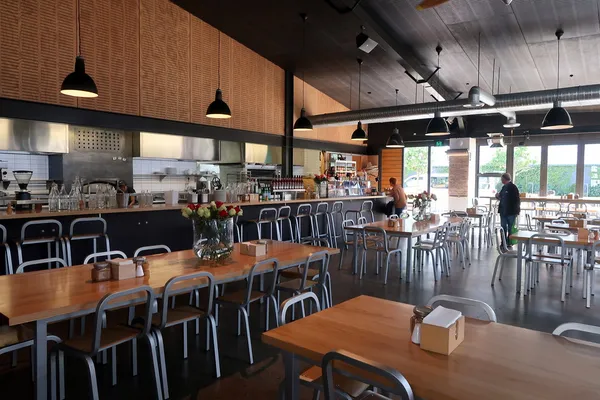
Prefab cafe interior in Wellington showing communal tables, pendant lights and open kitchen

Photo: Bex Walton (CC BY 2.0)

Prefab

Cafe and roastery
Te Aro

Spacious 180-seat cafe and in-house roastery on Jessie Street, popular with laptop workers for its reliable wifi and food.

Visit website →

Swimsuit Coffee

Specialty cafe
Te Aro

Award-winning specialty coffee bar with multiple city locations, praised for exceptional espresso and a calm working atmosphere.

Visit website →

Where to Eat & Drink

Best food and drink spots in Wellington

Logan Brown restaurant exterior on Cuba Street Wellington showing the heritage National Bank building

Photo: geoff pedder (CC BY-SA 2.0)

Logan Brown Restaurant

Fine dining
Cuba Street

Michelin-starred institution serving refined New Zealand cuisine with signatures like paua ravioli and roasted hapuku.

Visit website →

Rita

Seasonal New Zealand
Aro Valley

Intimate 30-seat restaurant in a former worker's cottage serving thoughtful, produce-driven seasonal menus.

Visit website →
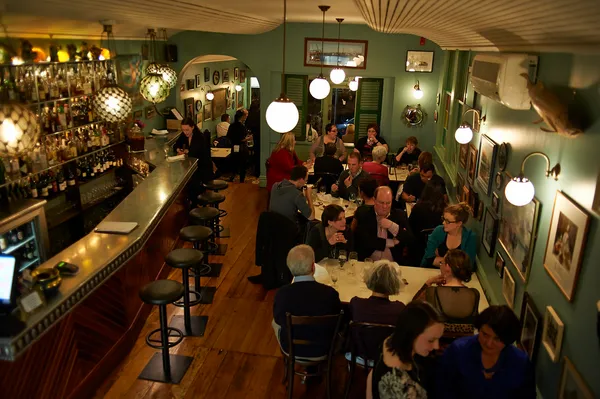
Ortega Fish Shack interior showing nautical decor, bar and dining room in Wellington

Photo: peter burge (CC BY 2.0)

Ortega Fish Shack

Seafood
Mount Victoria

Long-standing Wellington favourite spotlighting New Zealand seafood with a relaxed, neighbourhood-bar atmosphere.

Visit website →

Golding's Free Dive

Craft beer bar
Te Aro

Beloved craft beer bar on Leeds Street with a colourful dive aesthetic, 20-plus taps and a cult local following.

Visit website →

Margot

European bistro
Newtown

Cosy 25-seat Euro-inspired bistro in Newtown with a vegetable-forward menu tied to what local growers are harvesting.

View on Maps →

What Do Nomads Say?

Vote on how accurate these scores are based on your experience

Cities with a Similar Vibe to Wellington

Different places that score alike across our 13 categories, if you like Wellington, these tend to feel similar.

Frequently Asked Questions About Wellington

How much does it cost to live in Wellington as a digital nomad?

Budget roughly $3,200 a month in Wellington for a furnished place, food, coworking, and transport. The most popular central areas cost more; suburbs and local spots cost noticeably less.

Is the internet fast enough for remote work in Wellington?

Wellington rates 8 out of 10 for WiFi in our scoring, so it handles video calls and daily remote work excellent. Carry a local SIM with data as a backup for cafes and travel days.

Is Wellington safe for digital nomads?

Our safety score for Wellington is 9/10, excellent for nomads. As anywhere, watch your belongings, favor busier streets after dark, and research neighborhoods before you book.

Is Wellington a good city for digital nomads overall?

Wellington stands out for English and safety among remote workers. With a typical budget near $3,200 a month and a growing nomad scene, it suits anyone whose priorities line up with those strengths.