Cost of Living in Cascais
Real market data
Source: Numbeo · August 2026
$2,500/moSolo nomad1-bed centre + living costs
$3,050/moCoupleshared 1-bed + costs
$1,860/moLean / localcheaper area + costs
- 1-bed rent, city centre$1,800€1,565
- 1-bed rent, outside centre$1,170€1,016
- Monthly costs excl. rent (1 person)$700€605
- Meal, inexpensive restaurant$16€14
- Monthly transit pass$46€40
- Buy price, per m² (centre)$7,120€6,185
Prices are from Numbeo (August 2026), converted to USD at $1 = €0.87 (01 Aug 2026). The monthly living-costs figure is our transparent one-person basket, groceries, a few meals out, utilities, phone, internet, transport and essentials, priced from those figures. Solo adds central rent; couple and lean are estimates from the same numbers.
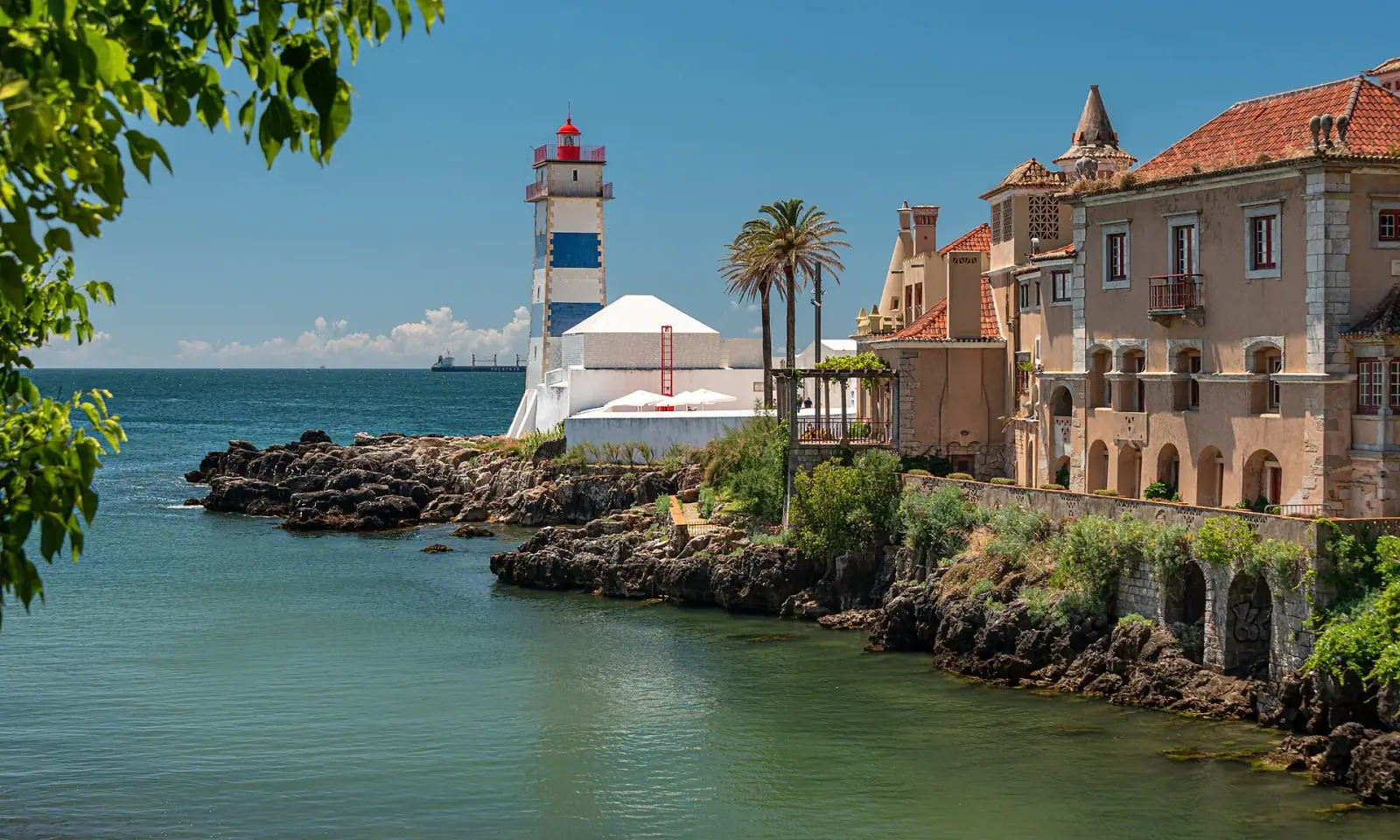
Cascais is one of Portugal's more expensive places to live, and you should budget accordingly. It is an affluent seaside town on the Portuguese Riviera, popular with well-off Portuguese, families, and nomads who value calm over cheap. All prices below are approximate 2025-2026 figures in US dollars, converted from euro prices.
- Rent, one-bedroom central: around $1,150-1,270 per month. In peak season or nicer buildings near the bay, expect to pay more.
- Rent, one-bedroom cheaper area: around $865-1,040 if you look inland or in outlying parishes like Alcabideche or the Estoril fringe.
- Groceries: roughly $230-345 per person if you cook most meals and shop at Continente, Pingo Doce, or the municipal market.
- Eating out: a weekday lunch menu (prato do dia) runs $12-17, and a mid-range dinner for two is around $58. Seafood restaurants near the marina cost more.
- Coworking hot-desk: a day pass starts around $17, and a monthly flex membership is roughly $140-230.
- Local transport: individual train and bus fares are cheap, and a topped-up Navegante card covers most trips. Monthly regional transit passes are well under $58.
- Utilities and internet: combined electricity, water, and gas average $115-175, with home fiber internet around $35-58.
Realistically, a solo nomad renting a private one-bedroom should plan for about $1,960-2,650 per month all in. You can go lower by taking a room in a shared flat or a coliving, and much higher if you want a sea-view apartment in the center.
Where to Work
Cascais has a small but real coworking scene aimed at remote workers and the local startup crowd. LACS Cascais is the anchor: a large flexible workspace with hot desks, private offices, meeting rooms, and community events. Smaller options include The Village Cowork, a homely space close to shops and transport, and coliving-plus-cowork setups such as Luna House and Cowork and Outsite that combine a desk with accommodation. Serviced-office providers like Regus also operate in the area if you want something more corporate.
Cafe-work culture exists but is more relaxed than in central Lisbon. Plenty of cafes near the old town and marina are happy to have you nurse a coffee and work for an hour or two, though few are set up as all-day laptop hubs, and outlets can be scarce. Portugal has strong fixed and mobile internet overall, and fiber is widely available in apartments, so your home connection is usually the most reliable option. For serious video calls, a coworking desk is the safer bet.
Getting Around
Cascais is compact and very walkable. The old town, marina, beaches, and train station sit close together, and you can handle daily life on foot or with a short bus ride. Many people also cycle, and the town runs a bike-sharing scheme.
The Cascais train line is the town's lifeline to the capital. Trains leave for Lisbon's Cais do Sodre station roughly every 20 minutes, run from early morning until around 1:30am, and the scenic ride along the coast takes about 40 minutes. A single fare is only a couple of dollars on a Navegante card, so day trips into the city are easy and cheap.
Getting to and from Lisbon Airport (LIS) takes a little planning, because there is no direct airport train. By public transport you take the Cascais line to Cais do Sodre, then switch to the metro (green line, changing to the red line for the airport), which costs only a few dollars total but takes around 90 minutes with the connections. A taxi, Uber, or Bolt is far faster at roughly 35-45 minutes, typically costing around $29-46 depending on traffic and time of day.
Sorting transport? Book an airport transfer, or compare car rental on Auto Europe and QEEQ.
Visas and Staying Long-Term
If you hold a passport from a visa-exempt country such as the United States, Canada, the UK, or Australia, you can enter Portugal and the wider Schengen Area without a visa for up to 90 days within any 180-day period. That is enough for a long stay or a trial run, but it is a hard cap across all Schengen countries combined, not just Portugal.
For longer stays, Portugal's D8 digital nomad visa is the standard route for remote workers and freelancers earning income from outside Portugal. It generally requires proof of stable monthly income (four times the Portuguese minimum wage, about $4,240 per month in 2026), plus health coverage. The residence permit is typically issued for two years and is extendable, and it can put you on a path toward longer-term residency over time.
Best Time to Visit
Cascais has a mild Mediterranean climate with warm, dry summers and gentle winters, and the ocean keeps temperatures steady year-round. Summer highs sit comfortably in the mid-to-high 20s Celsius (upper 70s to mid-80s Fahrenheit), while winters are cool and a bit wet rather than cold, rarely dropping to anything harsh.
For remote work, the sweet spots are late spring (May and June) and early autumn (September and October). You get warm, sunny weather, quiet beaches, and easier apartment availability before or after the tourist rush. July and August are the busiest and priciest months, when Portuguese holidaymakers and foreign visitors arrive together, so accommodation gets tight and expensive. November through February is the calmest and cheapest window, with occasional rain but plenty of workable days if you do not mind a quieter town.
Pros and Cons
The upsides:
- Safe, clean, and genuinely beautiful, with beaches, coastal trails, and a walkable old town.
- Fast, cheap train straight into Lisbon whenever you want the big-city energy.
- Mild weather almost all year and reliable internet infrastructure.
- Family-friendly and calm, with an established expat and nomad presence.
The downsides:
- Expensive by Portuguese standards, especially rent, which prices out budget travelers.
- Quieter and lighter on nightlife than Lisbon, so evenings can feel sleepy.
- Somewhat reliant on Lisbon for a bigger job market, broader coworking scene, and variety.
- Busy and pricey in peak summer, when the town fills with tourists.
Who Cascais Is Best For
Cascais suits nomads and remote workers who have a comfortable budget and want a calm, high-quality base by the sea. It is a strong fit if you are a family, a couple, or someone who values safety, nature, and a slower pace over party scenes, and who likes knowing a fast train to a capital is always at hand. Surfers, runners, and outdoor types will feel especially at home.
You should probably skip Cascais if you are watching every euro, if a lively nightlife and a dense young-nomad crowd are what you are after, or if you want everything (big coworking hubs, endless events, a deep job market) on your doorstep rather than a train ride away. In those cases, basing yourself in central Lisbon and visiting Cascais on day trips makes more sense.